جيبوتي فخرنا
جنودنا البواسل يسيرون بانضباط وشجاعة وعزيمة، مجسّدين قوة وطننا ووحدته وكرامته.
نسأل الله أن يحفظ قواتنا المسلحة وأن يحمي جيبوتي الحبيبة. 🇩🇯❤️
#جيبوتي#القوات_المسلحة
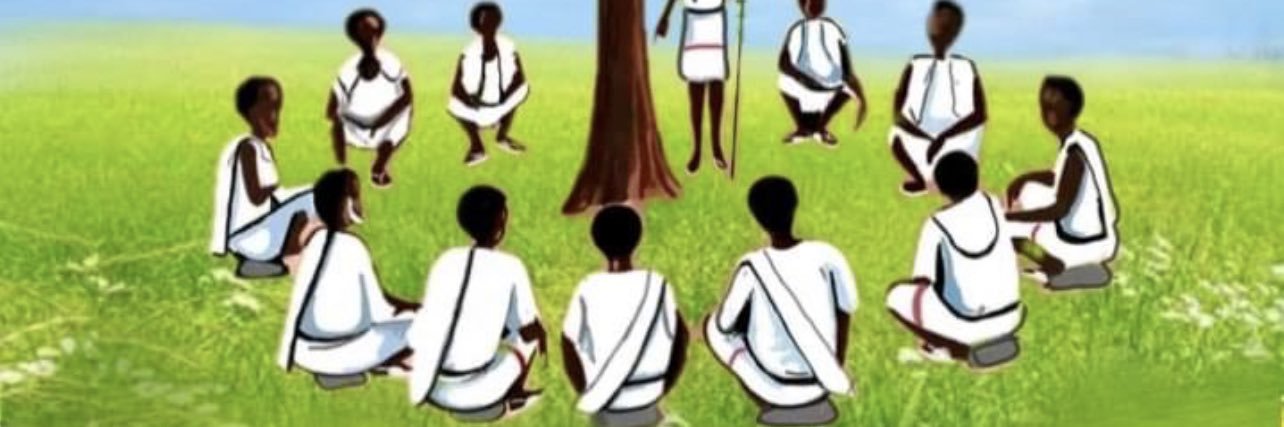
That was Rooble Ali, Issas deposed him for collaborating with the French. The picture you’re using is Ugaas Rooble Farah. Your most famous Gadabursi Ugaas was an Egyptian-backed puppet handpicked by the Afars, rejected by his own clan. Both your Ugaas were essentially puppets.
No the text is clear the British deposed Ugaas Nuur (The Egyptian puppet) for kidnapping Italians. Elmi ( The British puppet) was chosen to replace his brother and even asked for help in taking his brother out. Why did the Gadabursi take part in the Dervish war ?
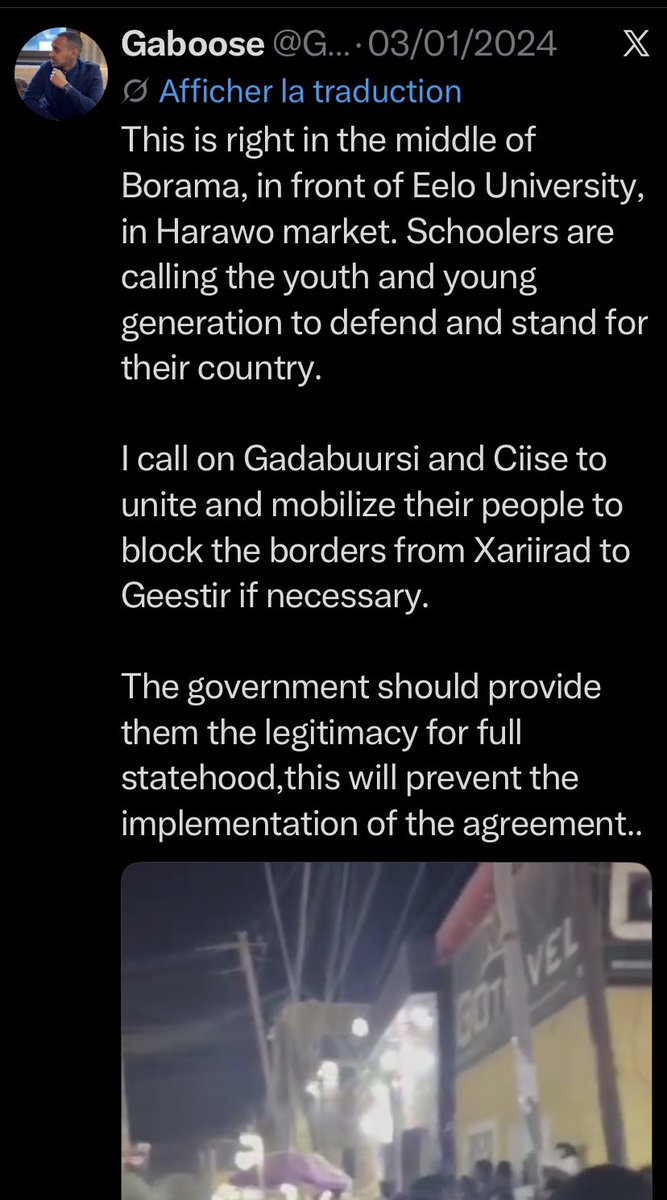
Gaboose, who presents himself as an intellectual from the Ethiopian-Somali (Reer Ethiopia) community, long supported the Awdalist movement and displayed deep hostility toward Somaliland. However, once his brother became a minister in the Cirro administration, he underwent a dramatic political turnaround.
Since then, he has offered unconditional support for Cirro’s policies and government. He has also adopted a particularly virulent tone toward Djibouti, even exhibiting growing hostility toward the Issa people.
Following the failure of the Awdalist movement, he appears to have shifted his position entirely—to the point of giving the impression that he has been co-opted by the Cirro administration. Notably, he has abandoned his previous antagonistic stance regarding Ethiopia’s policy on access to the sea.
This reversal raises a question: is this a genuine evolution of his political convictions, or merely a repositioning driven by personal and political interests? Is he a two-faced individual—or perhaps even a double agent? Where does this persistent hostility he directs toward an entire community—specifically the Issas—stem from?
Is he not, first and foremost, a former activist of the Awdalist movement—a project that ultimately failed? Having faced that failure, did he abandon his former beliefs to pursue his personal ambitions through other means—namely, by securing a position within the Cirro government?
How can one explain such a political about-face—the transition from his previous positions and past hostility toward Somaliland to his current support for the Cirro administration?
Is this a true ideological evolution, or a repositioning dictated by personal interests?
His political trajectory deserves a closer look.
@ay_has@Zaylacawi12@Bouh7777@SomaliBreakingN
Wilwile is not something you Landers (Gadabursi+Issaq) can just take and claim as your own, just like Jaandheer (Saylici). Wilwile has its own history and meaning behind it, and its story is recognised by the international community.
Mahadsanid Curadow, this is very interesting information,and I would like to add the following points:
1. Barara remains an important yet partly mysterious chapter in the history of the Somali people and their historical connections with the highlands, long before the establishment of Addis Ababa in 19th century.
2. In the 9th century, the Muslim (Somali) Sultanate of Shawa (Shewa) emerged in the region, marking an early chapter in the histology of Islam the northern Somali peninsula. Its historical connections with Somali people deserve further studies.
3. The Harla community (Xarla Koombe) also left a significant legacy of medieval settlements, trade, architecture, and Islamic civilization in Shawo (Shewa) areas of the Amhara and Oromo regions. Until 1960s, Matahara and surrounding areas (including Hawaash, Haadaamo (Nazareth) and Shawarobit) used to be central homeland for Harla community (Xarla Koombe).
4. Somalis have saying "Ciyaar Tigray, cidna ma daawato" ("Noboday watches the Tigray folk dance"). This may reflect historical and cultural connections between Somali and Tigray communities, potentially pointing to a period when the two communities shared closer geographical ties before the major Oromo migration and occupation of the Abyssinian and Somalis land in the 16th century.
5. The history of Addis Ababa was also reflects the contribution of Somali and Yemeni traders to the development of urbanizations and governance in today’s Ethiopia. Building materials used for constructing Addis Ababa came from Zaylac (Zeila) and by Somali and Yemeni traders.
6. In the article below, the researcher uses the term "Ganda Harla" ("Golaha Xarlaha"), which comes from Somali language and literally means "the Council of elders or advisors surrounding the Ugaas (Gandaha Ciisaha)."
https://t.co/4x6J5sfxxJ
@fouwzi@Gafdiid7@dervishconan@ay_has@Hassa23851483@Knowledge_iii@NoorSstv@KadarDabeco@AbdimalekFarah@Sitti_Salal_Dji
Long before Addis-Abeba there was Barara or Bar-Ara meaning in Somali the "Lion Den".
The Gadla of Taklahaymanot recorded the site as the temple of Warke or Wa Arka (Ina Waahi) meaning "Horus The Lion"!
Harlaland extended from Salal, East of Zayla to Salale in Northern Shoa.
When a Somali man marries a Djibouti girl, people say Masha Allah.
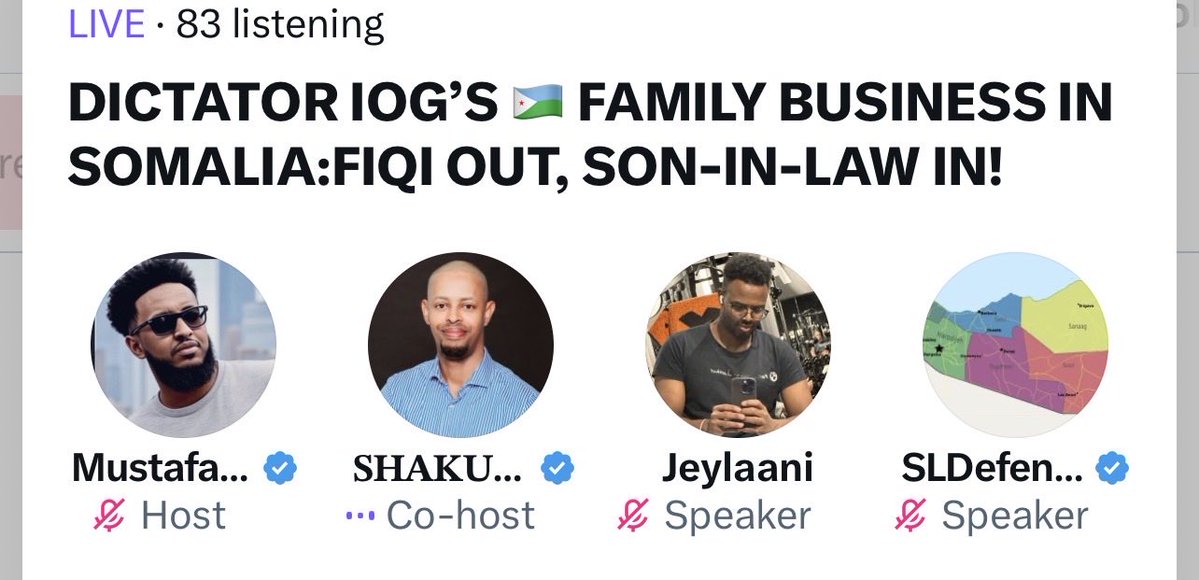
When Saadiq Omar Hassan “Joon” (already a Brigadier General) marries President Guelleh’s daughter and becomes Defence Minister, some scream “Djibouti took Somalia.”
Djibouti and Somalia are neighbors. Not the same country.
Their forces have been securing Beledweyne airport in Hiiraan since 2012. They just repelled an attack there. No casualties.
Neighbors help. Neighbors marry.
He had a career before the wedding.
Stop turning normal things into conspiracies.
Say Masha Allah or stay quiet.
Elmi was summoned by his British puppet masters to come to Zeila and bend the knee. Elmi was the same man who conspired to overthrow his own brother (Ugas Nur) and begged the British to help him. Elmi would later help the British fight the Dervish.