Someone new will be joining the Evernorth story. Get ready.
This content is for informational purposes only and does not constitute investment advice. This content may contain forward-looking statements that involve risks and uncertainties; actual results may differ materially. Digital assets involve risk, including potential loss of principal. Learn more about Evernorth: https://t.co/sqMogIjJYm.
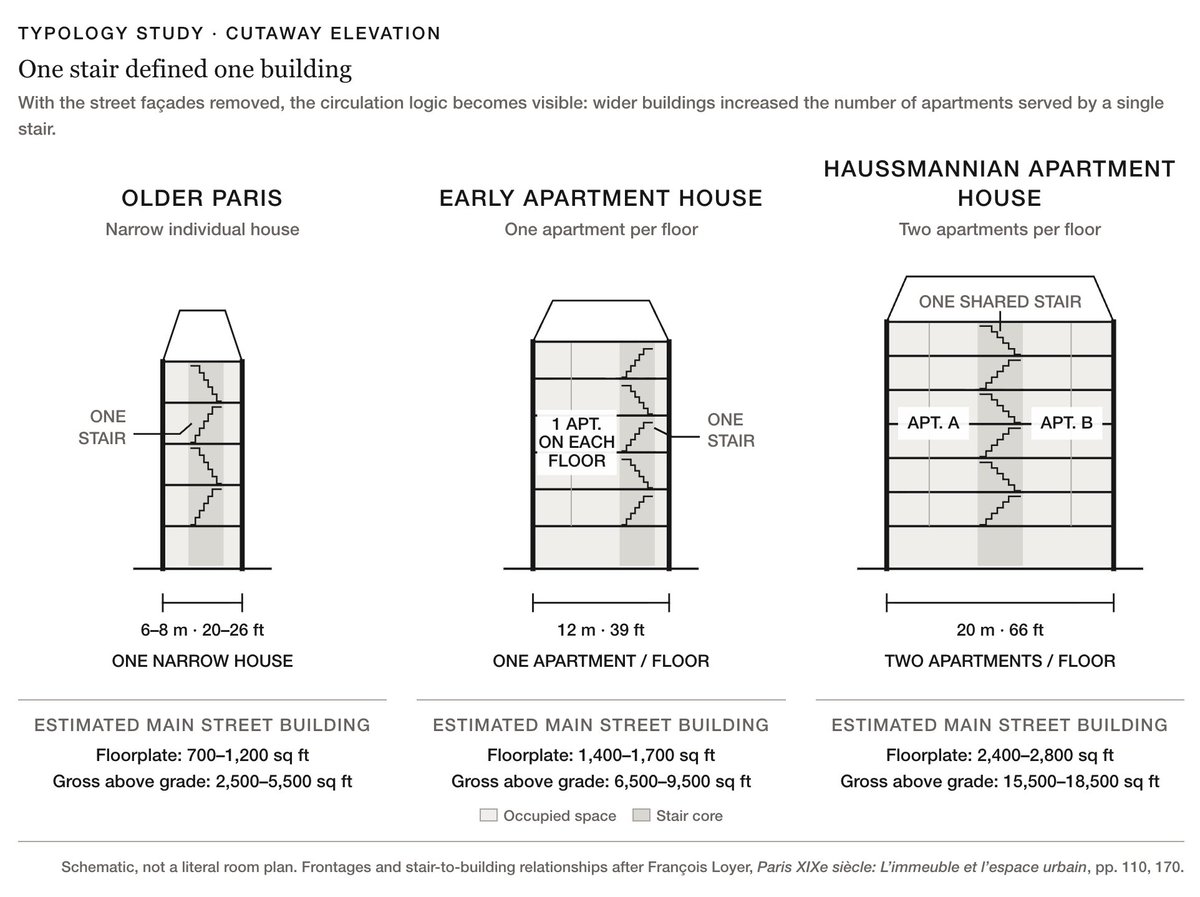
Evolution of Paris city buildings. They started out with narrow townhouses similar to Anglophone cities (narrow floorplate, 2,500-5,00 sq ft), but during modernization they expanded to wider buildings, with about 15,500 - 18,500 sq ft above grade.
That is the middle housing type that is missing in US cities.
Big cities are often overrated. It’s the neighborhoods within big cities that make them great (or not). Great neighborhoods in rural small towns are also great. Preferred even!
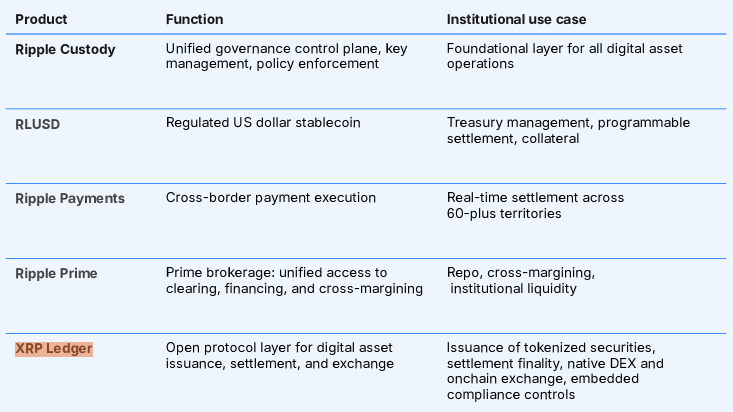
The XRP Ledger is one big smart contract, where tokenization can happen natively. 🙂
Join the good side @ecb, we have cookies (and a native DEX) to offer.
The ripple:native Ledger handles the same migration problem with native key rotation, so you can change keys without changing accounts, and Ripple's April roadmap targets 2028 for its own post-quantum switch.
7/8 🧵
People will ask, “Alicia, why does small-parcel density matter? What’s wrong with a system where multifamily developers build 300 apartments in a single building the size of a city block?”
Because a real city (one with a plurality of owners, residents, builders, and stakeholders) needs many different properties that together form a cohesive whole. The proverbial sum being greater than its parts and all.
This block contains more than a dozen separate tax parcels. Some have rental properties. Some are condos. ONE IS A CHURCH. Some include commercial space on the ground floor. Every property has a front facing the street and a back opening onto protected outdoor space. So it actually works for families with young children. Unlike virtually all American multifamily.
Fine-grained perimeter planning makes possible density without centralized ownership. (Centralized DEVELOPMENT is fine, as long as development is divisible upon compleition)
And by the way, these are NOT narrow parcels. They look roughly 50 to 70' wide.
Game theory explains why working harder inside a broken system is always the worst response to that system. That's because a system is never truly broken. It's just producing exactly the outcomes its own incentive structures were designed to produce, whether intentional or not. Working harder inside this system increases your output in the payoff matrix, but it simply won't change the actual structure of the system's matrix. Thus, the correct response is not more effort. Instead, you must aim to identify whose interests the current structure serves and position yourself in favor of those interests rather than against them. Change the game, or play the game that is actually being played. Either way, you must stop optimizing for the game you wish it to be and start acting realistically.
I don’t follow geopolitics closely, but is there some new concern about bread basket collapse? I’m having a lot of people asking me about the agricultural potential of courtyard urbanism, which I emphatically reject and oppose.
I think the benefit of courtyard urbanism is to create compact, livable cities that work for people across the lifecycle, thereby reducing sprawl into valuable agricultural land that is adjacent to cities.
If you are using urban land for agriculture, you are making it harder for cities to do what cities need to do, which is put people in close proximity to their jobs, their social network, and cultural institutions.
Obviously, it’s fine to have some light gardening in the courtyard. But we’re not trying to collapse agricultural land and urban land with courtyard urbanism. We are trying to transform and improve the quality of our urban fabric so that we can have a better separation between city and country.
Like Hannover. Look at urban-ag definition in Hannover.
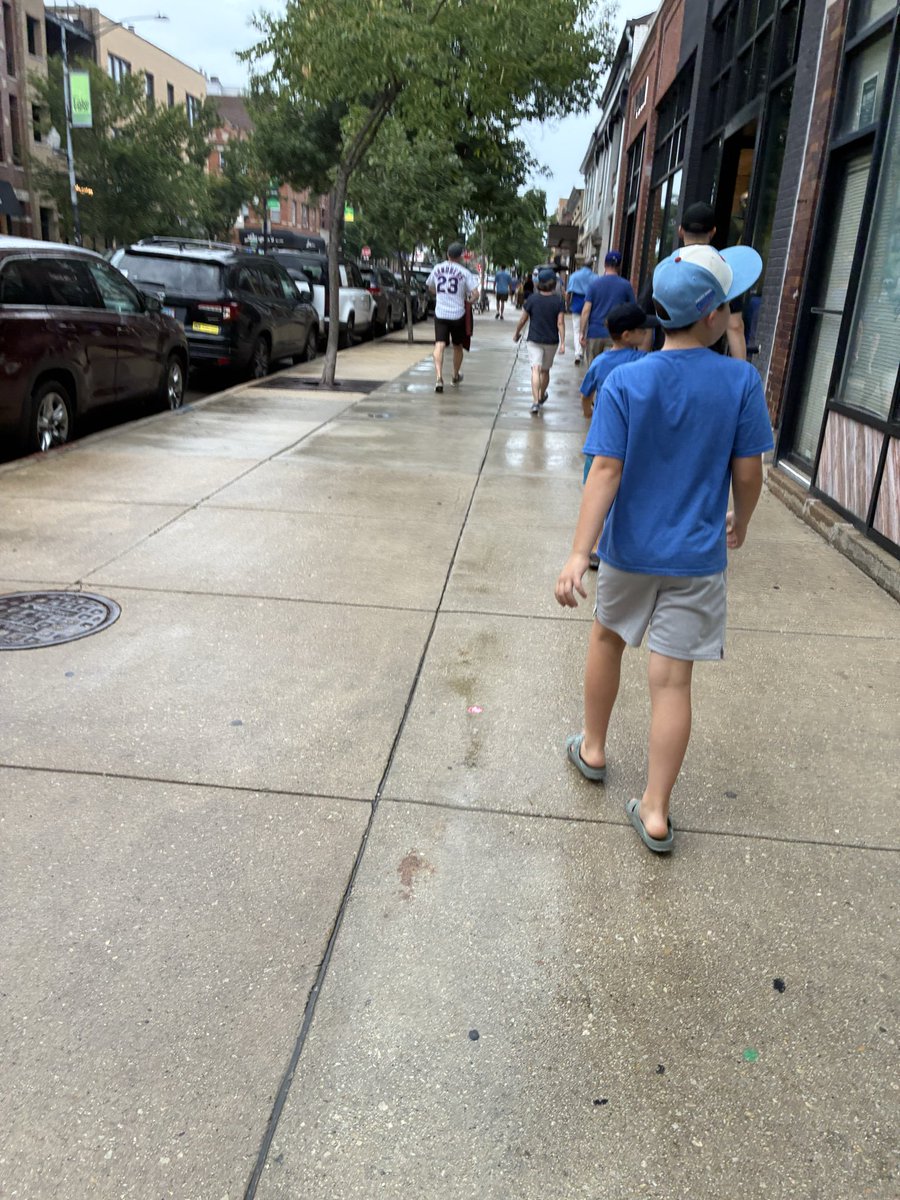
I don't know if this lands with parents who have not experienced it, but living within EASY walking distance (a QUARTER MILE OR LESS) of your kids' school AND a grocery store is such an insane quality of life bump. It makes the logistics of family life a breeze because school and grocery store represent 90% of your destination.
Also, anyone who claims that having a school or grocery store within a mile constitute good walkability does not know what they're talking about. A mile is too long of a distance for a parent to travel easily on foot with multiple small children, especially in inclement weather. A mile is too long a distance for an adult with mobility issues to comfortably travel on foot.
And this is why dense courtyard block neighborhood in Europe have far lower car ownership rates, even compared to great pre-war American neighborhoods that are walkable by American standards. The NEED for cars is just far less when your housing typology nets you 2.5x the population density, 2.6x the commercial square footage. You have more destinations within a quarter mile radius.
First (and hopefully not last) appearance on @Ripple's Crypto in a Min series talking about how Prime Brokers are a key converging factor to bring together traditional and digital markets. Check it out!
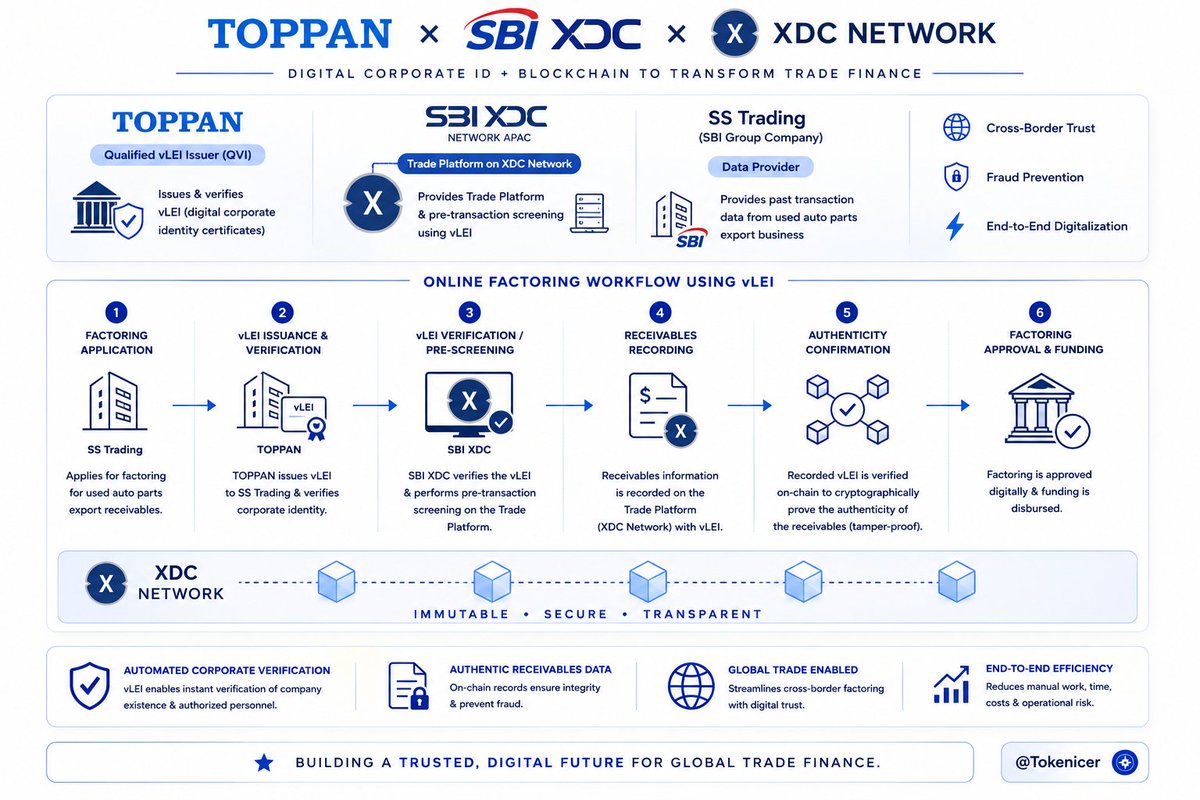
🏁SBI x xdce-crowd-sale:native has come a long way
Back in 2023, they initially built the joint venture
By 2024 we saw a few PoCs and case studies around cross border trade payments.
Today we're seeing official Global F500 and even government involvement with the joint venture
✅vLEIs
✅Digital Trade Data
✅All Logged onto XDC