The dwarf honey bee, Apis florea, is a crucial urban pollinator, but its population is declining due to urbanisation, habitat loss, pesticide use, and rising temperatures.
Nivedhika Krishnan reports.
https://t.co/VbBlwbPdkT
📢 New paper out in Environmental DNA! 💩🧬
How does dhole diet vary across space and time in central India?
Using a new sampling strategy + DNA metabarcoding workflow, we found that dholes rely predominantly on wild prey across seasons and areas🦌🐗🐇
https://t.co/ylYWa8rLkc
@PriyankKharge@PriyankKharge it's better to focus on the conservation of endangered animals like Indian Grey Wolf, Indian Pangolin and Striped Hyena that are struggling to thrive in these habitats.
The forest has its own alarm system—one of the rarest being the stress call of the dhole.
High-pitched, urgent, and seldom heard, it reveals a hidden layer of communication in these elusive pack hunters.
A fleeting sound, but a powerful reminder of how much we still don’t know. @bhlab_india@otocolobus@rameshpandeyifs@wii_india Video Credit to owner.
Wildlife jobs are rare. Good ones are rarer.🐦 @BirdCountIndia is hiring a Project Coordinator in Bengaluru — coordinating bird counts, outreach, workshops, and citizen science across India.₹35,000–45,000/month. Deadline: 15 April 2026. Apply 👉 https://t.co/bCEsLDYUiq#BirdCountIndia #NCF #WildlifeJobs #BirdingIndia #CitizenScience #ConservationJobs #IndiaWildlifeNews
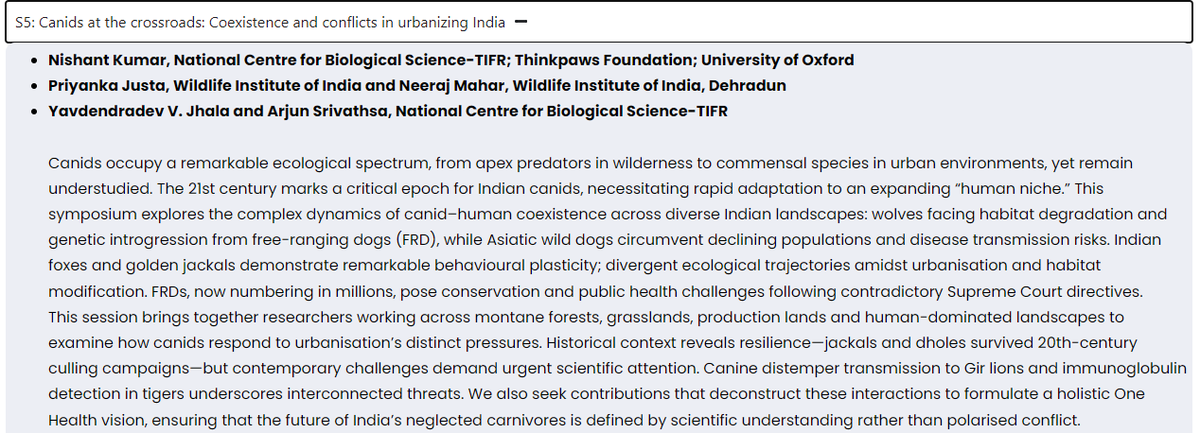
🦊 Submit your paper abstracts for Canids at the Crossroads🚨 (https://t.co/KQ8PKeF8PJ) – where wild meets urban, conflict meets coexistence. India’s canids are writing one of the most dramatic ecological stories of our time:
1) Wolves navigating genetic swamping and habitat loss
2) Dholes dodging disease in shrinking forests
3) Jackals & foxes thriving (or struggling) in farmlands
4) Millions of free-ranging dogs reshaping cities, public health, and One Health realities
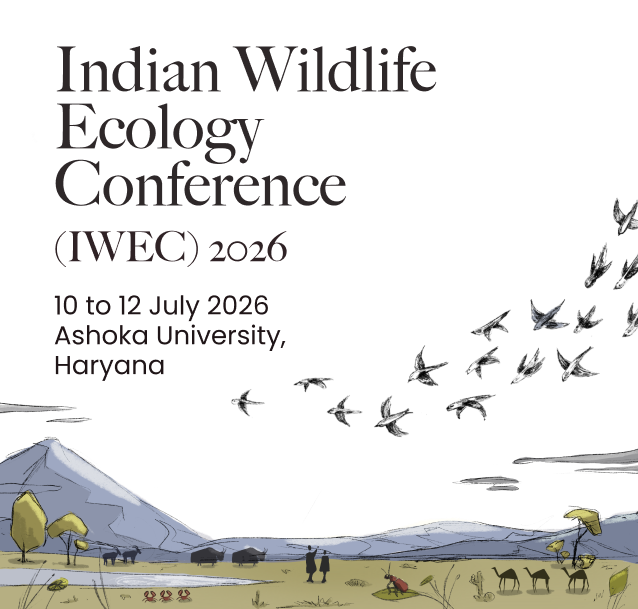
I’m thrilled to announce that Symposium #5: Canids at the Crossroads – Coexistence and Conflicts in Urbanizing India is now open for abstracts at the Indian Wildlife Ecology Conference (IWEC) 2026! Join @Priyanka Justa, Neeraj Mahar, @Yadvendradev Jhala, @Arjun Srivathsa and me at @AshokaUniv, Haryana (10–12 July 2026) to bring cutting-edge science, real-world solutions, and bold One Health thinking into the spotlight.
Whether you work on wolves in the Himalayas, street dogs in megacities, jackal behavioural plasticity, or disease transmission at the wild–domestic interface — this is your stage.
Deadline to submit your abstract: 31 March 2026 (just 10 days left!). Don’t miss the chance to shape the future narrative of India’s most adaptable carnivores.
Link (https://t.co/KQ8PKeF8PJ) / DM me for the abstract template. Let’s turn data into action, CreIndia Foundation @epiharish@abi_vanak@anyadoc@Abhadra7@kritcrit et al.
#IWEC2026 #CanidConservation #UrbanEcology #OneHealth
Hello #Bioacoustics folks in India planning to attend @iwec26 We have a symposium dedicated to work being done in India on Bioacoustics.
Do submit your abstract. Deadline 10th April 2026.
#SoundWayOfLife
🐦⬛🐘🦗🐺🎙️🐬
Collinearity and multicollinearity are often mistaken for the same issue, but they have distinct impacts on regression analysis. Understanding their differences is key to building stable and interpretable models.
Collinearity occurs when two predictor variables are highly correlated, making it difficult to determine their individual contributions to the response variable. This can lead to unstable coefficient estimates and reduced model reliability.
Multicollinearity extends this issue to three or more predictors. Even if two variables are not directly correlated, they may still exhibit multicollinearity if they share relationships with a third variable. This can inflate standard errors, distort p-values, and make it harder to interpret the model.
The image below shows a pair plot suggesting multicollinearity, displaying scatter plots and correlation values among predictor variables. Strong correlations (e.g., X1 with X2 and X3) indicate possible multicollinearity, which should be further analyzed using statistical tests. The plot was created using the GGally package in R.
🔹 In R, vif() from the car package computes the Variance Inflation Factor (VIF) to detect multicollinearity, while cor() identifies pairwise collinearity.
🔹 In Python, variance_inflation_factor() from statsmodels.stats.outliers_influence quantifies multicollinearity, and numpy.corrcoef() checks for pairwise correlations.
Looking to learn more? Check out my online course on Statistical Methods in R! Further details: https://t.co/7YQCRDKSPO
#rstudioglobal #StatisticalAnalysis #RStats #coding #Rpackage #datavis
🌿 Final opportunity!
⏳ Abstract submission deadline for #ATBC2026 has been extended to March 13, 2026.
Present your research, connect with a global community, and contribute to tropical biology & conservation.
🔗 More info:
https://t.co/LB8GLBytgy
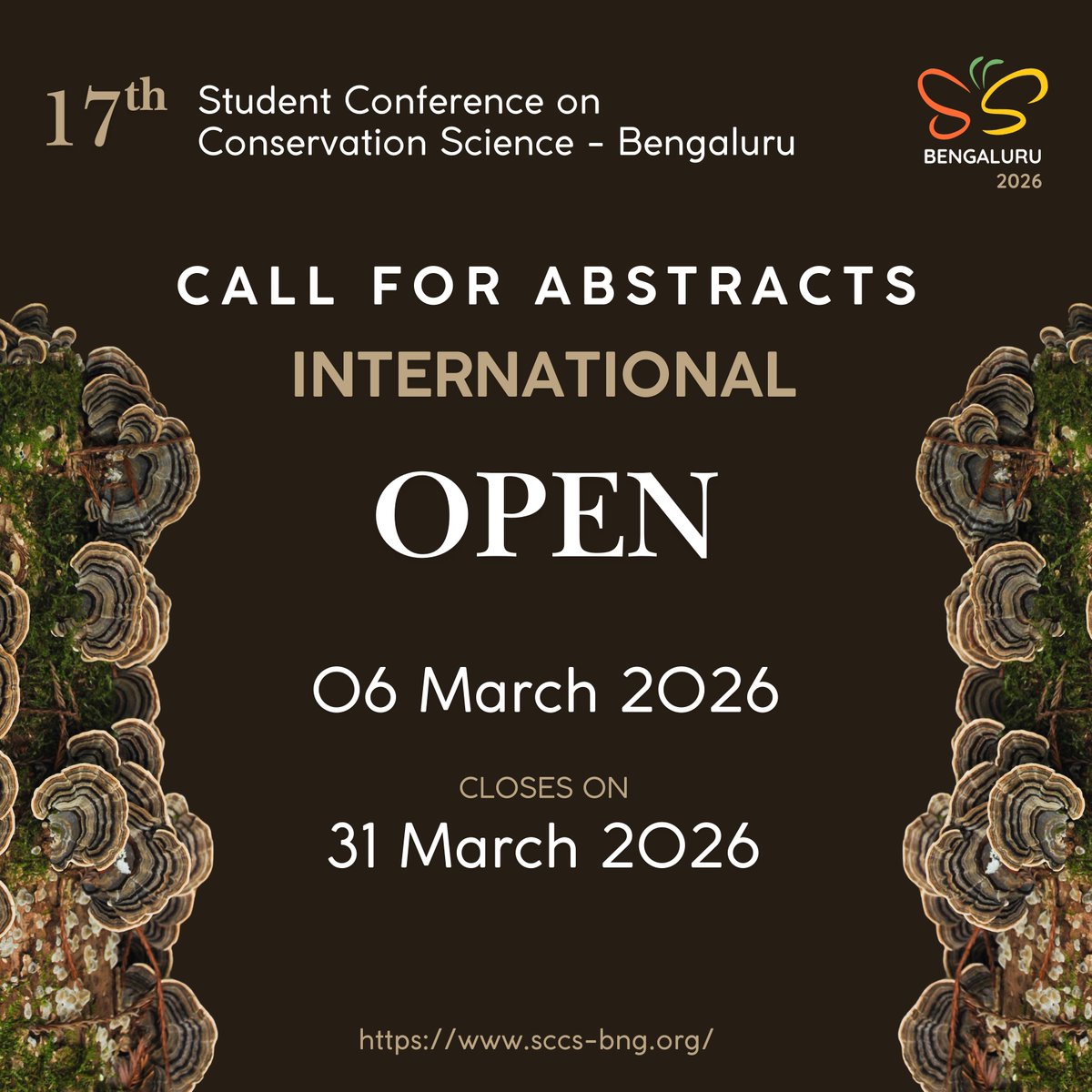
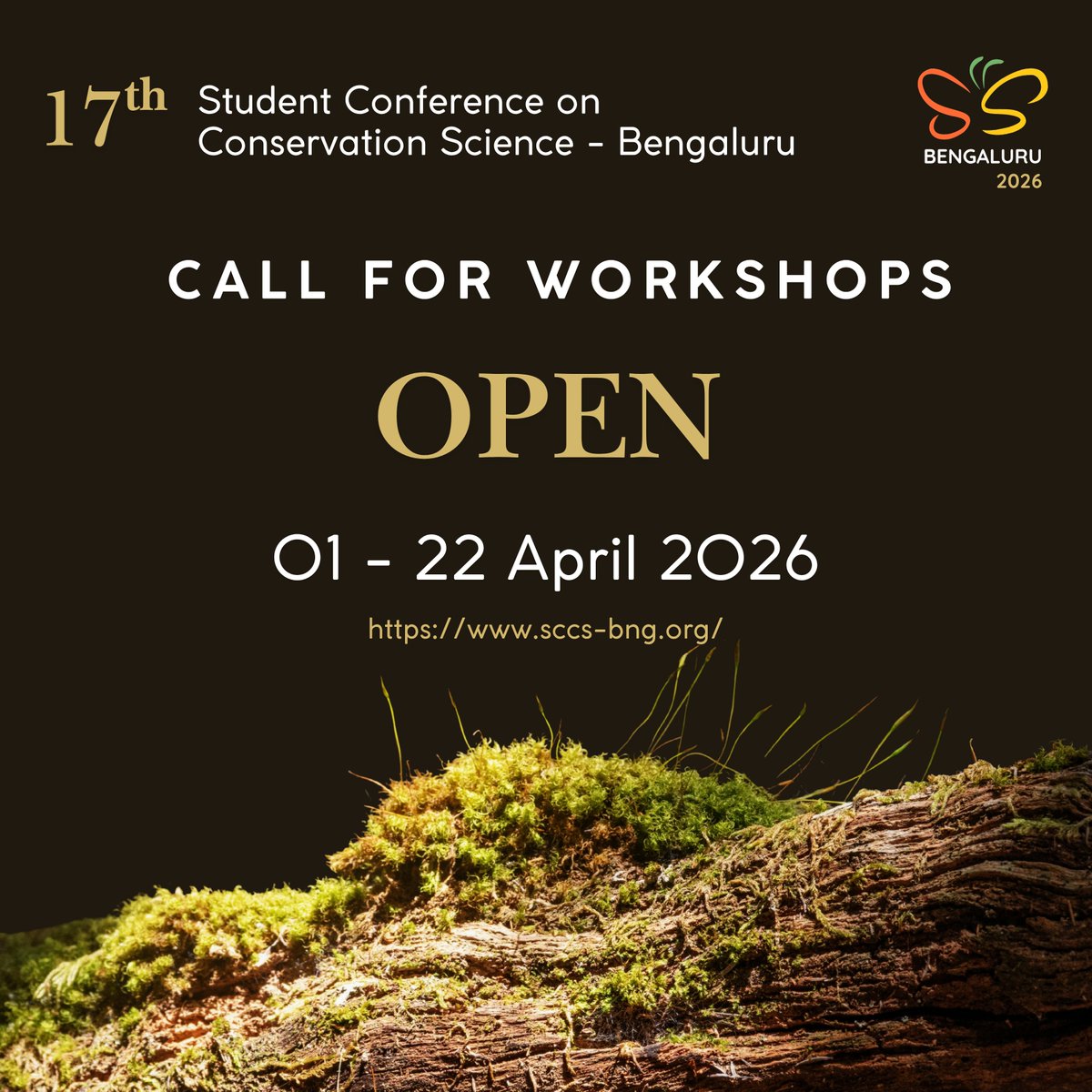
🚨 Call for Abstracts – SCCS Bengaluru 2026
Present your research and join a global community of conservation scientists.
🌍 International deadline: 31 Mar 2026
🇮🇳 Indian deadline: 29 May 2026
🔗 Submit: https://t.co/zj3nQMUiAc
📬 [email protected]#CallForAbstracts
India’s conservation story is often told through the recovery of the tiger. At the Anil Agarwal Dialogue 2026, wildlife biologist Qamar Qureshi acknowledged this achievement but pointed out that the country is entering a more complex phase
🖊️ @preetha___
https://t.co/P2eiCa7aKP
@gemsofbabus_ This is what happens when you priorities money over everything ! people are absolutely clueless about what they are being fed. It’s so shocking that we no longer have the access to clean raw materials as well. Pathetic
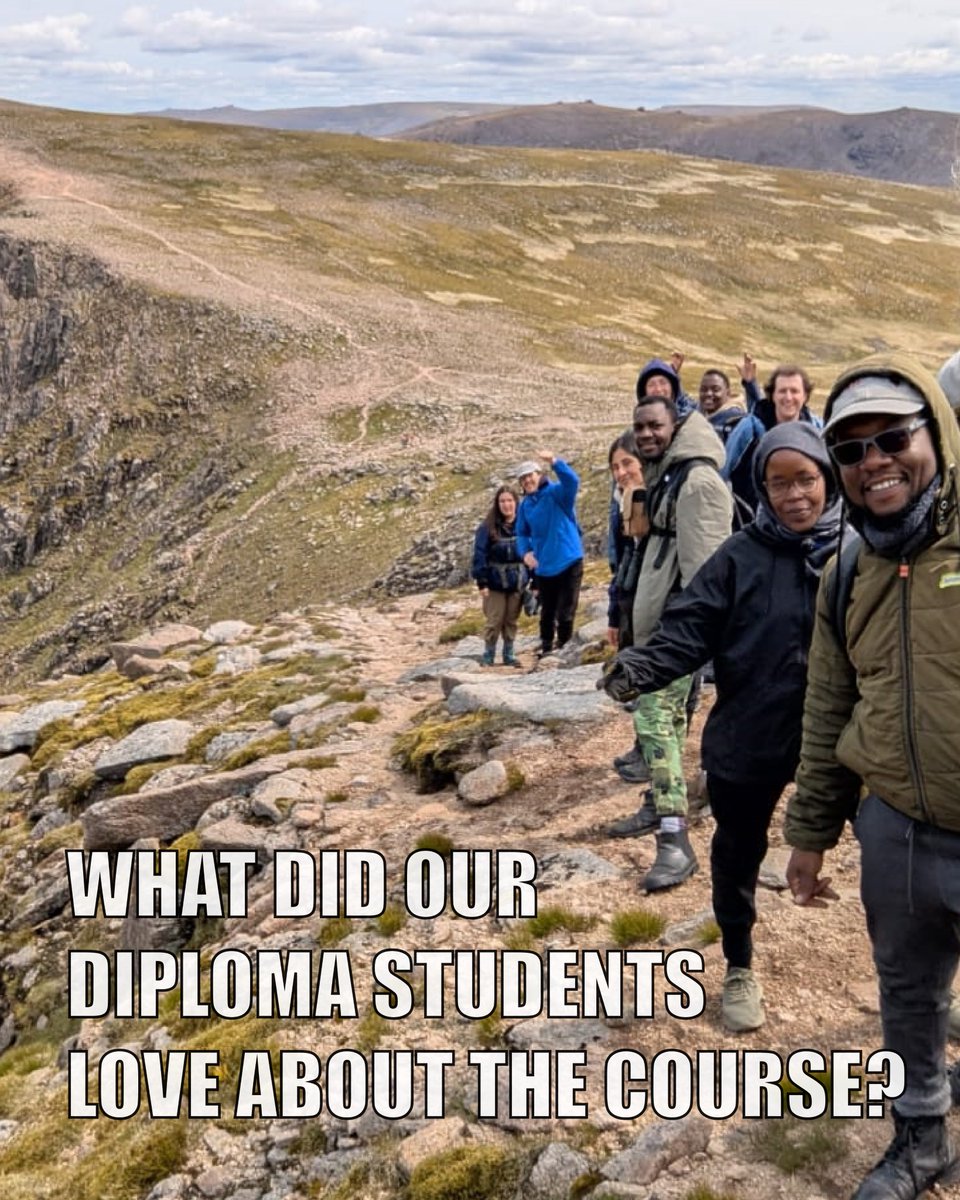
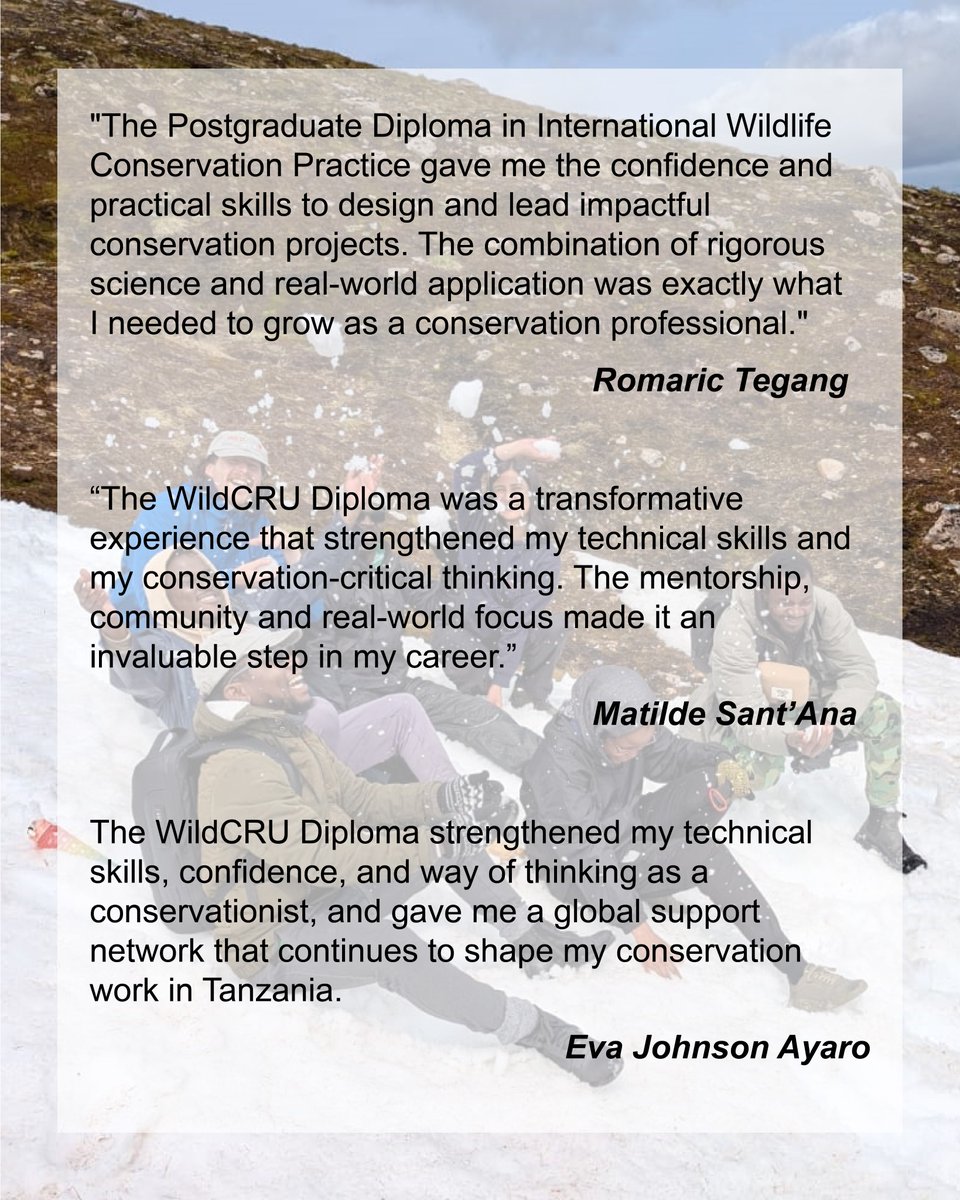
Our Postgraduate Diploma in Wildlife Conservation is still open for applications.
Find out more about the course 👉https://t.co/mj9hYLW1ZK
Application deadline: Tuesday 3rd March 2026
Please first share your CV with us at [email protected]
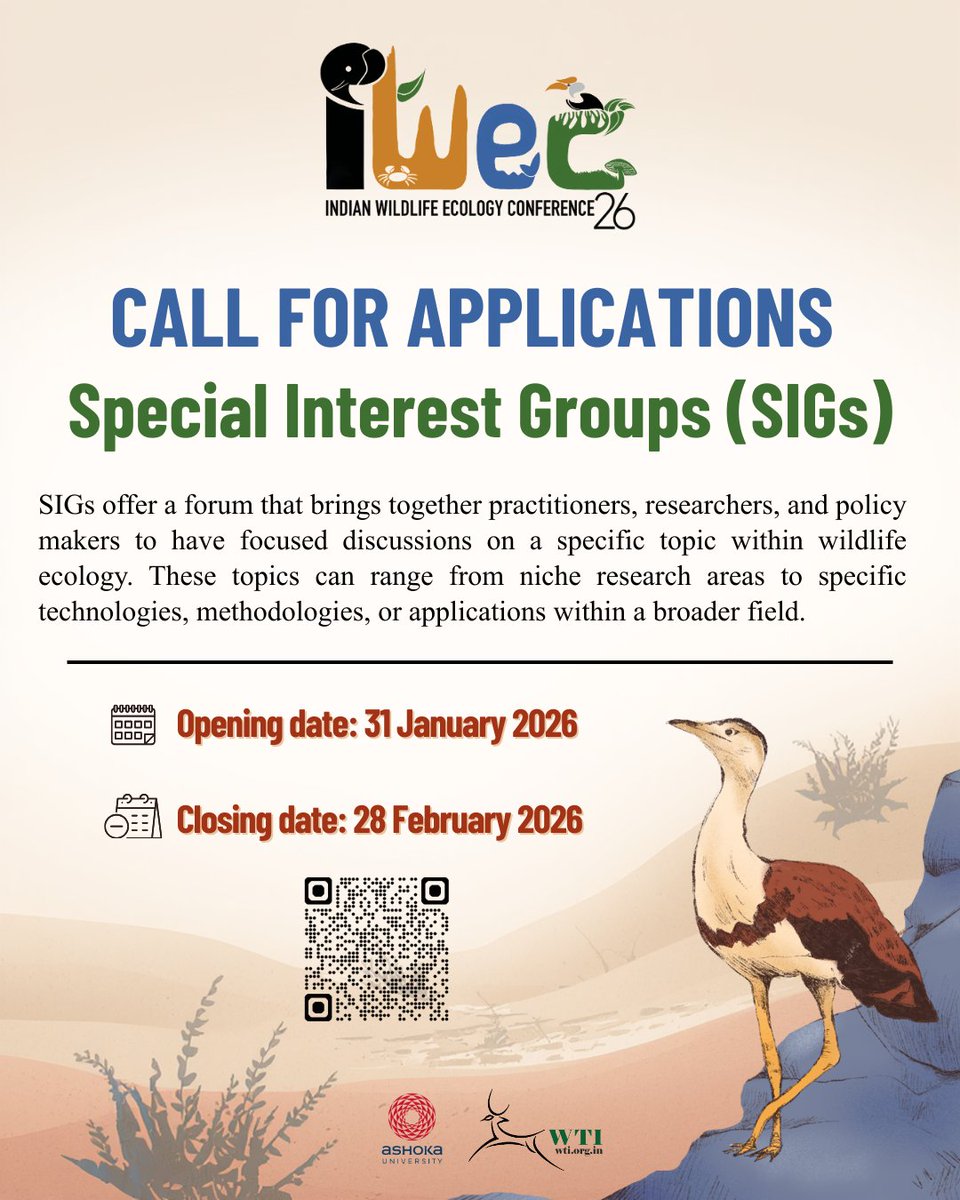
📢 Call for Special Interest Groups (SIGs) Proposals
IWEC 26 invites researchers, practitioners & policymakers to propose SIGs for focused, in-person discussions at #IWEC26.
⏰ Deadline: 28 Feb 2026
🔗 https://t.co/upCYx619qL
@AshokaUniv@wti_org_india@manvigsharma@Megs59801921
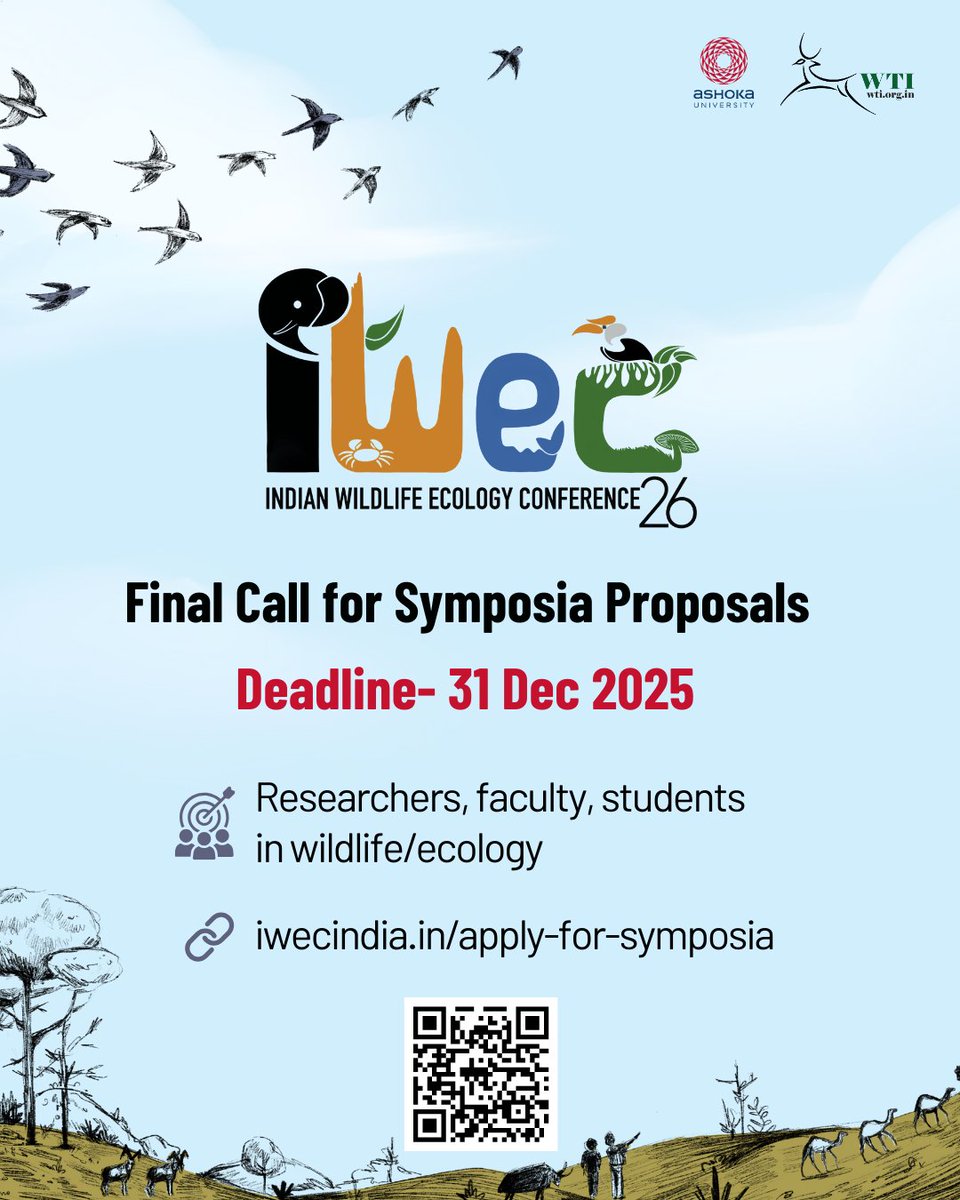
⏰Final call!
IWEC’26 is inviting Symposia Proposals from ecologists, researchers, faculty & students. @AshokaUniv@wti_org_india
📅 Deadline: 31 Dec 2025
🌿 Shape critical conversations in wildlife & ecology.
More: https://t.co/gFT49vgIgt
Apply now 👇
https://t.co/xdfmMXxbj7