Starting a new goal to go through every single ABSITE module! Take a look and let me know if i could do anything better!
#meded#onlinemeded#ABSITE
Colon and Rectal Trauma Explained | ABSITE + SCORE High-Yield Review (Di... https://t.co/fGj91sbktn via @YouTube
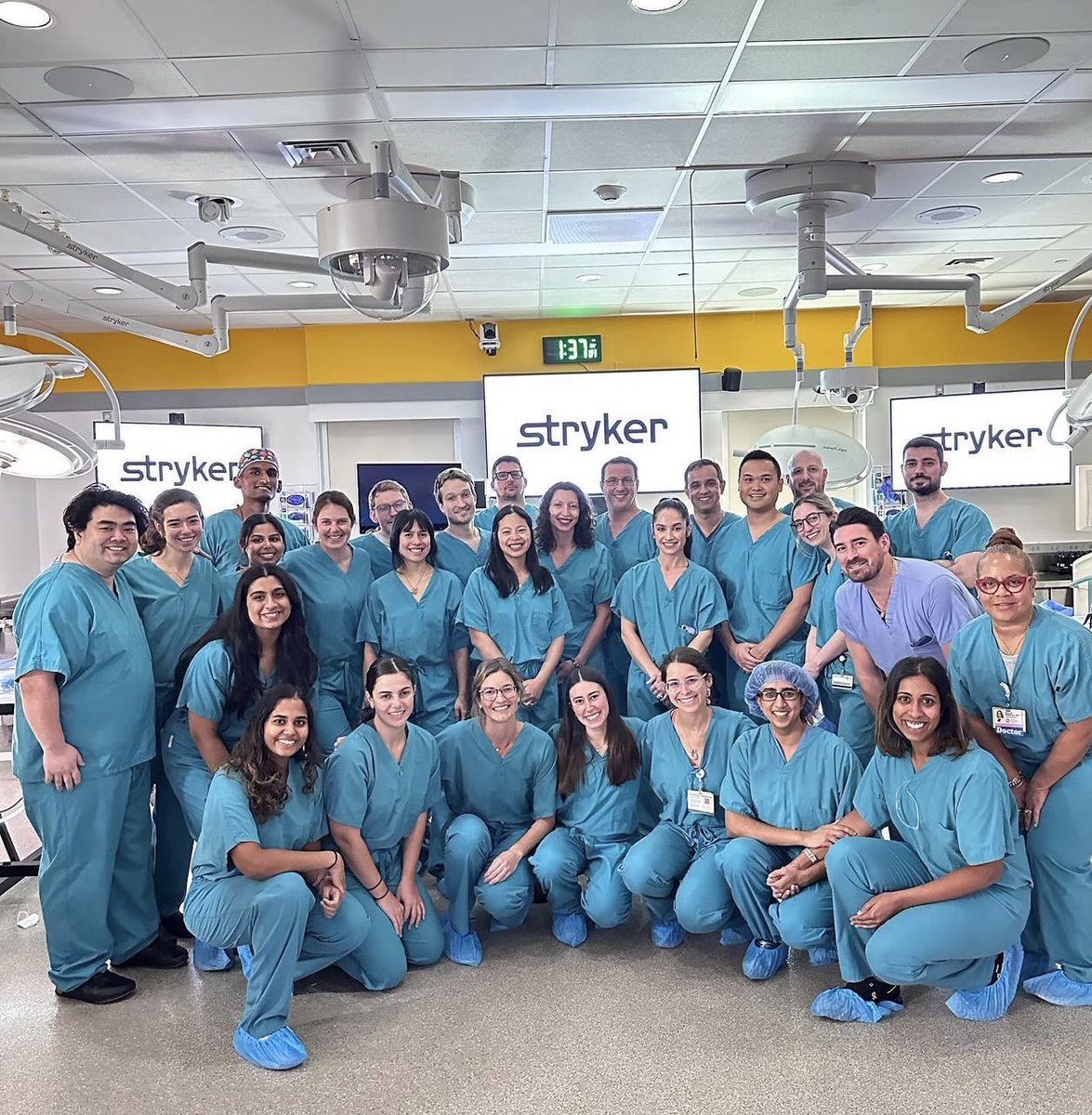
Three months into residency, starting to finally get a hang of things. Looking forward to my growth this first year! Cannot be happier with how much fulfillment i get from this career! #MedTwitter#surgery
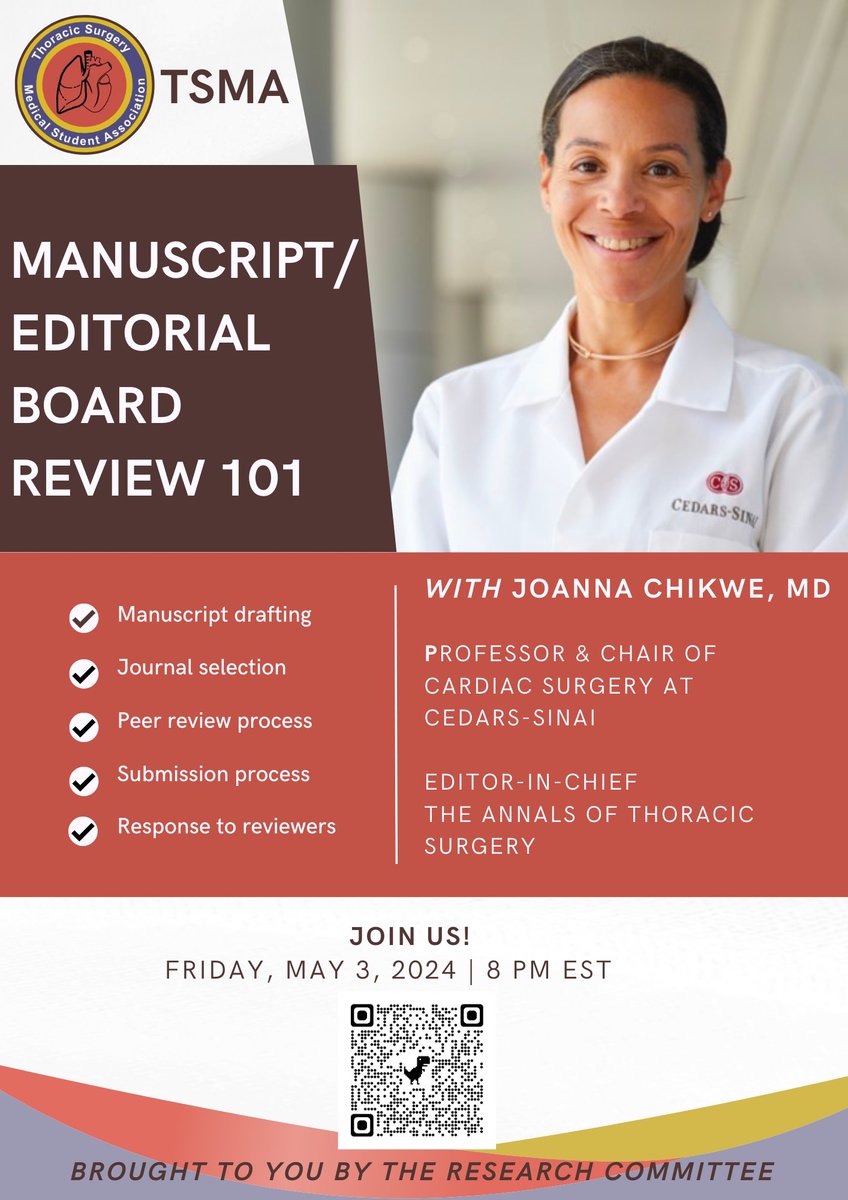
🚨📝EVENT ALERT! We are pleased to announce our #Manuscripts101 event with @JoChikweMD. Join us Friday, May 3, 2024 5PM PCT/8PM EST as we discuss tips for turning your amazing abstract into a full peer-reviewed manuscript!
Sign up here https://t.co/GuKQiydsIf!
@annalsthorsurg
Lower-extremity malperfusion syndrome in patients undergoing proximal aortic surgery for acute type A aortic dissection.
Read the JTCVS Open article by Hasan, Sultan, et al: https://t.co/0e3IyUbeJB
#ATAAD#JTCVS@AATSHQ@Irsa_Hasan@DSGMD@sarahyousefmd@IbrahimSultanMD
In 2013, a remarkable medical procedure was performed on Chinese factory worker Xie Wei, where his hand was temporarily attached to his left ankle to maintain its viability, utilizing the blood supply from his leg.
Although the hand was warm, it was numb due to the absence of connected nerves; only blood vessels were linked. Xie Wei observed that his leg felt mostly normal, albeit slightly heavier.
One month later, doctors successfully reattached the hand to his arm. Post-recovery, Xie Wei was able to rotate his wrist partially, but his fingers' movement was still limited.
He was informed by medical experts that it might take around six months for the nerves in his hand to completely heal.
Less than two weeks left to submit to #Aortic2024! Give yourself the opportunity to share your work in New York City with the leading healthcare professionals working with #aorticdisease. Submit your research by 12/11: https://t.co/PCchX9zjjv