Regulators must put a stop to this misleading practice because there is no safe level of alcohol – damage starts with the first drink.
Read more: https://t.co/v1fAz3Rfaj [2/2]
Alcohol companies are increasingly using sugar and carb claims on products targeting young Australians.
Our research shows such claims create a false perception that there are healthy alcohol choices.
[1/2]
The introduction of mandatory pregnancy health warnings in Australia was a tremendous accomplishment, after more than 20 years of advocacy by people living with FASD, their families, health groups and community orgs. You can read more on that here: https://t.co/lw8YRnyGz1
New research on Australian mandatory pregnancy health warnings on alcohol products found 63% of products display the warning, with few displaying the warning on front-of-packs (0.3%). Spirit and wine producers used the warnings the least (50% & 65%) https://t.co/AvbYqdHpiP
Great to be at the Aus Public Health Conference to learn about the innovative work happening in the country. Particularly good to see representation on the marketing and harm of alcohol products across Aus. Important research.
#austPH2024 @TazmanDavies Asad Yusoff
‘We know that dozens of additives are allowed in wine & even more … in beers & cocktails. As consumers we deserve to know which products have which additives so we can make informed choices about what to put in our bodies.’ -Eva Greenthal of @CSPI https://t.co/K68VfJYOx5
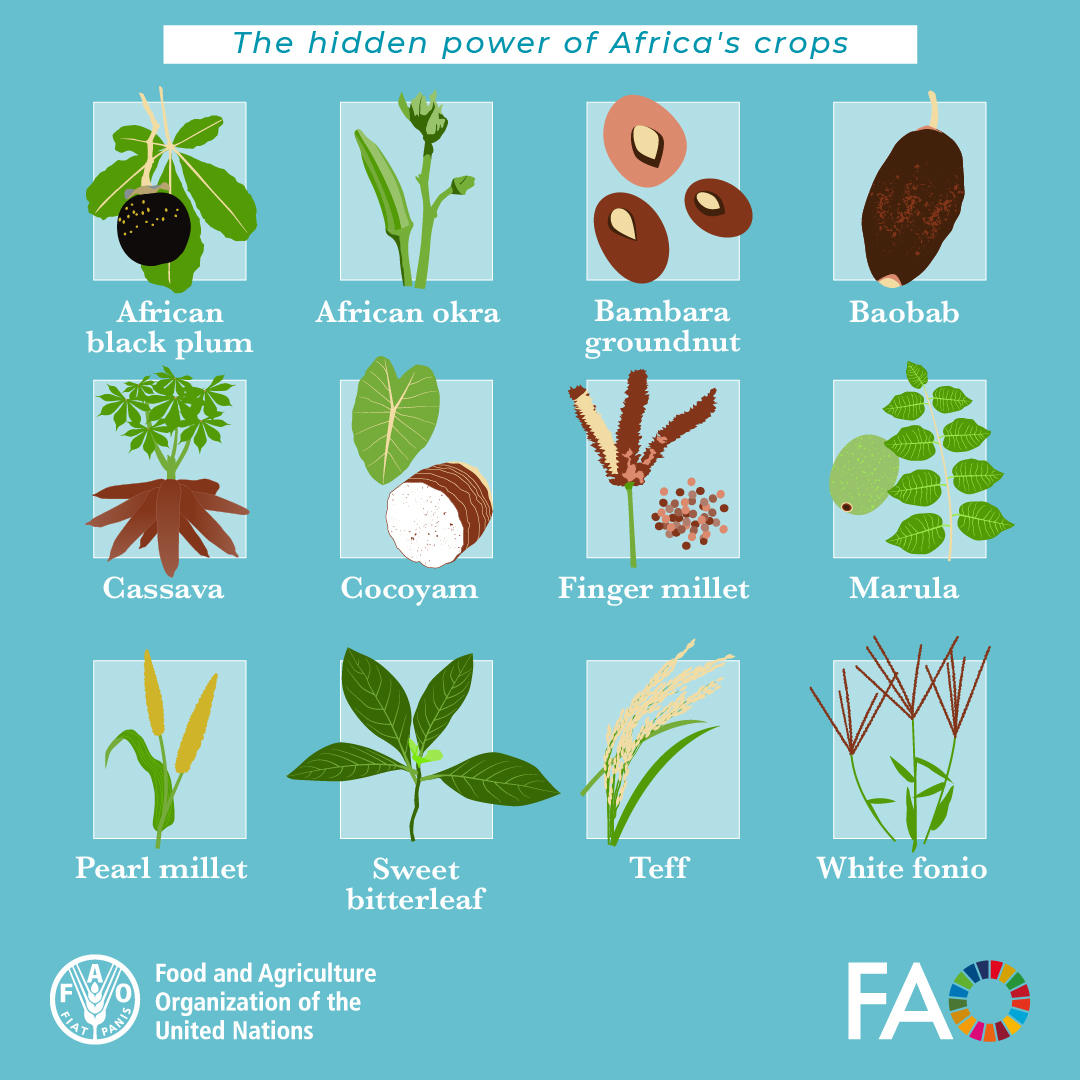
Africa hosts a wealth of native crops offering nutritional benefits and sustainability.
It's time to rediscover Africa's #ForgottenCrops and their potential to transform agrifood systems for a future with #FoodSecurity and #HealthyDiets for all!
👉https://t.co/ol7JPGXRr8
Great to be part of the discussion on baby and toddler foods with @daisyhcoyle today.
Government regulation is a must to protect against unhealthy products & misleading marketing.
@MonashNutrition@georgeinstitute@FHAllianceAU
Commercial foods for infants and toddlers fail to meet WHO requirements for nutrition, yet they can display health and nutrition claims on-pack. We must change this.
Great new paper by Elizabeth Dunford, Maree Scully & @daisyhcoyle@georgeinstitute
https://t.co/zp8pmWcIPi
📢 Mexico's new Law on Adequate and Sustainable Nutrition is a major step in global food policy. It combines NCD prevention with sustainability, making Mexico a leader in food system transformation. 🌍🍎 #FoodPolicy#Sustainability#PublicHealth
🔗https://t.co/VSuuQK1sOi
Four corporate products – tobacco, ultra-processed foods, fossil fuels and alcohol – cause 19 million deaths per year globally, or 34% of all deaths.
In the European Region alone, these industries are wholly or partly responsible for 2.7 million deaths per year.
https://t.co/kuIdg6uIXb
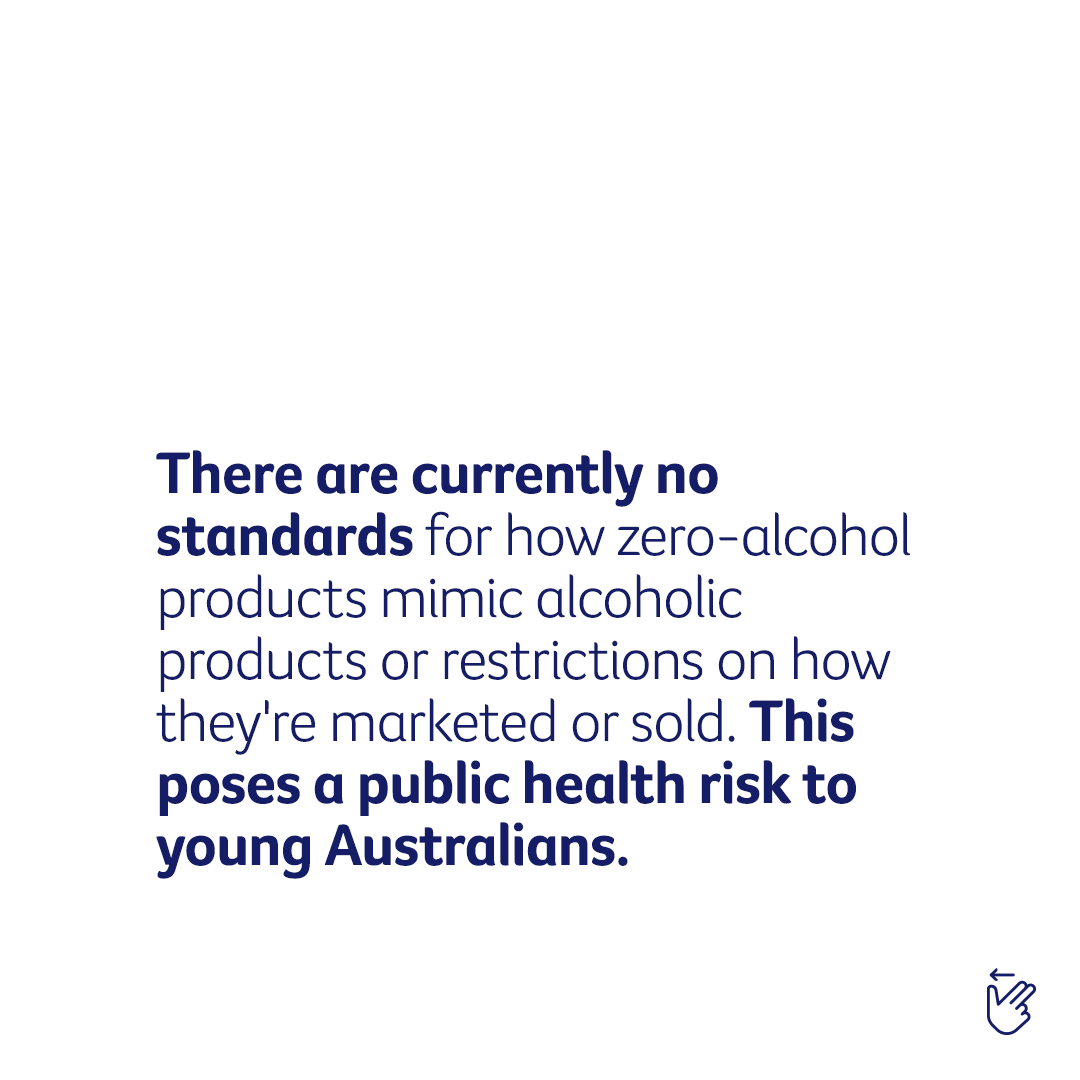
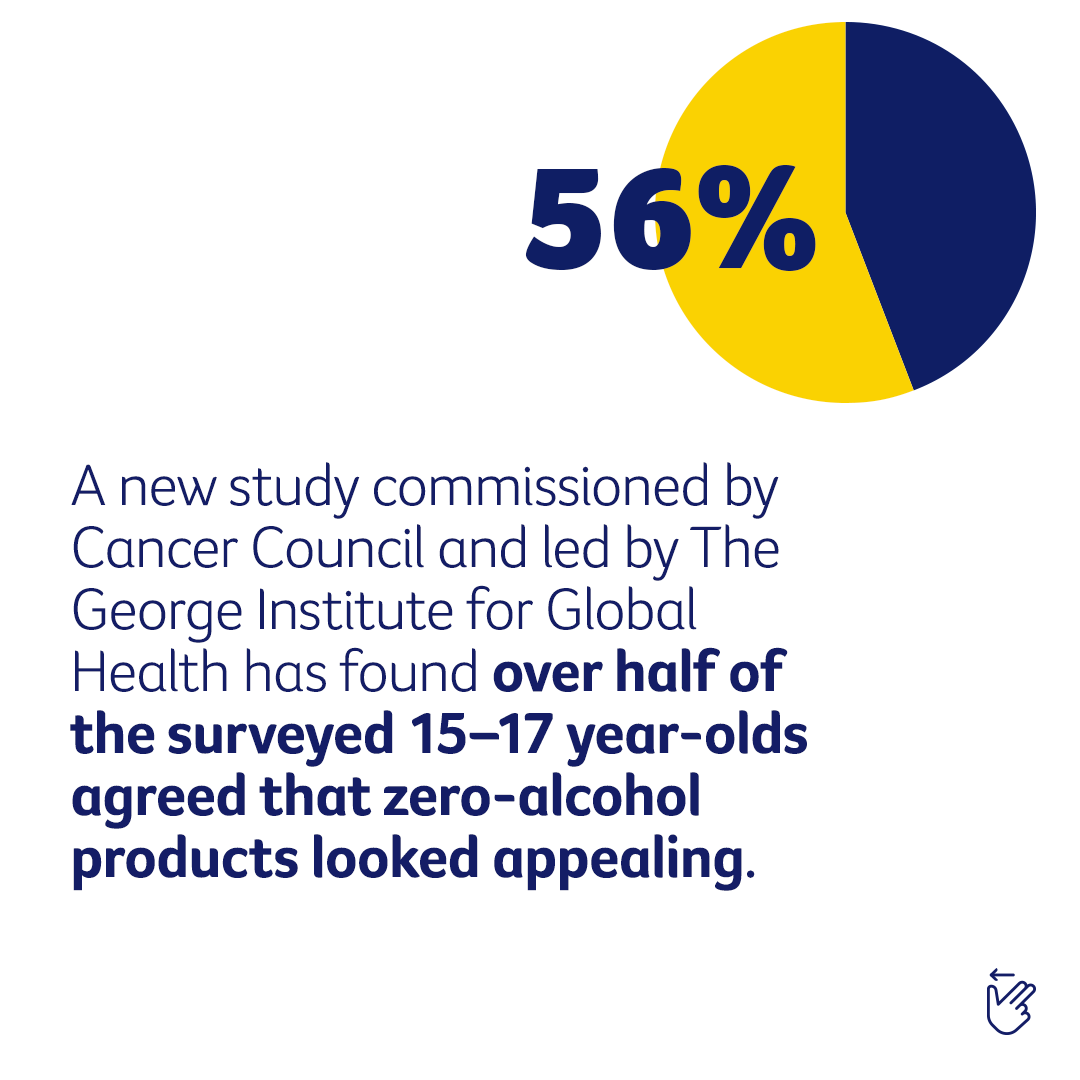
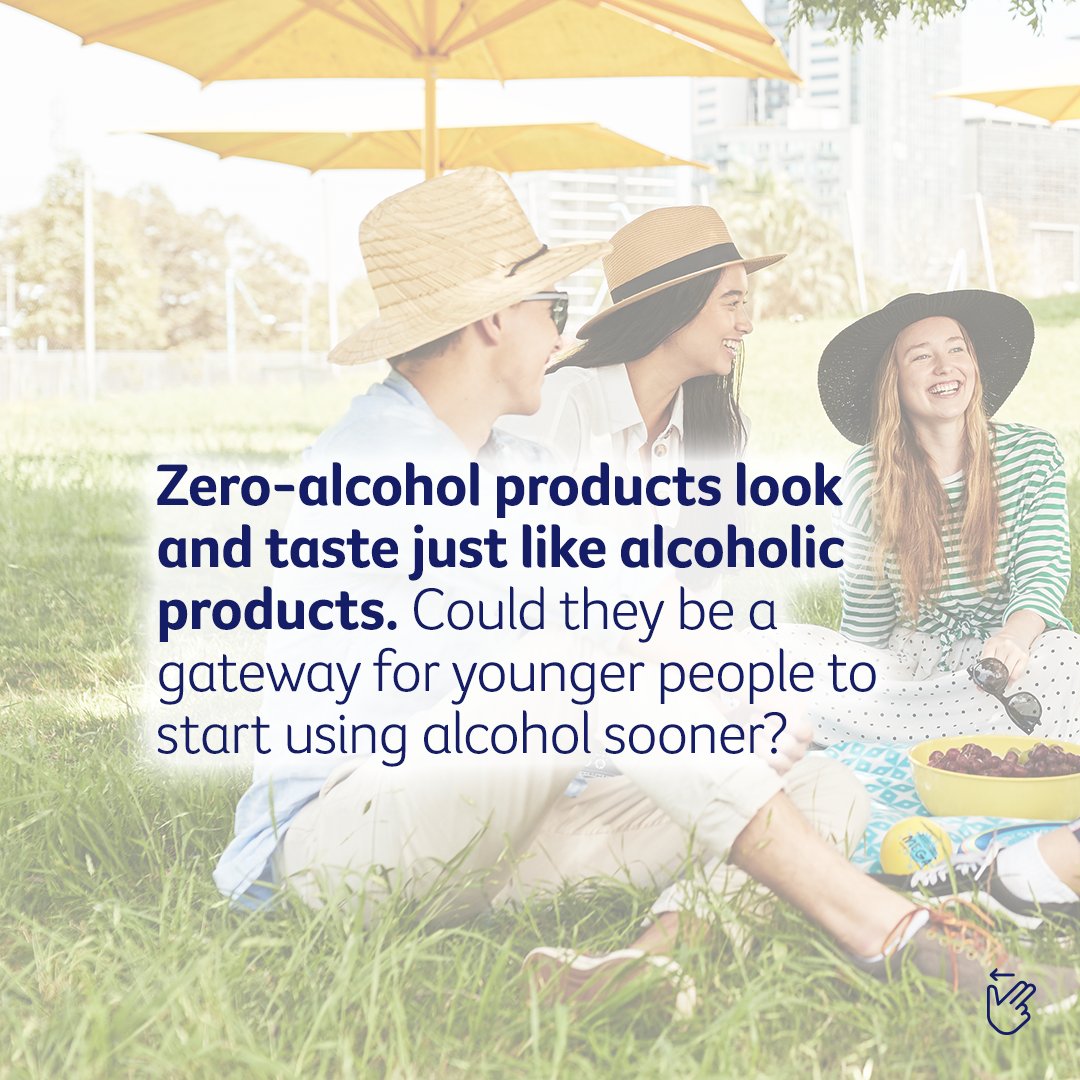
Could zero-alcohol products be a gateway into earlier alcohol use?
A new study by Cancer Council and @georgeinstitute shows zero-alcohol products appeal to 56% of 15-17-year-olds surveyed. We urge the Fed Govt to better regulate the marketing of alcoholic-branded products.
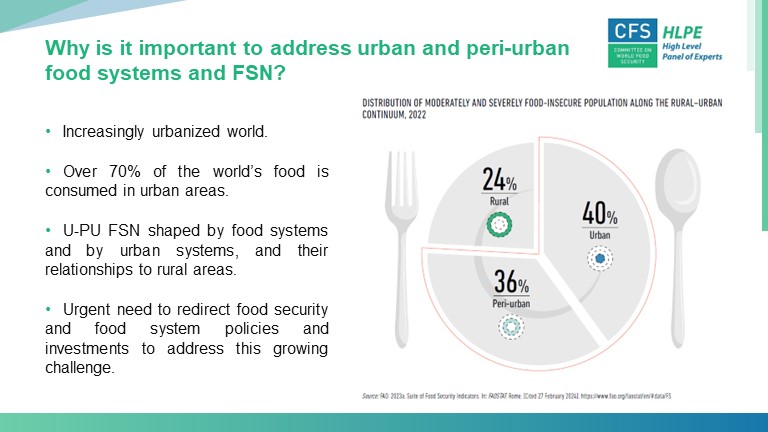
@ASuwaEisenmann 🧵Why is it important to address urban and peri-urban food systems and FSN?
🔴Jane Battersby, HLPE-FSN drafting team leader shows that over 3/4 of the world’s food insecure population are in urban and peri-urban regions
For those in Australia - you can use our ecoSwitch app to see the impact of your food choices. Check out this article by @SimonePettigrew and @alliegaines16 that summarizes the fantastic work https://t.co/Q9937dRJzH via @ConversationEDU
Our latest research on the alignment between Australian Dietary Guidelines and NOVA food classification for level of processing in packaged foods, found high synergy between the two systems, with 70% of products in agreement.
https://t.co/adqBwJOVc3
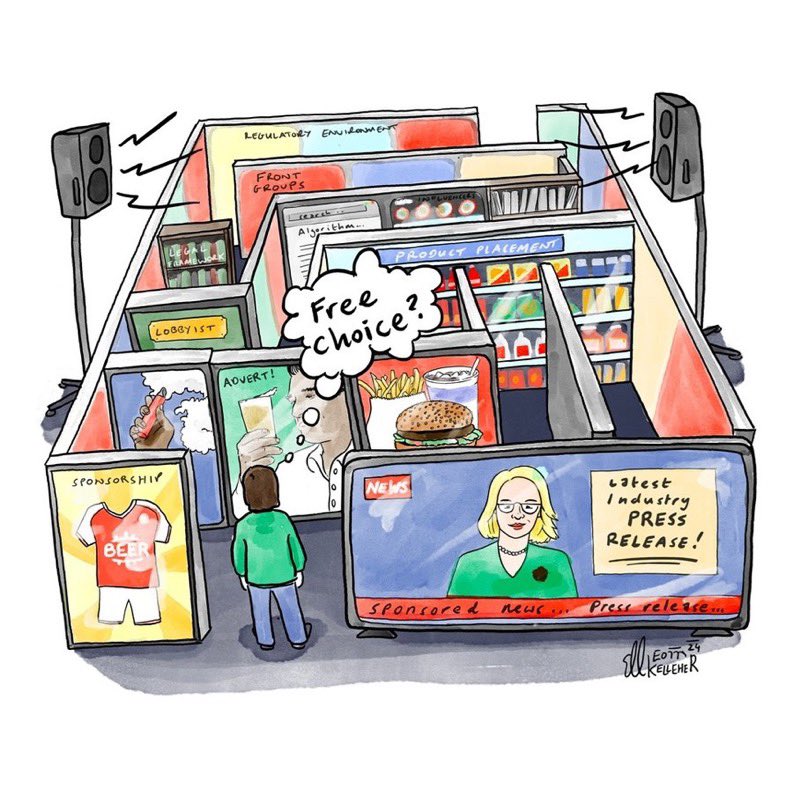
Hot off the press!📝 Our latest study, now published in @BMJ Nutrition Prevention & Health, delves into the crucial role of the #FoodEnvironment 🛒 in shaping dietary choices. Learn more: https://t.co/VDJ6FEcbHp
@j_mindell @DrLassale










![georgeinstitute's tweet photo. Alcohol companies are increasingly using sugar and carb claims on products targeting young Australians.
Our research shows such claims create a false perception that there are healthy alcohol choices.
[1/2] https://t.co/MoLOdo6bqC](https://pbs.twimg.com/media/GeBUgEKWEAEQxYv.jpg)