La exposición al #amianto es el principal factor de riesgo para el #mesothelioma. El objetivo principal @bermesproject es el desarrollo una nueva molécula con un mecanismo de acción disruptivo y que ha mostrado actividad farmacológica en este tumor difícil de tratar. #asbestos
A gut microbiome metabolite is strongly linked to increased risk of atrial fibrillation (AF), backed up in the experimental model, and represents a new potential target (including diet modification) for reducing/preventing AF! @jclinicalinvest
https://t.co/oewpKPjkE3
AI + RNA-seq meets drug repurposing.
Can public transcriptomic datasets automatically identify drugs that regulate disease genes?
A new bioRxiv study introduces SNACKKSS (Signature-based Networks from Automatically Curated Knockout, Knockdown, and Small-molecule Studies)—an end-to-end framework that automatically mines GEO metadata using fine-tuned BERT models, constructs perturbation signatures from RNA-seq experiments, and predicts gene regulators without manual curation.
Key findings:
• Built an automated NLP pipeline using BioBERT/BioMedBERT to curate GEO knockout, knockdown, and drug-treatment RNA-seq studies at scale.
• Generated consensus transcriptomic signatures from >300,000 human and mouse perturbation samples using ARCHS4, Recount3, and DEE2 datasets.
• Introduced DF1 (Differential F1), a computationally efficient signature-matching algorithm for comparing perturbation transcriptomes.
• Developed SA4, which combines transcriptomic signature matching with ARCHS4 co-expression networks, substantially improving identification of inhibitory drug–gene relationships.
• Ensemble models integrating literature mining (PubTator3, PARMESAN), co-expression, Connectivity Map, and SNACKKSS consistently outperformed individual predictors.
• At high-confidence thresholds (~95% precision), adding SA4 expanded inhibitor coverage by ~40 additional target genes, highlighting complementary value rather than replacing literature-based approaches.
• The authors also report an important reproducibility observation: identical BERT pipelines produced different outputs across CPU architectures, emphasizing that AI pipelines should be validated on multiple hardware platforms.
Rather than relying solely on curated knowledge graphs or manually annotated datasets, SNACKKSS demonstrates that automatically curated public RNA-seq perturbation data can become a scalable source of pharmacologic hypothesis generation, especially when integrated with complementary literature- and network-based predictors. The work provides both an openly available resource and a practical roadmap toward transcriptome-driven drug repurposing for Mendelian diseases and beyond.
#DrugRepurposing #RNAseq #Transcriptomics #Bioinformatics #AI #MachineLearning #DrugDiscovery #MendelianDisease #SystemsBiology #PrecisionMedicine #SNACKKSS
In @ScienceMagazine today
Blocking a prostaglandin receptor (EP2) can keep tissue resident macrophages clearing senescent white blood cells from aged organs, slow their aging
in experimental mouse model
https://t.co/LN573dqQDq
https://t.co/oRnAtX1g0t
Researchers in Science report the development of a general-purpose biomedical AI agent that can help automate biomedical research workflows.
The authors say their results point “toward a future in which AI agents work alongside human researchers to accelerate biomedical discovery from basic research to translation.”
Learn more: https://t.co/74K6dI5iNt
To get better protection against respiratory infections and transmission we need to achieve nasal immunity. A new @ImmunityCP review https://t.co/i1CPx5VTpH
Remix Therapeutics acaba de levantar 100M$ y fusionarse con Passage Bio tras mostrar datos positivos en ASCO 2026 con una molécula que degrada ARNm en tumores sin tratamiento aprobado.
#Ciencia#Oncología#InvestigaciónConPropósit
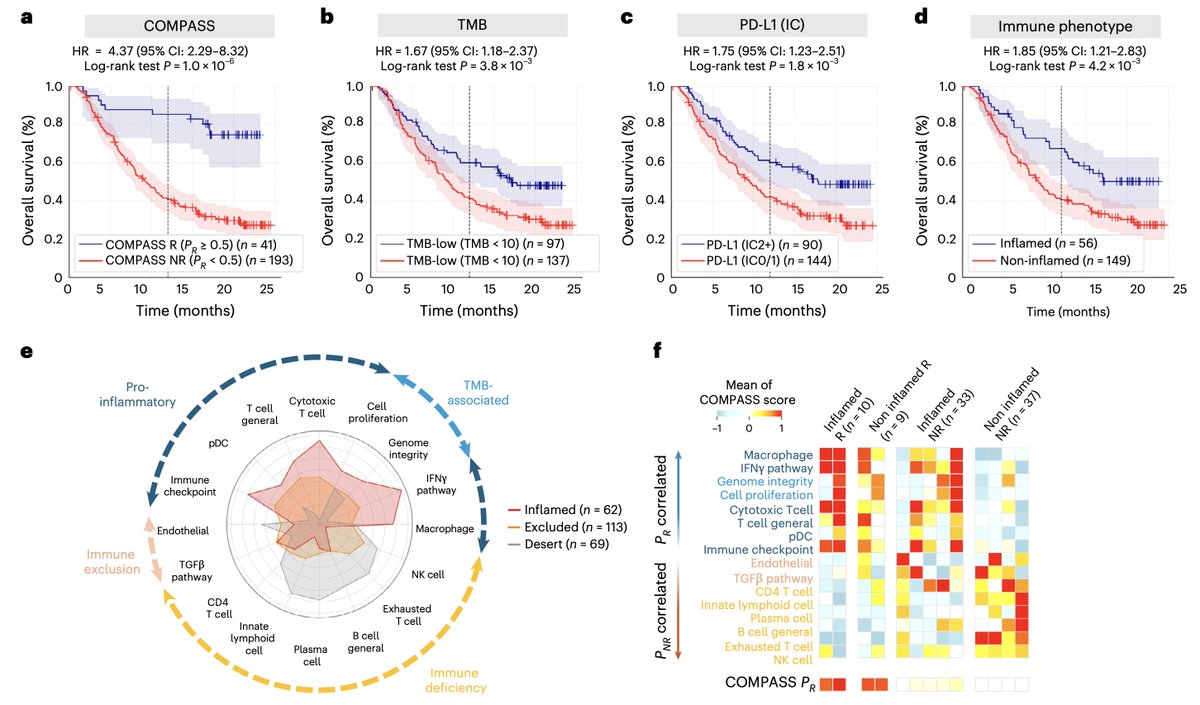
COMPASS: a new pan-cancer foundation model that predicts who will respond to immunotherapy from routine tumor RNA-seq.
Trained on 10,184 tumors across 33 cancers, it outperforms 22 methods across 16 clinical cohorts (7 cancers, 6 ICIs):
⭐️+8.5% accuracy
⭐️+15.7% AUPRC on average
It generalizes to unseen cancer types and treatments, and predicted responders show massive survival benefit (HR = 4.7).
The real magic? It uses 44 biologically grounded immune concepts + personalized response maps to reveal why patients respond or resist including TGFβ signaling, endothelial exclusion, CD4⁺ T cell dysfunction, and B cell deficiency even in “immune-inflamed” tumors.
https://t.co/TiXQPFglUH
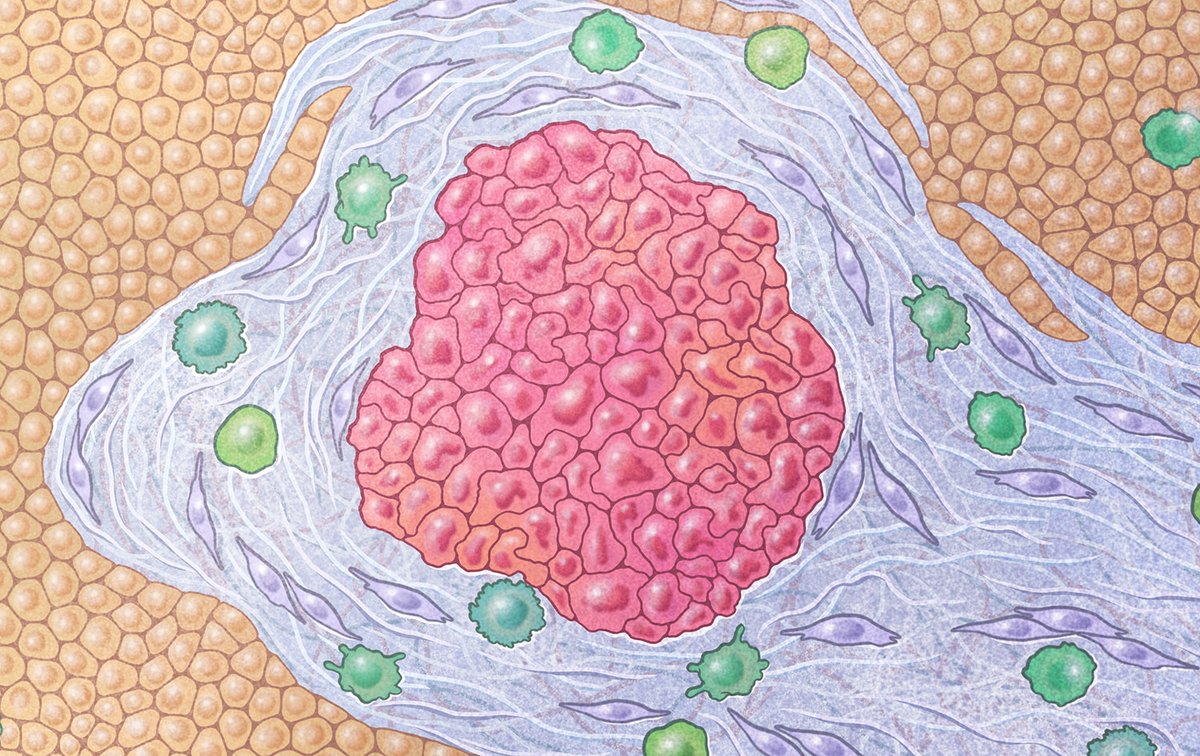
For treatment and outcomes for cancer, the tumor microenvironment (TME) is pivotal, but we've never had a non-invasive way to assess it. Until now, a blood test breakthrough! (<-a term I use sparingly)
Pictured below, schematically, the TME surrounds the cancer cells and consists of immune cells, blood vessel (endothelial) cells, fibroblasts and matrix
🧬 Nature Medicine | AI Immuno-oncology
Generalizable AI predicts immunotherapy outcomes across cancers and treatments
DOI: 10.1038/s41591-026-04502-7
Despite immune checkpoint inhibitors (ICIs) transforming cancer therapy, accurately predicting who will benefit remains a major challenge. This Nature Medicine study introduces COMPASS, a pan-cancer foundation AI model that predicts immunotherapy response directly from tumor transcriptomes while providing biologically interpretable mechanisms of response and resistance.
Key findings
🤖 A foundation model for immunotherapy
Pretrained on 10,184 tumors across 33 TCGA cancer types
Fine-tuned and validated using 1,133 patients from 16 independent clinical cohorts
Covers 7 cancer types and 6 immune checkpoint inhibitor regimens, including anti-PD-1, anti-PD-L1, anti-CTLA-4, and combination therapies.
🧠 Biology-first AI architecture
Rather than making predictions directly from gene expression, COMPASS compresses transcriptomes into 44 interpretable immune concepts, representing immune cell populations, stromal biology, tumor–immune interactions, and signaling pathways such as IFNγ and TGFβ. This provides mechanistic explanations alongside predictions.
📈 Outperforms existing biomarkers
Compared with 22 published biomarkers and machine-learning approaches, COMPASS improved:
Accuracy by 8.5%
AUPRC by 15.7%
while maintaining robust performance across different cancers, treatments, sequencing platforms, and cohort sizes.
🌍 Generalizes across cancers and drugs
The model successfully transferred to:
unseen cancer indications,
previously unseen checkpoint inhibitors,
combination immunotherapies,
and small clinical cohorts through parameter-efficient fine-tuning,
demonstrating strong cross-disease and cross-treatment generalization.
🔬 Reveals mechanisms of resistance
COMPASS identified biologically meaningful resistance programs, including:
TGFβ signaling
Endothelial-mediated immune exclusion
CD4⁺ T-cell dysfunction
B-cell deficiency
It also generates patient-specific response maps, linking individual gene-expression patterns to immune programs and predicted treatment response.
🏥 Better survival stratification
In the independent IMvigor210 urothelial cancer trial, patients predicted as responders by COMPASS experienced significantly longer overall survival (HR ≈ 4.7), outperforming conventional biomarkers including PD-L1 and tumor mutational burden (TMB).
Why it matters
COMPASS represents a shift from black-box prediction toward interpretable foundation models in precision oncology. By integrating transcriptomics with biologically grounded immune concepts, it enables more accurate patient stratification, supports biomarker discovery, and generates mechanistic hypotheses that could improve immunotherapy trial design and future combination strategies. The authors emphasize that COMPASS remains an exploratory research tool requiring prospective clinical validation before routine clinical use.
New @NatureMedicine paper: A pan-cancer foundation model predicts immunotherapy response and highlights the biology behind it
https://t.co/p27ERHIDew
@harvardmed news: https://t.co/A3OjmNGXJM
Roughly a quarter of patients with advanced cancer respond durably to immune checkpoint inhibitors. The rest endure toxicity and cost with little benefit, and existing tools, TMB, PD-L1 staining, remain unreliable across cancer types and drugs
COMPASS is a pan-cancer foundation model that predicts immunotherapy response from tumor transcriptomes and reveals the reasoning behind each prediction
@HarvardDBMI@harvardMed@Roche@Harvard@BroadInstitute @KempnerInstitute
Using AI to improve cancer immunotherapy outcomes, via training from transcriptomes of 10,000 tumor samples, 33 cancer types @NatureMedicine
https://t.co/Q6UfVQ6wMV
The biological age of individual cell types can be evaluated using plasma proteomics, revealing diverse aging profiles across more than 40 cell types and links between the accelerated aging of specific cell types and disease.
https://t.co/cYxEDin5kc
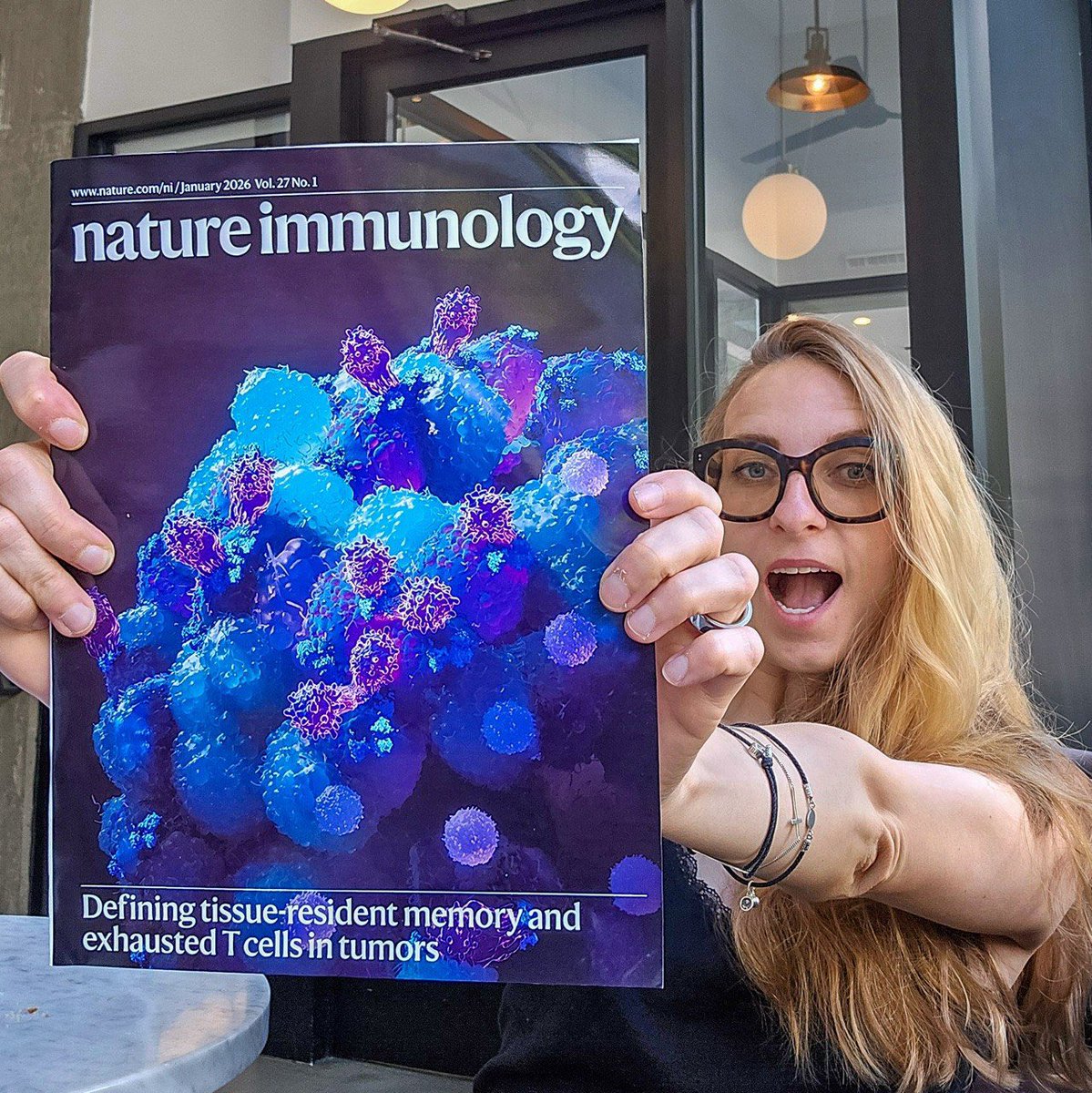
My cover is in Nature Immunology! Yeeey🔬✨
Two types of immune cells live inside tumors: they look alike but behave completely differently.
One stays alert and fights.
🚨The other gets worn out from constant stimulation and stops working.
This research finally told them apart, and showed why cancer therapy needs to target each one differently: https://t.co/jKWeUZbgby
So proud of this cover, and huge congratulations to @LMackayLab and @TheDohertyInst ! 💙