ICYMI: Over 800 million adults are now living with #diabetes worldwide with more than half not receiving treatment, global analysis suggests.
Explore the findings ▶️ https://t.co/5SQAegelsg
At our #HeartCafe session yesterday, Dr Pablo Perel, Dr Mark Miller, Dr Greg Roth and @binzhouzb explored initiatives that could support improved data collection and availability, including the #WorldHeartObservatory.
Learn more here: https://t.co/qWaD2pozDi
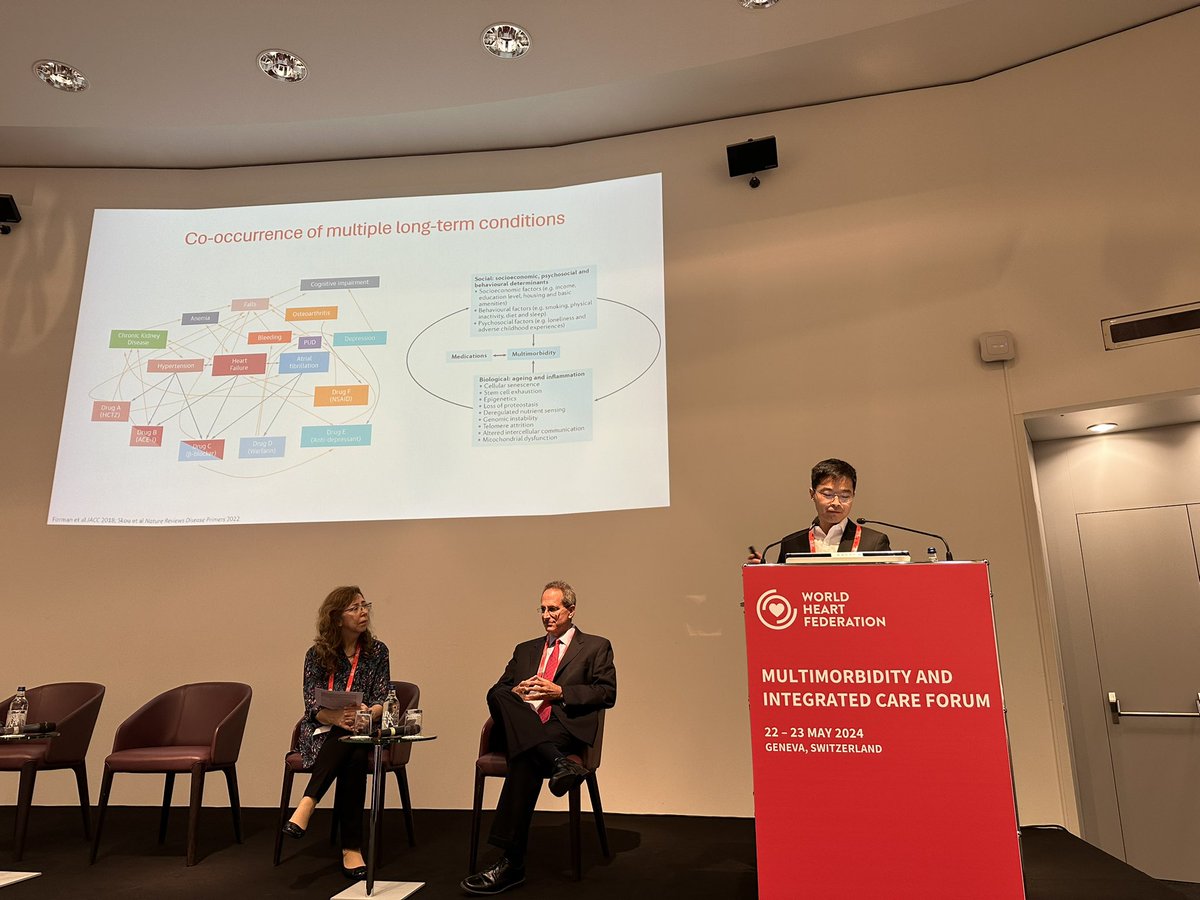
On 22-23 May, we hosted an inspiring group of global multistakeholder experts at the WHF Multimorbidity and Integrated Care Forum in #Geneva, where we explored strategies for integrating care across specialties with a patient-centered approach. Thank you everyone for joining us!
Productive day and half in Geneva working with colleagues around the globe at the World Heart Federation on multiple long term conditions. More work in front but it was a good start. Delighted to connect with all friends, old and new!
@worldheartfed@Imperial_Jameel@ImperialSPH
More than one billion people in the world are now living with obesity, global analysis suggests.
Find this and more in our latest issue: https://t.co/nJfpMnmjke
Our @ImperialSPH has a new home! 🏠💙
The new building opened today at #OurImperial White City Campus, and is a hive of flexible spaces where academics, collaborators, students and the local community can create ambitious ideas together ✨
Read more ⬇️
https://t.co/SgCpPu0U0h
New analysis led by the School of Public Health shows obesity rates have increased dramatically over the last three decades
https://t.co/IywTw8AuJz
https://t.co/IywTw8AuJz
One in eight people in the world is now living with obesity 🗺️
Research from #OurImperial@ImperialSPH has found that that the total number of children, adolescents and adults worldwide living with obesity has surpassed one billion
Read more 🧵👇
1 in 8 people are now living with #obesity.
@WHO is partnering with individuals, communities and governments to support healthy practices, and to create healthy environments in which access to prevention and treatment care is accessible, and the private sector is held accountable for the health impacts of their products. https://t.co/sBN8RjvgQK
Great work by the brilliant @nowell_phelps and team. Have a read! More data visualisations and data downloads available at our website: https://t.co/tXNrYJetsn. Also check out summary slides here: https://t.co/FcriQtMWfh
New report led by @ImperialSPH suggests total number of people #worldwide living with #obesity has surpassed one billion. ���
Full report in @TheLancet from senior author, Professor #MajidEzzati & co-lead author, Dr @binzhouzb 📊✍️
Details 👉https://t.co/00uyLXkTUJ
⏰ We're looking for our next cohort of Emerging Leaders!
Our Emerging Leaders Programme provides training and networking opportunities in cardiovascular health policy and implementation research.
Apply by 29 February: https://t.co/wJHRfNzGqg
The World Congress of Cardiology is BACK!
This time, we're joining forces with the 18th Oriental Congress of Cardiology to bring you the latest science in the field.
📅 27-30 June, Shanghai ��🇳
🚀 REGISTRATION & call for ABSTRACTS are now open: https://t.co/zYXcKy92QZ #WCCardio
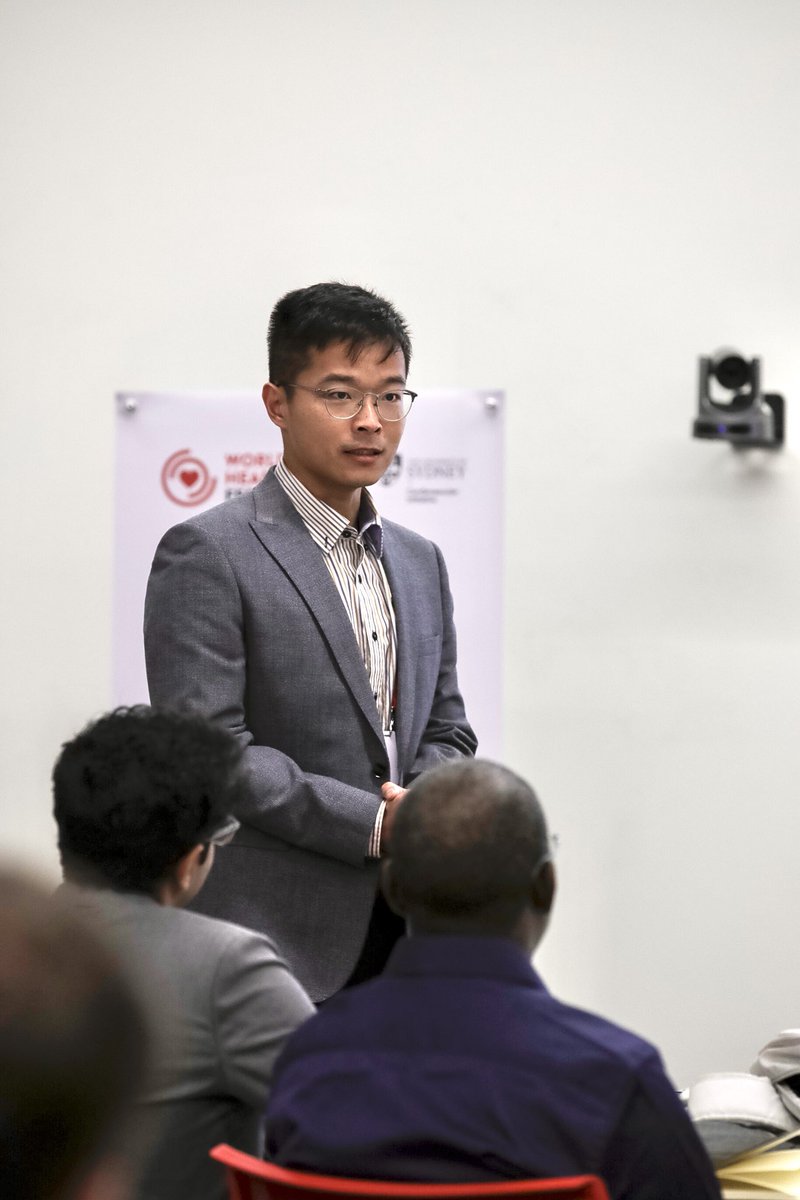
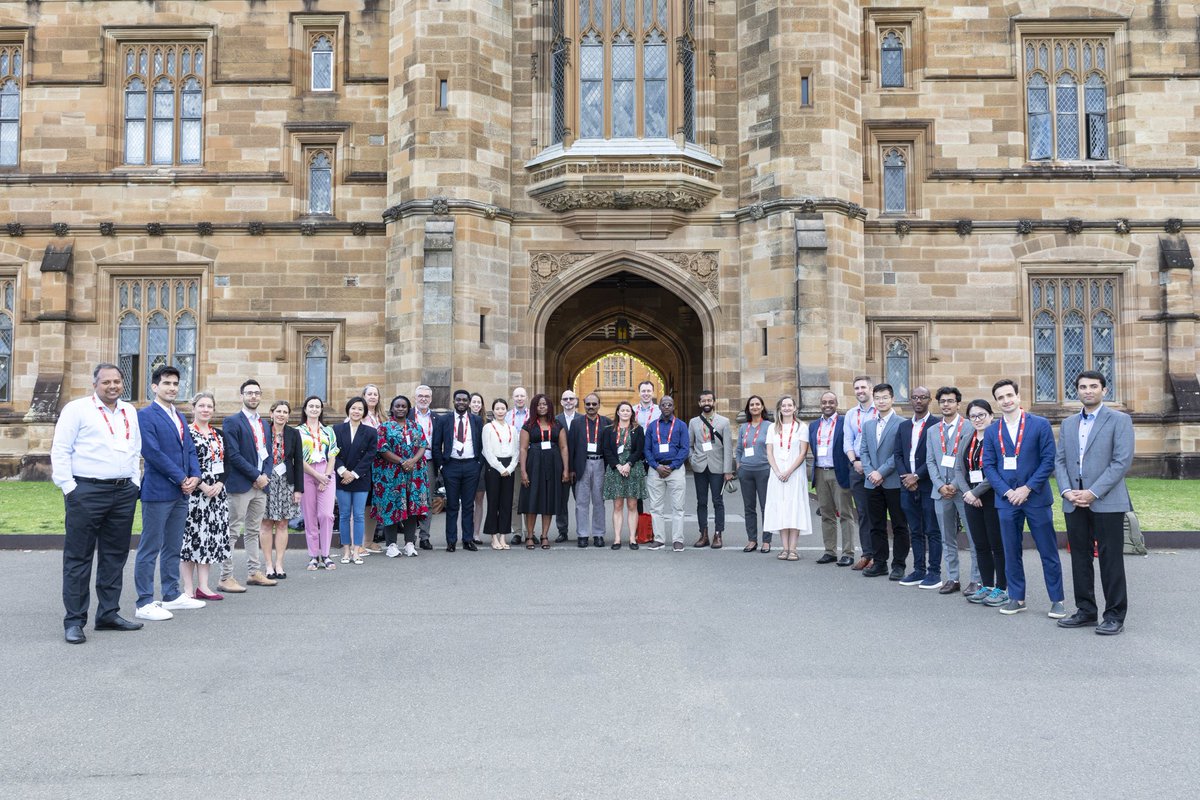
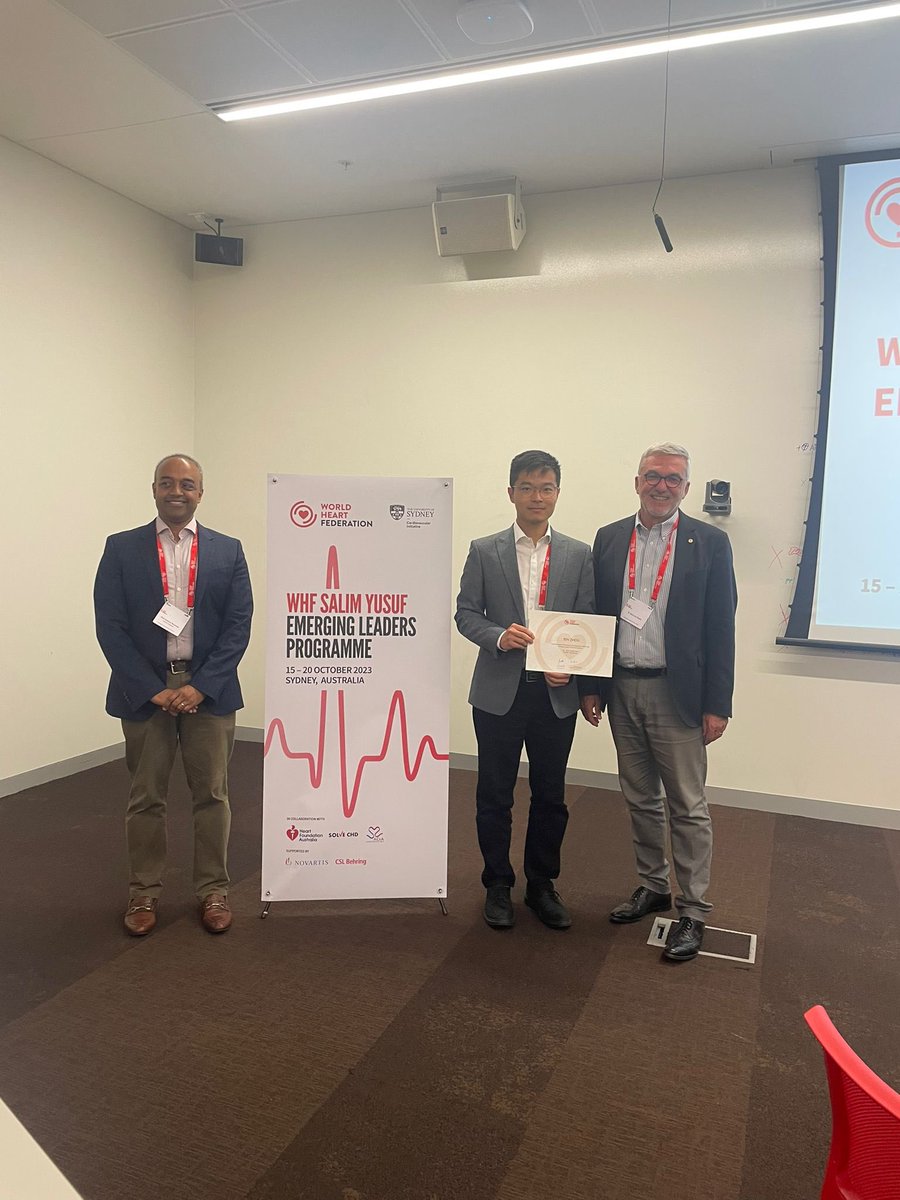
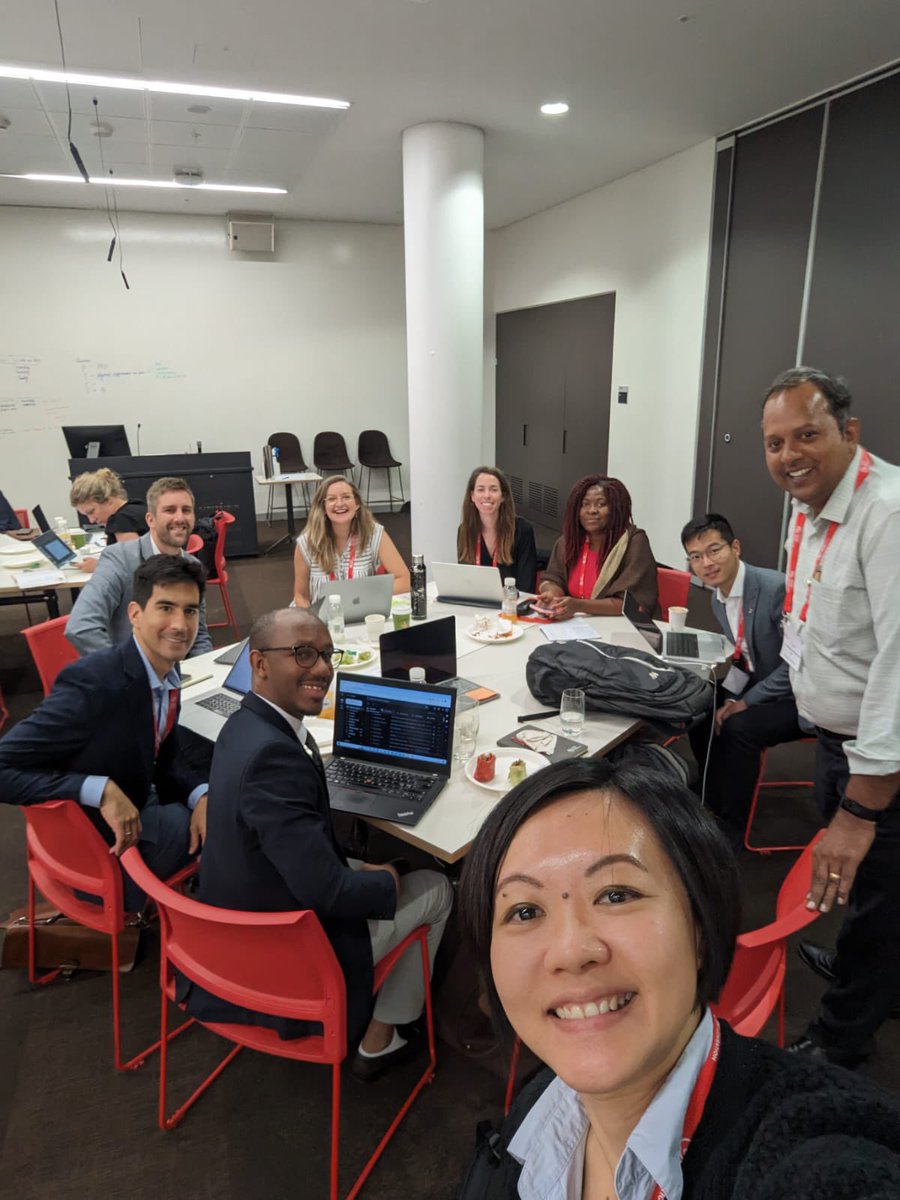
It was a great honour to join the @worldheartfed Emerging Leaders for an inspiring week in @Sydney_Uni. There is so much to learn and I am very pleased to share the experience with a group amazing people from around the world!
@Imperial_Jameel@ImperialSPH
It was a great honour to join the @worldheartfed Emerging Leaders for an inspiring week in @Sydney_Uni. There is so much to learn and I am very pleased to share the experience with a group amazing people from around the world!
@Imperial_Jameel@ImperialSPH
Big step forward for root cause analysis in real-world applications!
There’s a new method that will help identify the causes of a problem or event. It uses causal discovery, boosting trees together with TDA.
This is crucial to enable root cause analysis in tasks like the following:
• Fraud detection
• Drug discovery
• Customer behavior analysis
• Energy and sustainability
• Financial analysis and risk management
• Failure analysis in engineering systems
Topological data analysis (TDA), on the other hand, studies the topological properties of data sets. You can use TDA for clustering, classification, and anomaly detection.
The team @datarefiner developed a new approach to integrating causal discovery with TDA segmentation, and they are getting the best results from anything in the market right now. For the first time, there's a tool where users can choose clusters and get a focused causal dependency graph.
They use boosting trees to estimate causal effects in complex systems. They complement this approach with TDA by offering insights into potential causal pathways. With TDA, users can visualize and understand the relationship between variables.
Most open-source systems struggle with categorical parameters or values with different scales. This new approach doesn’t have those problems.
Look at the attached video to understand what you can do with this.
Here is a link to a post with all of the details. It contains three detailed examples that will drive the idea home:
https://t.co/cPH4h5bc29
Thanks to @datarefiner for sponsoring this post.
Our new specialization, AI for Good, teaches a framework for using AI when stakes are high and human lives may hang in the balance. @WWRob presents a practical framework for ML in socially important projects (and products of any kind), and illustrates it with real projects in improving climate change, disaster response, and public health.
AI for Good is designed to be useful whether or not you have coding experience. It does include Python code examples that you can execute and interact with to gain deeper insight into different applications.
Please check it out! https://t.co/qpwpdfUVOd