If you want to understand my work philosophy, read Ed Yong's advice page (I resonate a lot with it): https://t.co/jHby764jmE
"Above all else, work to the highest possible standard, always: Protect your work and your work will protect you."
Let’s stop asking this q. of Telehealth versus in person like it’s a binary choice. The best models will be all the things. In home, in clinic, by email, by phone, by video, in community - and flexible, depending on the patient.
For our 6th annual Digital Health Consumer Adoption Report, we partnered with @StanfordCDH to understand how the pandemic impacted use of digital health technologies. Check out the data & learn implications for innovators, enterprises & consumers alike. https://t.co/2gFxLhoKOZ
Health systems saying they're going to be the "Amazon of Healthcare" triggers me.
Amazon:
-Delivers lowest prices possible
-Optimizes consumer convenience
Health systems:
-Charge astronomical prices
-Poor consumer experience
This advice just makes me sad. I hope more of the emerging managers like myself can help kill this sad sad sad narrative that exacerbates issues for underrepresented funders
Never thought I would say this: despite the annoyance of dealing with health issues, I have slowly realized how meaningful it is to build a strong relationship with my primary care physician. It's nice to have someone who knows your medical history + cares about your well-being!
Healthcare navigation will not go away, see below. My take:
1) Patients have more autonomy than ever. Doctor as G*d is over.
2) Most HC decisions are not black/white, but risk/benefit
3) Less silver bullets and more behavioral therapeutics require ongoing coaching/support
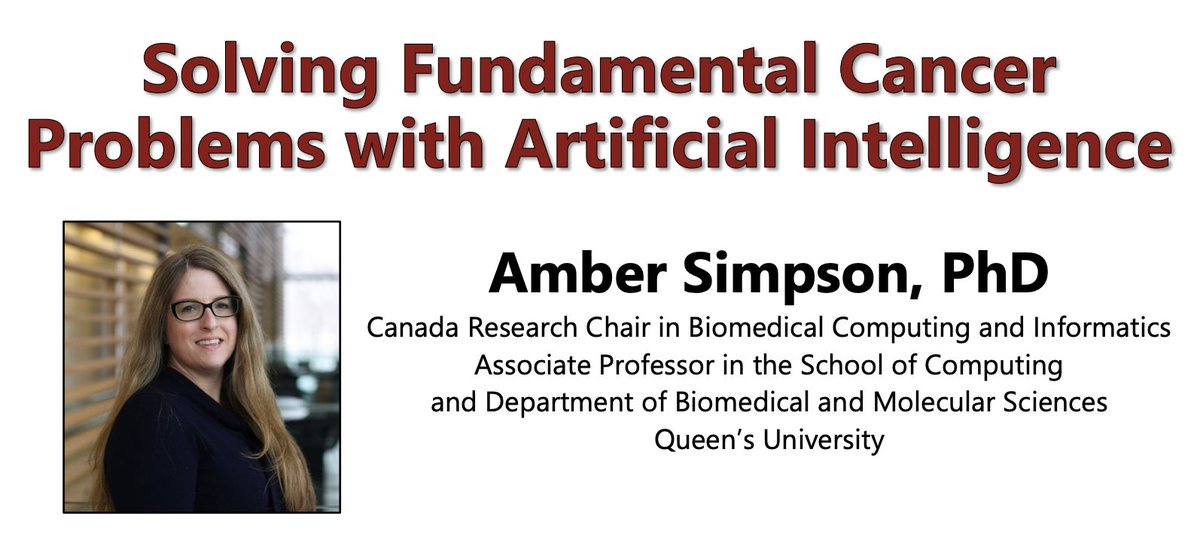
Tomorrow from 12-1 PT, Stanford AIMI and IBIIS are hosting a webinar on utilizing precision medicine through a "cancer digital twin"
More information: https://t.co/qr0jw1Wa6z
Join here: https://t.co/4Kzj5NtBZG
A common mistake a lot of product people (and people in general) make in healthtech is assuming technology can solve problems that are primarily caused by a lack of receiving healthcare
I turned 30 recently.
While far from old and wise, I have learned a few things along the way - on life, business, writing, investing, and growth.
Here are a few important lessons learned...
Stay tuned for a new episode next week featuring @chrissyfarr, Principal Investor and Health-Tech Lead at @OMERSVentures. Here's a quick preview of host @DonAntonuncci’s conversation with Christina as they discuss the differences between the U.S. healthcare system and the UK.
If you missed @pmarca & @bhorowitz on their Clubhouse show "One on One with A and Z" we have you covered.
Listen as they answer questions on tech trends, building companies and more: https://t.co/39YrVxXwWX
Love this from @LauraLenz: "This research is depressing...more so because we've been talking about this, and related issues, for more than a decade..."
Our door is open at @OMERSVentures.
Thx for highlighting @johnkoetsier!
https://t.co/MR3DUNiMgf
Exactly the kind of debate we need.
Not or, but and. How and when we use telehealth and virtual care modalities is more important to understand than whether we use them.
It's been fascinating diving into the intersection b/w real estate and health-tech. One thing I learned is that developers are starting to buy up malls & outfit them w/ primary care offices, indie living facilities, gyms, shops & restaurants.
https://t.co/4F3A1Orkq4