In our next Digital Twin Showcase blog we discuss how Digital Twin stakeholders can look to develop a set of clear principles, aimed at ensuring Digital Twins maintain a clear purpose, are trustworthy, and function effectively. Read more here: https://t.co/pZE4W6Q83z
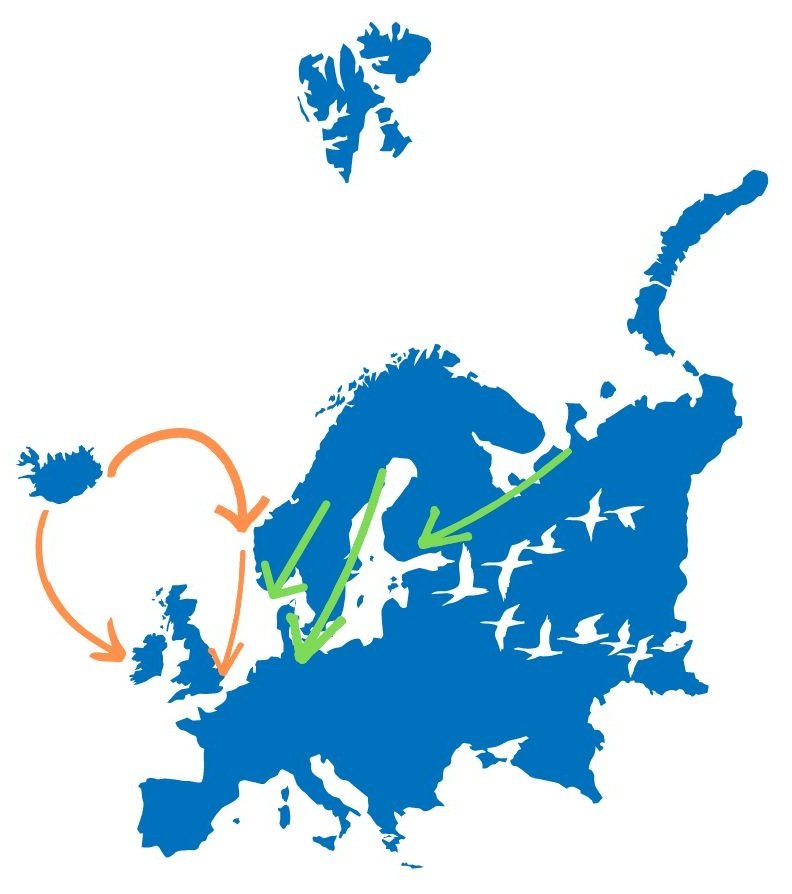
Population delineation based on sound knowledge of movements, distribution & numbers involved of where two populations of the same species may occur is important in population monitoring schemes. Two populations of Whooper Swan occur in Europe 2/8
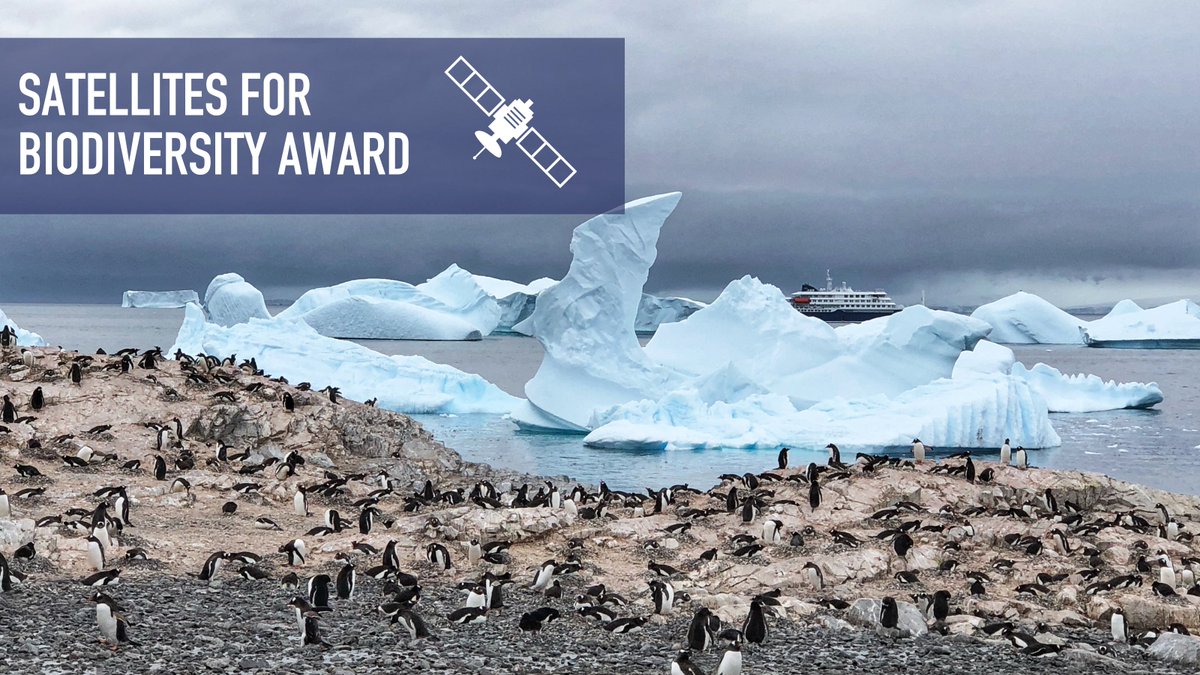
Satellites for Biodiversity - could your #biodiversity project use $5000 of high resolution imagery - tasked to your requirements - from space?! Perhaps habitat #mapping, colony #monitoring, #migration routes..?🐧🛰️
Apply here 👇
Are you looking to use 30cm or 50cm high-resolution #satellite imagery for biodiversity conservation?🛰️
Apply for our new Satellites for Biodiversity Award! We've teamed up with
@AirbusFdn to award $5,000 & access to
@AirbusSpace Pléiades & PNEO🌎
https://t.co/WLNfvHVtWy
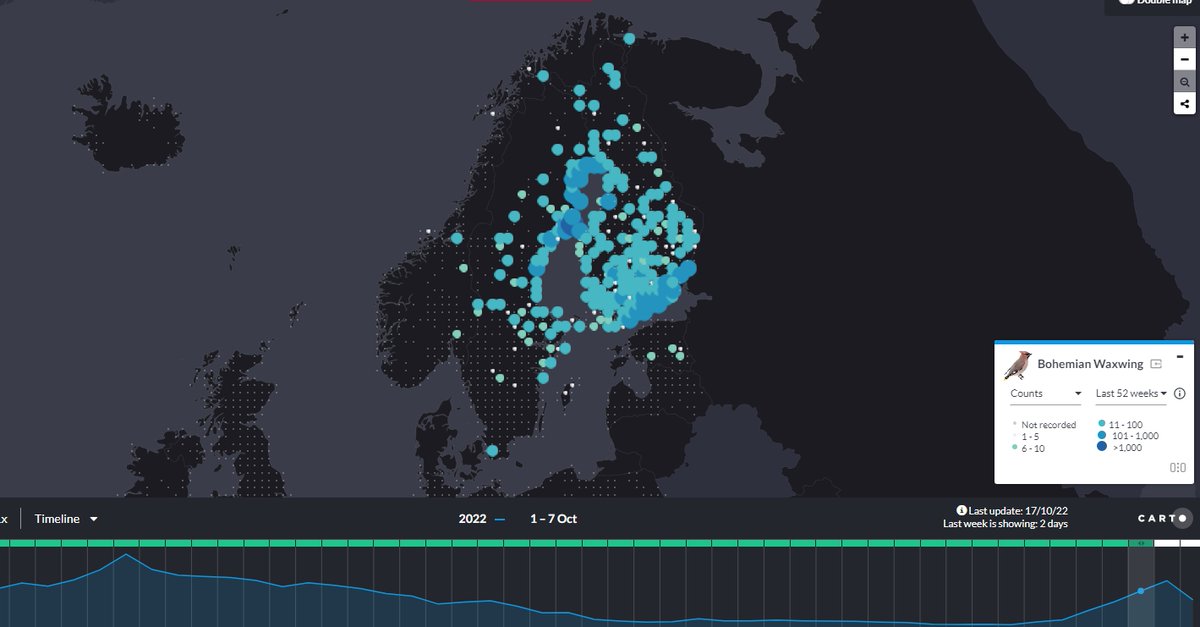
Waxwings are still moving south and west. Check out @EuroBirdPortal for the latest maps. Here 1-7 Oct (left) and 8-14 Oct (right) show how they have moved into southern Sweden
https://t.co/TkCT6YC8Qi
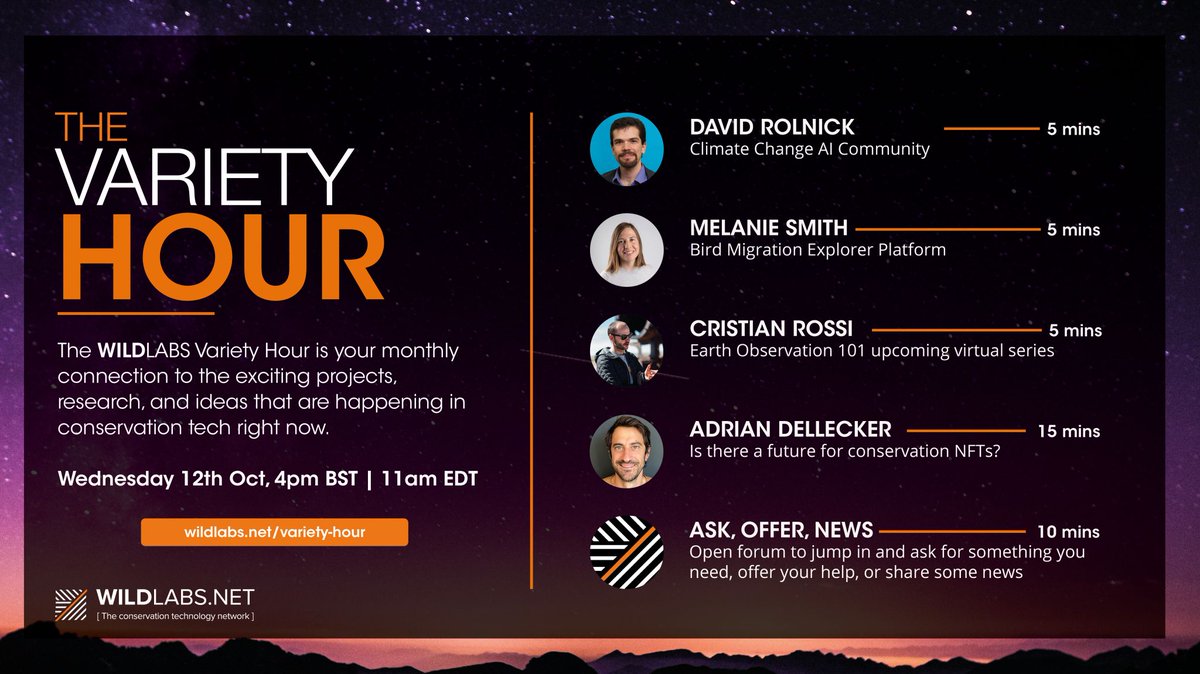
Come along on 12 October at 4 PM BST for this month's WILDLABS Variety Hour! Connect with our community, chat with #tech4wildlife experts, and learn about the latest tools and news happening in conservation tech!
RSVP here:
https://t.co/sNuKc8TNAO
Bird migration explorer - fantastic interactive mapping showcasing how different #tech4wildlife has been used to track birds on their #migration routes #cartography 🐦🦅🗺️
#Biologgers and birdwatchers alike will want to check out this incredible new #tech4wildlife platform that turns migration data into interactive maps highlighting over 450 species. Read all about the new Bird Migration Explorer:
https://t.co/kz99Dhmyme
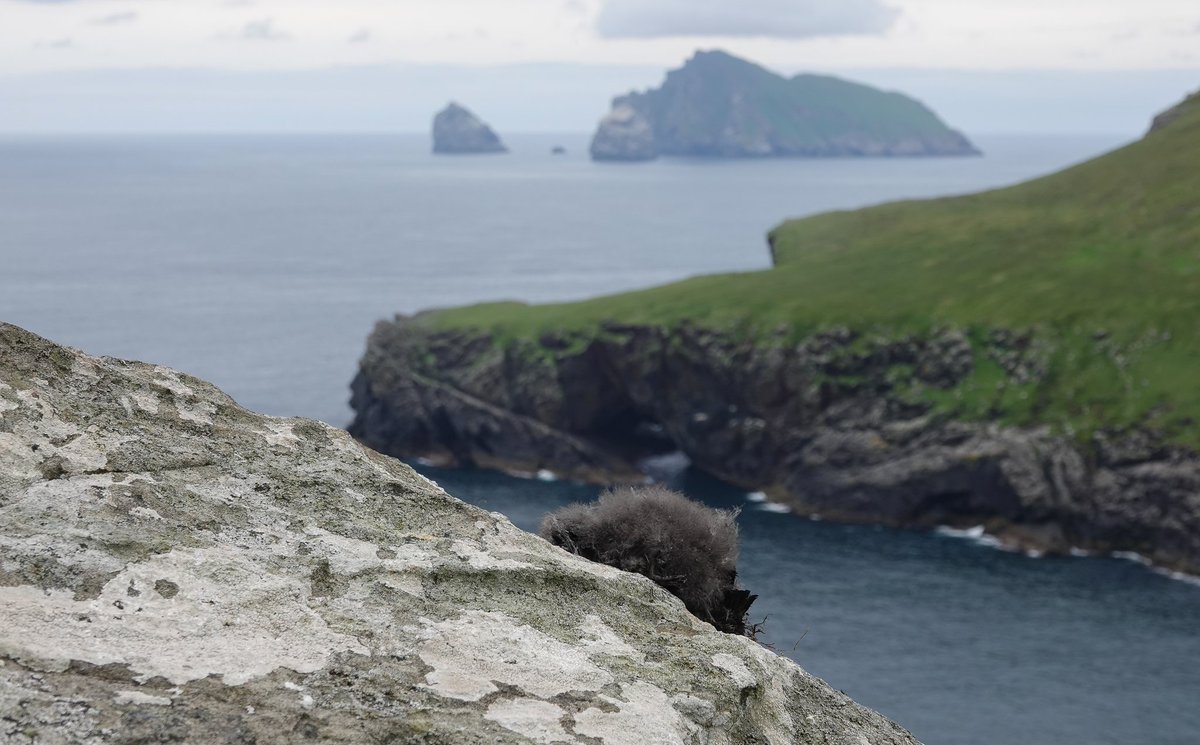
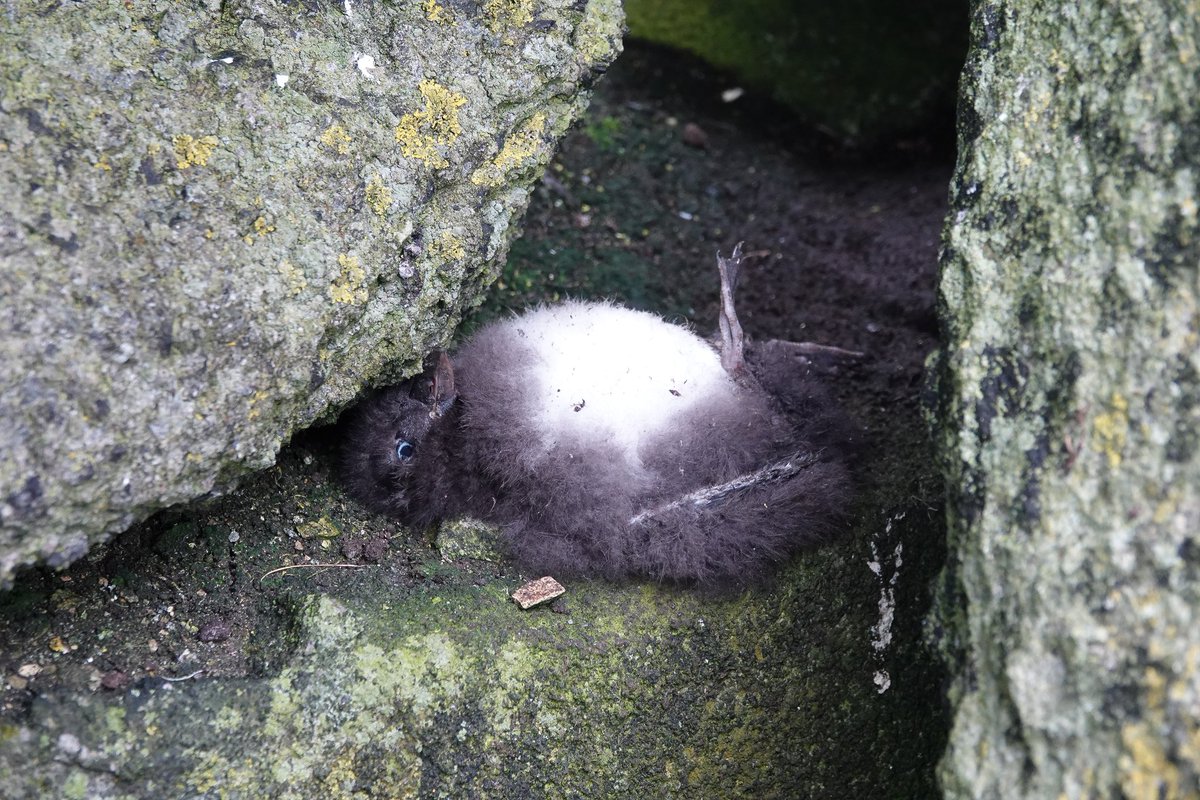
#LongShot - does anyone have any photos of the #StKilda#Gannet colonies from AUGUST of ANY year? We've collected some photos this month and would be interested to compare with other years as part of out effort to understand the impact of #birdflu. #citsci#NTSSeabirds
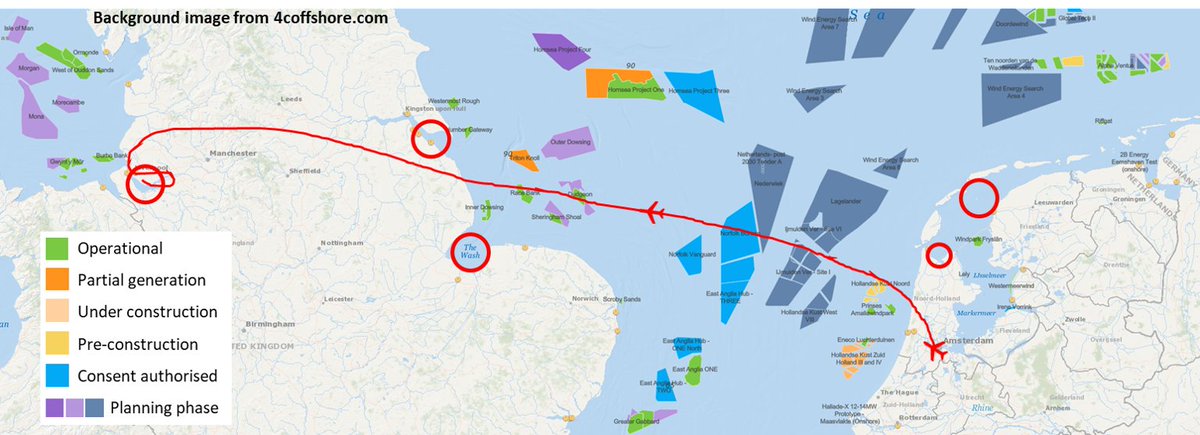
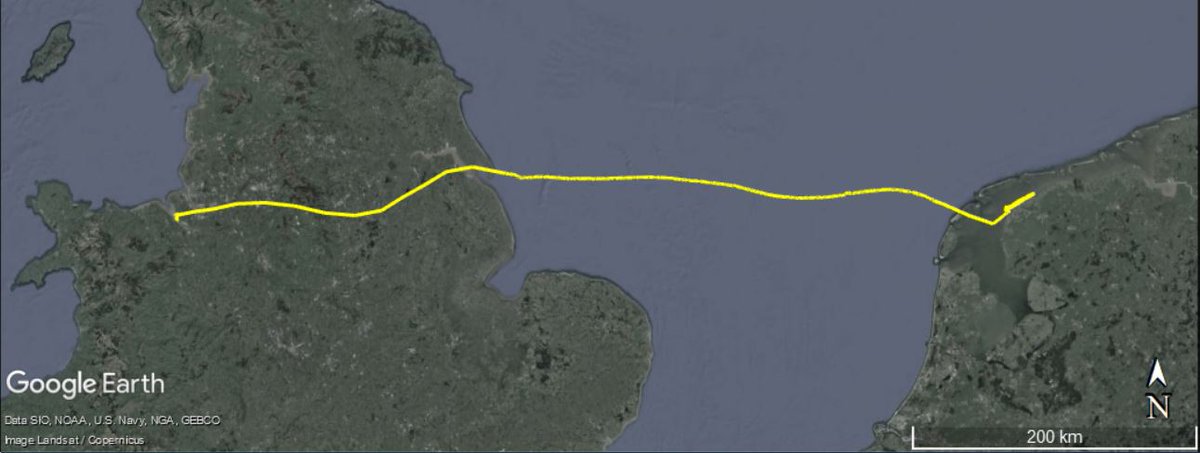
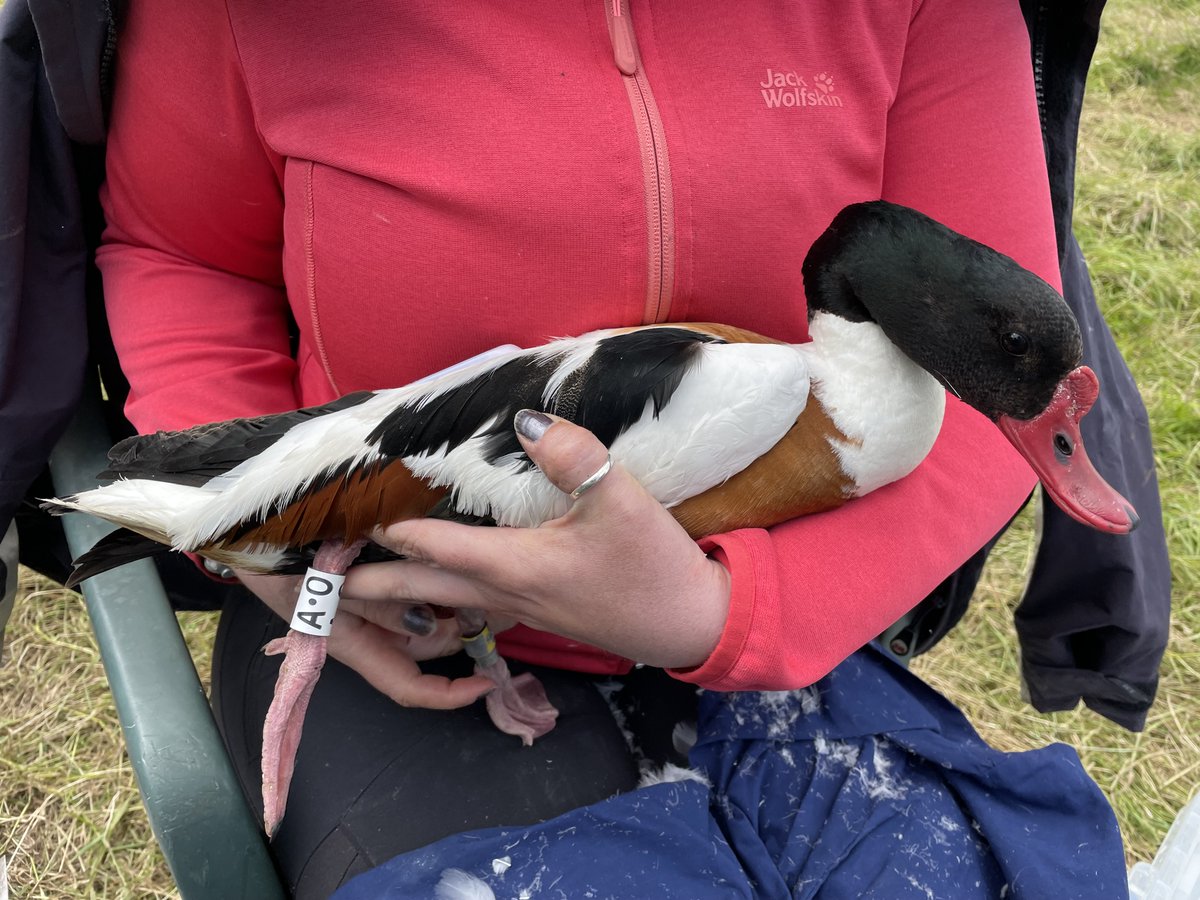
The #shelduck continue to surprise! After 10 days on the Dee, this adult male moved to the Wadden Sea, ignoring east coast moult sites. He's done the reverse of my flight in April, passing lots of offshore wind farms & gas platforms. See all tracks on https://t.co/NEncKu2VvN #phd
Some excellent and well guided advice from @nature_scot regarding the Avian Flu which is impacting many Scottish islands.
If you intend to land on the Shiants please can we ask to take these precautions to ensure we protect the important populations.
https://t.co/HeUm4GTnKj
Fully support @_BTO call for collaboration and enhanced monitoring of population dynamics, movements and #avianflu effects in #seabirds to address this crisis.
We must eke out every insight from the data we have, and plan how to fill significant knowledge gaps.
#ornithology
Welcome news that NatureScot has established a task force in response to the impact of avian flu on our #seabirds. The timing of this outbreak could have far reaching effects on our seabird populations & a national co-ordinated response is a much needed step.
What is a pond?! We’re excited to announce our new publication https://t.co/rcGOZvCknh in @SciReports that compiles existing scientific and legal pond definitions, compares how ponds functionally compare to lakes and wetlands, and proposes an evidence-based pond definition. 1/n
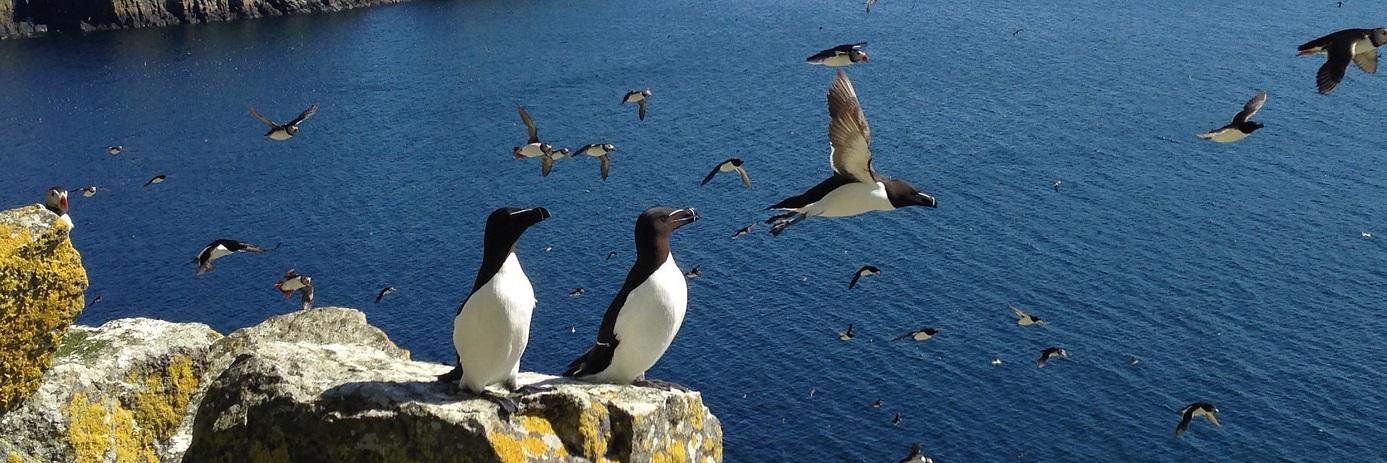
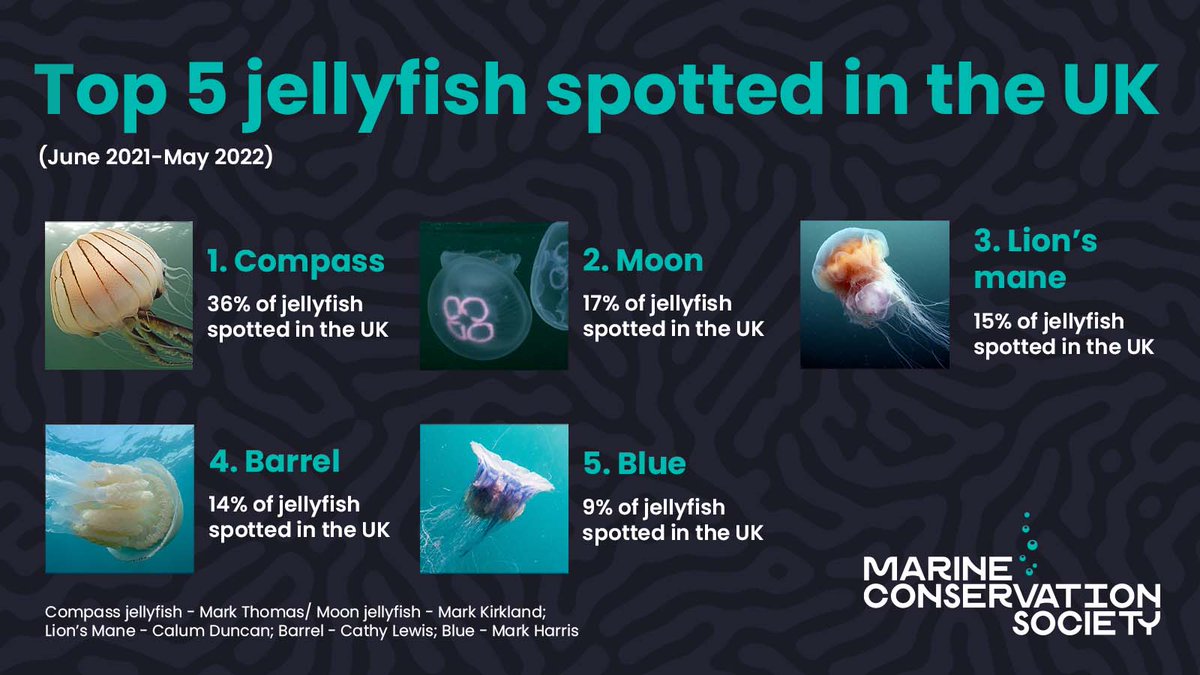
@marinemaps We’ve seen them on the Shiants sometimes- in the hot summer of 2018 when the sea was really calm there were “quite a few”! But 36% seems a tad high compared with moons which should account for at least half I reckon ..!!