There are a number of great PhD opportunities available in Teagasc Grange (see comments). One of these includes a PhD on Evaluating lifetime enteric methane emissions from the suckler beef herd, see link: https://t.co/8AnLstrWlz @TeagascBeef@teagasc@agriculture_ie@ucdagfood
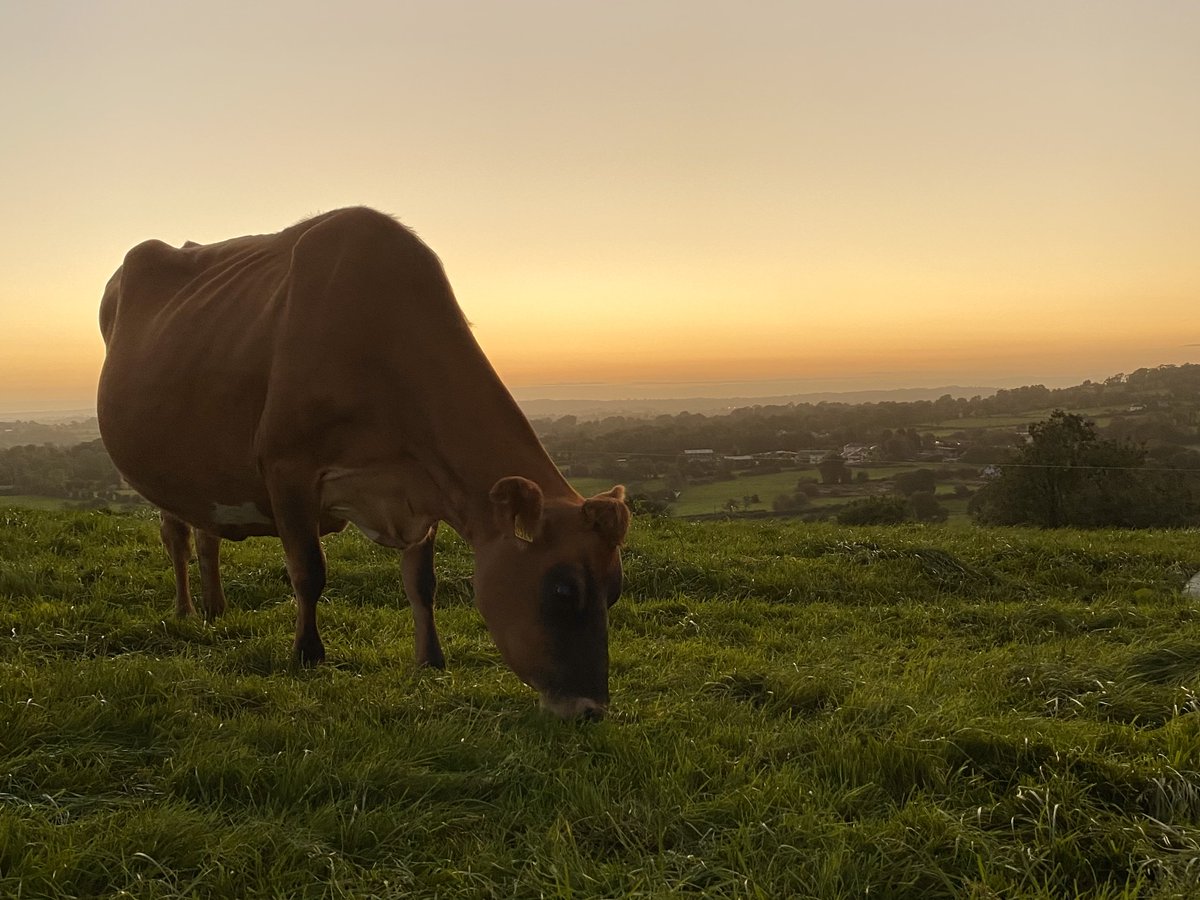
Going through the 150 or so entries received so far for the #thisisdairying photo competition! Some inspiring entries and maybe a potential winner here from @farmingmadire!? Get yours in soon!! €1000 to give away!
Interested in doing a PhD with VistaMilk (@teagasc & @uccBEES)? Would you like to help develop strategies to reduce methane in dairy cows? If you have a background in agricultural science, biological science or related discipline click the link below. https://t.co/tqtVRYvzTj
In light of @RTE 's airing of 'What Planet Are You On', we are disappointed with the misleading messages in the show and unfair portrayal of the Irish Meat and Dairy Industry. Our full response can be read below #WPAYO
@365Ifarm@nookost Yea exactly, younger cows still need to divert energy away from production towards growth.
Also on a system basis, increasing the age structure of the herd through better fertility will lead to lower emissions associated with rearing extra herd replacements.
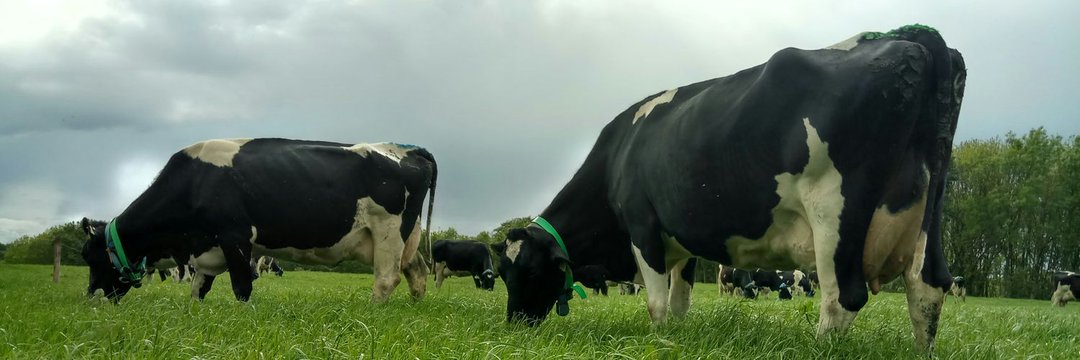
Ninth week of methane recording. Forty eight cows in the herd are regularly using the greenfeeds. Initial results show older cows (3rd parity+) are emitting less methane/kg milk solids compared to 1st and 2nd parity cows. Meaning increasing the age of herd can increase efficiency
Over the next few years research with @VistaMilk be looking at understanding the animal, genetic and nutritional factors associated with methane emissions in grazing dairy cows. Various feed additives will also be tested to see their effect on methane emissions.