Stablecoin risk is no longer just “did it depeg?”
A stablecoin can trade near $1 and still become riskier underneath. Reserves can change; liquidity can dry up; an issuer can freeze funds; redemption terms can become unclear; regulation can shift; a yield or synthetic mechanism can show stress.
USDC, USDT, DAI, USDe, PYUSD and FDUSD are not the same product with different tickers. They have different issuers, reserve models, redemption paths, freeze powers, regulatory exposure and failure modes.
That is why we are narrowing Blockbasis from broad crypto security to stablecoin risk monitoring and for people who don’t want to monitor stablecoin risk manually or rely on X panic. Blockbasis tracks signals across peg, liquidity, issuer, reserve, freeze, regulatory, security and structure/yield risk.
Create a free Watchlist and monitor the stablecoins you care about. Link in comment 👇
The question is no longer whether stablecoins can be frozen. The better question is: who decides, under what rules, and with what safeguards?
A 2023–2025 analysis of USDT vs USDC freezes shows the difference clearly:
USDT:
• 7,268 addresses blacklisted
• $3.29B frozen
• major activity across Ethereum + TRON
USDC:
• 372 addresses blacklisted
• $109M frozen
Roughly a 30× difference in both scale and value.
But the more important point is the model.
USDT looks more proactive and enforcement-led.
USDC looks more reactive and legally anchored.
Same $1 target. Very different governance design.
Dune Analytics dashboard here: https://t.co/hA42Esb6LB
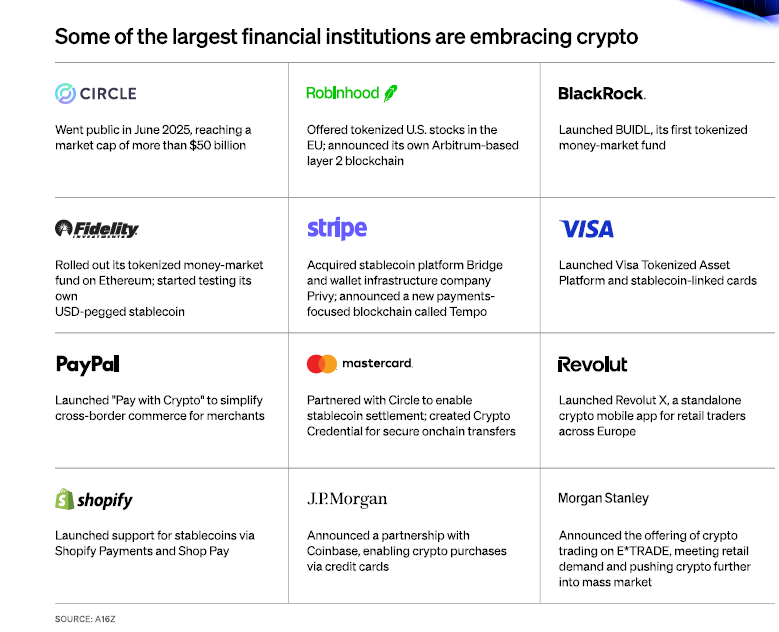
The stablecoin opportunity for fintechs is not only cheaper payments. It is revenue architecture.
Banks are usually valued on deposits, lending margins and credit quality. Fintechs get rewarded when revenue looks more like fees, software, payments and platform economics.
Stablecoins sit right in the middle. They can create new fee layers around: payments,FX,conversion,treasury movement,merchant settlement,tokenized assets, embedded finance.
That is why Circle, Stripe, PayPal, Robinhood and Mercury moving closer to bank-like infrastructure is so interesting.
Stop thinking banks will enter crypto by “buying Bitcoin.” That is not the main story. The real story is infrastructure.
A serious bank crypto stack now looks something like this:
Custody → @BitGo
Secure wallets, segregation, approvals, audit trails, settlement control.
Trading & conversion → @coinbaseinsto
Fiat-to-crypto, crypto-to-fiat, liquidity access, execution, settlement.
Stablecoin infrastructure → @circle
Payments, treasury flows, cross-border settlement, issuer rails.
Tokenization / RWA → @OndoFinance
Treasuries, money market funds, credit, yield products, onchain assets.
Lending & credit → @maplefinance
Crypto-backed lending, institutional credit markets, collateralized liquidity.
Staking → @Figment_io
Validator access, reward products, custody-integrated staking services.
Compliance → @chainalysis
KYC/AML, sanctions screening, reporting, transaction monitoring.
Embedded crypto infrastructure → @ZeroHashX
Crypto and stablecoin rails inside fintech and banking products.
This is why the next phase of crypto adoption may look less like a new app category and more like a bank ledger upgrade. The user may never say: “I am using crypto.”
They may just see:
- faster payments,
- better dollar access,
- tokenized yield,
- cheaper settlement,
- 24/7 movement of value.
That is when crypto becomes infrastructure.
Almost every serious 2026 crypto prediction seems to point back to one thing: stablecoins becoming invisible infrastructure.
- AI agents need settlement.
- Fintechs need cheaper rails.
- Emerging markets need dollar access.
- reasuries need cash management.
- RWA needs settlement.
- B2B payments need faster clearing.
- DeFi needs a bridge to normal users.
The common denominator is not speculation. It is stablecoin rails. But once stablecoins become financial infrastructure, “is it trading at $1?” is no longer enough.
People will need to understand:
• issuer risk
• reserve risk
• redemption risk
• liquidity risk
• chain risk
• freeze/regulatory risk
• yield/structure risk
• settlement behavior under stress
That also means stablecoin risk is becoming more operational, not less.
We made Blockbasis watchlist-first for a simple reason: most users think:
“I care about USDC.”
“I care about USDT.”
“I care about USDe.”
“I want to know if something important changes.”
Wallet scan is useful, but it is only a discovery step.
The core product should be simpler: choose the stablecoins you care about → get alerts when risk signals change.
No wallet required.
Create a free Watchlist: https://t.co/JW8FQQKcfC
@CryptoBusy@HyperliquidX@trondao@ethereum@solana@trondao being this high is the interesting part.
It is not always the loudest ecosystem on CT, but stablecoin usage there is clearly still very real. Fees are a useful reminder that activity and narrative are not always the same thing.
Interesting to see more ecosystem-native stablecoins emerging! For any high-yield stablecoin, the useful question is not only “is it redeemable 1:1?”
There are:
• where does the yield come from?
• what backs the stablecoin?
• how liquid is redemption during stress?
• what happens if APY compresses?
• are risks at the stablecoin layer or staking/yield wrapper layer?
This is the kind of asset we’d like to add to Blockbasis coverage.
Most stablecoin conversations still start and end with: “Did it depeg?”
But that is only one part of the story. A stablecoin can sit close to $1 and still become riskier.
Maybe liquidity is drying up.
Maybe reserve disclosure is getting weaker.
Maybe the issuer has more freeze/regulatory exposure. Maybe the mechanism is more complex than people think.
Maybe the risk is not price today, but structure underneath.
The better question is: what kind of risk are we actually talking about? Peg risk, liquidity risk, issuer risk, reserve risk, freeze risk, regulatory risk, security risk, or structure/yield risk.
That is the language we are trying to build into Blockbasis. Not to create panic. Just to make stablecoin risk easier to understand and monitor.
Stablecoin risk is no longer just “did it depeg?”
A stablecoin can trade near $1 and still become riskier underneath. Reserves can change; liquidity can dry up; an issuer can freeze funds; redemption terms can become unclear; regulation can shift; a yield or synthetic mechanism can show stress.
USDC, USDT, DAI, USDe, PYUSD and FDUSD are not the same product with different tickers. They have different issuers, reserve models, redemption paths, freeze powers, regulatory exposure and failure modes.
That is why we are narrowing Blockbasis from broad crypto security to stablecoin risk monitoring and for people who don’t want to monitor stablecoin risk manually or rely on X panic. Blockbasis tracks signals across peg, liquidity, issuer, reserve, freeze, regulatory, security and structure/yield risk.
Create a free Watchlist and monitor the stablecoins you care about. Link in comment 👇
🚨 BREAKING: Phemex Hacked – $85M Stolen in Private Key Compromise 🚨
Another devastating blow to crypto security! Phemex suffers a major breach, losing $85M due to a private key compromise. This highlights the critical need for self-custody & strong security practices.
🔎 Full story: https://t.co/ekayEruQV5
#CryptoSecurity #PhemexHack #Web3Security #StaySafe
🔐 Episode 2 is LIVE: How to Safely Store Your Crypto!
💡 You bought your first crypto—now what? Time to keep it safe from hackers & scams!
✅ Hot Wallets vs. Cold Wallets – Which one to use?
✅ Why Ledger Wallets offer top security
✅ How to properly back up your seed phrase
✅ Essential security tips to protect your assets
🚨 Your crypto is only as safe as the precautions you take!
📅 Read more at https://t.co/d1u7DYnrkS
https://t.co/Ao3ezXpknO
🎯 Next: How to Buy Trending Coins Without Using a Centralized Exchange!
#CryptoSecurity #StaySecureInWeb3 #CryptoWallets #Web3Tips #BlockBasis
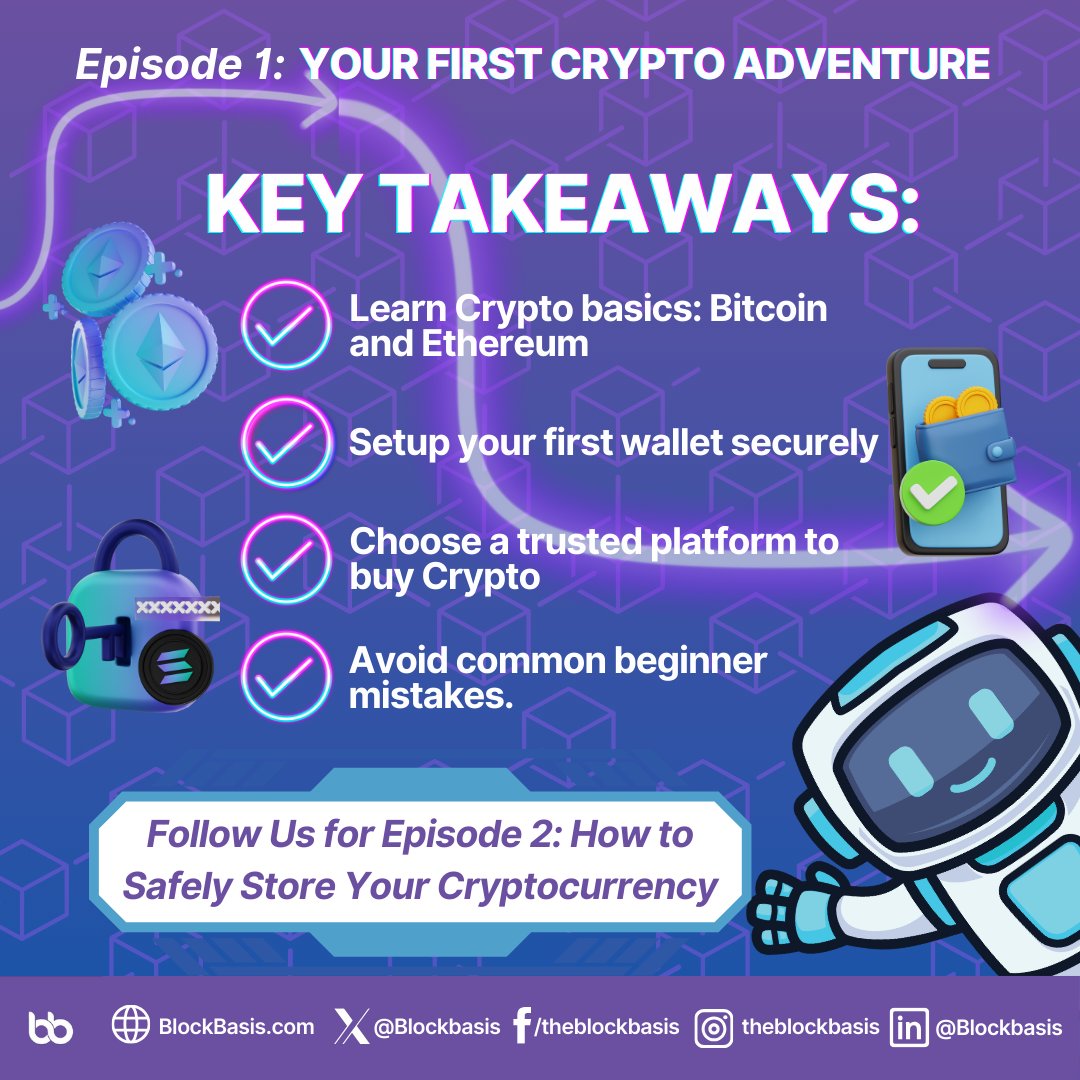
🚀 Episode 1 is LIVE! Your First Crypto Adventure
https://t.co/jvbkxE9EdS
💡 New to crypto? In Episode 1 of "Stay Secure in Web3", we’ll guide you through:
✅ Understanding Bitcoin & Ethereum basics
✅ Setting up a secure wallet
✅ Choosing a trusted platform
✅ Avoiding common beginner mistakes
🔒 Start your journey safely & confidently. Read now: https://t.co/d1u7DYnrkS
🎯 Episode 2: How to Safely Store Your Crypto drops soon!
#CryptoSecurity #Web3Tips #StaySecureInWeb3 #CryptoBeginners #BlockBasis
🚨 Orange Finance Hack: $0.84M lost in an admin key breach! 🚨
On Jan 8, 2025, a hacker took control of the admin key, upgraded the contracts, and drained funds.
⚠️ Action required: Revoke contract approvals immediately!
Read more 👉 https://t.co/i8efKE1CWd
#DeFi#Crypto #Web3 #SecurityBreach
Kick off 2025 by mastering crypto security with BlockBasis! 🚀
Trusted by over 20,000 subscribers, our free weekly newsletter brings you the latest hacks, tools, and insider tips to keep your wallet safe.
Curated by experts, 100% free
https://t.co/jUjeUUPBs1