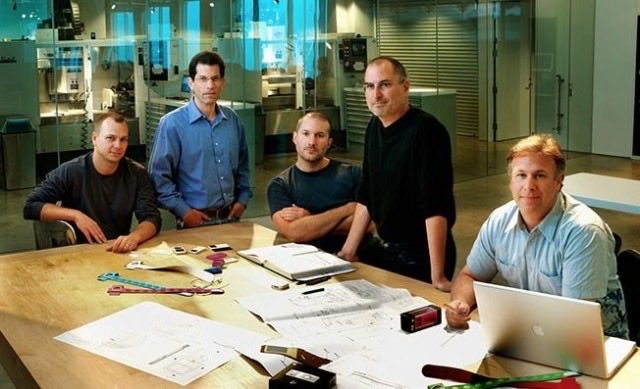
50 years of @Apple
From the early days of the #iPod to bringing the #iPhone into the world, some of the most formative years of my career were spent there. The products and teams stay with you. But more importantly so does how Apple thinks.
A few lessons that have held true for decades:
1) Start with the user, not the tech. The question isn’t “what can we build?” but “what problem actually matters?”
2) Focus is everything. Apple is defined as much by what it says no to as what it builds.
3) End-to-end matters. Hardware, software, services. It all has to work together.
4) Details are the product. What feels small is what users remember.
5) Debate hard. Commit fully.
6) Build for the long term.
We’re in another moment of massive technological change. The fundamentals haven’t changed.
The companies that win build things people actually use and can’t imagine living without.
Congrats to everyone who has been part of Apple’s first 50 years! 🙌
Code is cheap, Software is not 🤔
Anyone can write code. Building software that's maintainable, observable, secure, and actually solves a problem? That's the hard part.
This is why fundamentals matter more than ever.
If you read “We, Programmers” you will learn that the word “code” referred to the numbers that Grace Hopper, and her team who programmed the Harvard Mark 1, wrote on paper representing the positions of the holes that were then punched on the 24 bit wide paper tape that drove that machine.
Hopper’s goal, in the following years, was to get away from code and to use more natural languages. The fact that 80 years later we still call our programs “code” is a reflection of the failure of her goal.
For eighty years we have, step by step, elevated code from hole positions, to assembler, to Fortran, to C, to Java, to JavaScript and Python, etc. But at each step up that abstraction ladder we have continued to call it code.
If AI is the next step up that ladder, if Claude is equivalent to a compiler translating a higher level code into a lower level code, then the productivity gains will be nominal, and we will still be writing code.
But if AI programming is what Hopper had envisioned, if our prompts are not code, but are instead negotiations, then the productivity gains will be enormous — but only if we abandon code entirely.
Because, as Hopper understood, code is the limiting factor in programming.
You're literally worrying yourself to an early grave! But you don't have to. Being a pessimist isn't a character trait, it's a disposition, and you can flip it. The Stoics knew this two millenia ago: Focus on what's in your control and memento mori.
Many developers are worried about their future. Rightfully so.
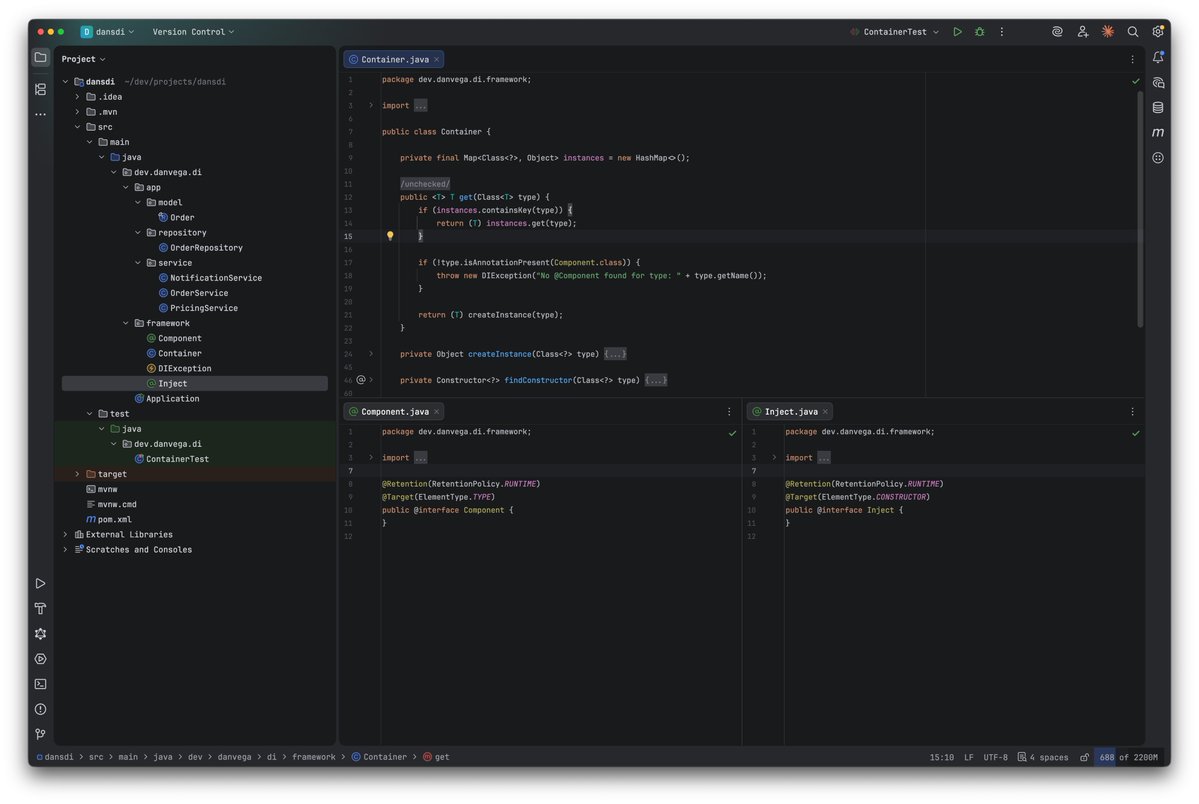
Tonight I wanted to explain Dependency Injection in Java so instead of reaching for Spring, I built my own DI container from scratch. I tried, it mostly worked, then I asked Claude Code to write one. I learned from it and improved mine.
DO NOT use these tools as a crutch. If you stop learning, there's a good chance you'll be replaced. Soon.
Never stop learning. Use AI to accelerate it, not replace it.
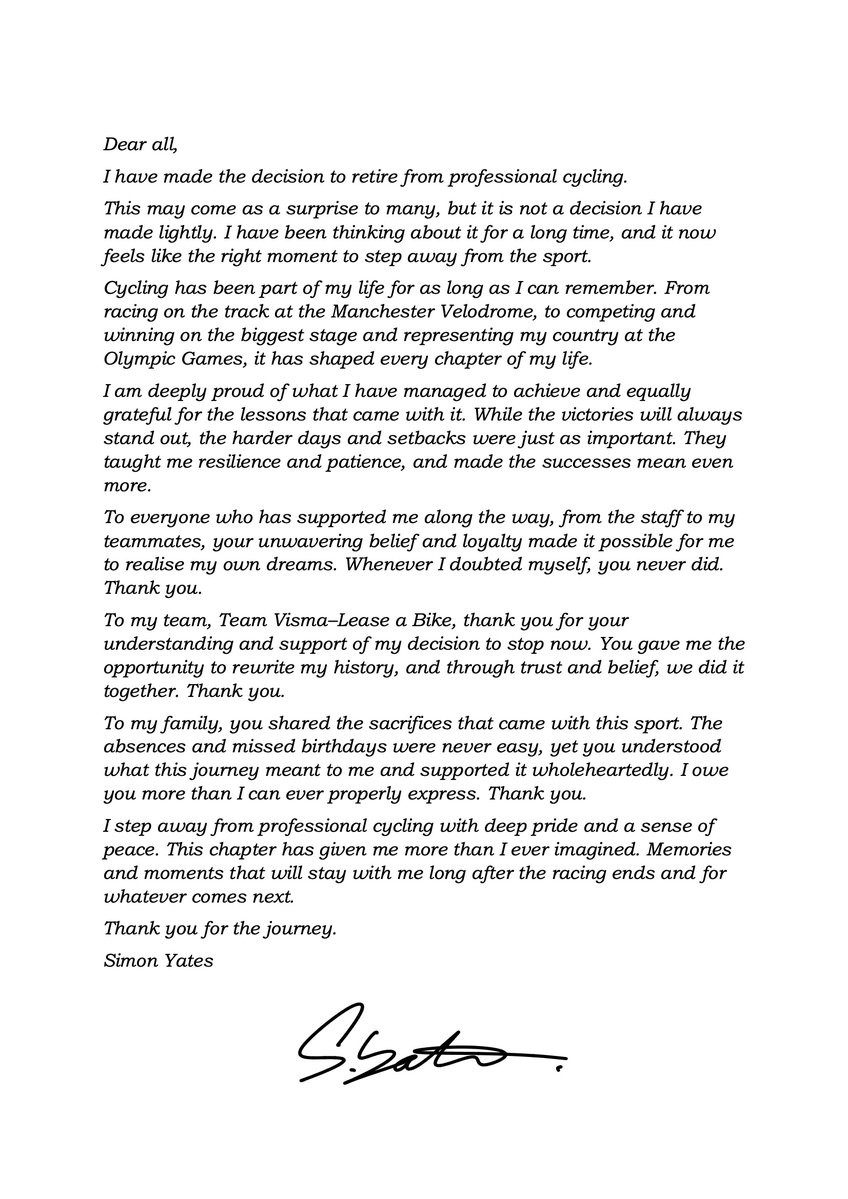
A message from Simon:
Dear all,
I have made the decision to retire from professional cycling.
This may come as a surprise to many, but it is not a decision I have made lightly. I have been thinking about it for a long time, and it now feels like the right moment to step away from the sport.
Cycling has been part of my life for as long as I can remember. From racing on the track at the Manchester Velodrome, to competing and winning on the biggest stage and representing my country at the Olympic Games, it has shaped every chapter of my life.
I am deeply proud of what I have managed to achieve and equally grateful for the lessons that came with it. While the victories will always stand out, the harder days and setbacks were just as important. They taught me resilience and patience, and made the successes mean even more.
To everyone who has supported me along the way, from the staff to my teammates, your unwavering belief and loyalty made it possible for me to realise my own dreams. Whenever I doubted myself, you never did. Thank you.
To my team, Team Visma–Lease a Bike, thank you for your understanding and support of my decision to stop now. You gave me the opportunity to rewrite my history, and through trust and belief, we did it together. Thank you.
To my family, you shared the sacrifices that came with this sport. The absences and missed birthdays were never easy, yet you understood what this journey meant to me and supported it wholeheartedly. I owe you more than I can ever properly express. Thank you.
I step away from professional cycling with deep pride and a sense of peace. This chapter has given me more than I ever imagined. Memories and moments that will stay with me long after the racing ends and for whatever comes next.
Thank you for the journey.
Simon Yates
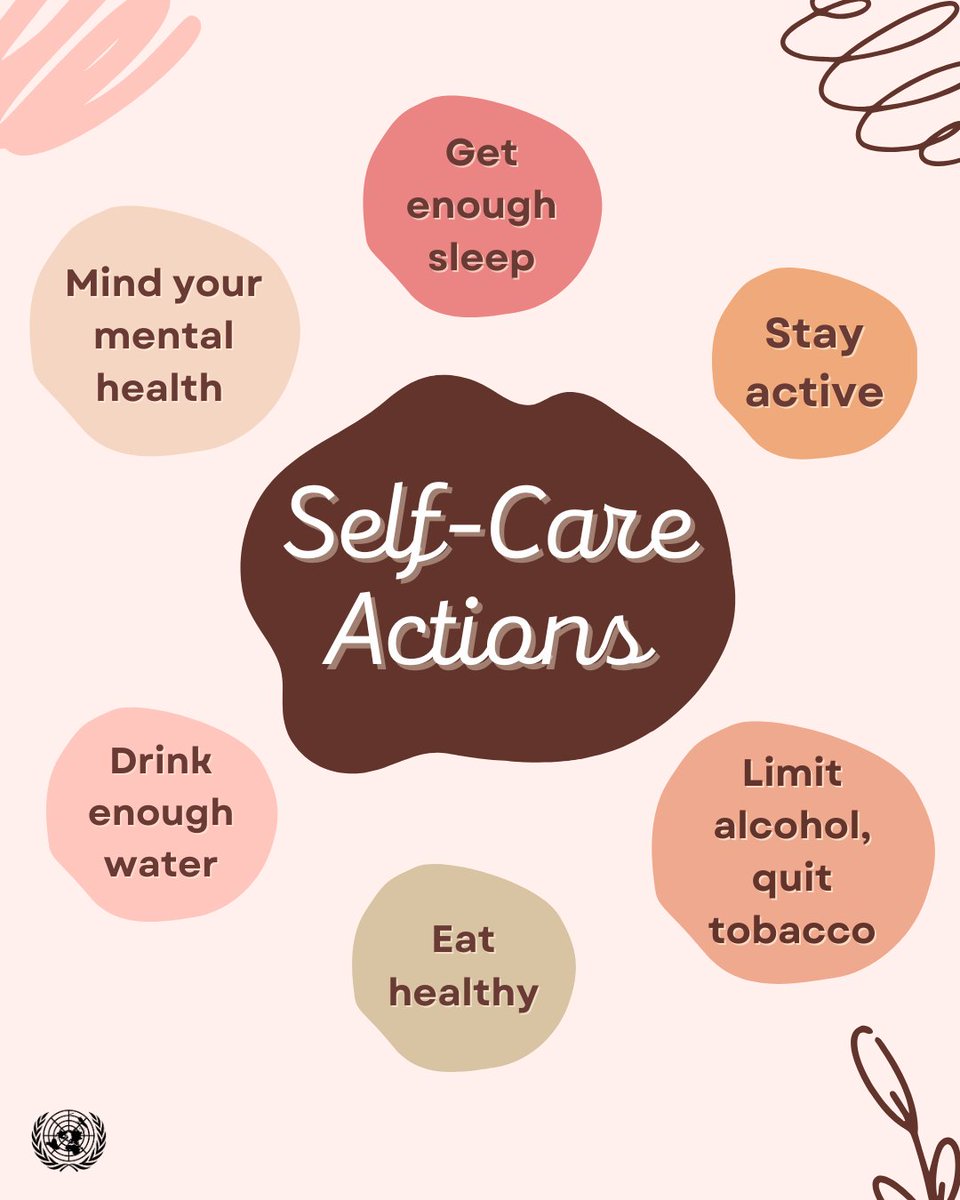
The start of a new year is a chance to reflect on how to live a happier, healthier life.
Simple steps can help improve physical and mental well-being.
🍎 Eat well
🏃 Stay active
🧘 Make time to recharge
😴 Get enough sleep
More tips from @WHO: https://t.co/0cqEMWm0NU
Strava year totals by world tour riders. Ordered by most km's. Data collected at the end of December 30th.
286 world tour riders have shared 100+ rides on strava this year
For many years, I've been looking for the perfect replacement for @jQuery. Modern vanilla js has many of the features that made jQuery popular, but often with worse ergonomics.
Today, I finally discovered the solution:
Just use jQuery. :D
My open letter marking the Web’s 35th birthday addresses the erosion of the web’s core values and resulting power imbalances that are influencing transformative technologies, reshaping geopolitics and driving economic shifts. The time to act is now.
👇 https://t.co/BMTl8NXs5o
Steve saw the world not just as it was, but as it could be. His vision continues to inspire us to push boundaries and create the future. Today, on his 70th birthday, we honor his legacy and his enduring impact.