In 2001 George W Bush proposed a partial privatization plan for Social Security so you could put 10% of your SS contribution into the markets.
People rejected this.
We can now see that if it had passed, the 10% that went into the markets would have outperformed the 90% the government managed, the program would be solvent, and the average SS recipient would be receiving 2X what they currently receive.
The worst bet you’ll ever make is betting on government.
-Biblical values offer a clear moral compass
-Strong families are the bedrock of a stable society
-Respect for ancestors instills a sense of history and fosters inter-generational responsibility
-Basic manners facilitate respectful interactions and a civil public sphere
The older I get the more moments with family matter most. Oldest was away on a mission trip this week and got home last night. I mixed a cocktail, cooked steak tacos for the fam, and then we got ice cream and walked around Mountain Brook. So basically a perfect night.
“Our language, our music, and our manners are increasingly raucous, self-centred, and offensive, as though beauty and good taste have no real place in our lives. One word is written large on all these ugly things, and that word is ‘me’.”
Sir Roger Scruton
American history is full of men who were failures in ordinary life. But when a crisis arose, they answered the call of duty and became something much more.
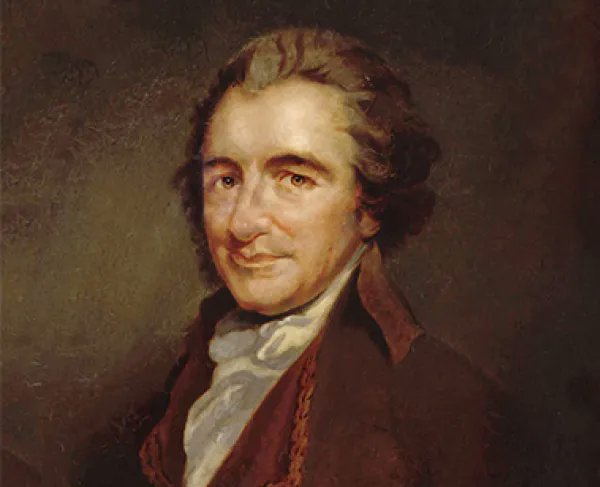
Thomas Paine failed at every trade he tried, from corset-making to shopkeeping. Then wrote a little pamphlet called Common Sense.
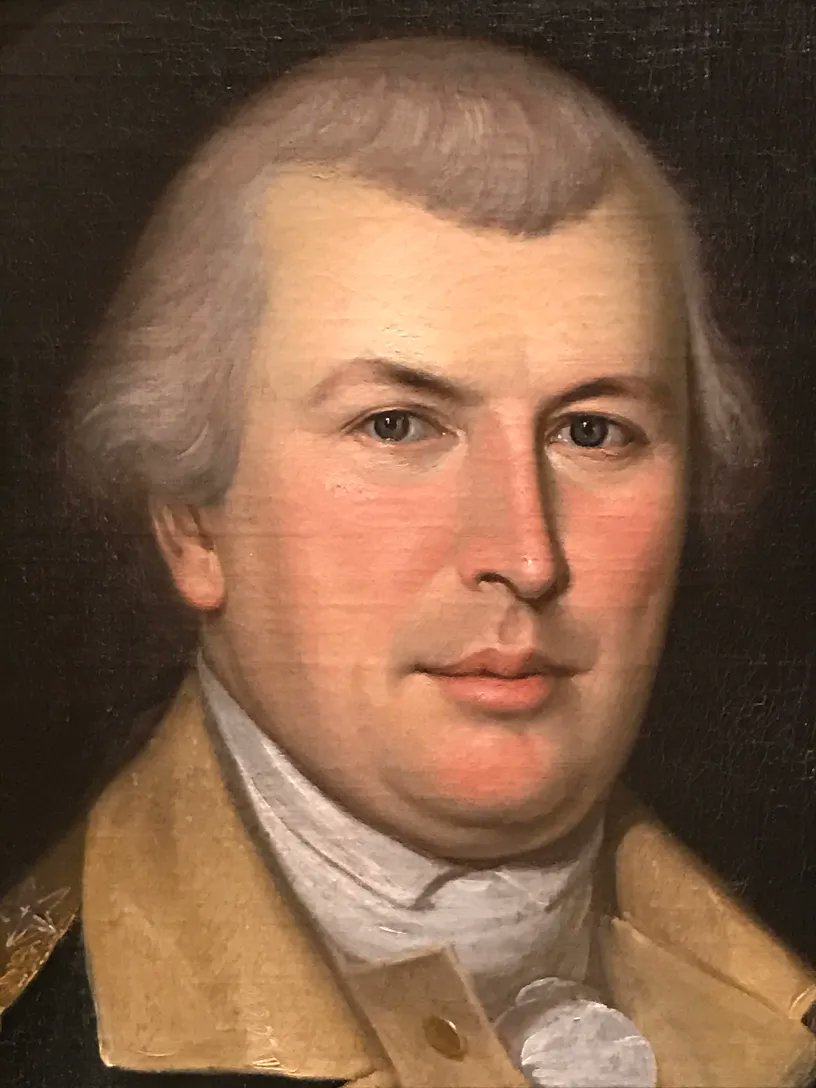
Nathanael Greene was a limping Quaker with no military training, rejected as a "blemish" by his own militia. He taught himself war from books and became Washington's most trusted general.
Ulysses S. Grant was clerking in his family's leather goods store at 38, broke with nothing to show. Within four years he commanded the entire Union army and had the ear of the president.
Harry Truman went bankrupt running a shop and was a washed-up businessman in his late thirties. He rose to make the heaviest decision of the 20th century.
None of them initially looked like the answer. But they turned out to be exactly what the moment required.
It took 140 years to finish the Duomo in Florence, Italy.
The original architects knew they’d never live to see the dome rise. Yet, they laid the stones anyway.
When you believe in eternity, you build things differently.
@mstokes1981 It’s a cool place. The whole town is cool. Much more family friendly than Boone. Boone has some good but the number of people trying really hard on the hipster/folk vibe has almost made the town a parody of itself.
I remember in my early 20's reading the Iliad and the Odyssey, because I was always told those books were classics everyone should read. I didn't like them very much.
Ford was a great man. We've lost the thread somehow on presidents who made themselves great men before running for office. In my view, George HW Bush was the last truly great man to occupy the oval office.
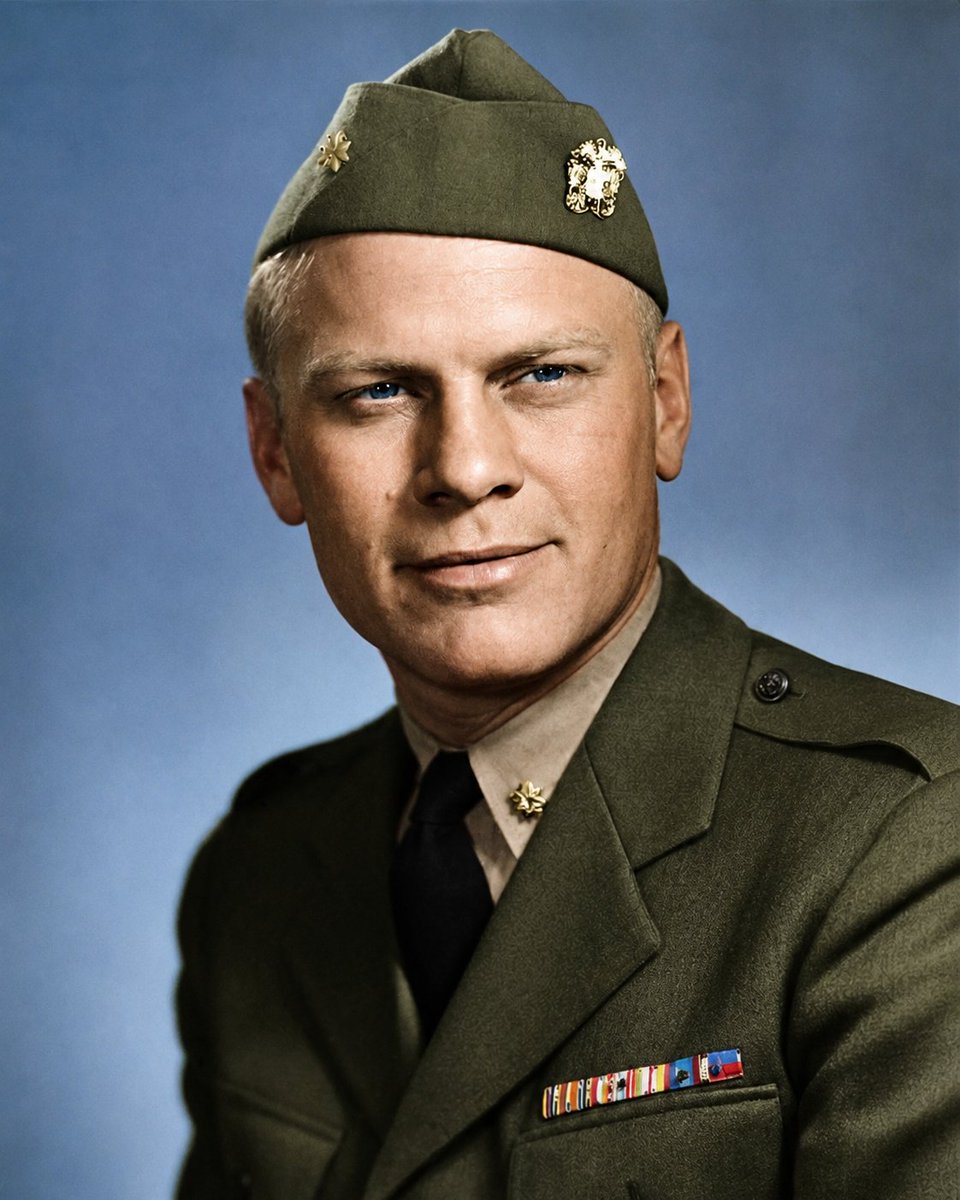
Gerald Ford is the president America remembers as a klutz. Chevy Chase built a career on it. He fell down the stairs of Air Force One once and it followed him to the grave.
The man was probably the best athlete ever to hold the office. Starting center on Michigan's back to back national championship teams in 1932 and 1933, team MVP in 1934, and he turned down contract offers from both the Packers and the Lions to go be a coach and read law at Yale.
Then there is the fall nobody talks about.
December 1944. Ford is a lieutenant aboard the light carrier USS Monterey, somewhere east of the Philippines, when Halsey's Third Fleet sails into the middle of a typhoon. Not near it. Into it. Winds over 100 knots, seas the sailors describe as mountains, visibility zero. Three destroyers roll over and sink that night and roughly 790 men die. It remains one of the worst disasters in the history of the US Navy and no enemy was involved.
On the Monterey the aircraft break their tie downs. Loose planes, full of fuel, sliding around a closed hangar deck in the dark, striking sparks. The hangar catches fire. General quarters sounds and Ford heads for his station on the bridge, crossing the flight deck of a small carrier in a typhoon at night.
The ship rolls about 25 degrees. His feet go out from under him and he starts sliding toward open water.
What saves his life is a steel lip maybe two inches high running along the edge of the deck. It catches him just enough to spin him and drop him into the catwalk instead of over the side. In a sea like that, nobody would have found him. Nobody would have even known.
His own line about it later: I was lucky. I could have easily gone overboard.
He got up and went below to help fight the fire. Men died in that hangar. They saved the ship, barely. Monterey was so badly burned she had to be pulled out of the war entirely and sent back for repairs. Ford finished the war having gone from a physical fitness instructor who begged for sea duty to an officer aboard a carrier that collected 11 battle stars, and he left the Navy in 1946 as a lieutenant commander.
Thirty years later a comedian made him a national punchline for tripping.
The one time it actually mattered, he caught himself on two inches of steel in a hurricane, then walked into a fire.