Too often I see the practice of “shotgun testing”. Especially in ID, rheum, and hepatology. I still see this approach “to be thorough” “to provide a complete evaluation” or “to be safe”
It’s none of the above
Older patients represent the fastest growing patient group in clinical care.
A new Review discusses the critical need to improve clinical trial relevance for older patients: https://t.co/lvmGiesSlR
An ICU physician believed letting her father die at home meant comfort, dignity, control, family close by, and the quiet reassurance of hospice. But she didn’t realize what it would require of her family. Read “For Those Left Behind,” a Perspective by Danielle D. DeCourcey, MD, MPH: https://t.co/bFfjGYcn4o
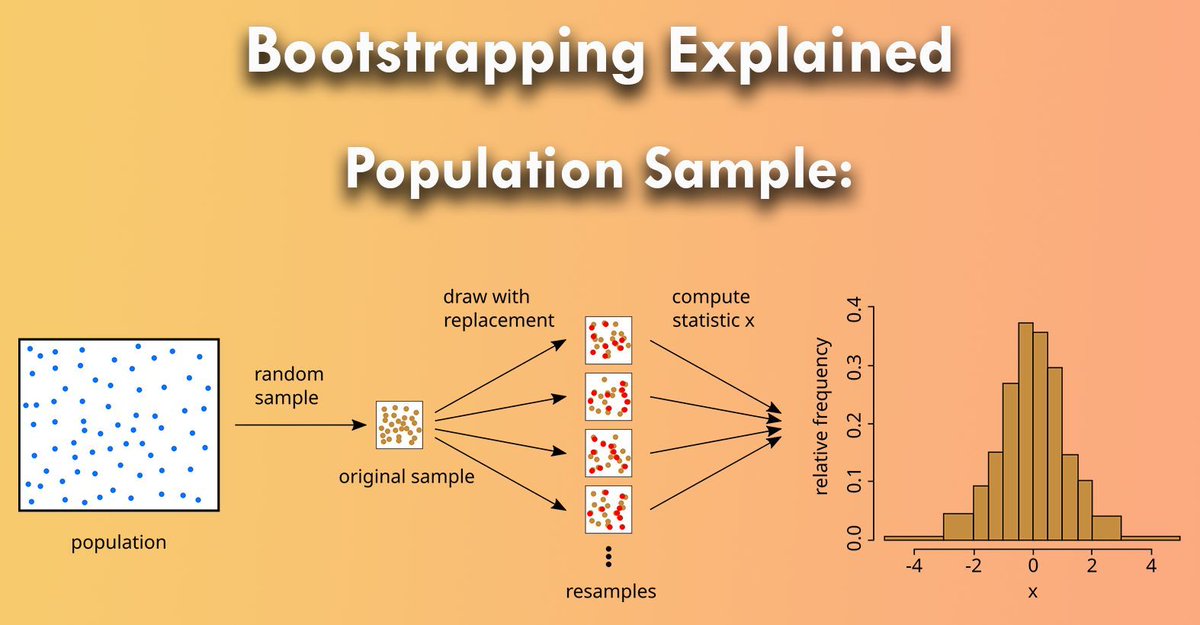
Bootstrapping is a powerful statistical method used to estimate the distribution of a statistic by resampling with replacement from a single sample.
It allows you to make inferences about a population even when you have limited data.
Challenges:
❌ Computational Cost: Can be resource-intensive as it involves multiple resampling iterations.
❌ Bias: Results can be biased if the initial sample is not representative of the population.
❌ Variance: High variance in estimates can occur, especially with small sample sizes.
Advantages:
✔️ Versatility: Bootstrapping can be applied to a wide range of statistics and is especially useful when the theoretical distribution is unknown.
✔️ No Assumptions Needed: It doesn’t require assumptions about the shape of the population distribution.
✔️ Robustness: Provides reliable estimates even with small sample sizes.
In practice, bootstrapping can be implemented in both R and Python:
🔹 R: Use the boot package which provides functions for bootstrapping and calculating confidence intervals.
🔹 Python: The scikit-learn library has a Bootstrap module that helps in resampling and estimating statistics.
The following visualization, based on a Wikipedia image (link: https://t.co/UfeDn0p1M6), illustrates how a sample is used to generate resamples (orange) through bootstrapping. Points that appear multiple times in the resamples are highlighted in red. This process helps in estimating the distribution of a statistic by examining the histogram of the resampled statistics.
To explain this topic in further detail, I collaborated with Micha Gengenbach to create a comprehensive tutorial: https://t.co/lFRoK0nb7p
Looking to enhance your skills in statistics and R programming? My online course, "Statistical Methods in R," could be exactly what you need.
More details are available at this link: https://t.co/7YQCRDKSPO
#datasciencetraining #Rpackage #datascienceenthusiast #RStats
Introducing Claude Science, a new app designed with every stage of research in mind.
Artifacts traced to their code, environments managed on demand, and 60+ optional scientific databases that you can connect.
Available now in beta.
🇸🇪 🇪🇺 Swedish minister brings baby to EU talks
Sweden's environment minister Romina Pourmokhtari brought her three-month-old baby to an EU meeting, in a barrier-breaking move she said showed it was possible to be both "a present minister and a present mother".
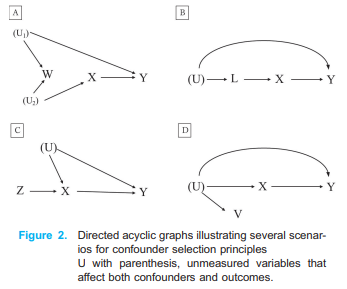
#J_Epidemi Highly Cited:
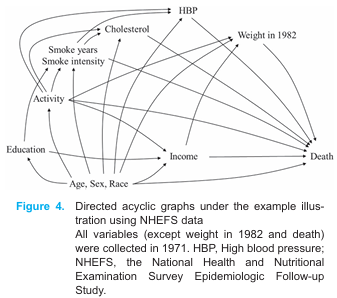
Methodological Tutorial Series for Epidemiological Studies: Confounder Selection and Sensitivity Analyses to Unmeasured Confounding From Epidemiological and Statistical Perspectives
Kosuke Inoue et al.
https://t.co/UWRxxNZuvx
@J_Epidemi
Real science:
1. Is not correlated with the amount of funding
2. Progresses slowly, usually taking many years
3. Leads to more questions than it answers
4. Advances when we disengage a bit and have improvisational discussions
5. Is too serious a thing to be done in a non-playful way
Medicine rewards you for pushing through.
Through exhaustion.
Through grief.
Through health challenges.
Through missing pieces of your own life while staying fully present for everyone else’s.
And after a while, it becomes hard to tell the difference between dedication and self-abandonment.
ARISE-FLUIDS has arrived and it's awesome 🥳
For over a decade, the Surviving Sepsis Guidelines recommended that septic patients get at least 30 cc/kg fluid. In the United States, these guidelines were weaponized into performance metrics, pressuring clinicians to prescribe arbitrary volumes to every patient.
Evidence-based clinicians have LONG known that this guideline lacked evidentiary support. For example, I've attached a picture of a blog I wrote about this back in 2017. Despite the lack of evidentiary support and some evidence of harm, the Surviving Sepsis Guidelines INSISTED on perpetually recommending 30 cc/kg fluid resuscitation.
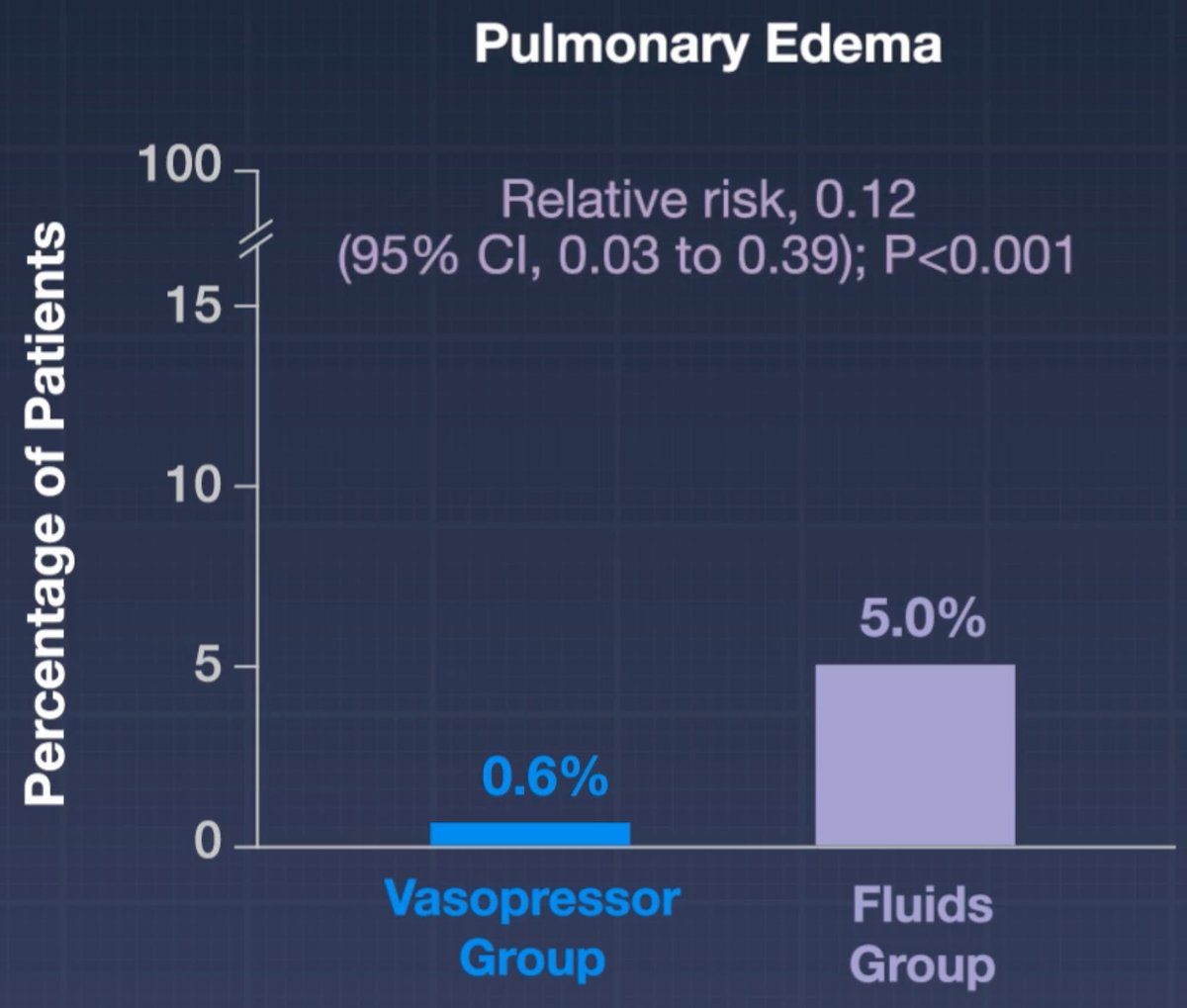
We finally have a prospective RCT demonstrating that mandating early administration of 30 cc/kg fluid (as compared to early vasopressors) doesn't help and may actually cause harm.
It's important to note that all of the hard endpoints in this trial were neutral (e.g., mortality, days free of organ support).
I still think that 30 cc/kg fluid is a pretty reasonable volume of fluid for *most* patients. But the study does suggest that giving too much fluid may promote edema - so we should be *thoughtful* about this intervention rather than mandating it for every septic patient.
Based on the subgroup analysis, the fluid-conservative strategy may have helped the subgroup of pneumonia patients the most. This is statistically nonsignificant but aligns with my expectation. ARDSy patients often don't respond well to fluid. (In contrast, I really doubt that a liter of fluids in either direction matters for most urosepsis patients.)
This is a great example of the over-reach of guidelines and protocoled medicine. People get all upset about practice variation, so sometimes they try to stomp it out using guidelines and protocols. But these guidelines are highly fallible, so what may occur is that you standardize care in a way that harms everyone equally. 🤦♂️
For those who do hospital-based medicine, the ritual of the daily exam discussed here. We're probably going to keep doing at least some of it even though it usually yields nothing. Here's why.
(Link in ⬇️) @NEJM@NEJMClinician
A Path of Exile 2 player willingly deleted their level 100 character so everyone else in the league could get a buff.
The new “Martyr of the First Edict” mechanic lets the first player to hit level 100 sacrifice their character, permanently deleting it in exchange for giving every other player an extra passive skill point.
Streamer cArn was one of the first to do it, deleting his fully geared level 100 Titan.
His character is gone, but it is now permanently remembered on the league ladder as a “Martyr of the First Edict.”
Players are calling it one of the coolest additions to Path of Exile 2.
I come back to this speech every once in a while:
“in the 1,526 singles matches I played in my career, I won almost 80% of those matches
… what percentage of points do you think I won in those matches?
only 54%.”
In today's @TheLancet there are 3 papers on cardiometabolic disease: biology, epidemiology, prevention/treatment.
The sobering and all to common story from womb to tomb conveyed in this graphic
https://t.co/rVs2Yz97NC
https://t.co/OpuJTia0bC
https://t.co/i714onXoCG
Most of the debate about AI in medicine is about a small slice of the planet.
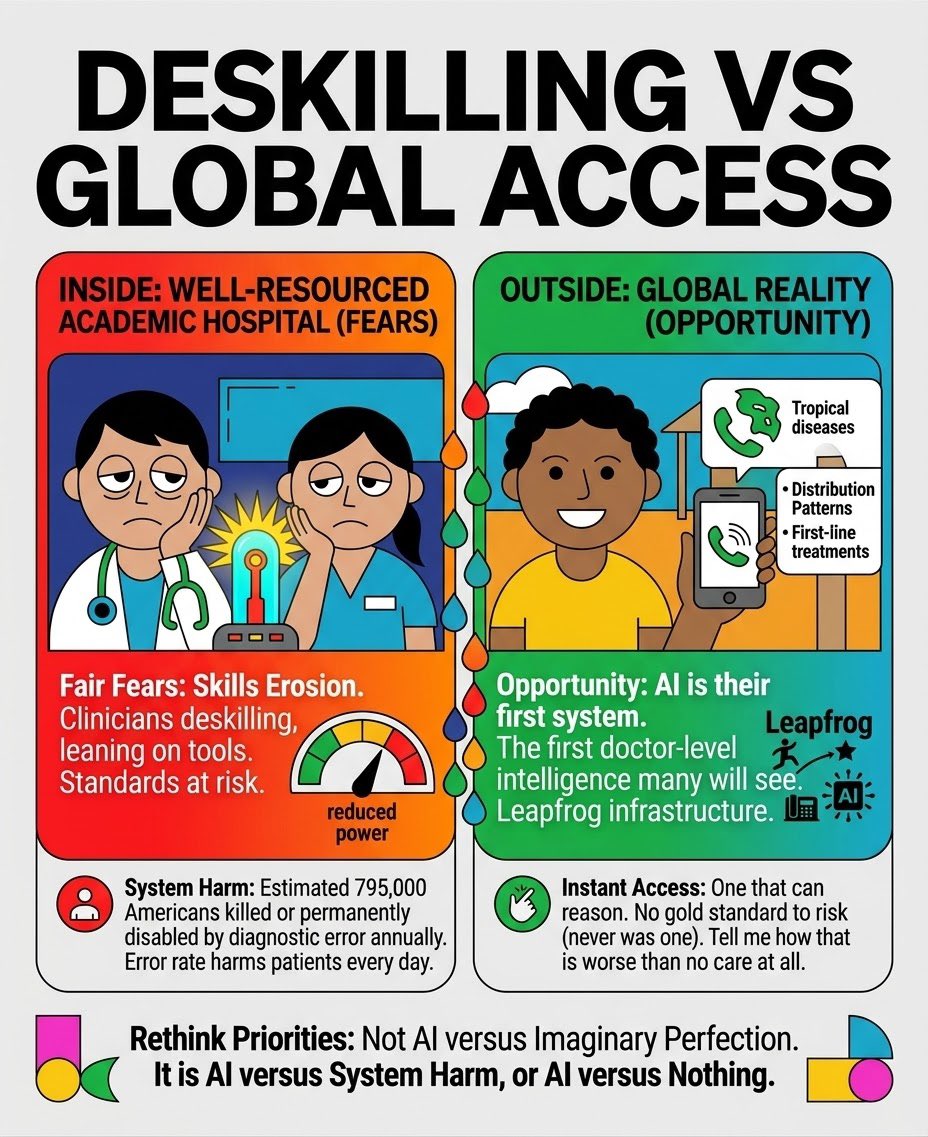
Trainees will deskill. Clinicians will lean on the tool. We will lose something irreplaceable. I hear it constantly. And inside a well-resourced academic hospital with attendings and gold standards to protect, these are fair worries.
Now step outside that building.
Billions of people lack reliable access to a physician. There is no attending to deskill because there was never an attending. There is no gold standard at risk because there was never a standard. The first doctor-level intelligence many of these people will ever see is a model on a phone. One that can reason across tropical diseases, distribution patterns, and first-line treatments. Available in a moment that used to offer nothing.
Tell me how that is worse than no care at all.
This is not a deskilling story. It is a leapfrog. The world skipped landlines and went straight to mobile. Billions are about to skip the entire century of medical infrastructure we built and go straight to AI. For them, this technology is not threatening their system. It is their first system.
And then look at what we are actually defending. Inside our own system, adverse events still hit nearly one in four hospital admissions. An estimated 795,000 Americans a year are killed or permanently disabled by diagnostic error alone. That number has not meaningfully improved in decades. Progress in a few targeted areas, yes. Enough everywhere else, no.
So when a serious critique of medical AI spends its energy on what happens if the tool goes offline for a few hours, something that represents a fraction of a percent of clinical time, and never once mentions the error rate that harms patients every single day, the priorities are upside down. We normalize the baseline harm of the existing system while demanding the new tool justify itself against an imaginary perfect one.
Deskilling is real. Solve it. But solve it against where this technology is going and who it can reach. Not against a wistful picture of medicine as it has been practiced in the best hospitals for the past hundred years.
For most of the world, and for the parts of our own system that keep failing, the comparison is not AI versus the best attending you ever trained with. It is AI versus nothing.
This is Sweden. Not by land. By people.
Every block = 0.1% of the national total 👇🏻
The north dominates every standard map.
Remapped by population, it almost vanishes.
Norrbotten covers a quarter of Sweden by land. By people, it barely exists.
#J_Epidemi Most viewed on J-Stage (Apr. 2026):
Methodological Tutorial Series for Epidemiological Studies: Confounder Selection and Sensitivity Analyses to Unmeasured Confounding From Epidemiological and Statistical ...
Kosuke Inoue et al.
https://t.co/hCJf6cZ7Jq
@J_Epidemi