Hedy Lamarr wasn’t just a Hollywood star, she was a self-taught pioneer of modern technology. During WWII, she co-invented frequency-hopping communication to stop enemy jamming. That idea became the foundation of Wi-Fi, Bluetooth, and GPS.
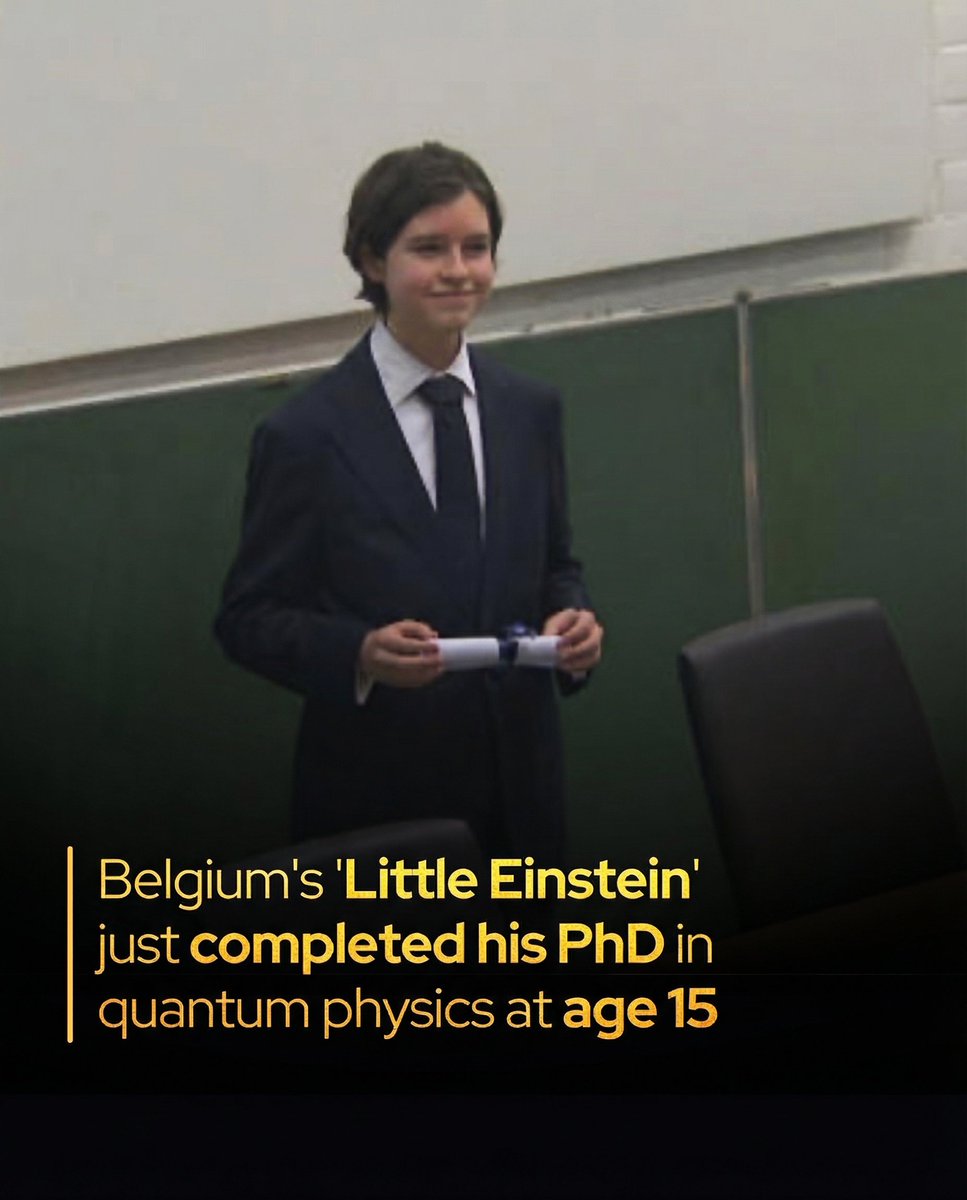
🚨 Belgium’s 15-year-old prodigy earns PhD in quantum physics
Belgium’s remarkable prodigy has completed a journey that most scientists need decades to achieve. Laurent began primary school at four, finished by six, and earned a master’s degree in quantum physics at twelve while studying the mathematics behind bosons, black holes, and the deepest mysteries of the universe. This week, he became one of the youngest physics PhDs ever recorded after completing his doctorate at the University of Antwerp.
His path has always been driven by something deeply personal. When Laurent was eleven, he lost his grandparents, an event that transformed his ambition. He says his goal since then has been to understand how to extend human life, not for prestige or recognition, but to help others live longer and healthier lives. Researchers describe him as having an exceptional memory and an IQ of 145, a level reached by only a tiny fraction of the population.
Despite offers from major tech companies in the United States and China, his parents have turned them down, insisting that he should grow at a healthy pace. Laurent is not the youngest PhD ever, but in modern physics his achievement is almost unmatched, especially at an age when most teenagers are just starting high school.
Now, at fifteen, he plans to shift toward medical science and pursue breakthroughs in aging research, one of the most challenging and rapidly advancing fields in modern biology. The questions he wants to explore are enormous, and his future may shape more than one scientific discipline.
Whether he revolutionizes quantum theory or helps unlock the secrets of human longevity, one thing is certain. Laurent Simons is only at the beginning of an extraordinary journey.
2,132 years ago, Cicero was born. He once wrote, “Sine libris cella, sine anima corpus est.” (A room without books is like a body without a soul.) and “Si hortum in bibliotheca habes, deerit nihil.” (If you have a garden and a library, you have everything you need.)
The Curies informed the l'Académie des Sciences #OTD in 1898 that they had demonstrated strong grounds for having come upon an additional very active substance that behaved chemically almost like pure barium. They suggested the name of radium for the new element.
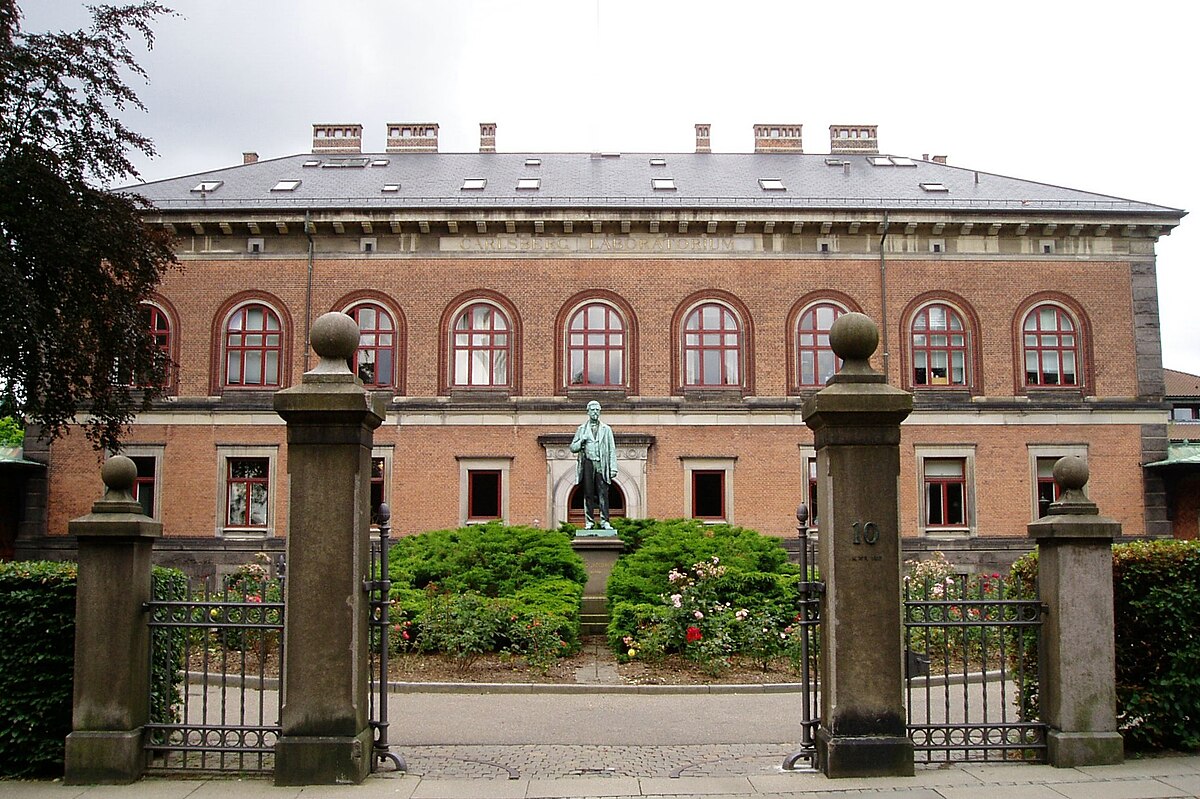
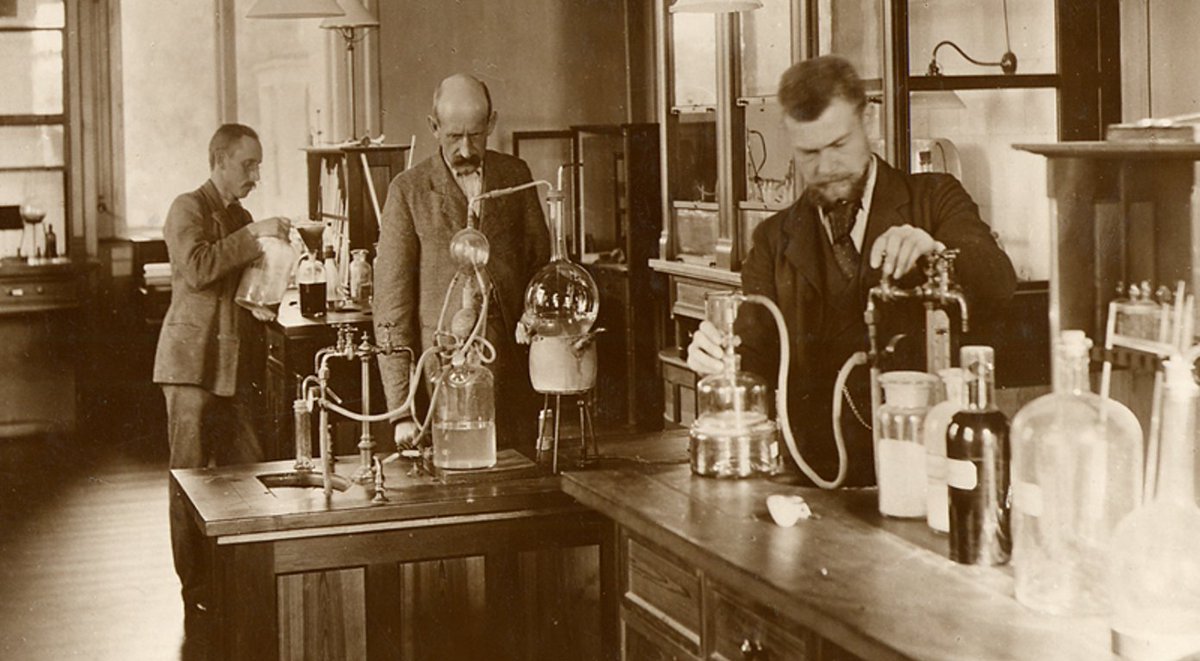
Carlsberg, the beer company, was founded in 1847. In 1875, they founded one of the first industrial research labs. Even today, the impact of this laboratory is highly underrated.
Some quick notes on discoveries made by Carlsberg:
1. For most of the 19th century, beer often made people sick because it contained a mixture of yeasts (and, often, bacteria). In 1883, Emil Chr. Hansen (at Carlsberg) isolated “a single cell of good yeast,” according to the Carlsberg website, which he then grew up as a pure culture. This strain of yeast, named Saccharomyces Carlsbergensis, was given away for free to other brewers, who used it to brew much purer beers that didn't make people sick. This yeast is the ancestor to many modern Lager yeasts.
2. In 1909, S.P.L. Sørensen invented the pH scale at the Carlsberg laboratory.
3. Christian Anfinsen, who kickstarted the protein-folding problem (I wrote about him a few days ago), spent a year or two at the Carlsberg Laboratory developing “new methods for analyzing the chemical structure of complex proteins,” according to his Wikipedia page. He went on to win a Nobel Prize in Chemistry in 1972.
4. In 1935, Øjvind Winge discovered that microorganisms — including yeast — can reproduce sexually. This was a big deal for developing genetic engineering tools, and it happened at Carlsberg.
5. Subtilisin, the same enzyme used in many detergents to wash clothes, was discovered at Carlsberg.
6. Morten Meldal invented Click Chemistry (for which he shared the 2022 Nobel Prize in Chemistry) while leading the Chemistry group at Carlsberg.
7. More recently, Carlsberg has been doing a lot of research into accelerating crop breeding to develop better barley and hops.
I'd be down to sponsor a long-form article about Carlsberg's research division, provided it includes in-person reporting (and, one imagines, beer tastings.) Please get in touch if you have reporting experience, live in Europe (ideally) and would be interested in doing this.
The father of modern Genetics was an Catholic monk.
Your biology textbook probably mentions Mendel, but it often glosses over who he was: an Augustinian Friar.
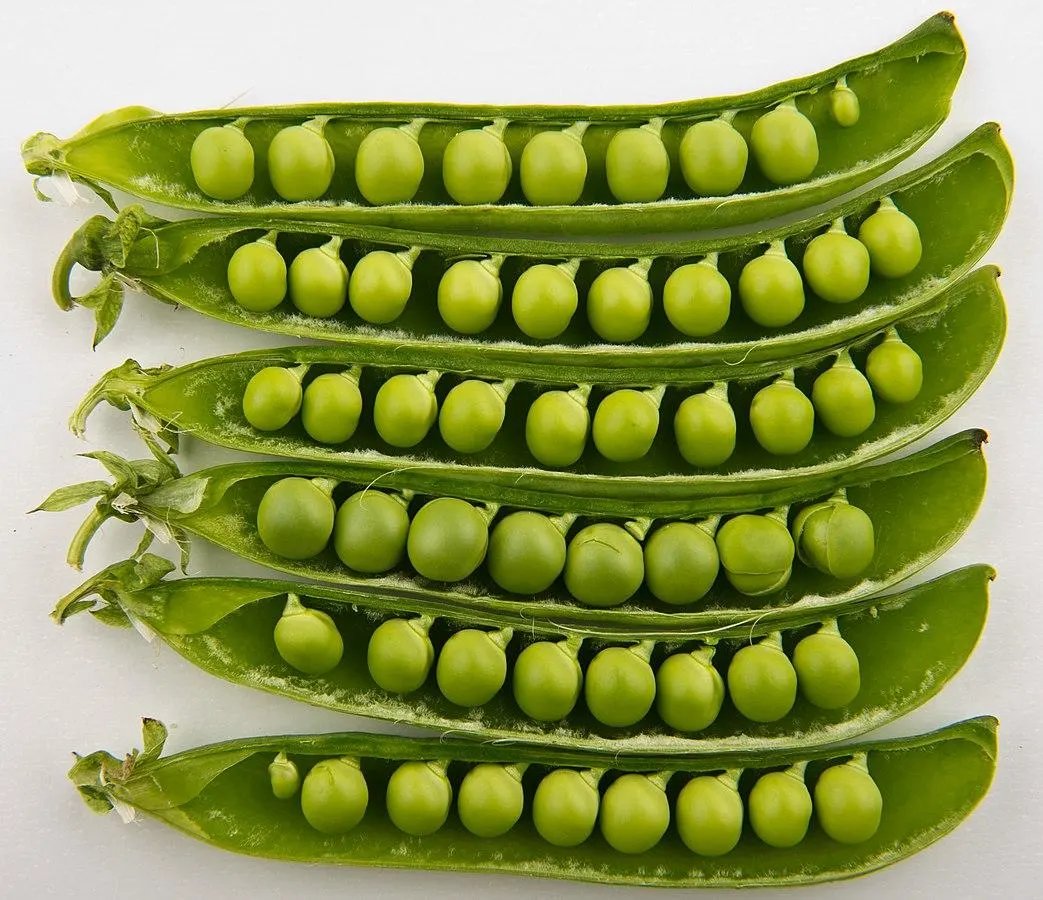
hile the secular world was arguing about Darwin, a humble monk was in his garden in Moravia, quietly unlocking the secrets of life (DNA and heredity) by breeding pea plants.
He saw no contradiction between nature and scripture.
The "Dark Ages" myth claims religion hates science, the reality is that the Church built the university system, and a priest pioneered the study of genetics.
Some of the coolest reactions sustaining our lives are catalyzed by this molecule.
Its central cobalt ion can shuttle between +1, +2, and +3 oxidation states, enabling the versatile chemistry of vitamin B12.
Vitamin B12 functions as a coenzyme in enzyme-catalyzed reactions, including methyltransferases and isomerases.
It's the most chemically complex vitamin. A remarkable molecule, with essential biological functions and interesting properties. Research on B12 has been recognized by multiple Nobel Prizes, including to Dorothy Hodgkin in 1964.
A 15-year-old student has drawn global attention after developing a device capable of detecting pancreatic cancer at its earliest stages. This matters because pancreatic cancer is one of the deadliest cancers largely due to late diagnosis.
The invention is a low-cost sensor designed to identify specific biological markers linked to early pancreatic tumors. Unlike traditional tests that can take days or weeks, this device delivers results in just minutes.
Medical experts reviewing the project noted that the technology could dramatically improve survival rates if deployed widely. Early detection allows treatment to begin sooner, when outcomes are far more favorable.
What surprised researchers most was the depth of understanding behind the invention. The teenager studied existing diagnostic limitations and engineered a solution that addresses both speed and affordability.
The breakthrough has earned international awards and scientific recognition, sparking discussion about how much potential remains untapped in young innovators. It highlights how curiosity, access to knowledge, and support can lead to life-changing discoveries.
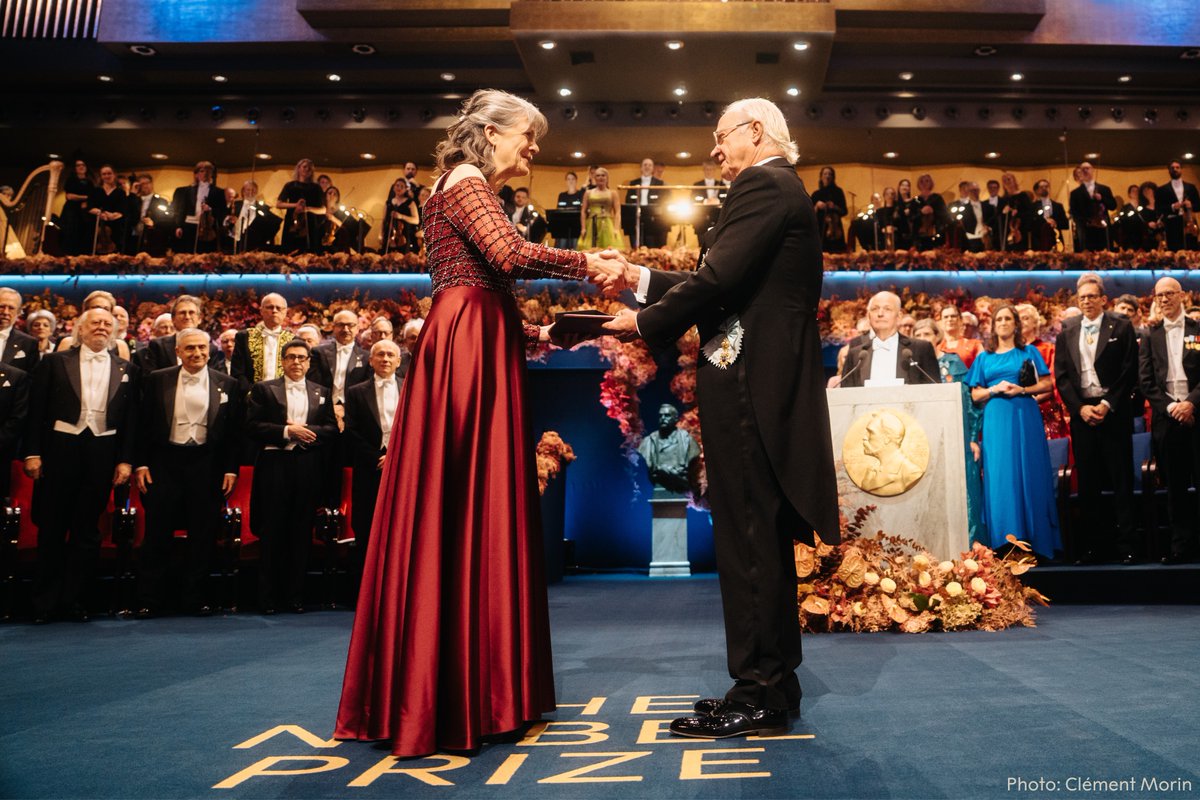
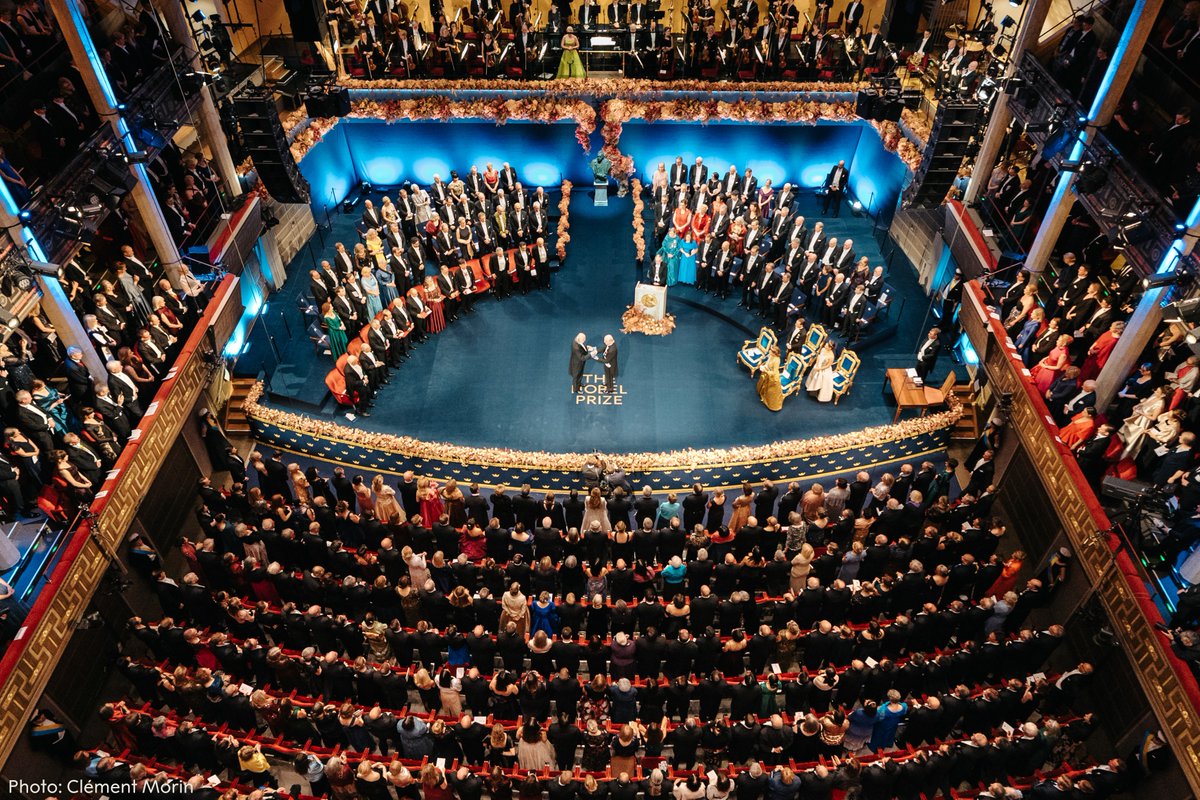
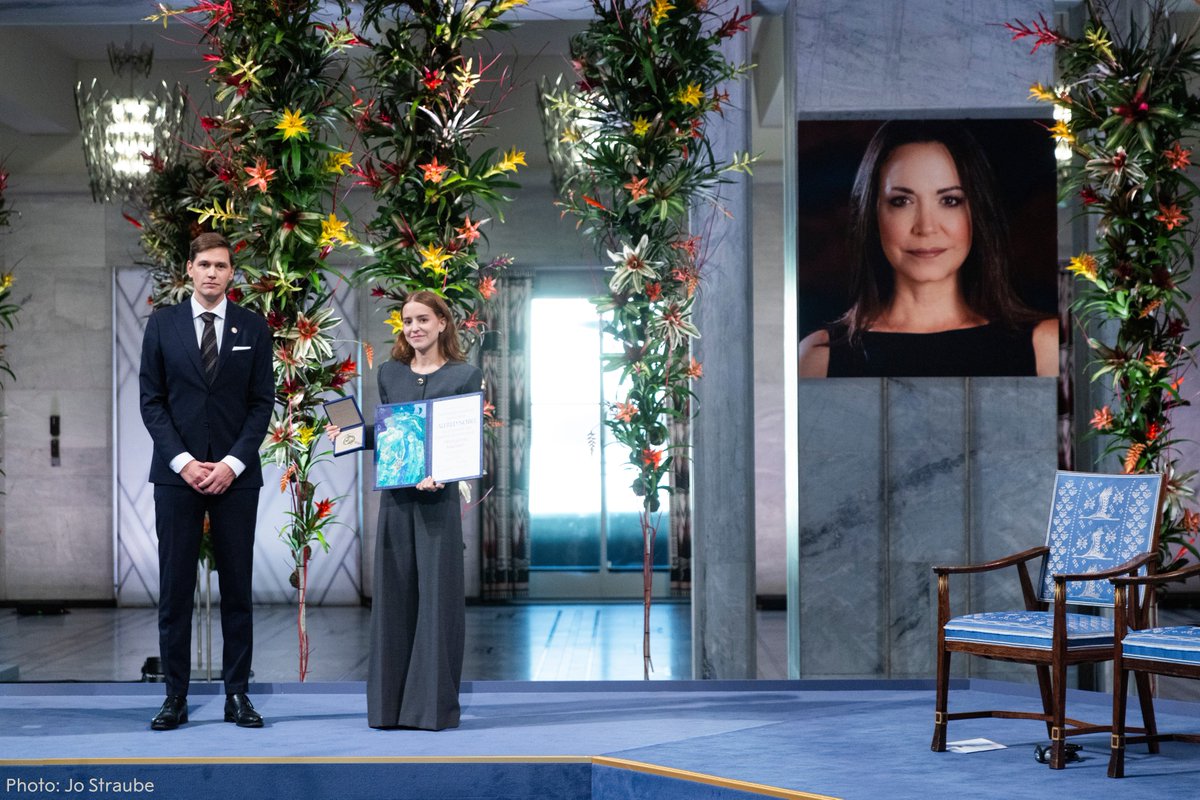
Today we celebrated our new Nobel Prize laureates in Stockholm and Oslo.
Take a look at the highlights from the celebrations – and let us know your favourite moment.
1) 2025 Nobel Peace Prize laureate Maria Corina Machado's daughter Ana received the peace prize on behalf of her mother.
2) Overview of the 2025 Nobel Prize award ceremony.
3) Medicine laureate Mary Brunkow receiving his Nobel Prize from the King of Sweden.
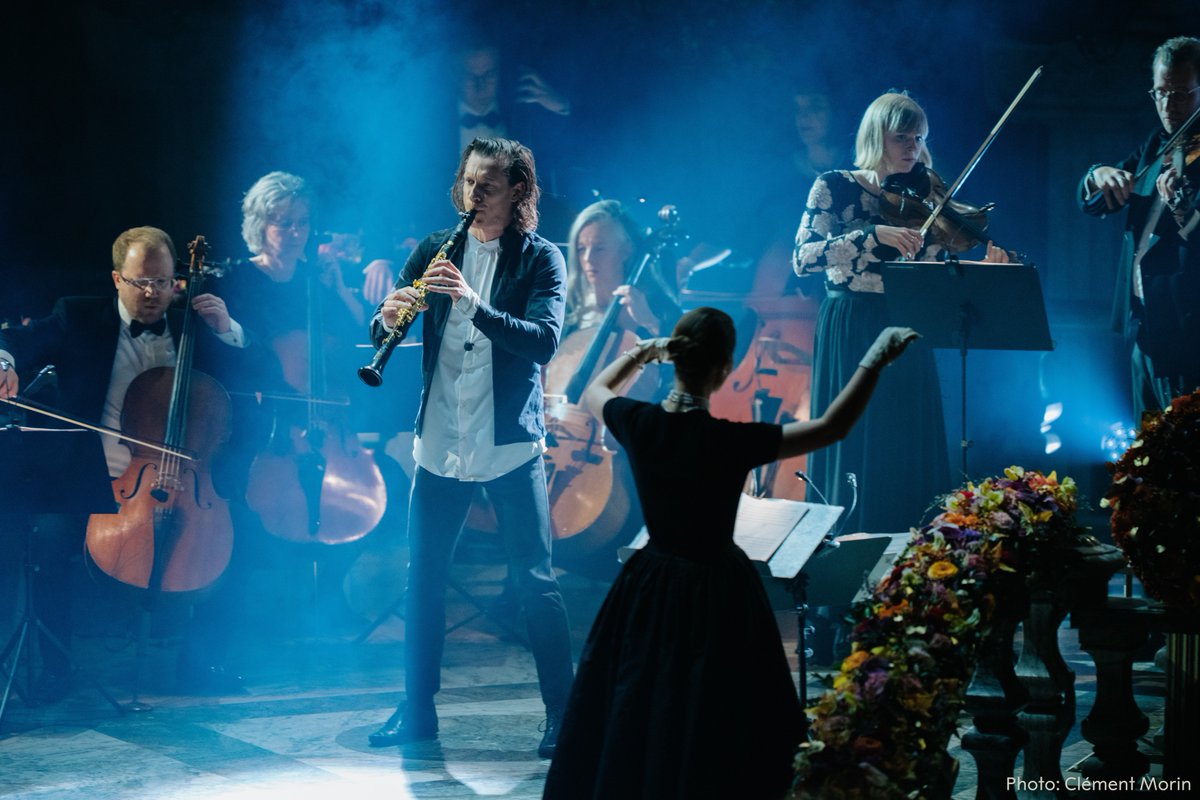
4) Performance at the Nobel Prize banquet, music composed by Jacob Mühlrad.
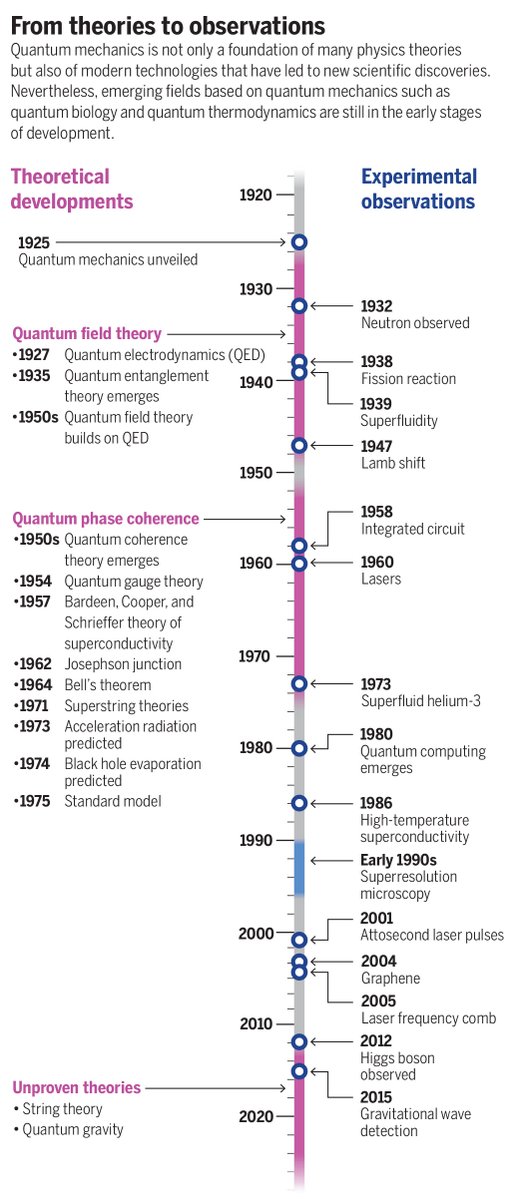
Quantum mechanics has gone from a theory in test to becoming the foundation of new technologies.
Learn more in a new #SciencePerspective that looks at the last 100 years of #QuantumMechanics: https://t.co/dJVd43rqZm
What is Science ?✍️
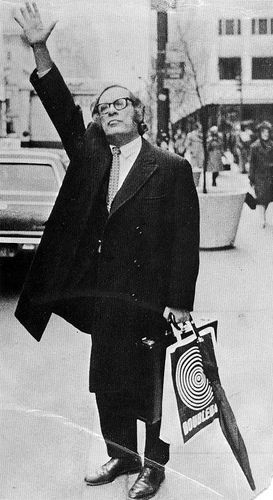
Science doesn't purvey absolute truth. Science is a mechanism. It's a way of trying to improve your knowledge of nature. It's a system for testing your thoughts against the universe and seeing whether they match. And this works, not just for the ordinary aspects of science, but for all of life..
ISAAC ASIMOV (1920-1992)
The image captures Iranian mathematician Maryam Mirzakhani receiving the 2014 Fields Medal—the first woman and the first Iranian ever to win mathematics’ highest honor.
French catholic priest and mathematician who proposed an inverse square law for gravitation before Newton- Fr. Ismaël Bullialdus (1605–25 Nov 1694). He was born in Loudun, France🇨🇵 to his Calvinist parents, at the age of 21, he converted to Catholicism and was ordained at age 26.
On #InternationalWeekOfScienceAndPeace we’re commemorating Canadian researchers Banting and Best, who discovered insulin. They sold their patent for just $1, stating their discovery belonged to the world. What Canadian invention inspires you? 🔬🌎
📸@LibraryArchives, 3382743