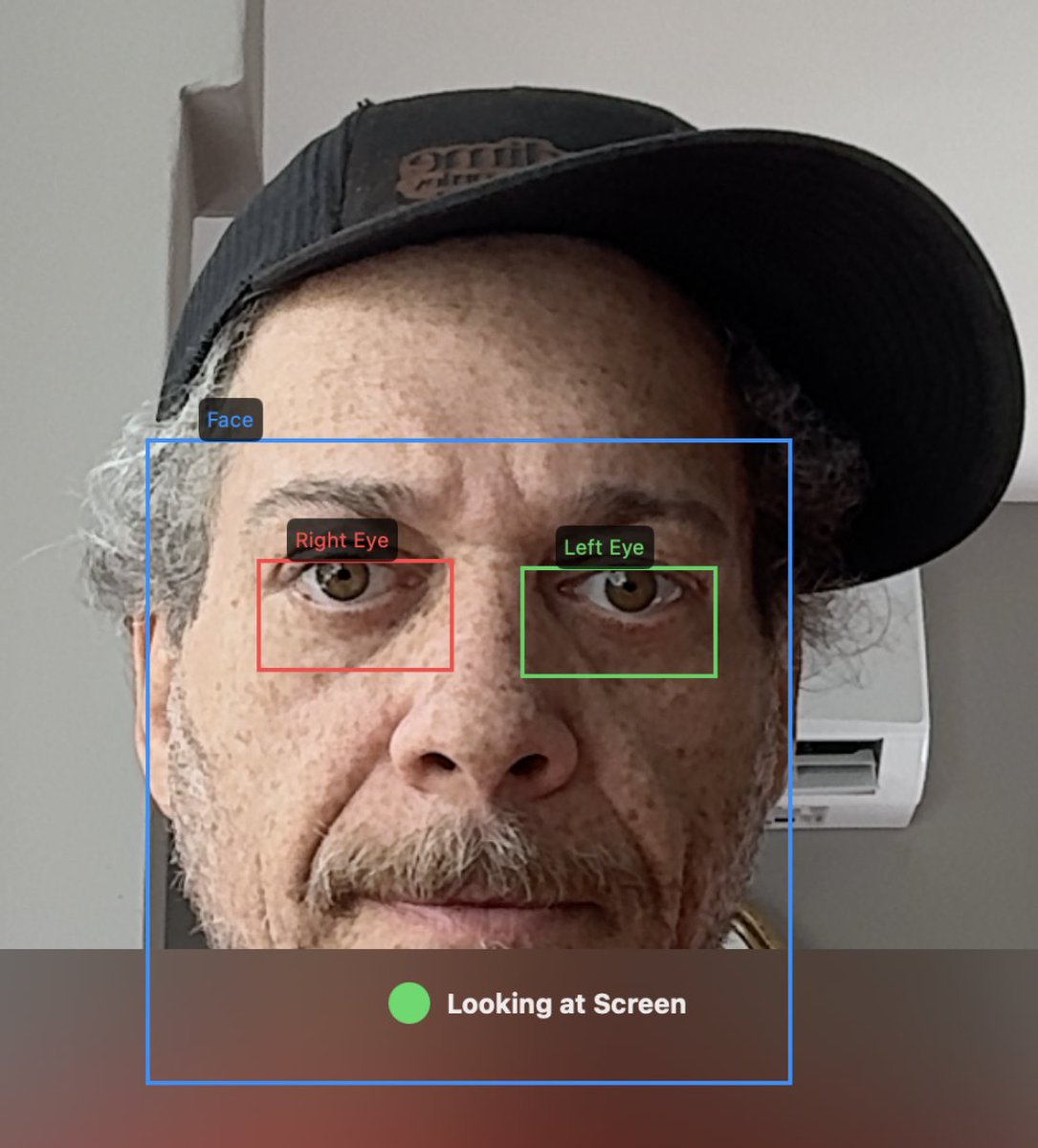
In 2004 I designed my first wearable AI memory prosthesis: smart glasses that knew when someone was looking at you. They automatically paused your chats and blogged your interactions. Like most of today’s “AI memory” toys, privacy wasn’t even in the blueprint. ACM CHI demo 👇
Every new medium starts by using an older one as its content. McLuhan noted: “The content of any medium is always another medium.” Film borrowed from theater; TV borrowed from film. Computers simulate them all. But LLMs go further: their current content is humanity itself. 🧵
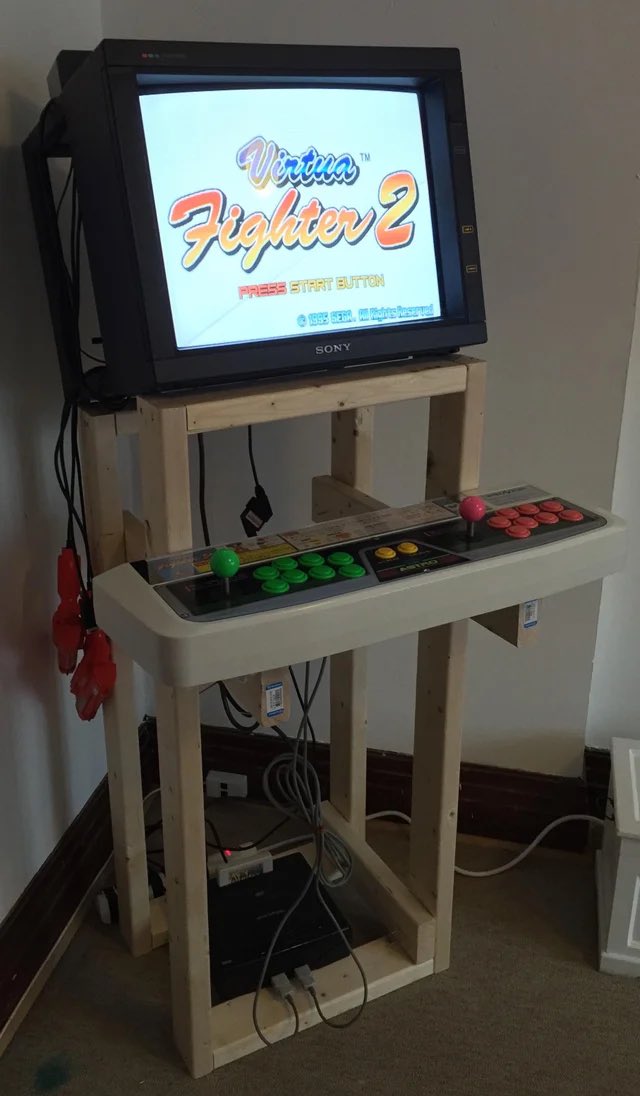
@mkvenkit If you like that MIT project check out MiSTer FPGA. Open source FPGA effort with dozens and dozens of computer, console, and arcade platforms
@yacineMTB Thx! Yes, this old version uses mediapipe. I have an in-progress prototype using my in-house ML calibration-free, lighting-independent eye-contact sensing model. Demoing this summer (I hope) 🤣
This method becomes truly magical when we use real eye-contact sensing rather than just head-pose. Currently working on a foundation model for eye-contact (not eye-tracking!)
This is neat, but I'm itching to see a model that can do proper multi-interlocutor turn-taking like the demo I made last year (vid in replies). Since the TM demo also incorporates vision, should be doable, but seems people are not thinking about this rw problem
People talk, listen, watch, think, and collaborate at the same time, in real time. We've designed an AI that works with people the same way.
We share our approach, early results, and a quick look at our model in action.
https://t.co/AFJZ5kH7Ku