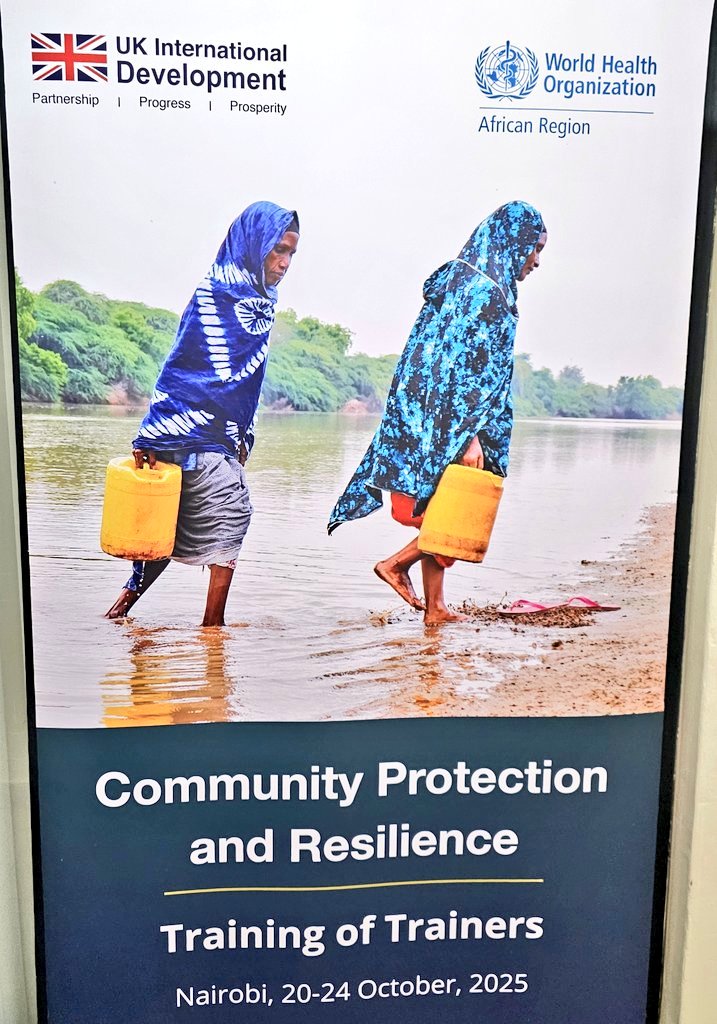
#Nairobi. From October 21-24, about 30 experts from MoH #Kenya@WHOAFRO@WHO@UNICEF@ifrc are focusing on Community Protection & Resilience #CPR strategy to strengthen community engagement.
@WHOAFRO is testing new integrated modules, including simulation exercises, during the current ToT to collect inputs. The 5 modules are combining #RCCE #BI #HP to facilitate the use of the different approaches as we are talking & training the same targets groups. This important step is planned for the implementation of the #CPR resolution adopted in #Gaberone #Botswana during the 73rd Regional Committee. A strong request of the 47 ministries of health of @WHOAFRO region.
#ProudToBeWHO.
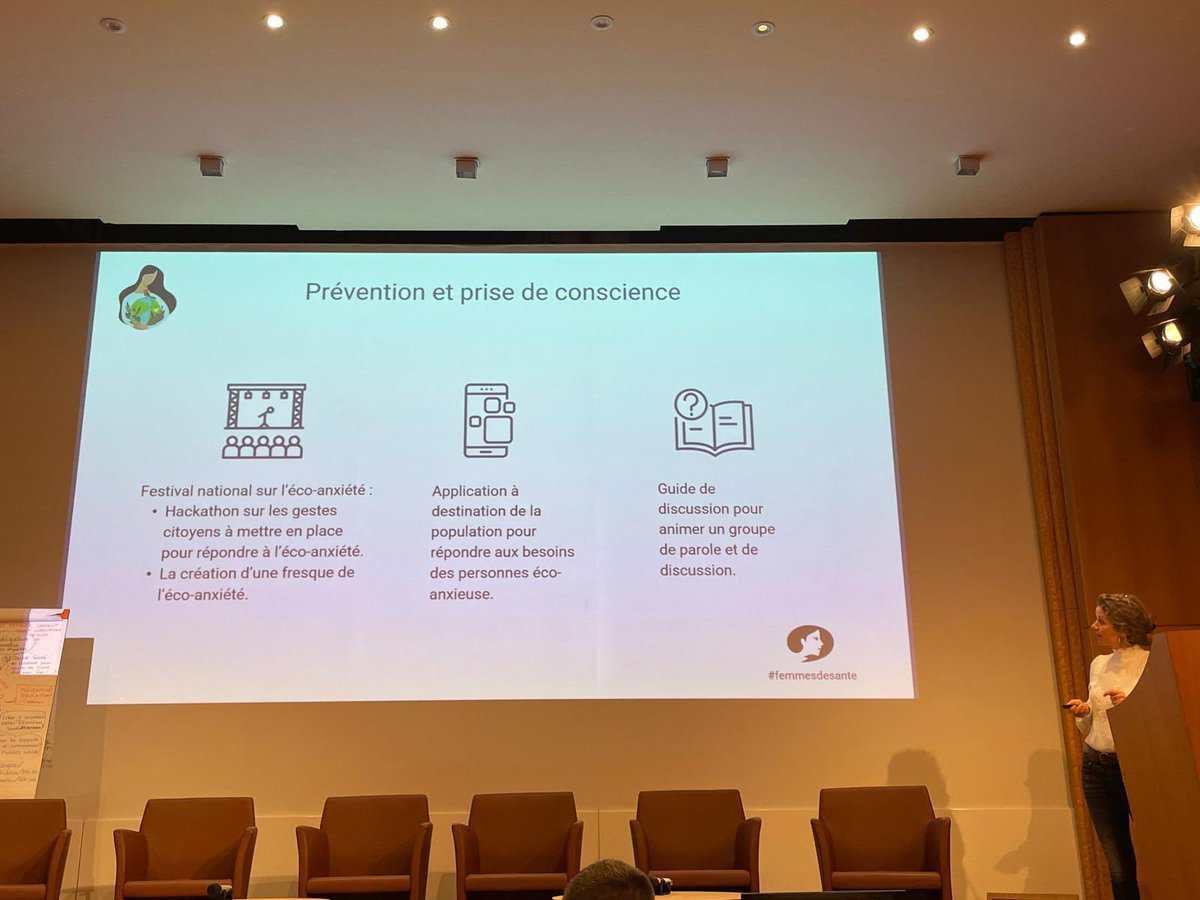
🎤#femmesdesante@cathy_bf, vétérinaire et fondatrice OLYLO & membre du collectif Femmes de Santé restitue l’atelier "comment faire de l'éco-anxiété une action positive pour la #santé ?".
T5 Sharing more stories from #farmers and #veterinarians about their journey to change the way antimicrobials are used in animals and preventing #disinformation about this would help spread adequate narratives about good practices to fight AMR #storytelling#theAMRnarrative
T4 #Animalhealth stakeholders also have their role to play to continue sharing good practices in antimicrobials use, even during an #infodemic, to be able to limit the increase of #AMR and to keep tools to continue treating animals and humans #theAMRnarrative
T4: Why are different stakeholders important to fighting the AMR infodemic? (e.g., charities, patients, advocates, health professionals)
#theAMRnarrative
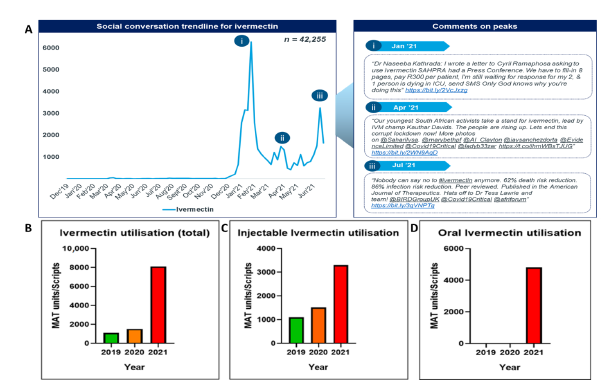
T3 True, and it also impacted the #animalhealth sector and the work of veterinarians with the shortage in #ivermectin stocks, and with consequences on animal health and #animalwelfare
T3: Misinformation was especially rife on #Ivermectin during COVID-19 and in this study there is a direct connection between influential politicians, or spokes persons and the consumption of the medicine. There is an important role for #healthcareprofessionals#theAMRnarrative
T3 This study https://t.co/7lzu7xbB0U results emphasize that changes in antibiotic prescription behaviour, #misinformation,(..) gaps in governance might increase the improper access and use of antibiotics during the COVID-19 pandemic, increasing #AMR. #theAMRnarrative
T2 Agreed Tina, and the overabundance of information coming from the infodemic relates to the silent pandemic of #AMR as it confuses people on the adequate #healthbehavior or animal #diseasecontrol measures to adopt #theAMRnarrative
@theAMRnarrative@CIDRAP_ASP T1: A good example of how infodemics could impact AMR was seen early in the pandemic, when there was an early belief, based on one study, that azithromycin plus hydroxychloroquine was an effective treatment for COVID-19. Azithromycin use climbed as a result. #theAMRnarrative
An infodemic is an overabundance of information, accurate or not, in the digital and physical space, accompanying an acute health event. #theAMRnarrative
An infodemic is an overabundance of information, accurate or not, in the digital and physical space, accompanying an acute health event. #theAMRnarrative
Hi #theAMRnarrative network! I am Catherine, veterinarian by training, working in #publichealth and #onehealth communication for 15 years, and proud #infodemicmanagement trainer since 2021 ;-) I've worked on the first tripartite AMR communications back in 2015-20. Happy to join!
So cool to listen to these great #publichealth experts this morning. Sharing & learning from experiences in the field is key to advance the #infodemic management field! #SBCCSummit
The new issue of @WHO#infodemicmanagement NewsFlash is out! It focuses on how stories can help IM in #publichealth. Don't miss the opportunity to apply for the upcoming multilingual #storytelling workshop and check out the full list of #jobs and events! https://t.co/XzwD9HhJh4