comparative biomechanics, physiology and evolution of kangaroos, lizards, frogs and insects. Associate professor University of the Sunshine Coast #usceduau
🎃🕷️Just in time for Halloween: A really cool short movie about our spider sleep research @UniKonstanz@zukunftskolleg by @lgroskin for @sciam 🕷️💤 Thanks Luke! Totally worth the wait ;)
https://t.co/lABOcg2It5
How fast are modern day human compared with our ancestors? This @ConversationEDU article explores speed and body size in human predictive simulations based on our @NatureComms paper with @TaylorJMDick@FriedlDeGroote
https://t.co/l5IPhoTuxL v
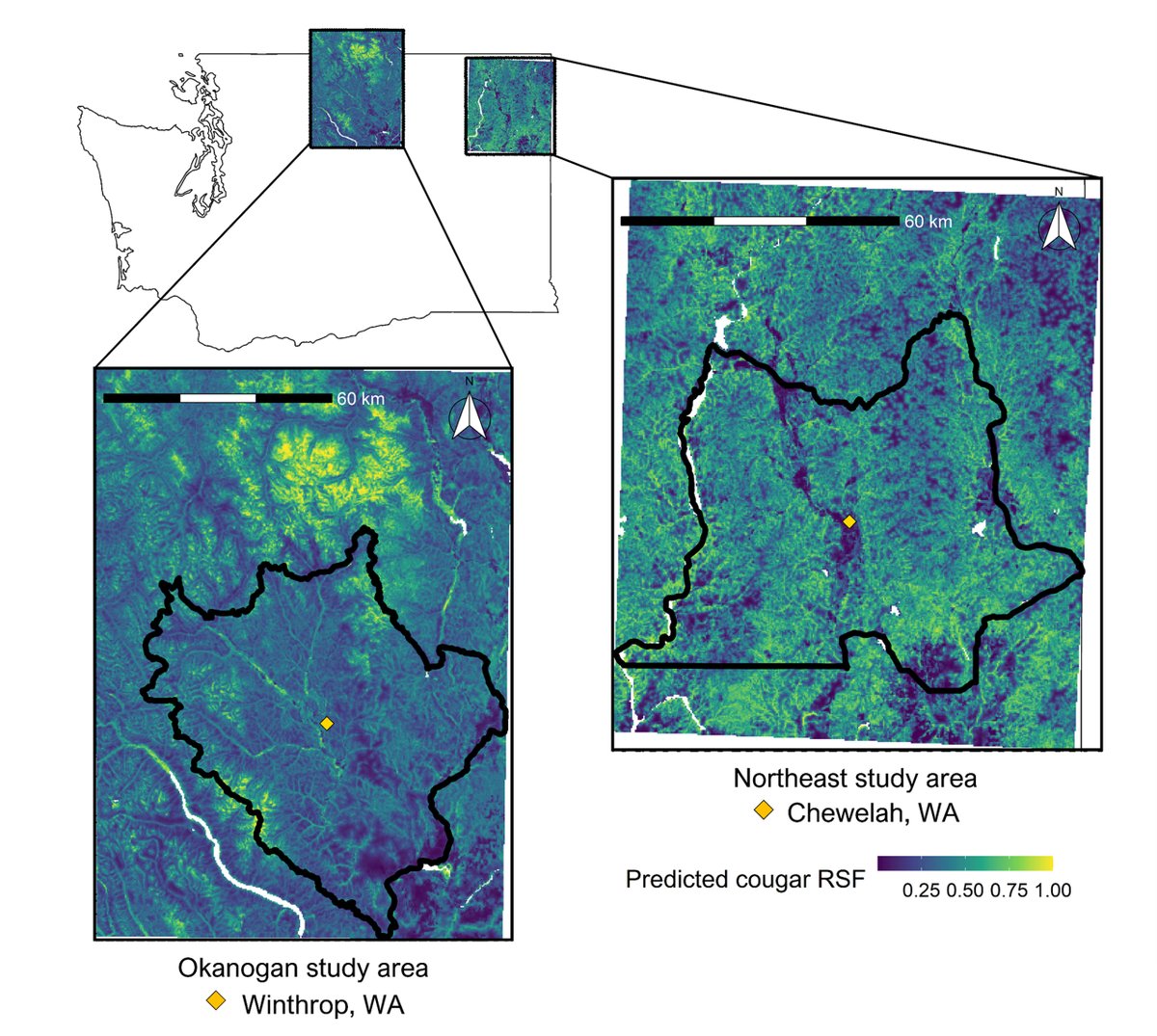
New in @ESAEcology: In eastern Washington, cougars, wolves, & ungulate prey adjust their broad-scale movement based on long-term habitat use rather than predator hunting strategies
https://t.co/7oJ9AzADbF
With #OpenData & code in @datadryad & @ZENODO_ORG
@S_Bassing
As our fish-like ancestors evolved, developing necks, the nerve got stuck in its pathway. Evolution couldn't re-route the tangled wire without unplugging it
It's sub-optimal design no engineer would ever make. It developed in tiny gradient steps, yielding only a local optimum
Short write up using #NatureComms blog post feature on our paper exploring the limits of speed and size. With @TaylorJMDick and @FriedlDeGroote
https://t.co/KczJJCVqAM
Human musculoskeletal simulations not only predict the optimal body mass for speed in humans 🏃, but also all mammals 🐆! @cclemente4 et al suggest mass-speed represents general rules & not the result of phylogenetic or other ecological factors | https://t.co/BcdHycnmv2
Ever wondered what a dwarf racing a giant would look like? Our (@TaylorJMDick and @FriedlDeGroote) new paper simulated humans moving at masses from 0.1 kg to 900 kg. We use them to understand the biomechanical limits to speed as mass increases.
https://t.co/sdGNCFQCHn
Our new paper is out in @NatureComms
We used predictive musculoskeletal simulations based on @OpenSimSU models, scaled in size from mice to elephants, and reveal mechanistic links between speed, posture and energetics https://t.co/wIHEvgs1Q1
@cclemente4@FriedlDeGroote@UQ_News
Domestication of dogs changed not only their facial muscle morphology but also how these muscles function. Dogs have ~100% fast-twitch muscle fibers, enabling quick facial expression movements while wolves have less than 50%.
By @Anne_M_Burrows et al.: https://t.co/w3lAuuCNzo
A nice write up by @usceduau on our fun project on the advantage of muscle pennation with changes in muscle shape. With Robert Rockenfeller, Michael Gunther and @TaylorJMDick
https://t.co/FwAw6tYgB5
New paper->Rethinking the physiological cross-sectional area of skeletal muscle reveals the mechanical advantage of pennation
https://t.co/2uLIb0Lk70
..we use geometric models to highlight the mech. advantage of a pennate design & clear the air on some PCSA confusion @cclemente4
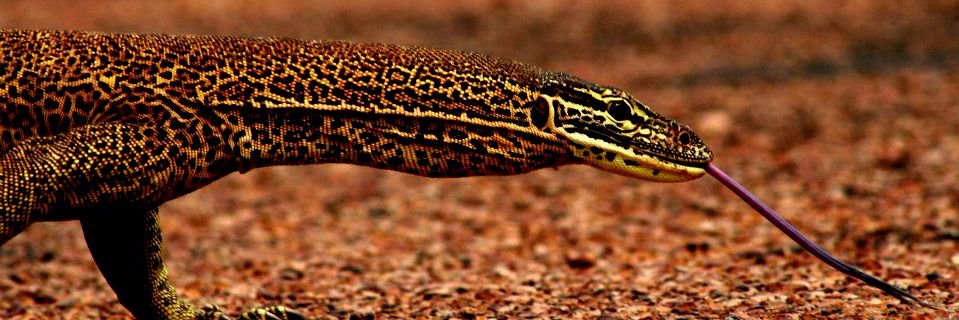
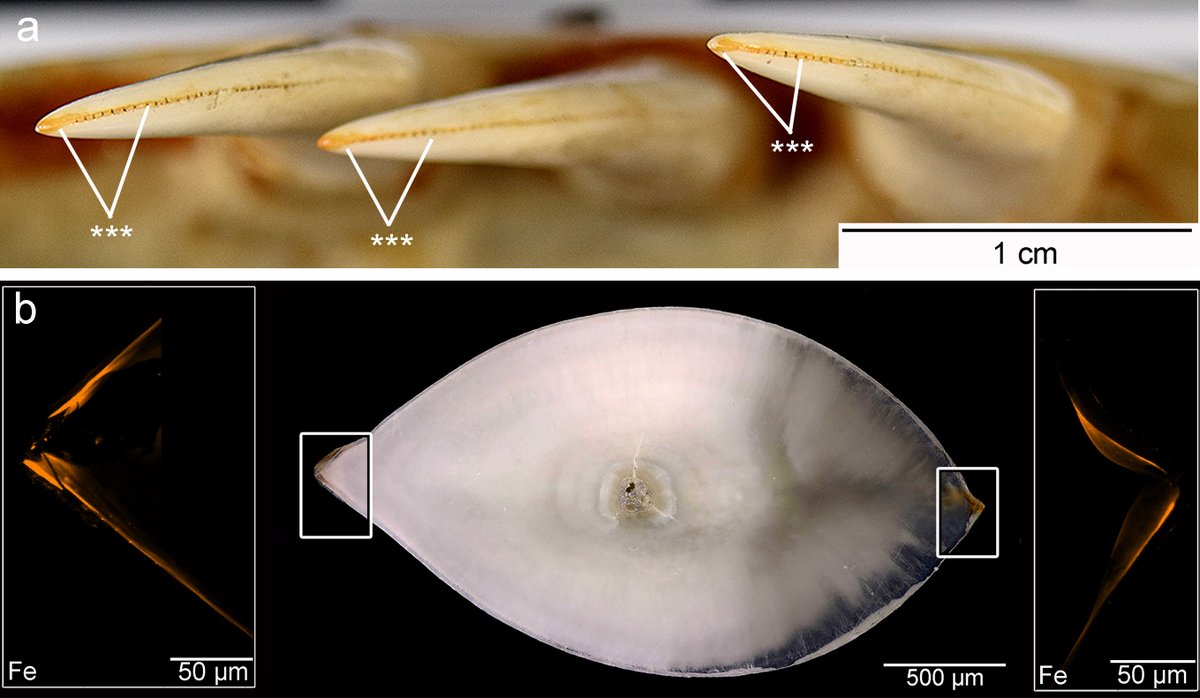
Scientists have found Komodo dragons, the largest lizards in the world, have iron coated teeth.
@AaronLeBlanc6 (@kingsdentistry) says the study gives us clues to how dinosaurs like the T-rex may have ripped apart their prey #ScienceatKings
Read more⬇️
https://t.co/xoiW394BTT
Komodo dragons have iron -coated teeth!!
It was amazing to be part of this team led by @AaronLeBlanc6 - showing that this iron coat in komodo (and in other varanid lizards!) might help keep these teeth sharp @usceduau https://t.co/0v3SEHRRyF
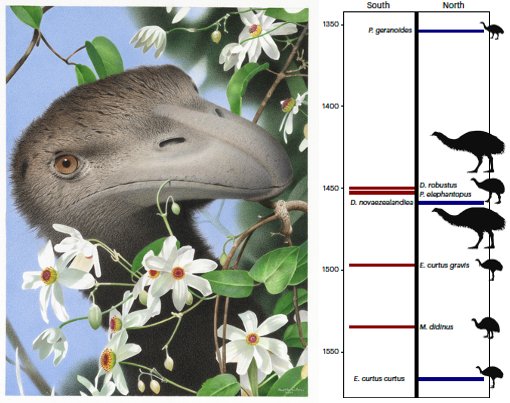
Moa didn't go #extinct all at the same time in NZ, but they did all go #extinct in places close together. These places are also the final holdouts for today's threatened birds, kakapo, takahe and many kiwi species. Want to know more? Take a read 👇
https://t.co/iu9vv2sea8