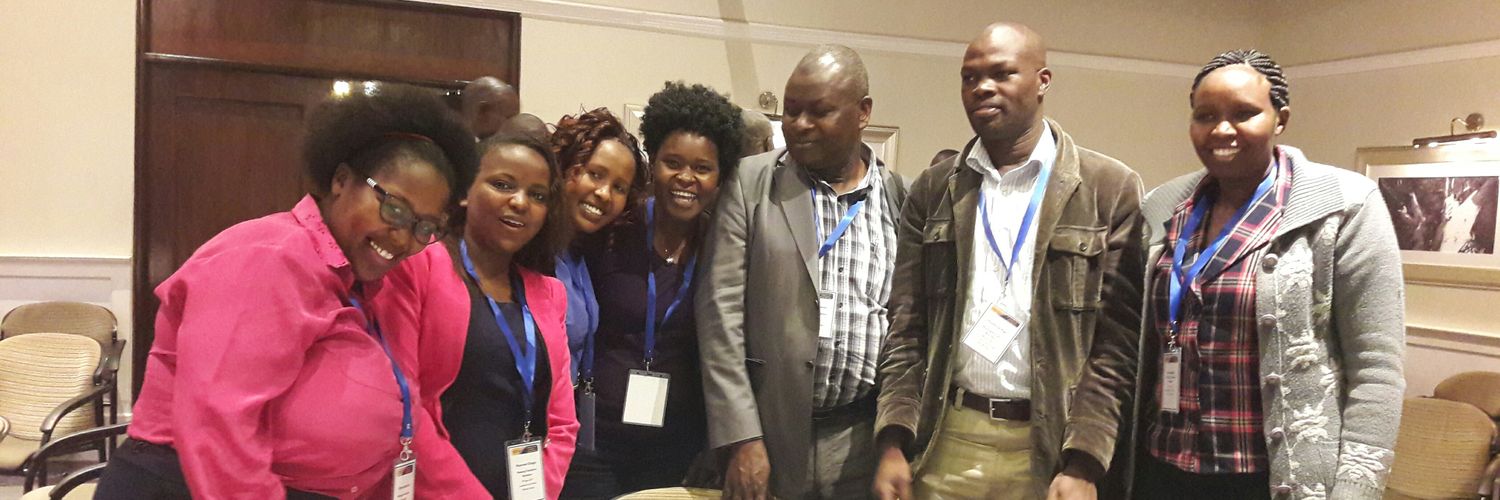
Nutrition & Public Health - Scientist, Trainer & Consultant | Agri-Food Systems & Behavioral Change Communication (BCC) Researcher.
#ChadQuote#DigoConsult
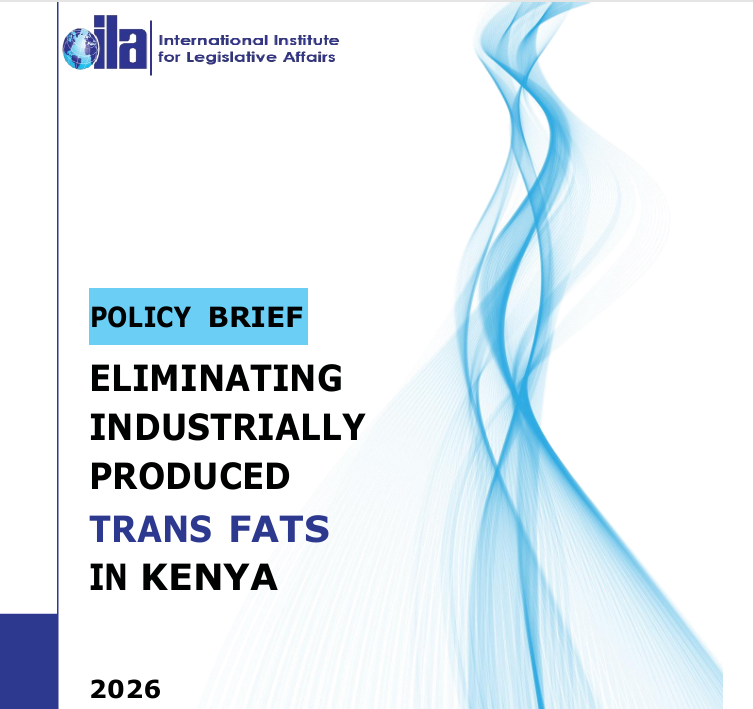
Industrially produced trans fats (iTFAs) are still a public health concern in Kenya.
These fats contribute to cardiovascular diseases, placing a heavy burden on families & the health system.
📖 Read the policy brief: https://t.co/BjnXvvLzZy
#TransFatFreeKenya#TransFatFreeEAC
🟡Can we talk farmers without talking beans🫘? At #WFO2026 in Nairobi, @PABRA_Africa showcased innovations, from fortified high‑iron beans yielding up to 3x more to market‑ready “Githeri‑on‑the‑Go.” Solutions for #GoodFood4All exist. It's time to scale ambition. #FutureFields
Reliable data is essential to tackle commodity-driven deforestation and support more sustainable supply chains.
This new @FAO publication sets out good practices for mapping tree crop commodities using Earth observation and geospatial methods 👉 https://t.co/kAvXZHRMNm
Reflecting on #MadarakaDay2026, I saw more than infrastructure. I saw opportunities for skills development, enterprise, and resilience. How can we better align TVET with emerging economic opportunities for sustainable development?
#TVET#SkillsDevelopment#FutureOfWork.
Geography matters for nutrition.
New research from Indonesia shows how access shapes the link between food security and nutritional status across rural communities.
Read:🔗 https://t.co/NCaTcjOR16
#FoodSecurity#TreesPeoplePlanet
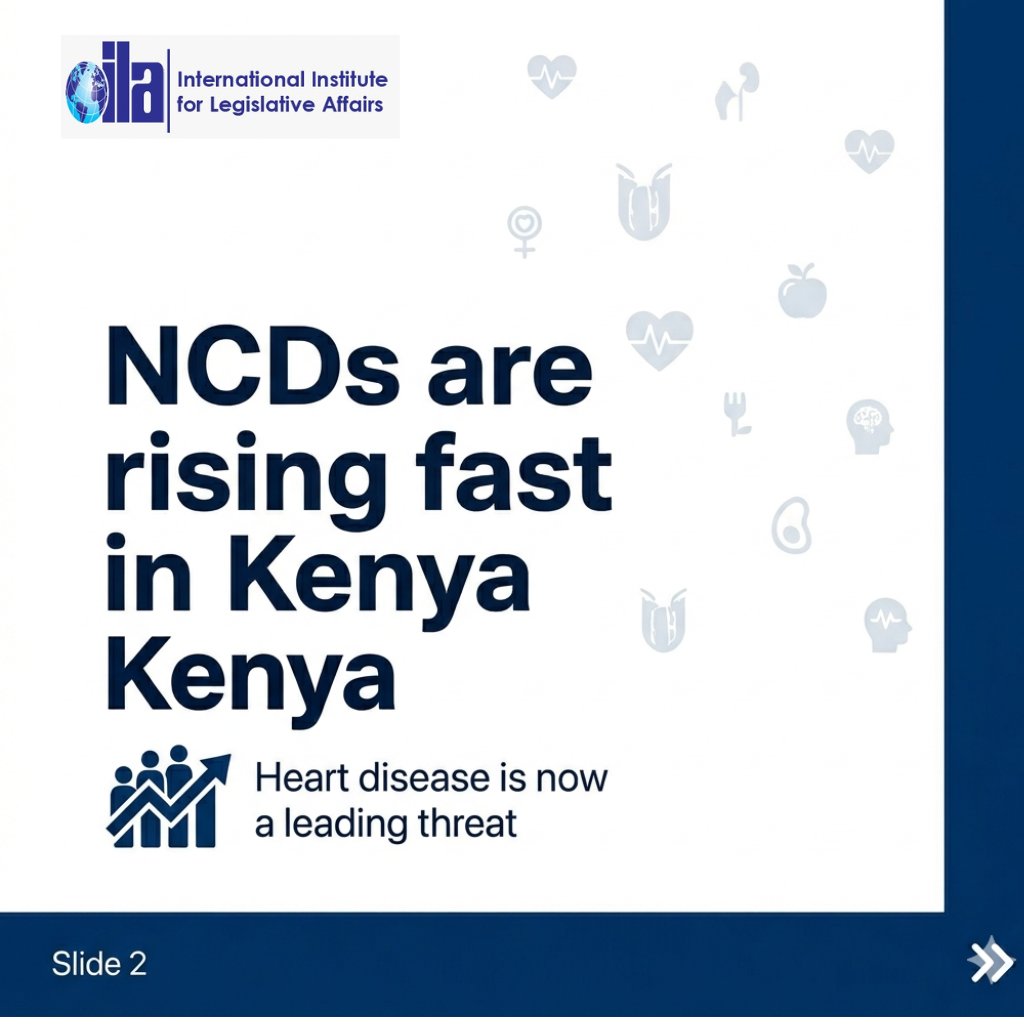
Non-communicable diseases (NCDs) are rising fast in Kenya, and unhealthy diets, especially industrially produced trans fats (iTFAs), are a major driver.
Recent media coverage highlights why urgent policy action matters:
📰 Stronger iTFA regulations could prevent over 100,000 heart disease cases and save up to 50,000 lives in Kenya.
📰 Women are disproportionately affected not just biologically, but through their role in shaping household nutrition.
📰 Yet harmful trans fats remain present in everyday foods like fried and baked goods.
We’ve rounded up key articles unpacking this issue 👇Read more in the links below and join the conversation on healthier food environmentS:
1⃣https://t.co/7x9NcqPm6k
2⃣https://t.co/junzygBQJK
3⃣https://t.co/6l4a8xWCjr
#TransFatFreeKenya #TransFatFreeEAC
How can food systems expand women’s opportunities and strengthen communities?
Explore recent research from Katrina Kosec, Jordan Kyle, Emily Myers, Agnes Quisumbing, Teresa Gonzales, Ana Madero, Caitlin Mittrick,
and Amica Rapadas on anticipatory action and women’s empowerment here: https://t.co/ZGdKGcEaCj
@CGIAR@KKosec@jkyleindc@agnesquis #ForAllWomenAndGirls #WithScienceWeCan
From farm to table, fruits & vegetables power nutrition, livelihoods, and sustainable agrifood systems.
@FAO invites organizations worldwide to share innovations and proven solutions for a new global report.
📅 Deadline: 22 March 2026
🌐 https://t.co/19d8swsGOX
#AgInnovation
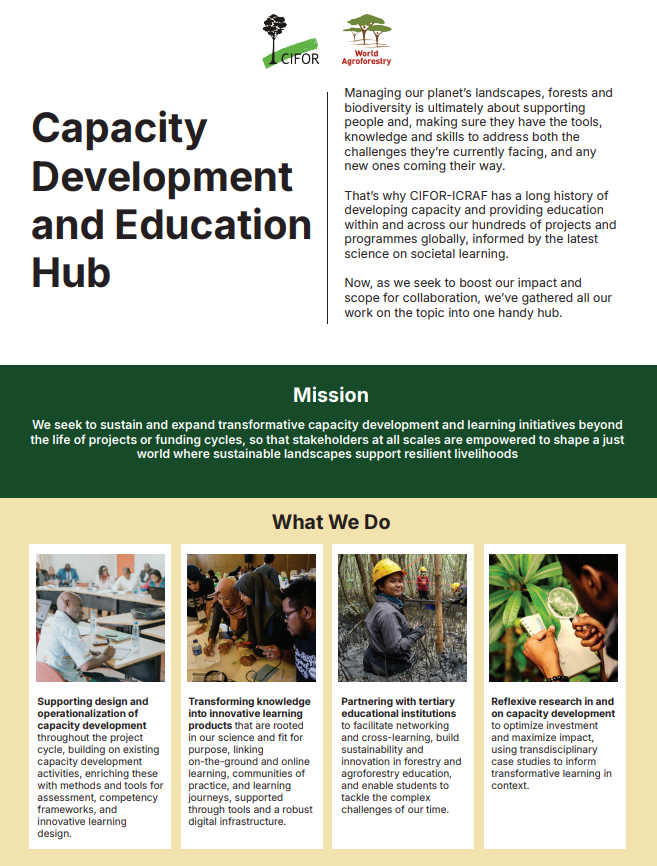
Managing forests, landscapes & biodiversity starts with people.
CIFOR-ICRAF’s work on capacity development & education is now in one place, connecting learning, skills & science from around the world.
Explore the Capacity Development & Education Hub:🔗
https://t.co/GEmI4WEvUV
#RestorationEducation
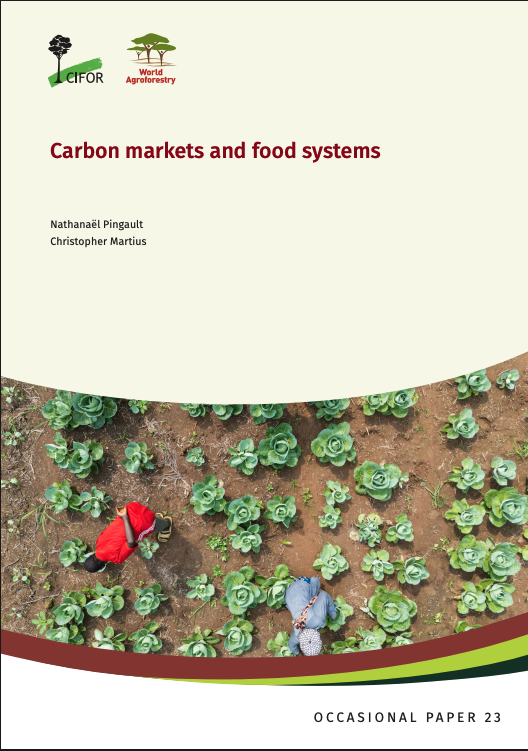
Food systems generate around one third of global emissions, but carbon markets still overlook many high-impact areas.
This new study explores what’s missing and why it matters.
Read:🔗 https://t.co/uHCy2lgihv
#TreesPeoplePlanet
Advancing #GenderEquality in food security and agriculture requires transformative change.
This @fao guide helps integrate a Gender Transformative Approach (GTA) throughout project cycles, promoting empowerment and equality.
Learn more 🔗 https://t.co/euHNkafo15
#IWD2026
You can cook at home, avoid sugar, cut salt, and still consume harmful fats without knowing it.
Industrially produced trans fats (iTFAs) hide in everyday foods and quietly increase heart disease risk. Setting the @WHO recommended limit will protect Kenyans, where choice alone cannot.
#TransFatFreeKenya #TransFatFreeEAC
📢 We’re hiring!
AFIDEP is seeking a Research & Policy Associate – Evidence Uptake to support and coordinate the implementation of an evidence uptake project across African contexts.
This role is ideal for a professional with strong qualitative research skills, experience in policy engagement, and a passion for strengthening the use of evidence in decision-making.
📍 Duty station: Kenya
🎓 Requirements: Master’s degree (social sciences or related), at least 3 years’ qualitative research experience
🗓 Deadline: 5 January 2026
Visit our website for more details: https://t.co/BP6qCymxkn
#IkoKaziKE
3️⃣ days until this special event:
📌 Shaping Food Policy in a Changing World: Research Priorities for Greater Impact
📆 December 15, 2025, from 9:00 am – 4:00 pm EST
📍 This event will take place in-person at IFPRI HQ and online.
🎫 https://t.co/hTdYaodTVF
#IFPRI50@CGIAR
I encourages ALL consumers to "unlearn" simplistic narratives and seek nuanced views about food processing and agricultural markets.
Learn more https://t.co/DLHuEACDVi
.
.
.
#ChadQuote#DigoConsult
Avoid eating processed "maize flour."
They are manufactured from imported cornstarch.
They bleach with chlorine dioxide & Benzyl peroxide that is why it is white.
Ever ask yourself why there are over 40 brands yet maize farmers are lamenting?
Unlearn!
#FoodFriday
📣 #SaveTheDate | #UNFSS2025
Ahead of the event, the #OnMyPlate campaign is celebrating the powerful connections food creates on culture, community & change.
Share your plate🍽️, tell your story, and show why food systems matter for #GoodFood4All.
📍 https://t.co/PEZcNWBbjX
Call for Applications📢!
Are you a recent graduate passionate about health and research?
Apply for the fully funded PGD studentship offered by @IDeAL_KEMRI_WT & @PU_Kilifi and gain knowledge and practical research experience.
🔗: https://t.co/C6IpAoeluB
🗓️: July 20, 2025
Colorful foods from nature contain a spectrum of phytonutrients, such as flavonoids, carotenoids, and polyphenols, that contribute to various physiological functions, from supporting heart and brain health to gut balance and cellular resilience. This visual highlights how different colors in your diet may align with key areas of wellness (a “functional color code��).







![IFPRI's tweet photo. #NowReading: Cost and affordability of recommended diets in #Rwanda using [near] real-time market data.
Read the study here to learn more: https://t.co/lp6df2kkKc
@CGIAR @IFPRI_Africa @_Food_Policy https://t.co/vN2b4Z2OzF](https://pbs.twimg.com/media/HKuA_aaWsAA42Tb.jpg)