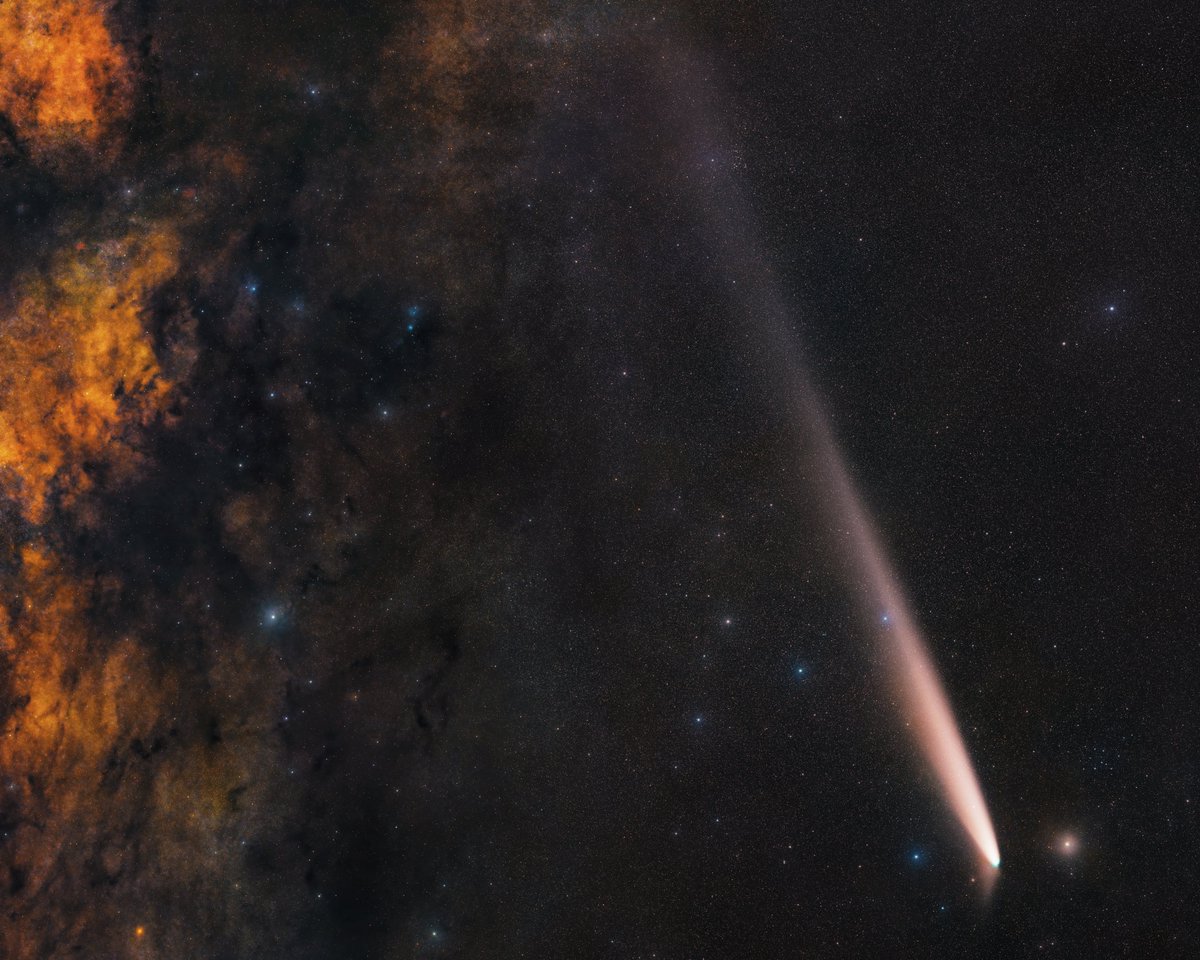
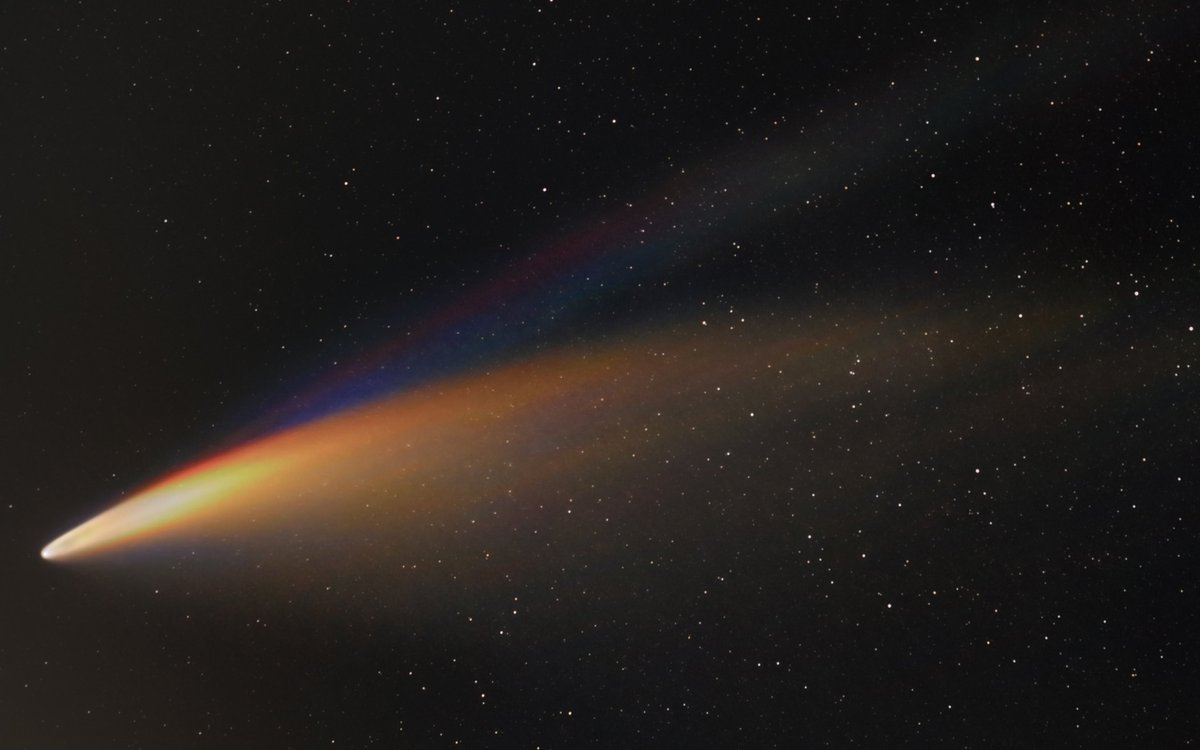
Here’s 4 of the comets I’ve photographed over the last 4 years. We’ve been lucky to get a pretty cool comet every year!
Neowise, Comet C/2022 E3 (ZTF), Leonard, and C/2023 A3 (Tsuchinshan–ATLAS). The last one is available in print for the next few days at the link in my bio.
Looking for a last minute costume? Take some inspiration from our scary spiky friends 🌵
Happy Halloween 🎃 from the Tonto! We hope you’re staying safe and spooky this holiday and coming to visit us soon!
Leaking radio emissions from SpaceX’s Starlink satellites are impeding observations by some ground-based radio telescopes and may eventually blind them, a new study has found. https://t.co/NqK34e6mXC
Sad news: the world-famous Robin Hood tree at Sycamore Gap in Northumberland has been cut down in a mindless act of vandalism. The location is popular with astrophotographers and stargazers; it's a shame future generations will no longer enjoy it. #sycamoregap#northumberland
The @KaibabNF and Coconino national forests are seeking public comments about a proposal to install up to three new wildlife highway crossings in northern Arizona, pending funding availability. The goal: keep motorists safe and allow wildlife to safely cross interstates.
The proposal, brought forward by the Arizona Game and Fish Department in collaboration with the Arizona Department of Transportation, is based on years of study.
The proposed crossings would be located on Interstate 17 south of Kachina Village, on I-17 north of the Willard Springs exit and on I-40 west of Parks.
Learn more and send us your comments: https://t.co/Phc3OMBCb6
Photo: Animals seen using a wildlife crossing in southern Arizona. (Arizona Game and Fish Department Photo)
My field of study is having a moment, y'all. We made the cover of @ScienceMagazine.
My inner 16-year-old, who read this same journal in his high school library three decades ago, is grinning from ear-to-ear at the moment.
https://t.co/wcVbcnr5bA
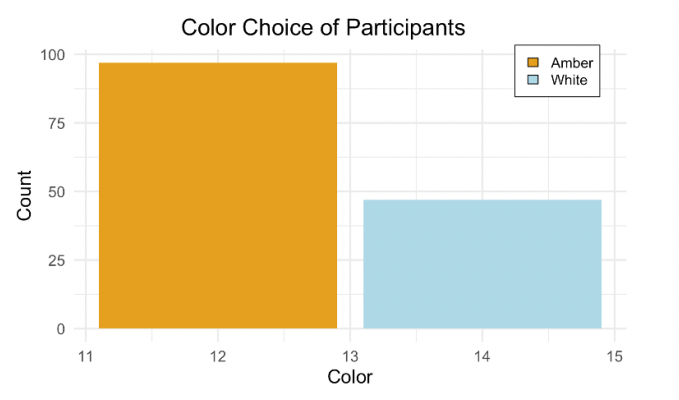
Interesting results in an MS thesis on lighting preferences of park visitors. "From this research, amber light at a minimum intensity of 2.87 lux is the recommended lighting infrastructure for nighttime visitors needs in national parks and natural areas."
https://t.co/IIBvfDINBd
Do you know how light pollution impacts your life?
In addition to brightening our #DarkAndQuietSkies, light pollution wastes a lot of energy: @IDADarkSky estimates that the US wastes $3.3 B yearly in energy lost for poor streetlight design.
Together we can change that.
"The revolution in LED lighting has increased the scope of light pollution in the United States. We can combat this pollution as a nation by transitioning to equally efficient warm-light LEDs from the currently in-place cool-light LED fixtures."
https://t.co/OVKZJg9d1w
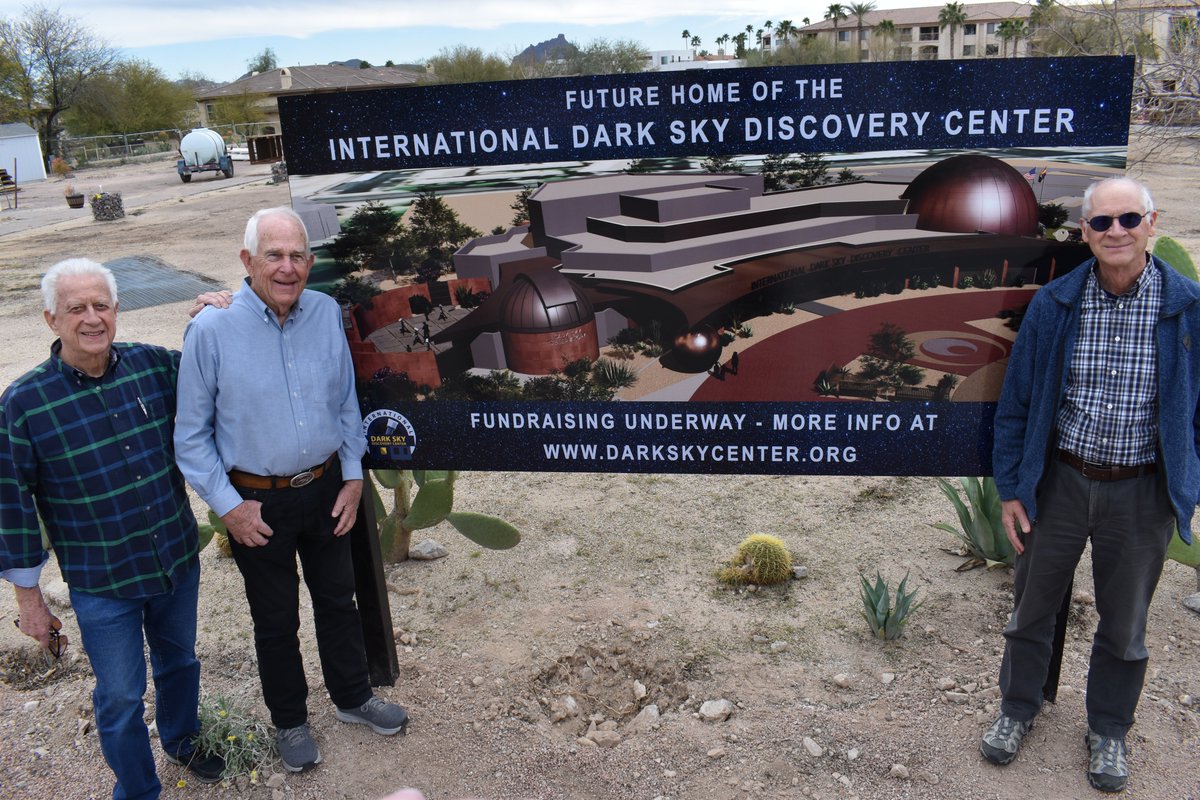
Signs are up at the @IDSDC site in Fountain Hills, Arizona. This will be an amazing, one-of-a-kind global destination when it opens. https://t.co/ItkUy15CJy
"For millennia, humans have peered into the heavens, and people around the world have seen a night sky that’s virtually identical to what their ancestors saw. But in recent years, that has clearly changed." (by @raminskibba for @WIREDScience)
https://t.co/JlAV5giAIh