Oceanographic just ran my latest: The Chagos handover is a geopolitical spectacle—but the real crisis is ecological, and no one in Parliament is saying a word. My take on what’s really at stake 👉 @Oceano_mag https://t.co/v6cStEbWnm
The tree canopy is what makes Atlanta special, and is a massive quality of life advantage (unless you have to park outside during pollen season) that only Charlotte comes close to matching amongst major Sun Belt metros.
I downloaded and reviewed NYC's grocery store RFP... as someone who has built biz's and bought a lot of food... wow.
Forget for a moment whether or not the govt should own a grocery store. Let's review the doc instead.
Here you go... /1
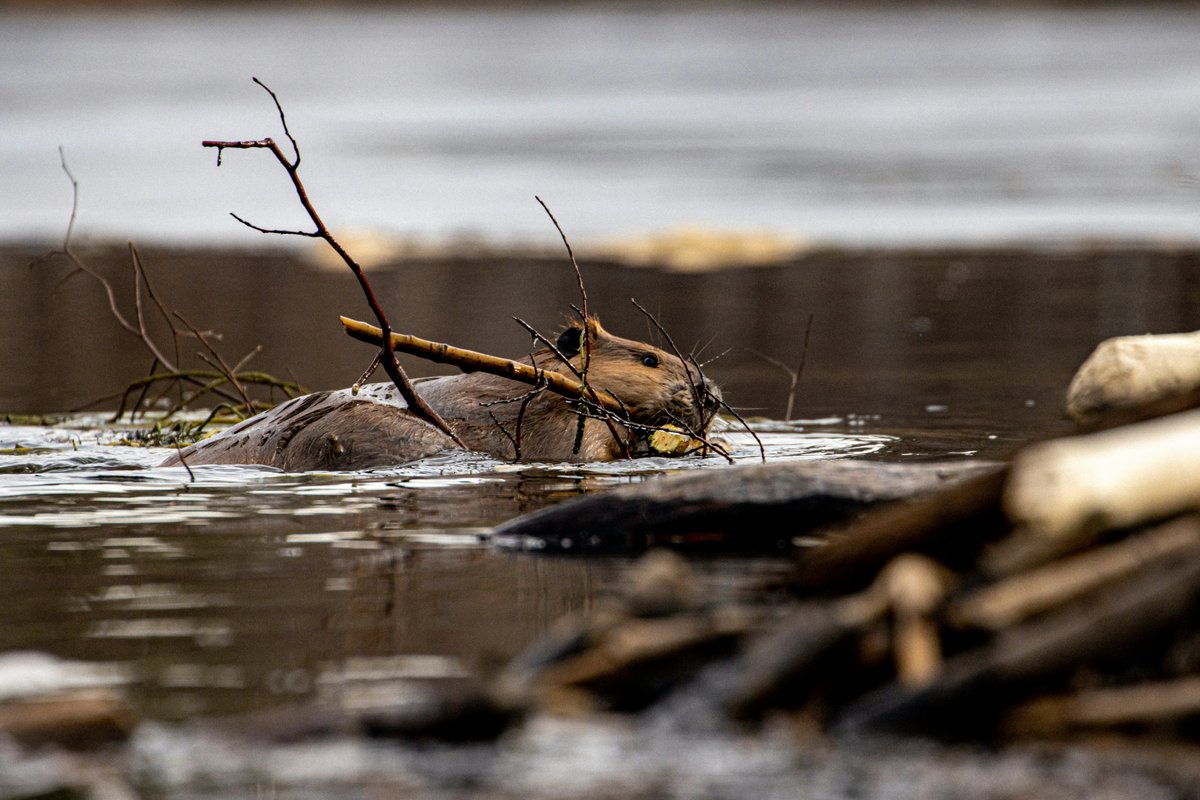
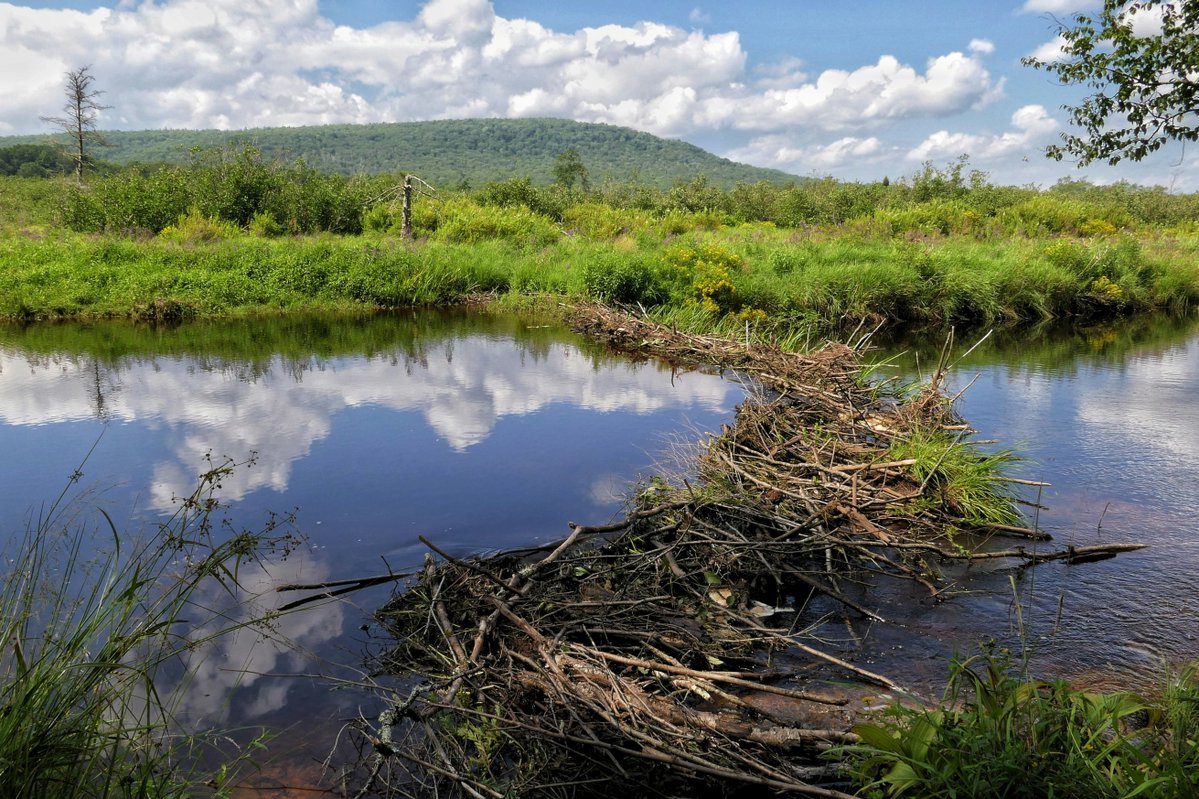
Wildfire mitigation often costs thousands of dollars per mile. Meanwhile, beavers are doing parts of the same job for free.
Researchers looked at 20 years of satellite data from five major western wildfires that occurred in recent decades. Land next to streams that didn’t have beaver dams lost 51% of its greenery during those fires. On the other hand, land with beaver dams only lost 19%. The land was roughly 3x more resistant.
When beavers dam streams, it floods the surrounding area. This keeps water tables high and soil saturated. Damp earth doesn’t burn easily. And all it takes is one beaver family to maintain several kilometers of river by themselves.
We spend billions of dollars trying to suppress and prevent wildfires every year, but it turns out some of our most efficient solutions to problems already exist in nature itself.
Current heirs own 2% of the land. 98% is owned by the federal government and nonprofits. This is a unique family and land conservative history that should be celebrated and preserved, not attacked w a silly headline -> "Gilded Age redux? Fed plan OKs new mansions on ‘primitive’ Georgia island." @ajc@PhilKentAtl
https://t.co/zFdMf80IZZ
I’m not scared of anyone. I just care deeply about our state and don’t want the socialists to destroy it. In a Colorado for all we don’t think less of anyone because of their net worth. Whether you have no money or are millionaire, we love you in Colorado and want you thrive. ❤️
"Thanks to socialism, the average Zimbabwean became a trillionaire.”
There are 2.4 million acres in central Idaho with no roads in or out.
The Frank Church-River of No Return Wilderness is the largest contiguous wilderness in the Lower 48. It's bigger than Yellowstone and Grand Teton combined.
The only way in is on foot, horseback, boat, or small plane.
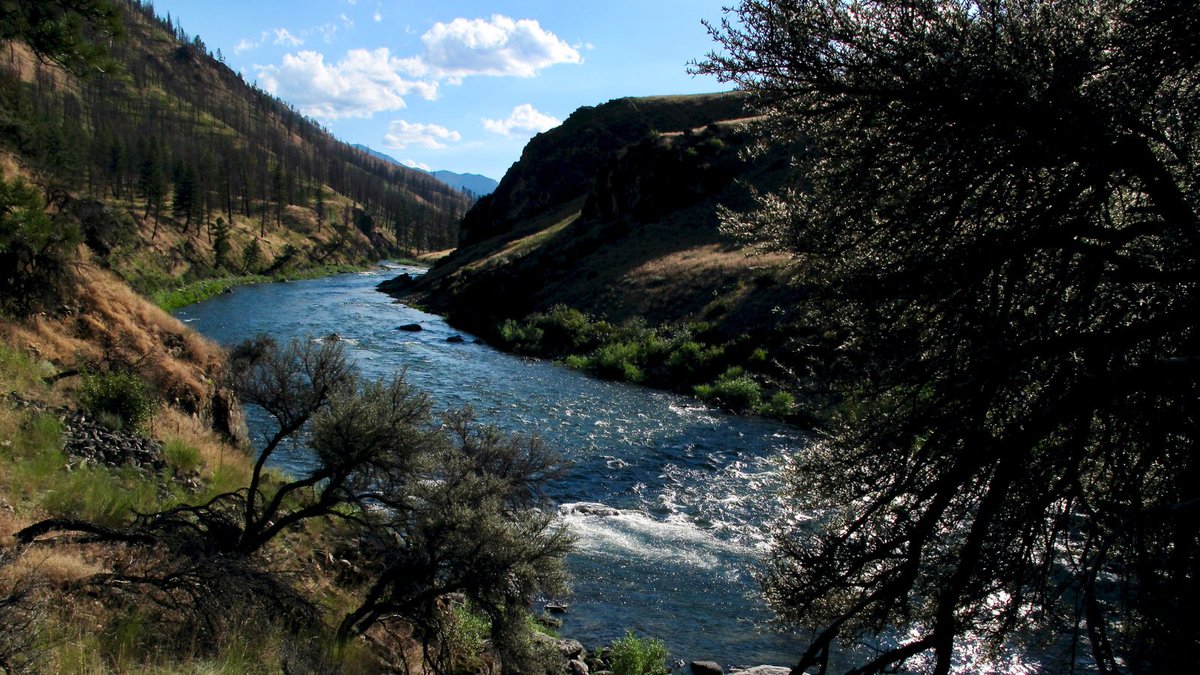
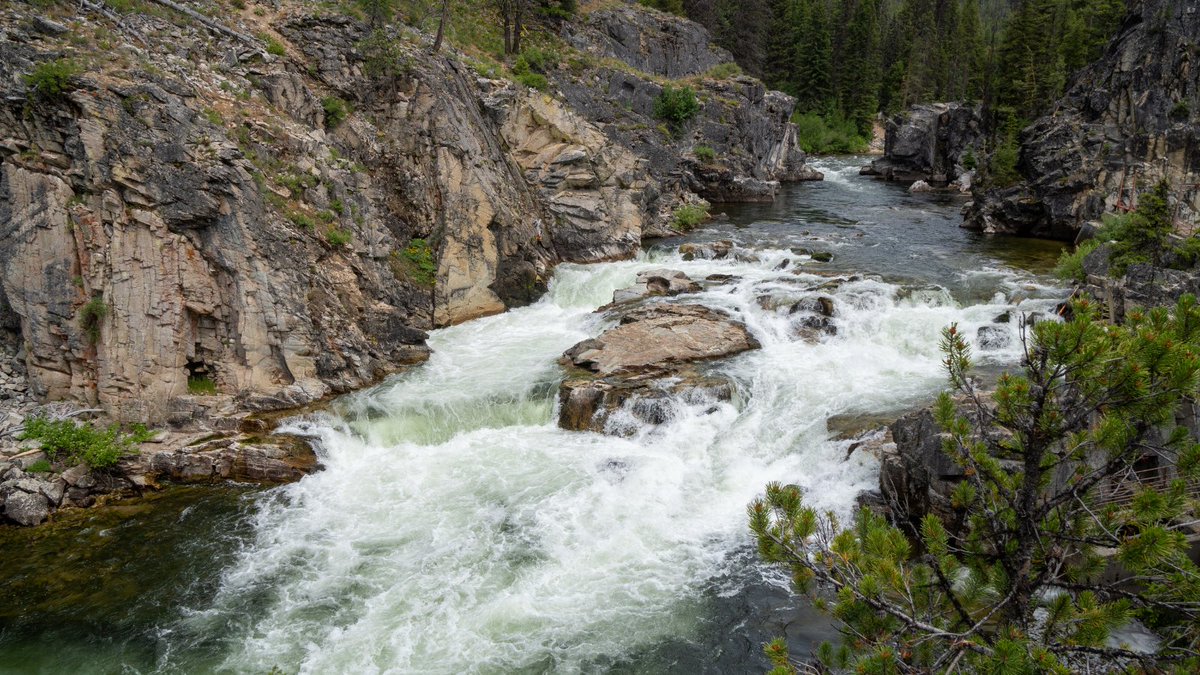
In the middle of it is the Salmon River, which carves a canyon deeper than the Grand Canyon. The name comes from early boatmen who could ride the current down, but couldn't fight it back upstream.
The Middle Fork has around 100 rapids in 100 miles. Natural hot springs sit along the riverbanks. Native cutthroat trout still swim in it, and they’re healthy enough that anglers travel from around the world to fish them.
More than 2,500 miles of trails run through the wilderness. Elk, wolverines, black bears, mountain lions, and wolves all still move through the land the way they always have.
In 1995, it became one of the first places in the country where wolves were reintroduced.
Most Americans will never set foot here.
Many don’t even know it exists. That doesn't make it any less worth keeping wild.
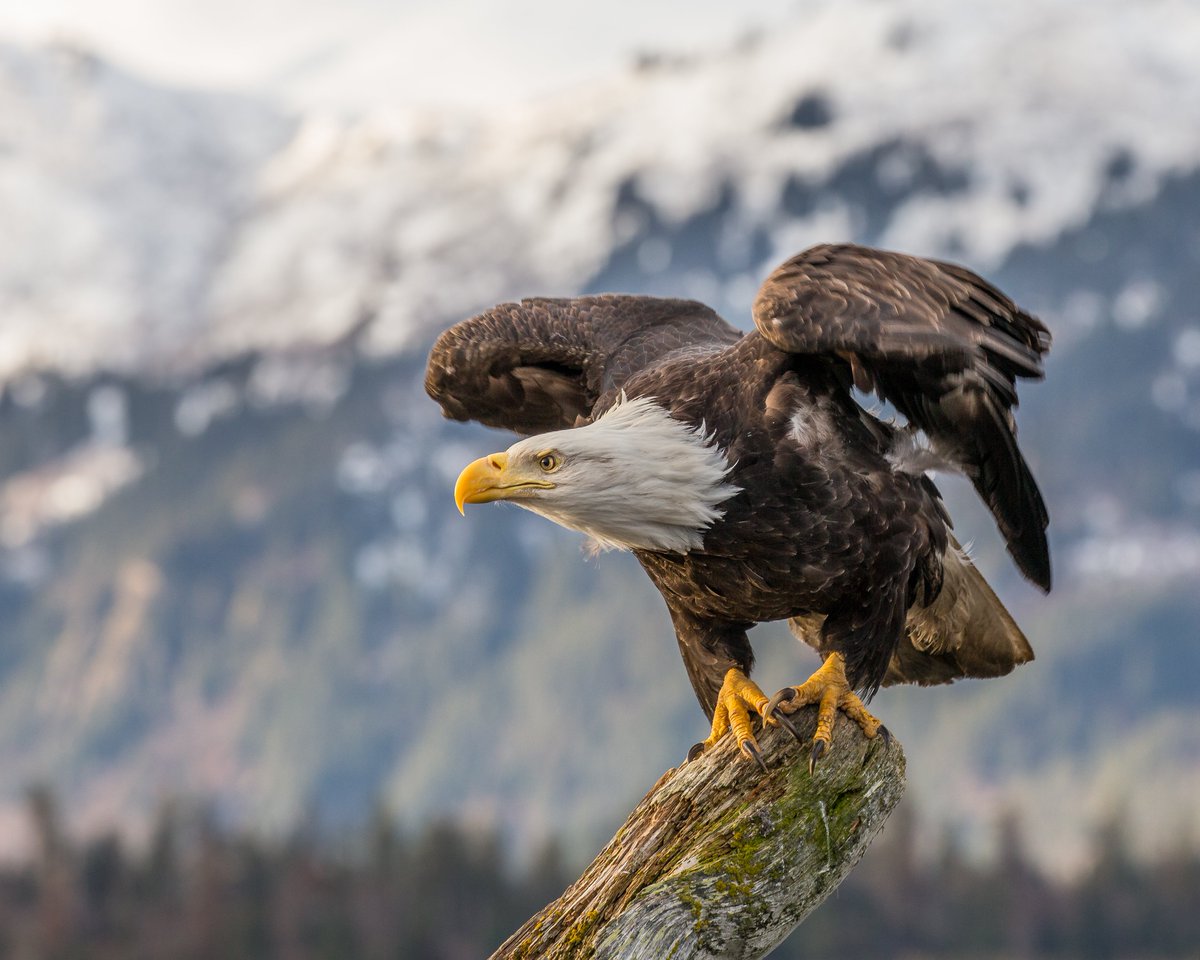
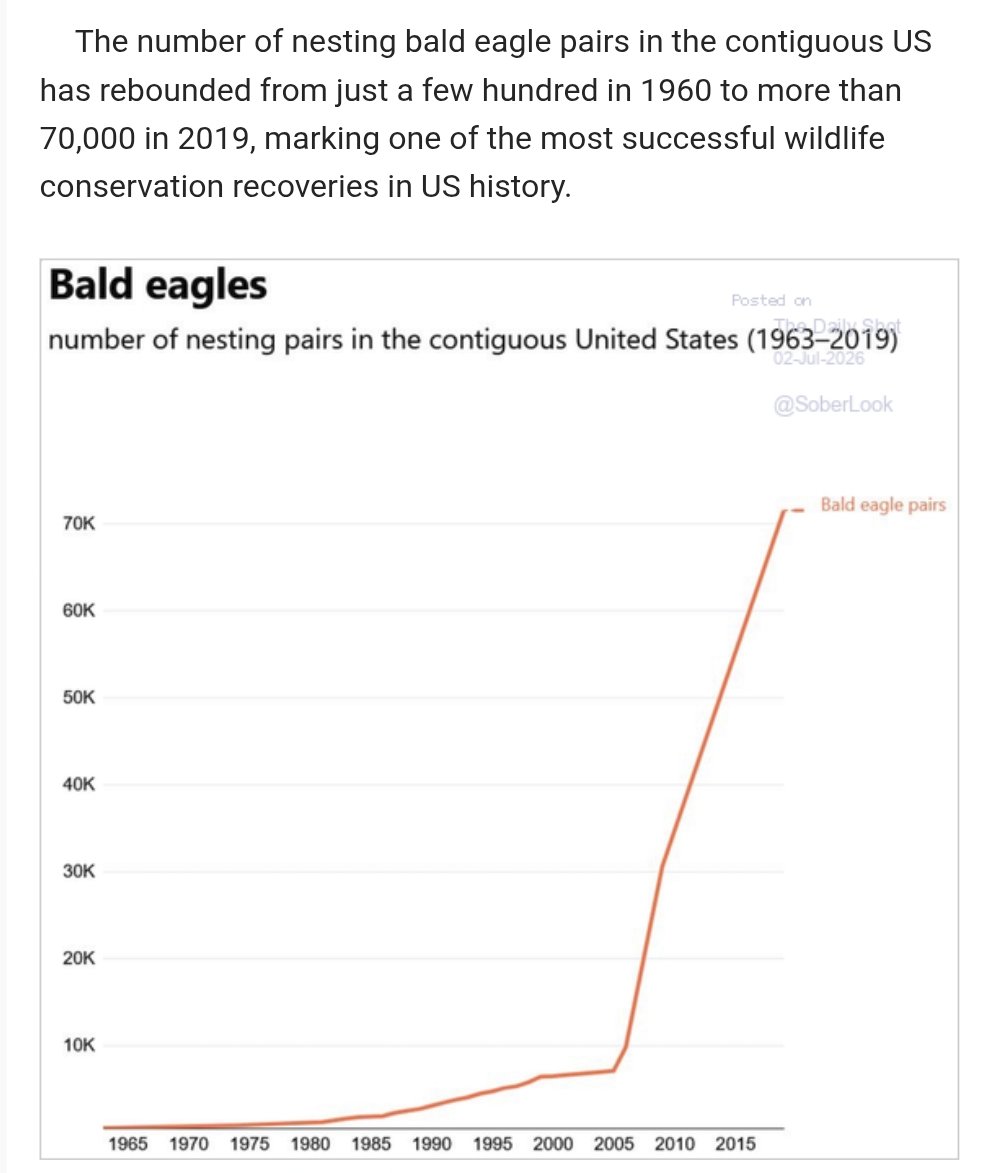
In commemoration of our nation's 250th birthday, it is great to see what government environmental policy can indeed do sometimes. Government isn't always the solution to all problems, but sometimes . . . Welcome back, Bald Eagles!
Bringing back beavers, sea otters and other native wildlife to Point Reyes National Seashore could be a critical step in restoring the incredible coastal landscape to a more natural state after decades of commercial dairy farming and grazing. https://t.co/AXxIgDQEiT
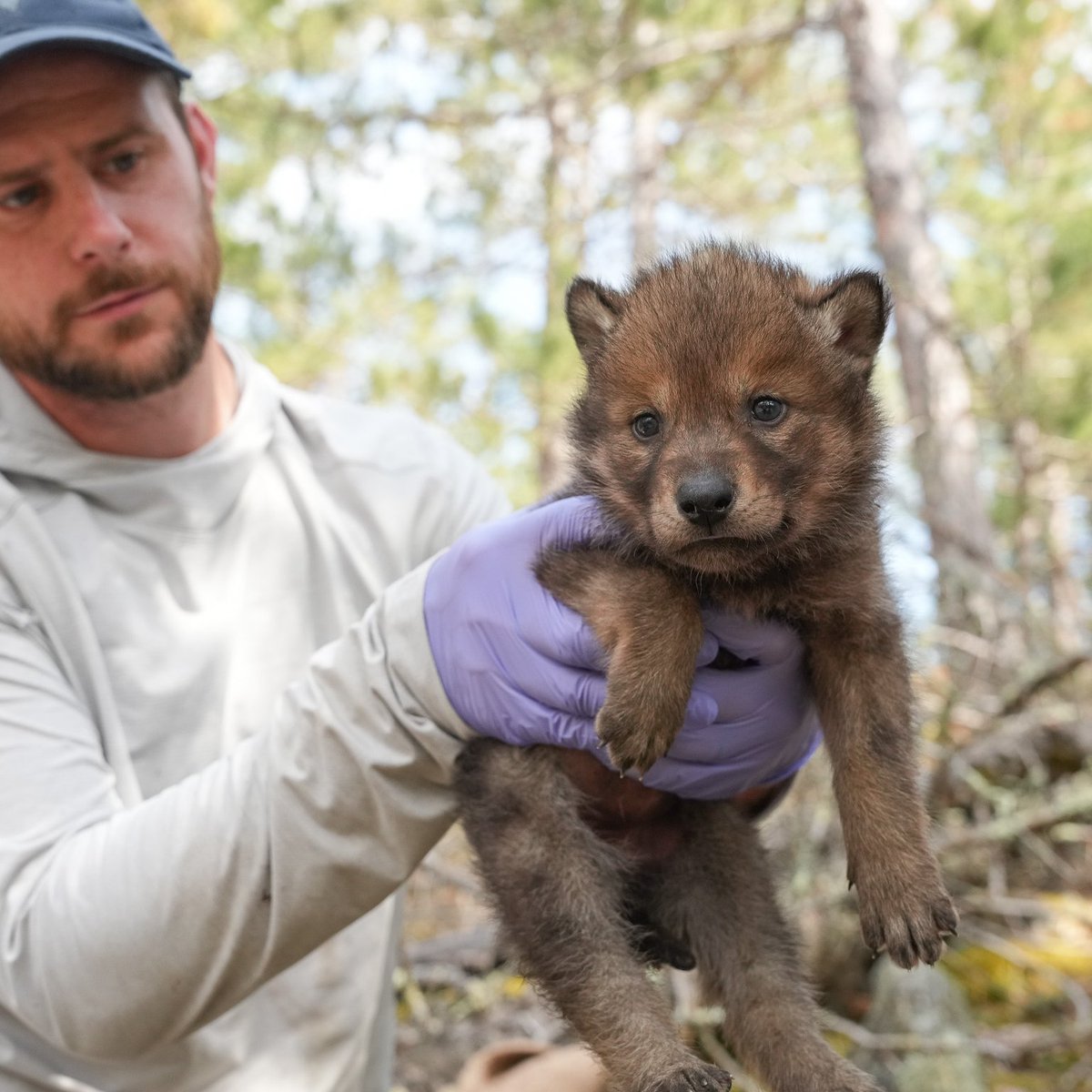
"How are you able to remove wolf pups from the den without getting attacked by their parents”?
We get this question quite often as well as general questions about how we stay safe while studying wolves. E.g., we have been asked if we carry guns for our safety from wolves more times than we can count. So we figured we would share a bit about how we view staying safe from wolves in the field.
The short answer: we are not exaggerating when we say have no concern whatsoever about wolves attacking us because wolves simply are not a threat to our safety because they really don’t want anything to do with us.
And if anyone should get attacked by wolves or concerned about being attacked, it should be us given our work. Let us elaborate.
We have visited active wolf dens and tagged pups every spring for over a decade. We often see or hear adult wolves at dens while doing this work. Yet, we have not had a single evenly remotely concerning or aggressive encounter with an adult wolf while doing this.
If there was any time an adult wolf would have a motive for attacking and killing people, it would be when visiting a den and handling their pups. Think about what would happen if you grabbed a bear cub in front of its mom?
On a similar vein, we spend much of our year studying wolf predation, hiking into recent kills by ourselves to document the kills. Sometimes, especially during winter, this means we get to kills while the carcass is very fresh, sometimes steaming and warm because it occurred an hour or two ago.
In such instances, wolves are undoubtedly somewhere very close by and well aware of our presence. If disturbing a wolf’s kill is what triggers an attack—the kind of things we read about online and see portrayed on TV— then we definitely should have been attacked by now. Yet, we have never had a wolf so much as approach us when checking out their kills (and we have documented a few thousand kills in the past 12 years).
Furthermore, we have had 6-8 people in the field most days of the year visiting areas GPS-collared wolves spend time. We know from our GPS-collar data that we are frequently close (25-200 m) to collared wolves when in the field. And we are typically spending most of our time in the very areas wolves like to spend time!
If being in close proximity to wolves on a frequent basis is what increases the odds of getting attacked, then someone on our project should have been attacked by now. This is especially true because we do almost all of our fieldwork solo because it is most efficient.
And yet, despite all of this and many years of intensive fieldwork, we have not had a single even remotely concerning encounter. This does not mean we have not had close encounters with wolves. We have had over a hundred at least.
But a close encounter where the wolf does not immediately flee does not mean the wolf is being aggressive or showing a lack of fear. Sometimes wolves, like most other animals, are just curious or inquisitive. Instead of being afraid in such moments, we just savor such rare moments and take it in.
Now, these are just our experiences but the data across North America only substantiates our assessment here. There are literally millions of people across North America who hike, camp, and live in wolf country and yet wolf attacks are almost unheard of.
Sure, there have been a few EXTREMELY rare instances where wolves have threatened or attacked people but this is also true of white-tailed deer—in fact there are far more white-tailed deer attacks on people than wolves. Interestingly, though, no one we know regards deer as a threat to human safety (outside of vehicle collisions).
NOTE: if you value this kind of educational content, please help us continue to create it by donating to our annual fundraiser at the link below. Your donations make this kind of content possible—without donor support, our project quite literally would not be able to continue. By donating you support our research and our outreach efforts!
Donate here and support our work: https://t.co/kZq9wddP8h
Republican politicians blocking the recovery of America's national icon, the American bison, are not true conservatives. These are big government cronyists of the kind you'd expect find in socialist administrations.
In evicting bison from public lands leased by @AmericanPrairie in northern Montana, @GovGianforte and the Federal Bureau of Land Management are using a big government playbook to tilt the playing field in favour of a lavishly subsidised cattle industry which already has use of 800 million+ American acres (of which around a third is public land leased to ranchers by the American public for them to degrade at will for a peppercorn rent).
American Prairie buys land on the open market from willing sellers, and legitimately leases public land from the BLM in order to piece together and restore a growing tract of prairie. AP is pioneering a new economic model for the remote plains, one which includes cattle ranching alongside ambitious nature recovery; is creating tons of new jobs; all while restoring an American icon, the bison, which currently numbers less than 0.1% of its historic population. It does all of this without deviating from the principles of free markets, private property rights and good stewardship.
You'd have thought conservative regulators would applaud this new approach for an area known for ongoing economic, ecological and social decline. But no, this is all too much for local and federal republicans. And so, under pressure from shady cattle industry lobbyists, they're bending and breaking long-established public lands rules to get the bison gone.
Real conservatives believe in private property rights, free market enterprise and a level playing field. These new kind of 'conservatives' are in fact cronyists, who go full socialist whenever one of their favourite industries (coal, corn-for-ethanol, sugar, industrial fishing, logging, cattle) begin to come up against reality. Big government intervention, state protection, and lavish subsidies for the status quo are really not conservatism.
What *is* conservatism is standing up for America’s natural inheritance, which these politicians are betraying. Real conservatives would cheer the return of the bison to a remote corner of the Great Plains. These politicians are on the wrong side of history.
Poll after poll shows that nature really is non-partisan. Young-old, rich-poor, rural-urban, left-right - people across the board love nature and want it rebuilt and protected. That's why, at the state level, good things are happening across America. Florida's Wildlife Corridor porgram; the dramatic expansion of the Texas state parks system; the adoption by Illinois of rewilding as a core principle of public land management, etc.
I should note, I am not American. My involvement in American rural policy is precisely zero. But I was for ten years Chair of the UK Conservative Environment Network (@CEN_HQ) and I am amazed by the chutzpah of fellow conservatives across the Atlantic going all socialist in their increasingly hysterical efforts to stand in the way of nature recovery - all while burnishing their free market, conservative credentials.
cc @BLMNational@BLM_MTDKs@SecretaryBurgum
Killing our national symbol to sell on the black market? Not on our watch.
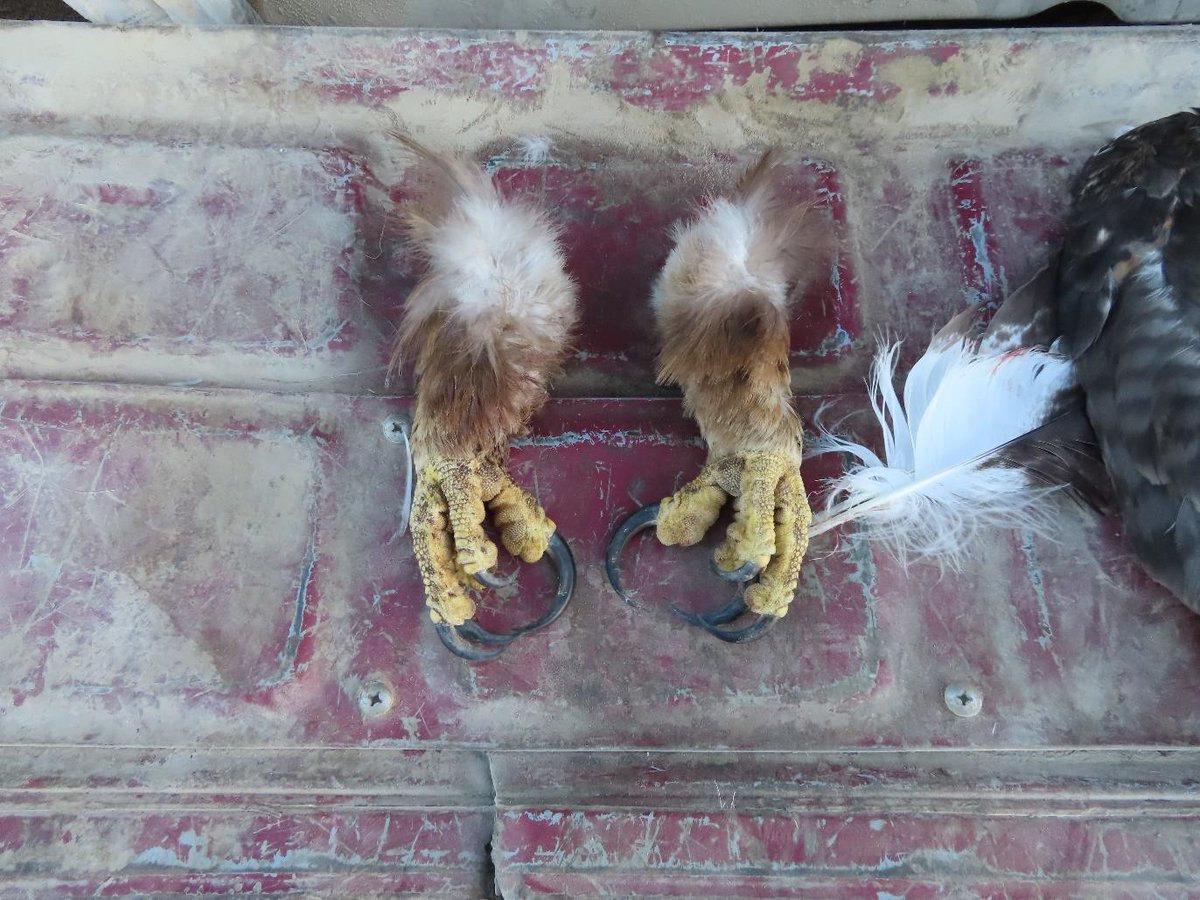
A Washington man admitted to killing bald and golden eagles on and around the Flathead Indian Reservation in Montana and selling their feathers and body parts on the black market, part of an illegal operation that slaughtered thousands of birds. Since then, a coconspirator in Texas admitted to purchasing those parts and having them shipped to his home.
This wasn’t an accidental poaching incident. It was part of an organized, profit driven wildlife crime carried out over years by multiple conspirators.
And it was stopped by @USFWS law enforcement and partners, who uncovered the scheme, followed the money, and built the cases that brought these traffickers to justice.
This National Police Week, we recognize the law enforcement professionals who protect wildlife and safeguard the public every day.
Photo of the feet and feathers of a golden eagle that were seized by USFWS law enforcement. Photo by USFWS
“Just when we think we know a lot about humpback whales, we don’t,” says Dr Vanessa Pirotta..
This is one of nature’s great migrations, but it’s also one of its most vulnerable,” Orrca’s president, Ashley Ryan..” @guardian
https://t.co/Irv2ilWe9H
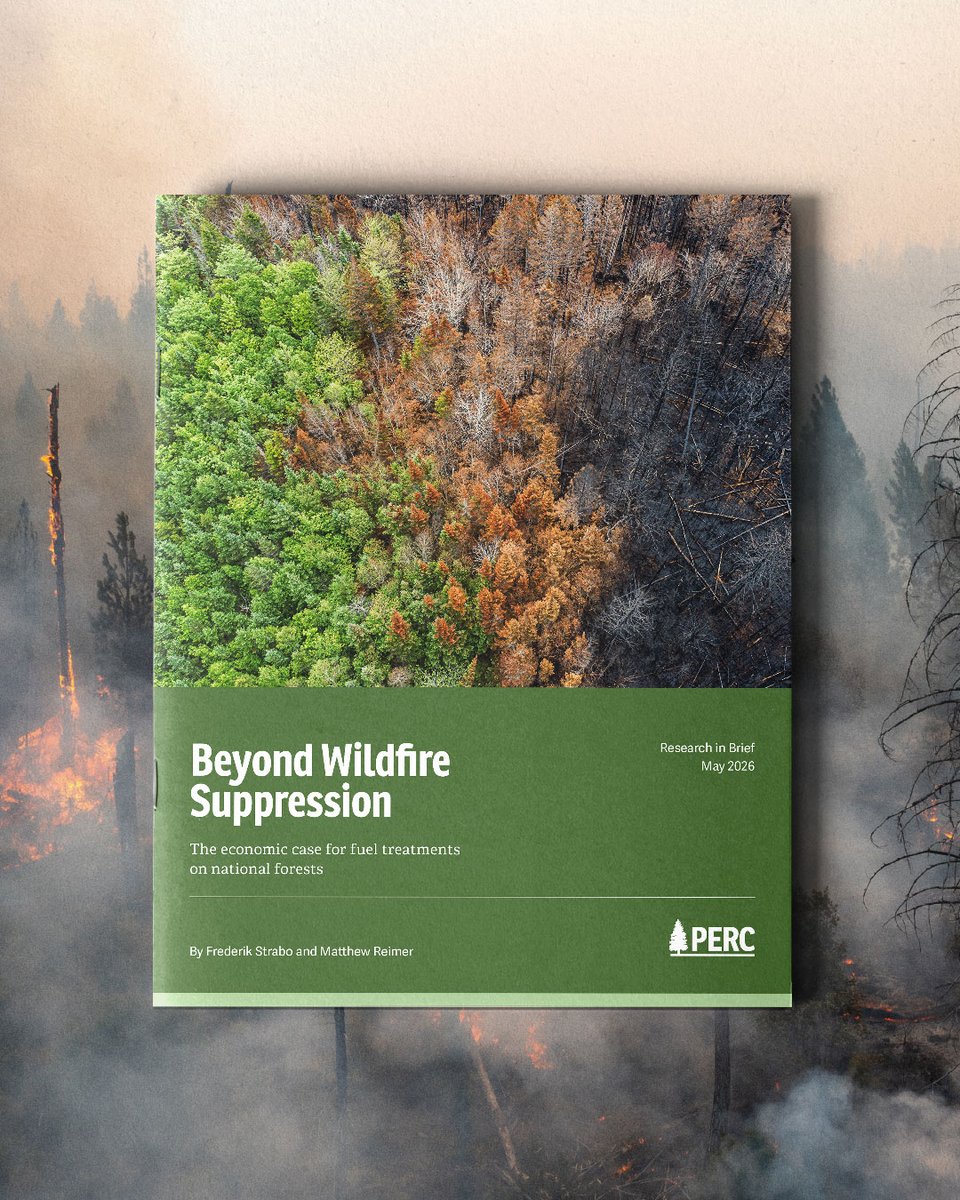
For decades, wildfire policy has focused on suppression. But new PERC research shows that investing in prevention pays off for communities, forests, and taxpayers alike.
Our newest report, Beyond Wildfire Suppression, finds that fuel treatments can dramatically reduce firefighting costs, smoke exposure, and property damage across the American West. Between 2017 and 2023 alone, these treatments prevented an estimated $2.8 billion in wildfire-related losses. In some regions, every $1 invested returned up to $6 in reduced federal suppression costs.
The research behind this report was also just published in Science, underscoring the rigor and significance of the findings.
As wildfires grow more destructive each year, the case for proactive forest management has never been clearer.
Read the full report: https://t.co/MEUs18iLRQ
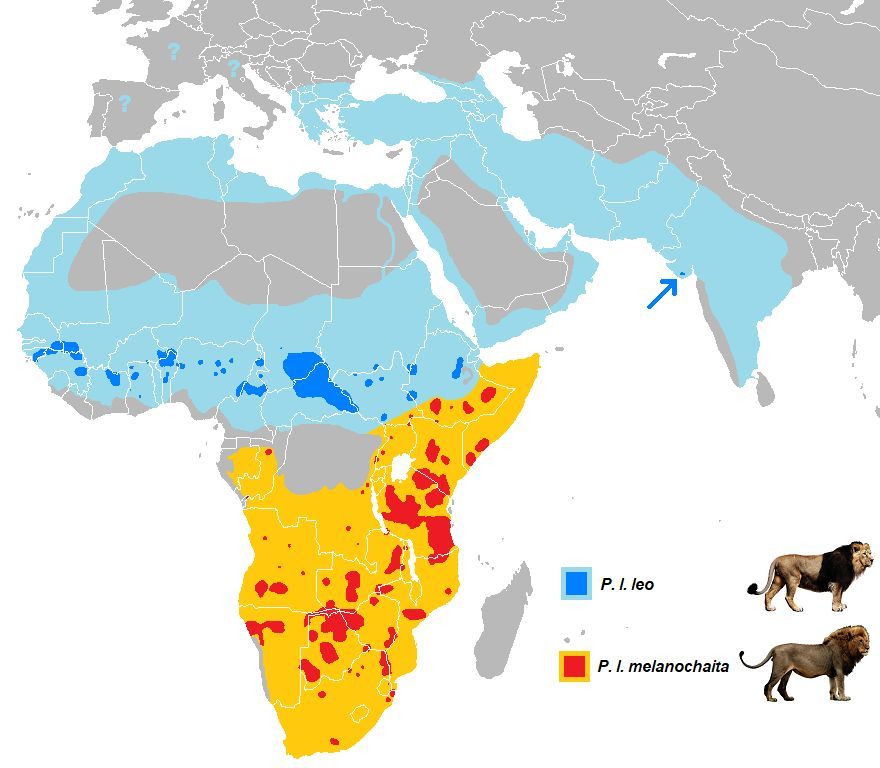
It's wild that lions used to live in the Balkans (and Greece) until around 400 AD or so. Lions are common symbols in the Balkans but not because locals remembered hunting them. They’re there because medieval Europe standardised the lion as the ultimate badge of power. The Balkans simply plugged into that broader symbolic system. Source: https://t.co/izjeCAK0lq