Diet is strongly associated with the gut microbiome
@segal_eran & colleagues analyzed diet and microbiome data from 10,000+ people and found specific links between the microbiome and foods relevant for cardiometabolic health
@NatureMedicine
https://t.co/2ZO6ne49Ai
🌟 We finally have a brand new lab webpage, with blog-style articles describing our work, and exciting *open positions* in culturomics and metagenomics!
Please spread the word 🙏
https://t.co/VkxFLQMR4b
https://t.co/PZurTtejTr
What does epidemiology tell us about the association between fibre and health and disease?
What do clinical trials tell us about the effect of fibre on health and disease?
Thinking beyond gut health👇🏼
https://t.co/NYgxv2x98X
Probiotics aren’t universally gut-friendly
New findings show L. acidophilus can make it easier for Clostridioides difficile to take hold in the guts of mice treated with antibiotics, whereas L. gasseri Lg-36 helped mice resist infection by C. difficile:
https://t.co/QsA64fWzDB
ASM’s Agar Art Exhibit is live tonight at E2Art Gallery in LA! Guests are exploring artwork created with living microbes by scientists and artists from around the world. Thanks for joining us to celebrate where art meets science. View the collection: https://t.co/8adnMyxFoV
At LKCMedicine, research isn't just global - it's globally relevant. By focusing on the underrepresented healthcare studies on Asian populations, our teams are advancing global science with direct regional impact.
Read more
🔗 https://t.co/wL1gkQc3Ot
🔗 https://t.co/1qnNIk4mAw
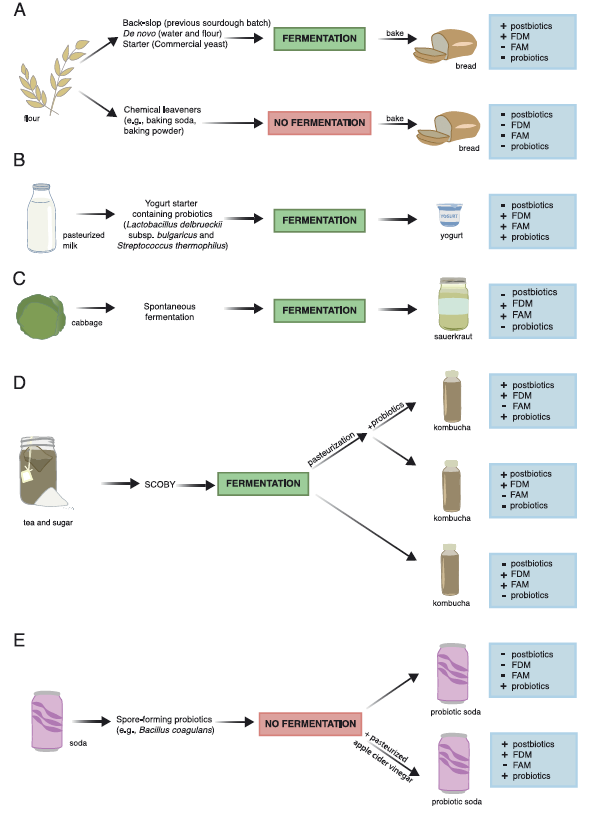
Fantastic review of #FermentedFoods
Figure shows impact of preparation on postbiotic, metabolite (FDM), live microbes (FAM), and probiotic content.
Paper also highlights research needs
Great works from @GutBugs2@GardnerPhD
https://t.co/F2kJEuEHFT
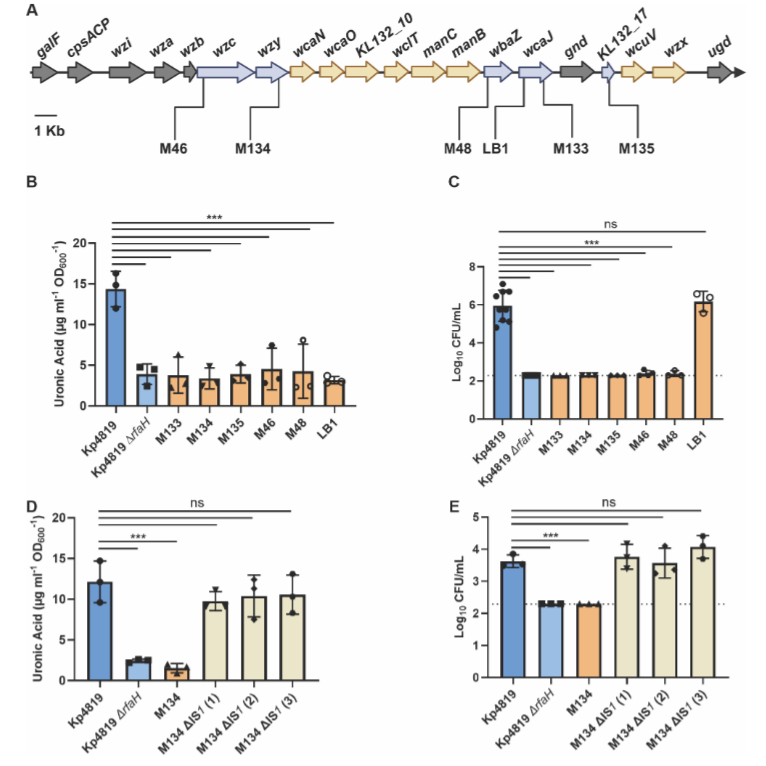
K. pneumoniae virulence genes encoding capsule & LPS, which protect bacteria from the immune system, are disrupted by mutations during murine gut colonization. Capsule loss in the gut may impact virulence potential at extraintestinal sites. #mBio: https://t.co/6CUP0jAG4F
All FODMAPs aren't created equal
@umfoodoc & colleagues found fructans and galacto-oligosaccharides both were associated with worsened abdominal pain, which may help personalize the low FODMAP diet for IBS:
https://t.co/98G7EGfSkH
“Species from the orders Lachnospirales, Oscillospirales and Bacteroidales were overrepresented among the co-excluders”. “In contrast, co-colonizers were significantly associated with the orders Lactobacillales, Veillonellales and Actinomycetales”
An in-depth analysis of 12,000 metagenomes looks at Enterobacteriaceae interactions in healthy humans
These findings from @alexmsalmeida et al. highlight the critical role of the intestinal milieu in the colonization success of opportunistic pathogens:
https://t.co/k8b5HzZqXR
Is fiber the forgotten nutrient in sports?
@LauraMancin_pd and colleagues update how fermentation capacity of dietary fibre is linked to positive and negative outcomes in the athlete’s gut:
https://t.co/YeMFczYm1Z
Is diversity important?
Our new research project aims to investigate whether increasing diversity of plant-food intake (but not quantity) can improve health.
With the research dream team of @EiriniDimidi@anarmateos@TheGutHealthDoc@Jon_Swann and others!
Microorganisms in the gut can help to block microbial infection
.@TheXavierLab, @Honda1Kenya & colleagues found a group of bacteria that lives in the human gut that can consume a nutrient needed by pathogenic bacteria:
https://t.co/8EZcs4Mjzz
How do prebiotics arabinoxylo-oligosaccharides shape the gut microbiome?
.@MartinF_Laursen et al. update the enzymatic fine-tuning role of specific AXOS structures leads to improved precision in targeting the growth of specific beneficial bacteria:
https://t.co/A7XU2AO705
Bilophila wadsworthia and Bacteroides thetaiotaomicron are emerging as gut members with potential value.
.@LizSayavedra et al. found this interaction could have significant pro-inflammatory effects in the human gut environment via hydrogen sulfide:
https://t.co/SKAjqTSRkM
Are you a researcher working in prebiotics or studies on diet-microbiome interactions?
This review article on recommendations for the design, conduct and reporting of human clinical trials of prebiotics and probiotics is worth reading @NatureMicrobiol:
https://t.co/Xjy4WVitLr
Wow! A retraction of an "External Qi of Yan Xin Qigong" paper- where the good master claims he can kill cancer cells from 7 miles away with his 'force'.
The authors tried to silence me with cease-and-desist letters which I ignored.
https://t.co/rCqPJI8jVF
https://t.co/hhzGhMq9Ci
Check out our new paper in @MicrobiomeJ on how dietary fiber metabolism modulates microbial-produced B vitamin availability in the gut and impacts the immune system. https://t.co/oblNGn78wH
Exciting collab with @Honda1Kenya’s lab, out today in @Nature: A set of microbial strains taken from a human faecal donor can decolonize multidrug-resistant Enterobacteriaceae in the gut, including species associated with #IBD. (1/3) https://t.co/mueHnfwS1c
Shotgun metagenomics data for >200 healthy Asian octogenerians helped us identify key gut microbial hallmarks of healthy aging, including some that are only consistently seen in Asian cohorts!
4 Major results in thread #aging#microbiome
https://t.co/Qxl37PRBJQ