Who’s ready for some haunting #Halloween horticulture?👻🪴
Bulbophyllum medusae has flowers that smell like fungus and are pollinated by flies. Some might be tempted to only look at this orchid through a reflection, but that is luckily unnecessary! 🐍🪞 #Orchids
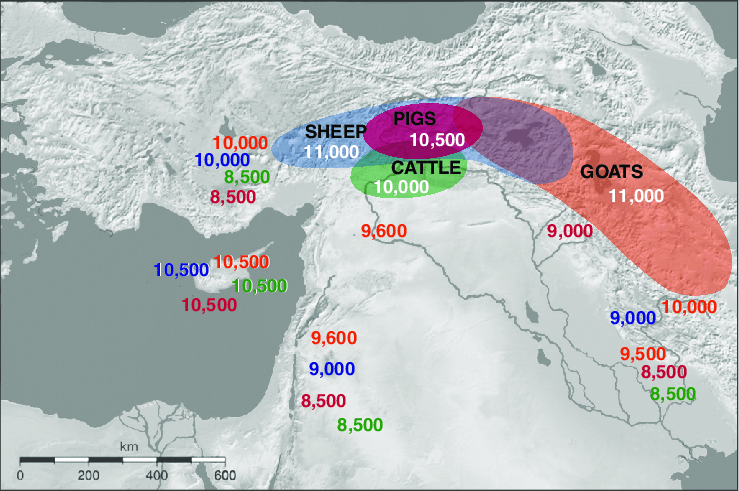
@KUHoopes For SW Asia the dates for sheep/goat & pig domestication are off by about 1000-1500 years (probably due to C14 issues), but the regions are roughly the same. The only major change is for cattle, where we now know it occurred much earlier in the Upper Euphrates & Tigris regions.
Today is World Wombat Day so I must again say that my favourite ever blessing is an Indigenous Australian one and it goes "may the wombat of happiness snuffle through your underbrush"
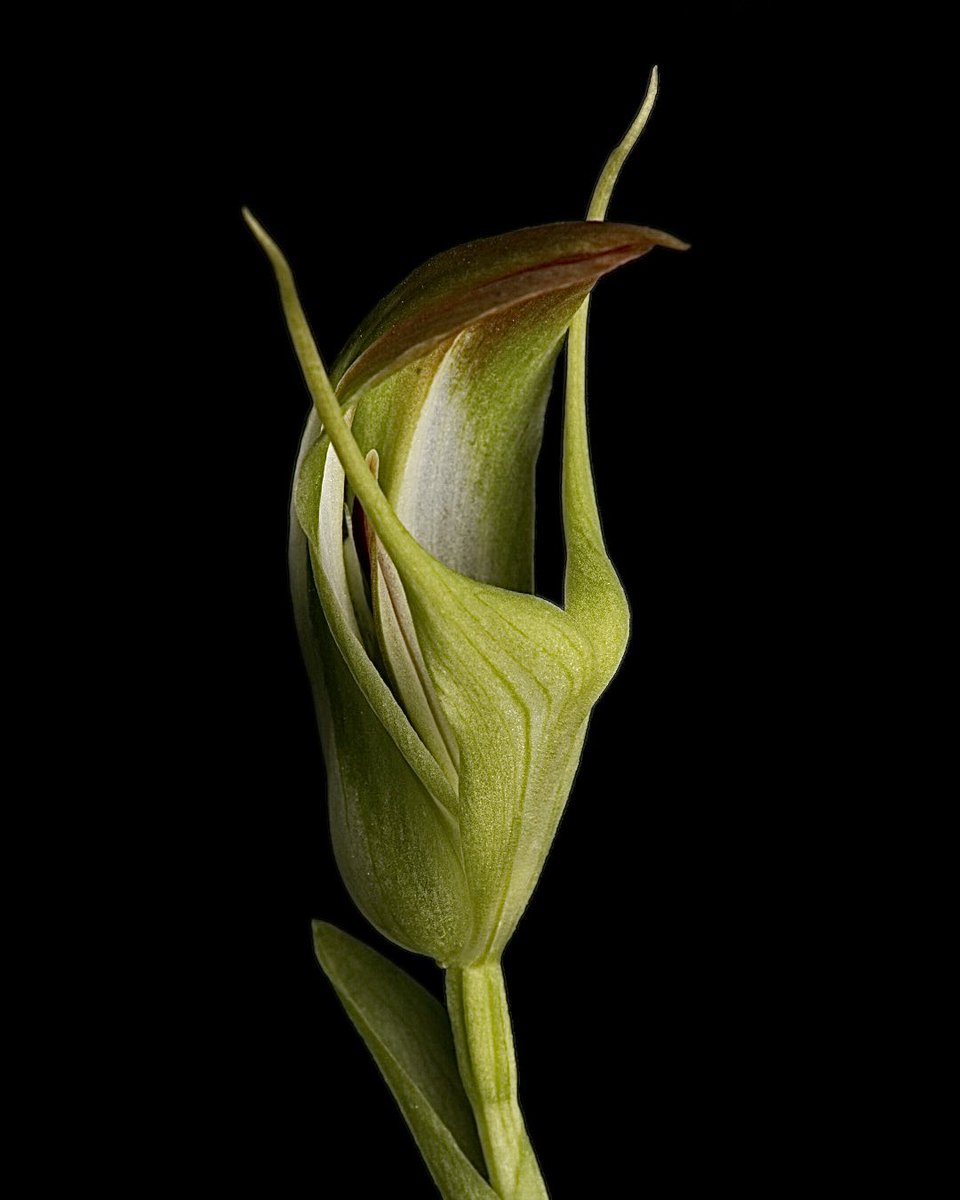
King Greenhood - Pterostylis baptistii - A native terrestrial orchid from southeast Australia. This plant is in the greenhouse. The flower is about 60mm high. #orchid#flowerphotography#flower@PetrovichBilly
mini-donkeys, a 🧵
I was sad tonight. Not crying or anything, just bummed, for pretty clear-cut unavoidable life reasons.
But I still had to do the evening chores, evening chores being, as one would suppose, an every evening kind of thing
The two stars in Wolf-Rayet 140 produce shells of dust every eight years as rings. Each ring was created when the stars came close together and their stellar winds collided, compressing the gas and forming dust.
Image by the James Webb Space Telescope:
https://t.co/jhA4BQn3bM
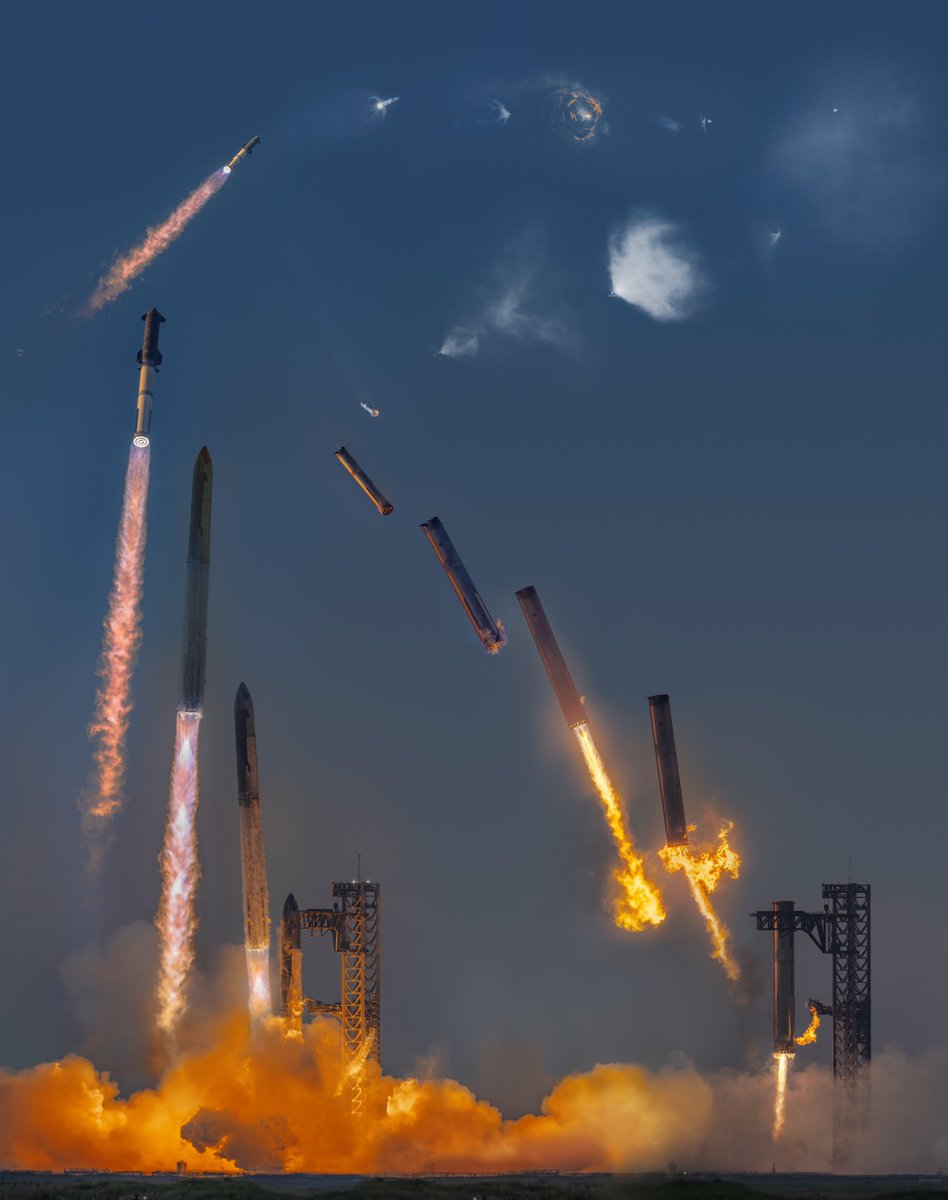
@elonmusk Thanks for sharing my work! Here’s a higher-res copy of that composite at the end. I also have some higher resolution mobile wallpaper downloads on my website in my bio if anyone wants one!
Hey teachers, need a simple STEM starter for today?
I showed my students how to make line art…just make an x & y axis up to 10, then connect 10 to 1, 9 to 2, etc and the lines will form curves!
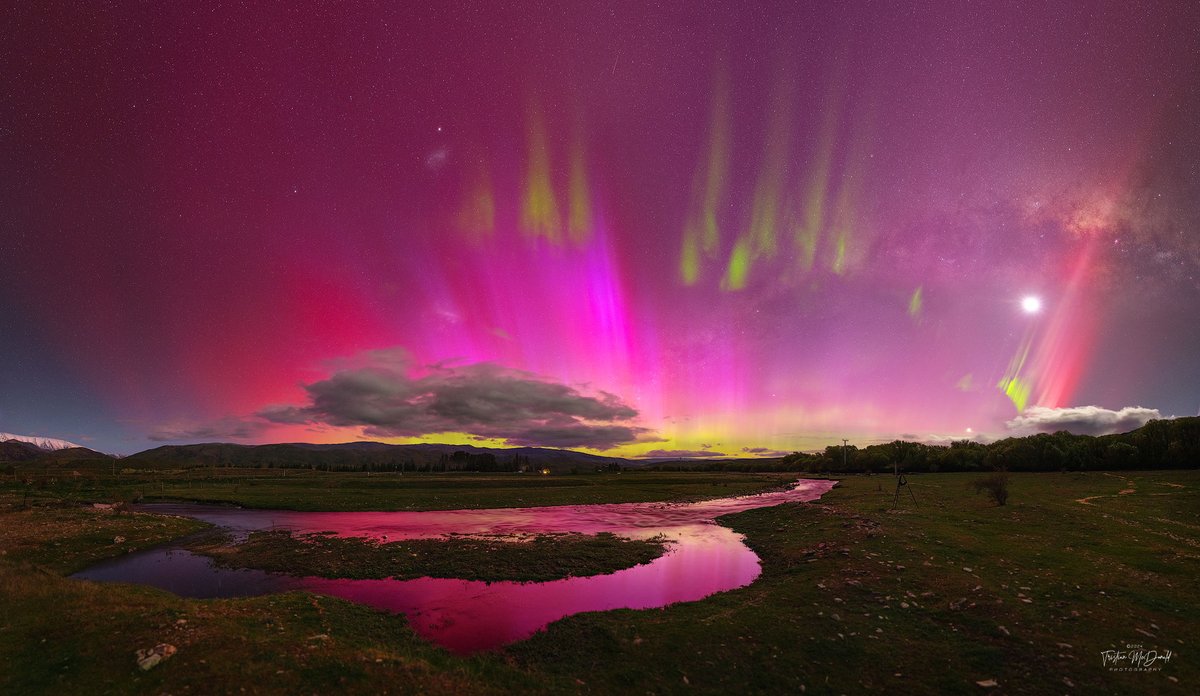
Sometimes the night sky is full of surprises. Take the sky over Lindis Pass, South Island, New Zealand one-night last week. Instead of a typically calm night sky filled with constant stars, a busy and dynamic night sky appeared. Suddenly visible were pervasive red aurora, green picket-fence aurora, a red SAR arc, a STEVE, a meteor, and the Moon. These outshone the center of our Milky Way Galaxy and both of its two satellite galaxies: the LMC and SMC. All of these were captured together on 28 exposures in five minutes, from which this panorama was composed. Auroras lit up many skies last week, as a Coronal Mass Ejection from the Sun unleashed a burst of particles toward our Earth that created colorful skies over latitudes usually too far from the Earth's poles to see them. More generally, night skies this month have other surprises, showing not only auroras -- but comets.
Image Credit & Copyright: Tristian McDonald