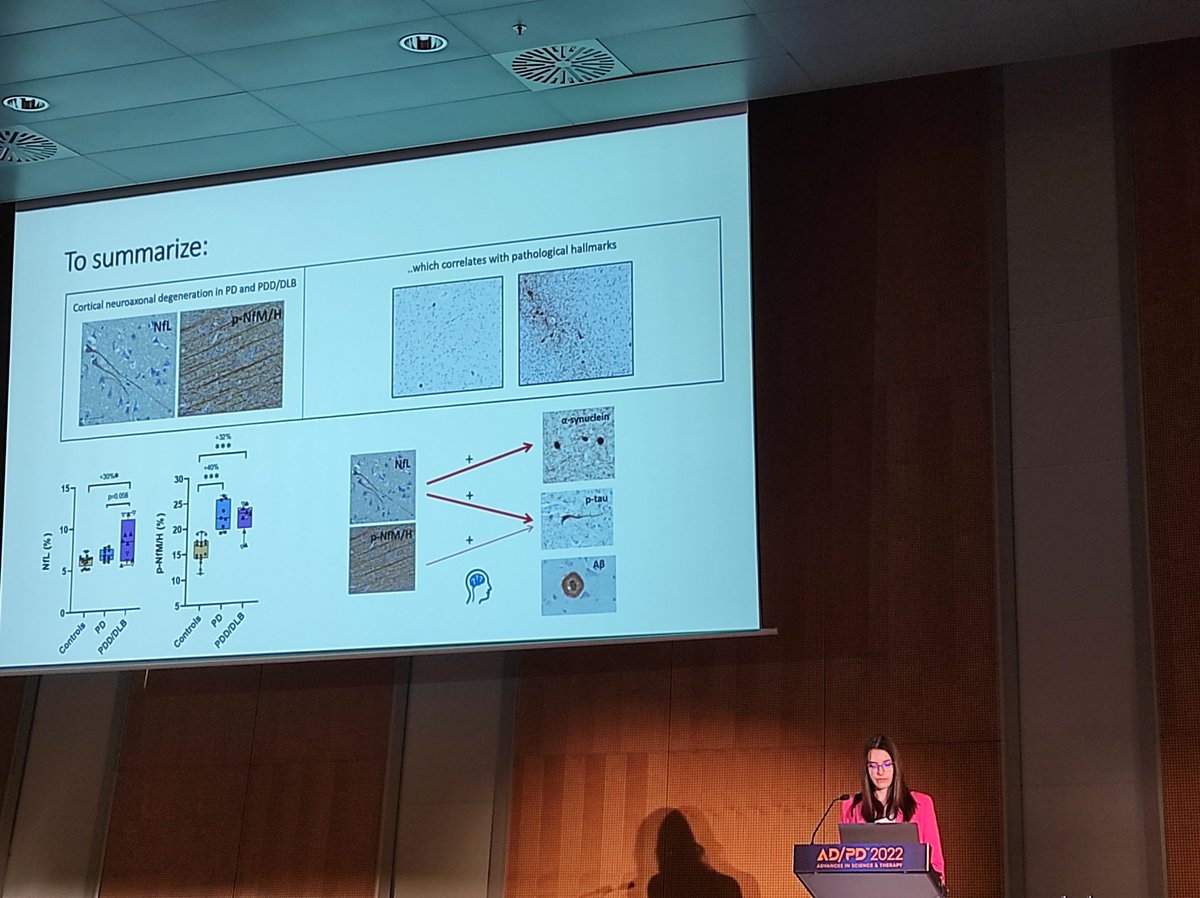
Een van mijn PhD studenten @ChenPeiLin7 deed hier onderzoek naar. Is de integriteit van projecties vanuit de substantia nigra anders bij patiënten met de ziekte van Parkinson dan controles? En welke onderliggende pathologie draagt hier het meest aan bij?
How do noradrenergic and cholinergic systems shape adaptive behaviour?
How this goes awry in neuropsychiatric diseases of ageing and what it means for treatment.
See our new review led by @bella__orlando with @jmacshine, Trevor and @CambridgeFTD (1/3)
https://t.co/bPk4TtApL0
Have jumped to another room to watch the presentation of @ChenPeiLin7 from @amsterdamumc on the effects of the @EIP_Pharma p38-alpha kinase inhibitor Neflamapimod on basal forebrain nuclei (Phase 2a study MRI imaging results)
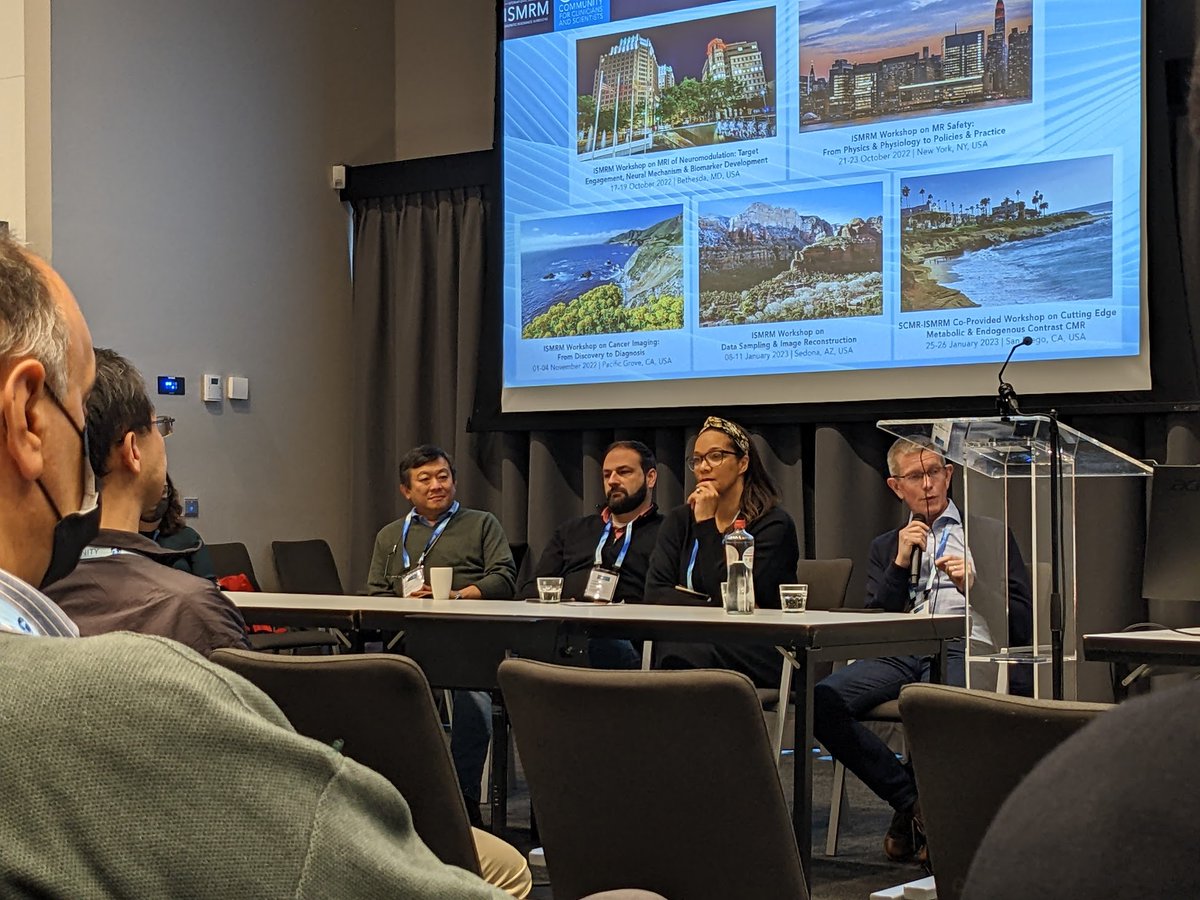
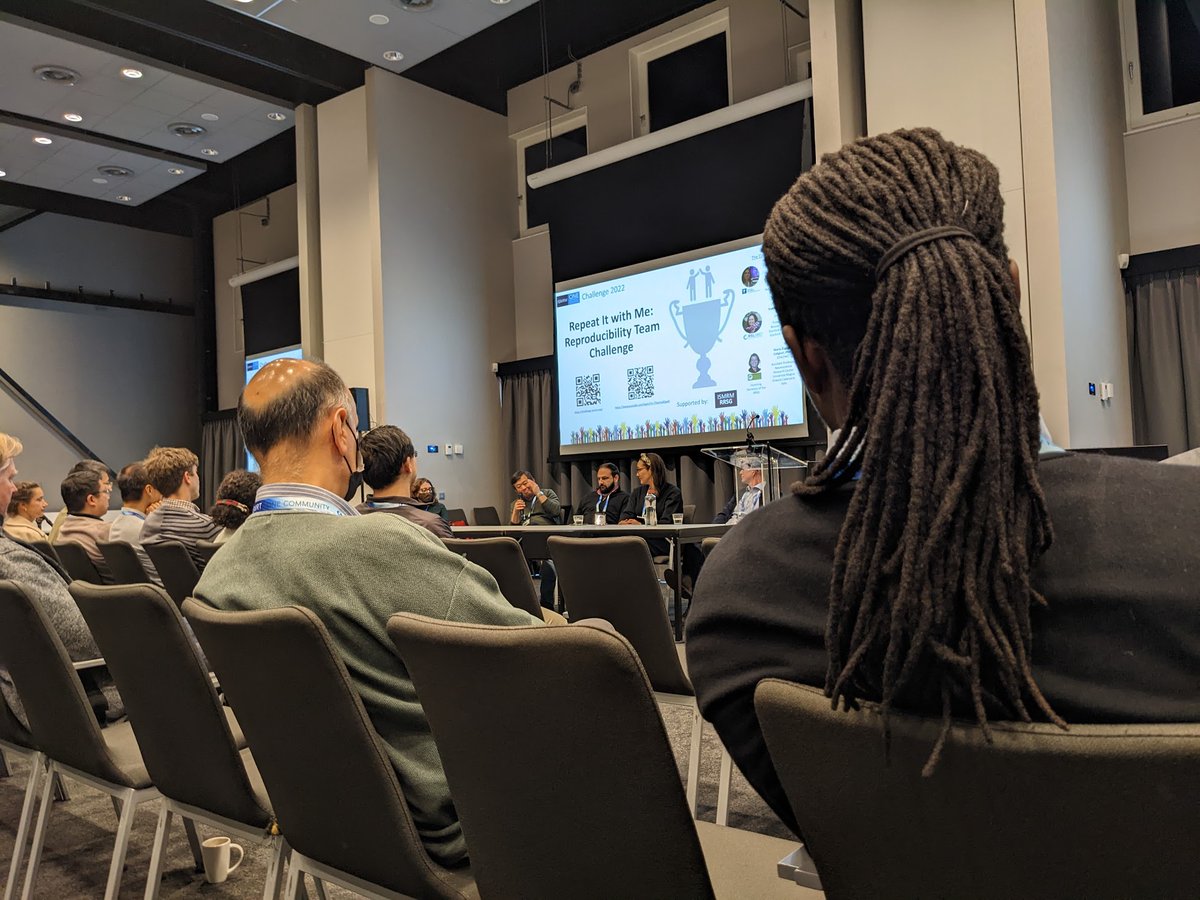
Our final session was on strategic future directions – the big challenges we face and how can we together find solutions. Derek Jones @CUBRICcardiff , Shawna Farquharson @NIFAus & others arguing for affordable MRI-based precision medicine that can be delivered worldwide,... (1/N)
Day 3 is all about microstructure, starting with microstructure in the 🧠. Amy Howard was first with the white matter standard model, followed by Hong-Hsi Lee on time dependent diffusion, Marco Palombo on gray matter modelling & Manisha Aggarwal on applications & validation.
Beautiful paper combining 7T MRI, histology and immunohistochemistry to assess concordance between quantitative MRI contrast and histological biomarkers. 🔬🧲🧠
https://t.co/9c1pHPFQji
FSLeyes 1.4.1 has been released, with improved 3D rendering, and support for TrackVis and @MRtrix3 streamline files! Install/upgrade info at https://t.co/WB2EFd8VYv
Jenkins et al. review functional and structural neuroimaging studies of neuropsychiatric symptoms, including apathy and disinhibition, across behavioural variant frontotemporal dementia and dementia of the Alzheimer type. https://t.co/Y8r8Mfn4kl
1/
I wanted to share a formative rabbit hole I went down prior to joining #NeuroTwitter. It was a project with one goal: to use neuroimaging to understand human consciousness. What ensued was fascinating. A 🧵, and you can read it in @GreenJournal here: https://t.co/AVfd6YpEuL
A year ago, a non-academic friend listened to a talk I gave. I thought it went great. My friend disagreed.
She said that academics are experts at making interesting stuff boring—and that we should all take a speech class.
So I did. And here are 6 most useful things I learned.
Astrocytes are increasingly recognised as playing key roles in neurodegenerative diseases. Smethurst et al. review the role of astrocytes in prion-like mechanisms of neurodegeneration, across a spectrum of neurological disorders. https://t.co/b21LPNQq7L
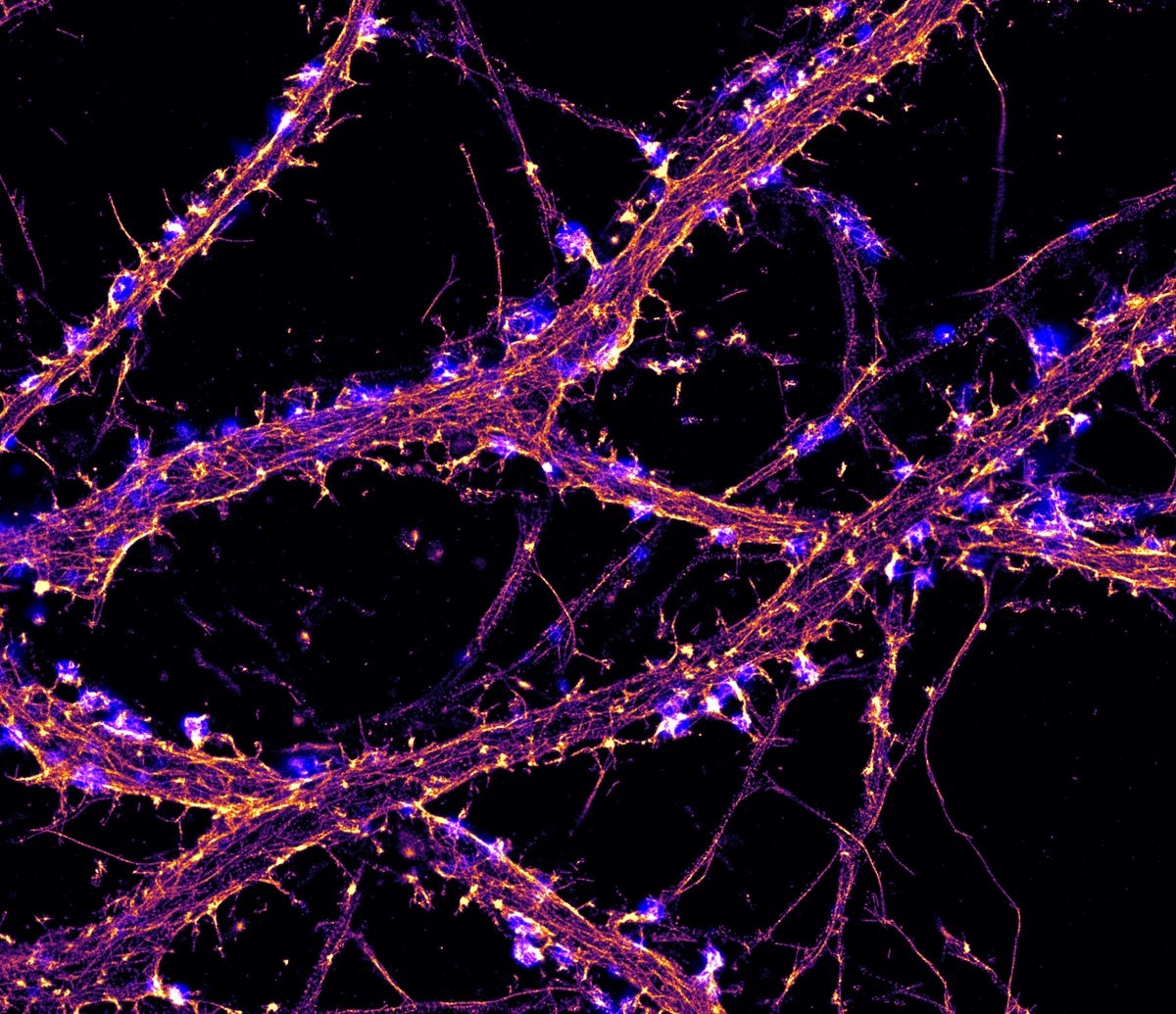
Our team is expanding: we are looking for a #postdoc to perform amongst others 3D microscopy and contribute to our research line on multiscale network neuroscience! Apply here: https://t.co/UAtD0v3yMQ