Malaria & Antibodies!
Junior Research Group Leader @BNITM_de
Formerly @NIAID/NIH & @JohnsHopkinsSPH
PhD @LSHTM
Every day a little more awake.
Views my own.
This tweet will change your perspective on autoimmunity. High levels of autoantibodies at healthy baseline associate with a 41% reduced risk of febrile malaria. Excited to share this great story from Kalifabougou, Mali! @MrtcParasito https://t.co/XCIhjj0iXz 🙏to all contributors!
@morethan88@elbphilharmonie@SteinwayAndSons Fantastic performance, thanks for bringing Ellington alive in Hamburg this Friday! It’s been two years since living in DC, this brought the Kennedy center here, thank you.
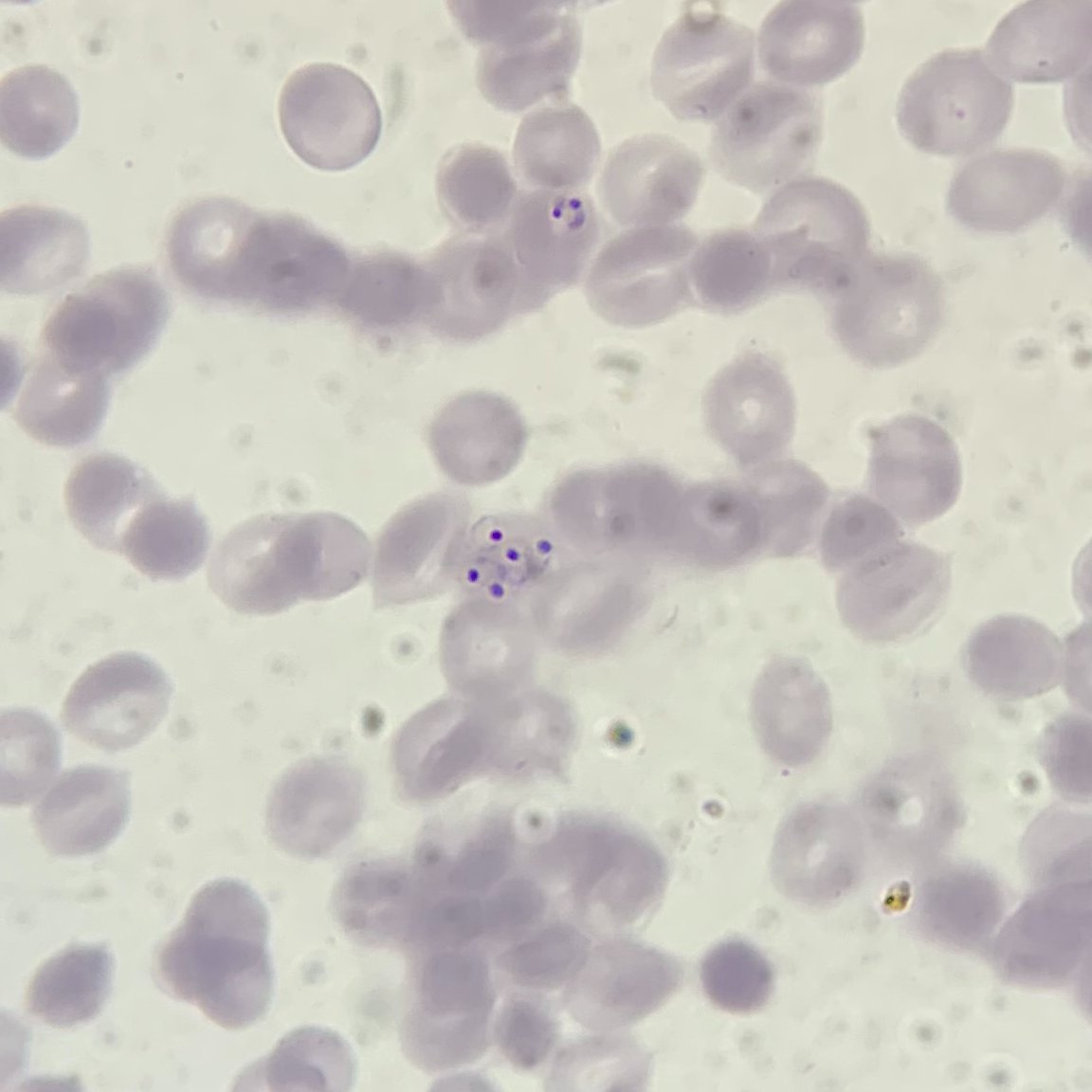
„Over a 25-years period, the inhabitants of [...] an area of intense malaria transmission, have been monitored daily.“ „Susceptibility to the disease may vary up to 10-fold, and for most children childhood is an endless history of malaria fever episodes.“🇸🇳https://t.co/YKYP7BD4HR
I am looking for a motivated #PhD student to work on a project studying the bone marrow B cell compartment during chronic malaria and tuberculosis infection!
Beautiful pipetting view guaranteed at the #BNITM_de in Hamburg, Germany
Please share with potential candidates!
@TeunBousema An important aspect of this conversation is that conference organizers need to lay the foundation to allow virtual participation. I attended #astmh2022 virtually, but many sessions were only available in live stream, which given the time differences can’t be the way to do this!!
In this phase 2 trial in Mali, an antimalarial monoclonal antibody (CIS43LS) at the higher dose (40 mg per kilogram) was approximately 88% effective at preventing P. falciparum infection as compared with placebo. #TropMed22 https://t.co/UGeBHOPhKY
We’re hiring! Are you excited to understand the functional impact of genetic diversity on malaria vaccine efficacy in both lab and field? Do you want to be part of a truly awesome cross-continental lab family? If so, apply for this fully-funded post-doc position in the Bei Lab!
The most striking finding was that the presence of CD4 T follicular helper cells induced atypical B cells - which are refractory to many standard stimulation protocols - to differentiate into antibody-secreting cells in vitro.
Very excited to share this data - now fully peer-reviewed. It’s been wonderful working together with the @MrtcParasito team based in Kalifabougou and the University of Bamako, Mali, as well as #EmoryMedicine and @NIAIDNews. https://t.co/28biDI1vqh
We characterized Plasmodium- and Influenza-specific B cells and found that atypical B cells share B cell receptor clones with activated and classical memory B cells. Our transcriptomic analysis showed that atypical and activated B cells respond similarly to acute malaria.


![ChristineSHopp's tweet photo. „Over a 25-years period, the inhabitants of [...] an area of intense malaria transmission, have been monitored daily.“ „Susceptibility to the disease may vary up to 10-fold, and for most children childhood is an endless history of malaria fever episodes.“🇸🇳https://t.co/YKYP7BD4HR https://t.co/omArvsSZnI](https://pbs.twimg.com/media/GDzZjJVWIAAOij2.jpg)