Solar geoengineering methods are often seen as a controversial last resort that may be required in the face of an accelerating climate crisis.
https://t.co/hWmGJYr0ap
Super! 💫
Data from @chandraxray has uncovered possible remains of a supernova in the middle of our Milky Way galaxy. If confirmed, this supernova piece would be one of the closest to our galaxy’s central black hole that we have ever found. https://t.co/gI5TfSJ45E
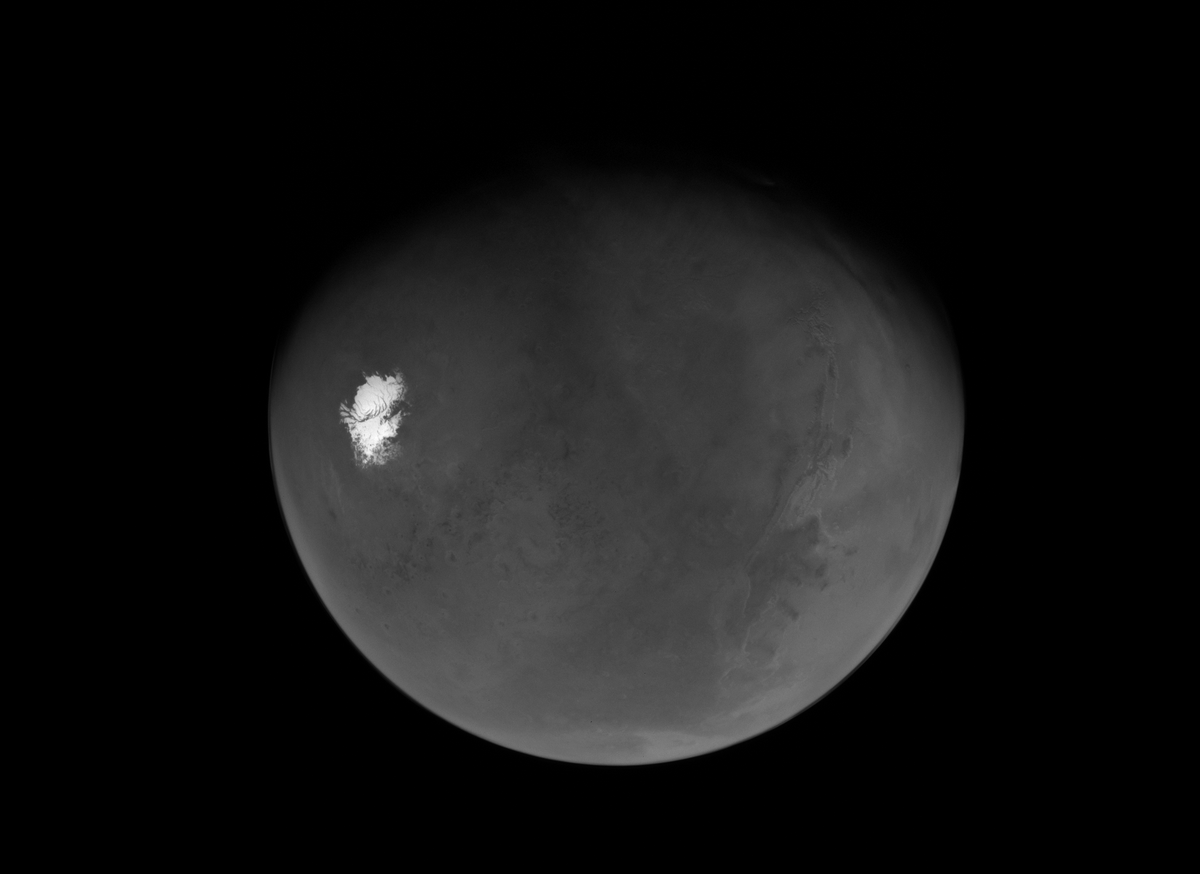
First stop, Mars. Next stop, Psyche 📍
On May 15, our Psyche spacecraft swung by Mars on its way to its next destination: a metal-rich asteroid also named Psyche. The Red Planet gave the spacecraft a 1,000-mph speed boost and provided some stunning photos as well!
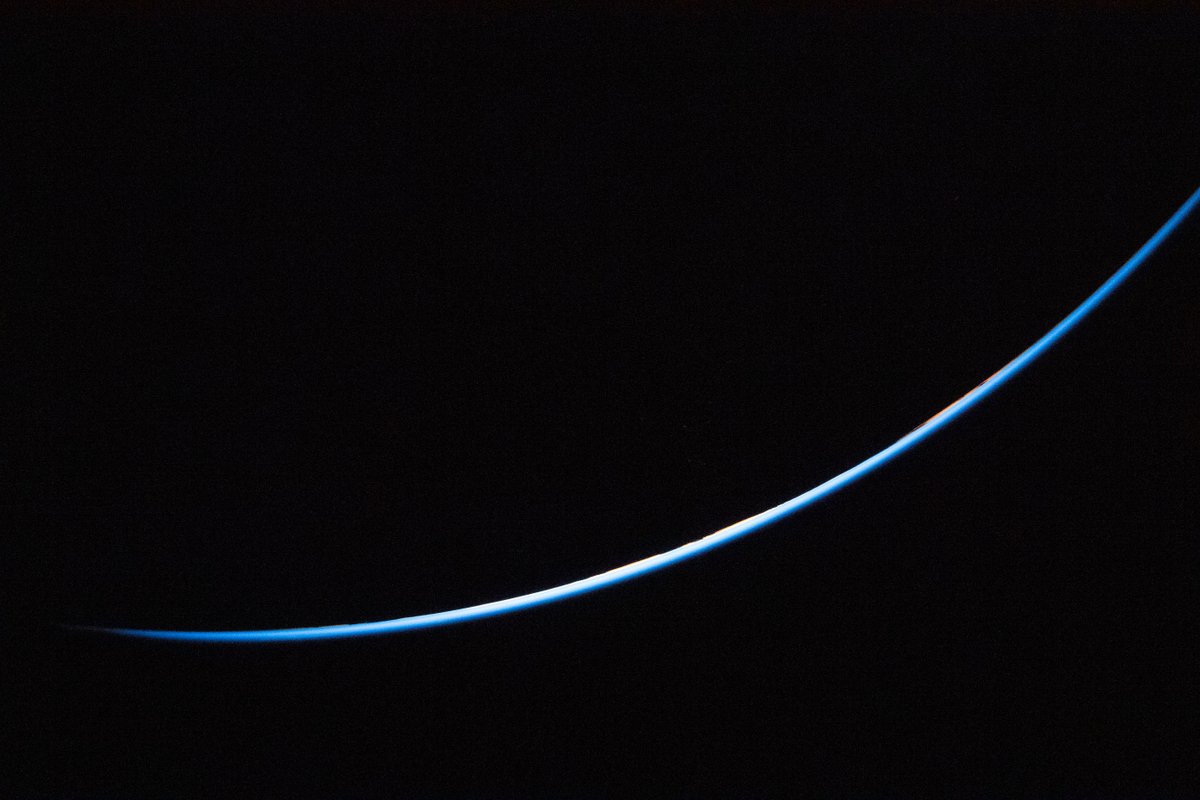
POV: You’re coming home after a journey around the Moon. 🌕
Before reentering Earth’s atmosphere at the end of Artemis II, the Orion spacecraft’s crew module — carrying the astronauts — separated from the service module that provided propulsion and power throughout the mission.
Start your week with some new photos from Artemis II!
Though our journey around the Moon has ended, we're still retrieving plenty of new images. Keep an eye on our Artemis II multimedia gallery for image highlights from the mission: https://t.co/XInWMJwMYY
Only one chance in this lifetime…
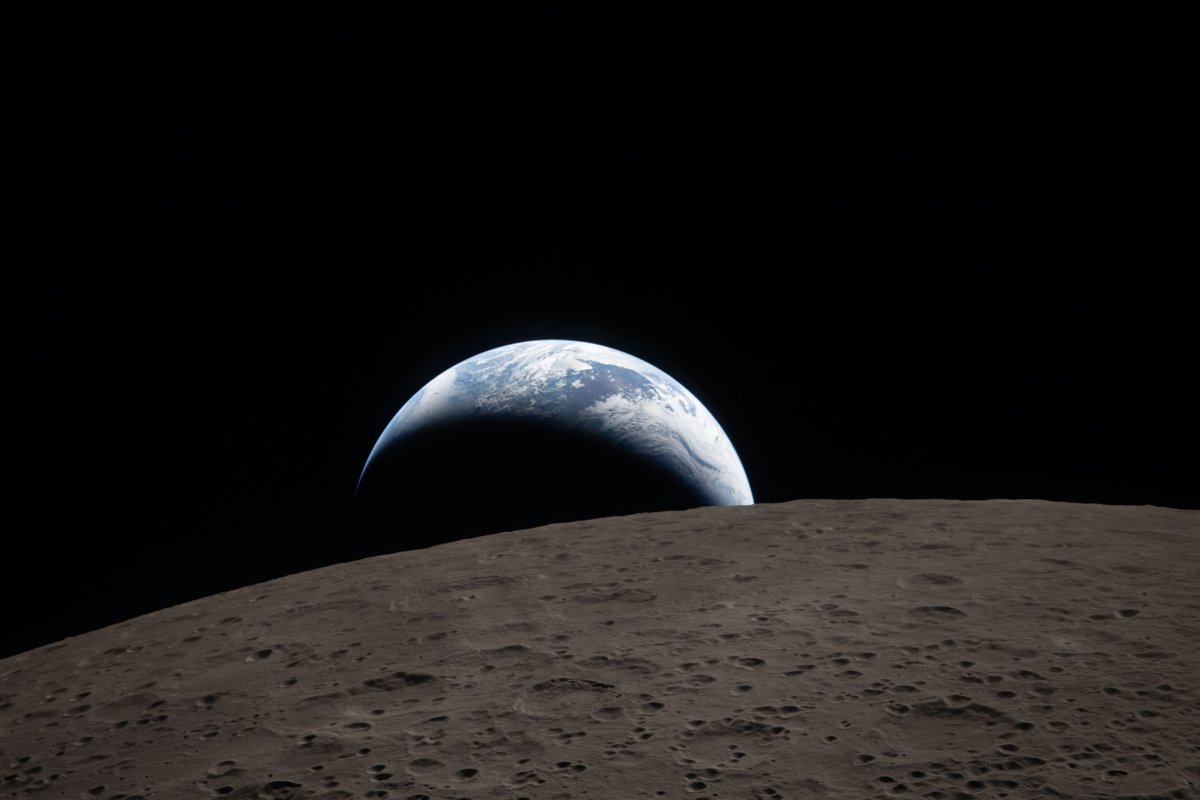
Like watching sunset at the beach from the most foreign seat in the cosmos, I couldn’t resist a cell phone video of Earthset. You can hear the shutter on the Nikon as @Astro_Christina is hammering away on 3-shot brackets and capturing those exceptional Earthset photos through the 400mm lens. @AstroVicGlover was in window 3 watching with @Astro_Jeremy next to him.
I could barely see the Moon through the docking hatch window but the iPhone was the perfect size to catch the view…this is uncropped, uncut with 8x zoom which is quite comparable to the view of the human eye. Enjoy.
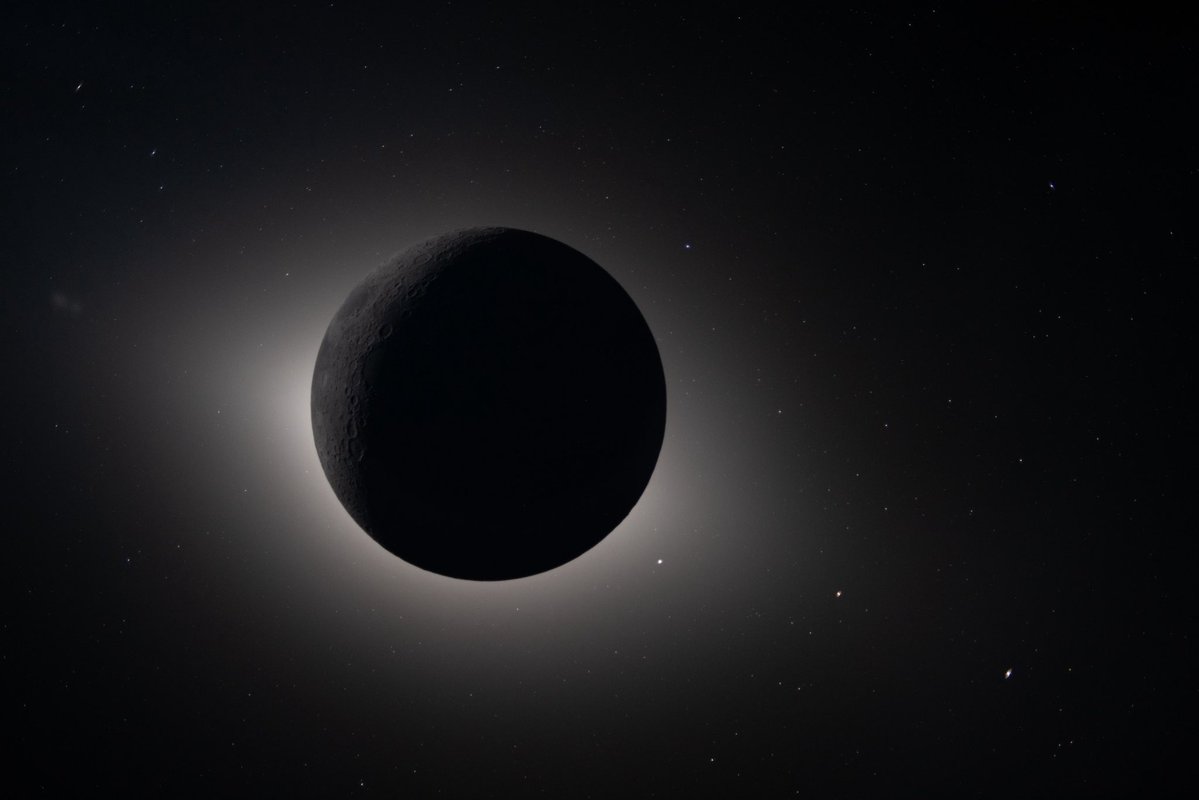
The eclipse from Orion.
On April 6, external cameras attached to the Orion spacecraft's solar array wings captured the Moon backlit by the Sun during a solar eclipse.
✅ #Artemis II update: 'Earthset', 6 April 2026, and 'totality', 7 April, seen from lunar orbit, the Moon eclipses the Sun, a view few humans have ever witnessed (pics: NASA)
🔗https://t.co/ld0YaC0PgO
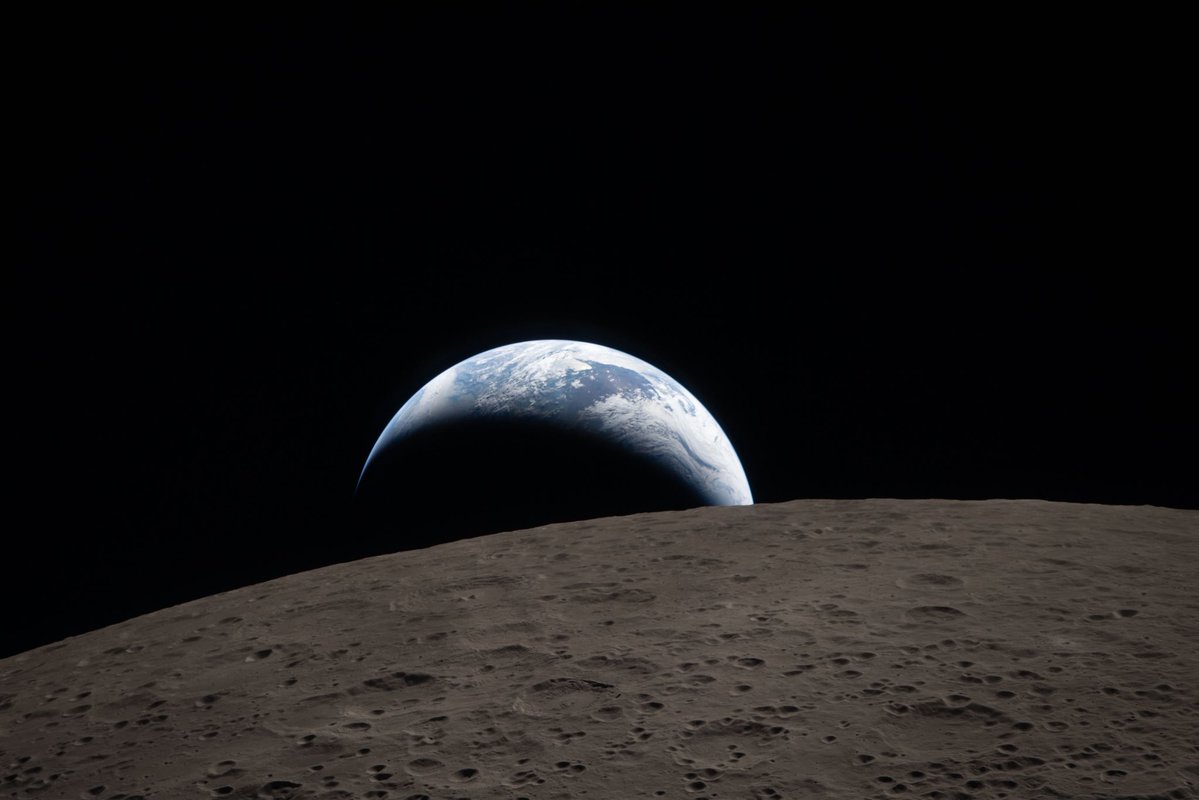
Earthset.
The Artemis II crew captured this view of an Earthset on April 6, 2026, as they flew around the Moon. The image is reminiscent of the iconic Earthrise image taken by astronaut Bill Anders 58 years earlier as the Apollo 8 crew flew around the Moon.
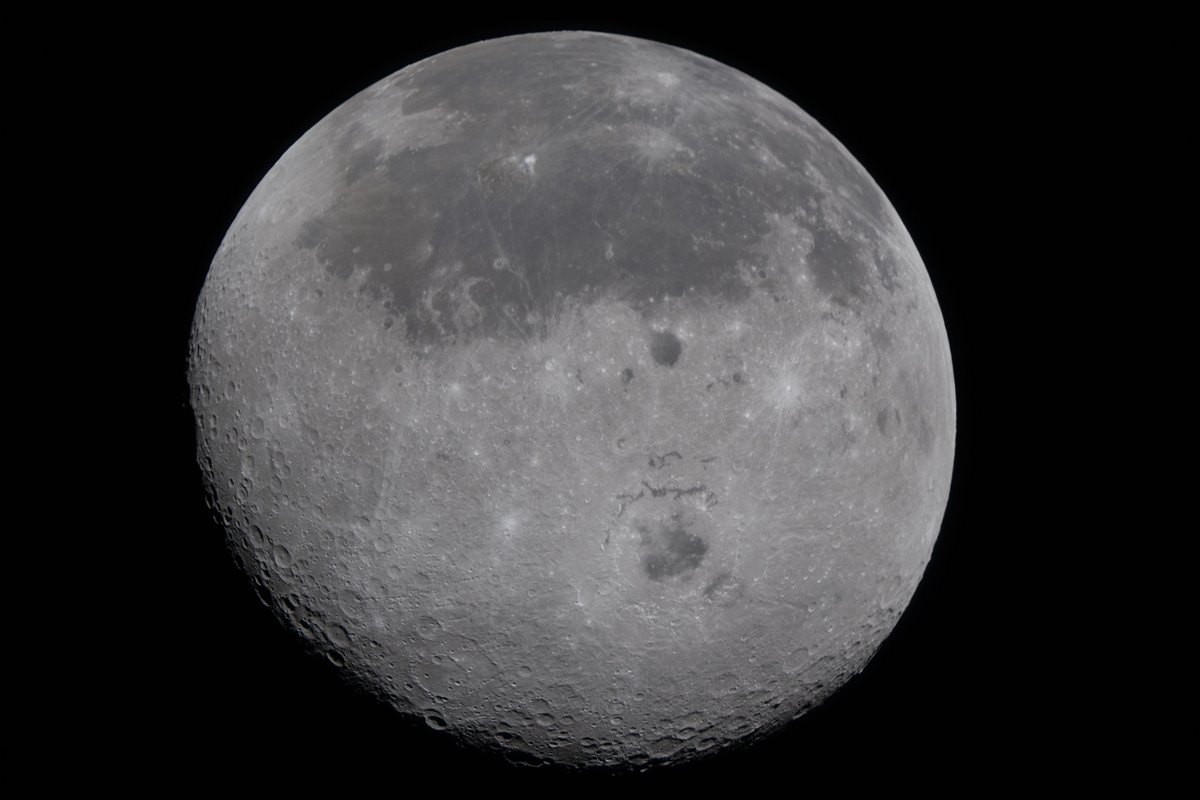
Approaching the near side of the Moon.
The Artemis II astronauts have surpassed the record for the distance from Earth at 1:56 ET (1756 UTC). This record was previously set during the Apollo 13 mission when the astronauts traveled 248,655 miles from Earth. The Moon continues to grow larger and larger in the windows of the Orion spacecraft as the Artemis II mission gears up to observe the far side. The astronauts are predicted to make their closest approach of the Moon around 7:02pm ET (2302 UTC).
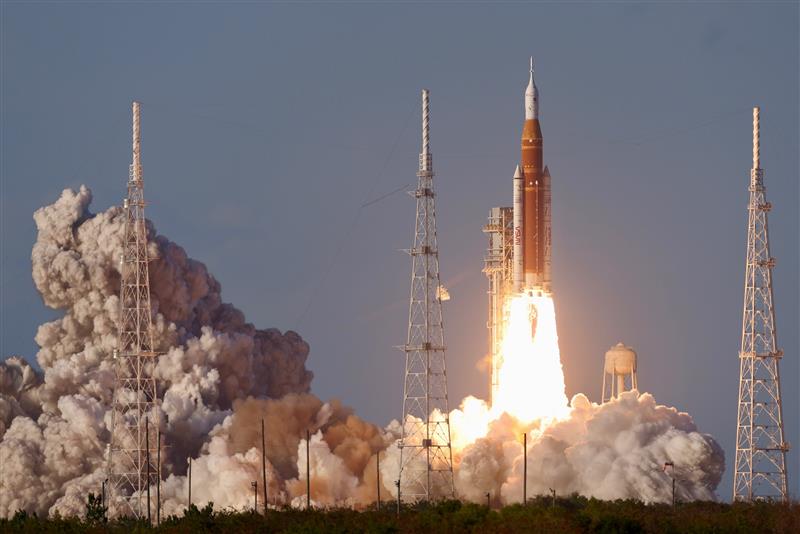
Pleased to share my favorite high-resolution capture of the Artemis II launch- the moment the SLS is clearing the tower, captured by a sound-triggered camera placed near the pad.
I'll have prints linked in my bio for this one, and here's a short thread about how it was captured
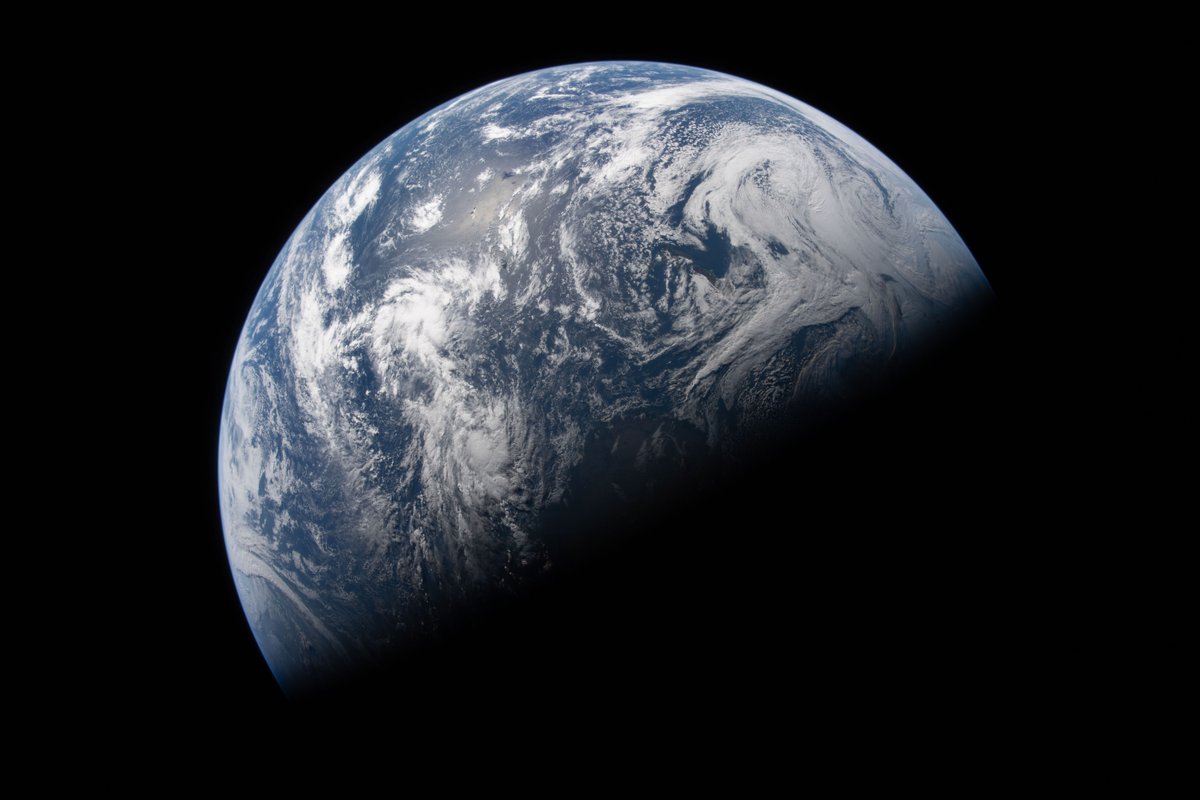
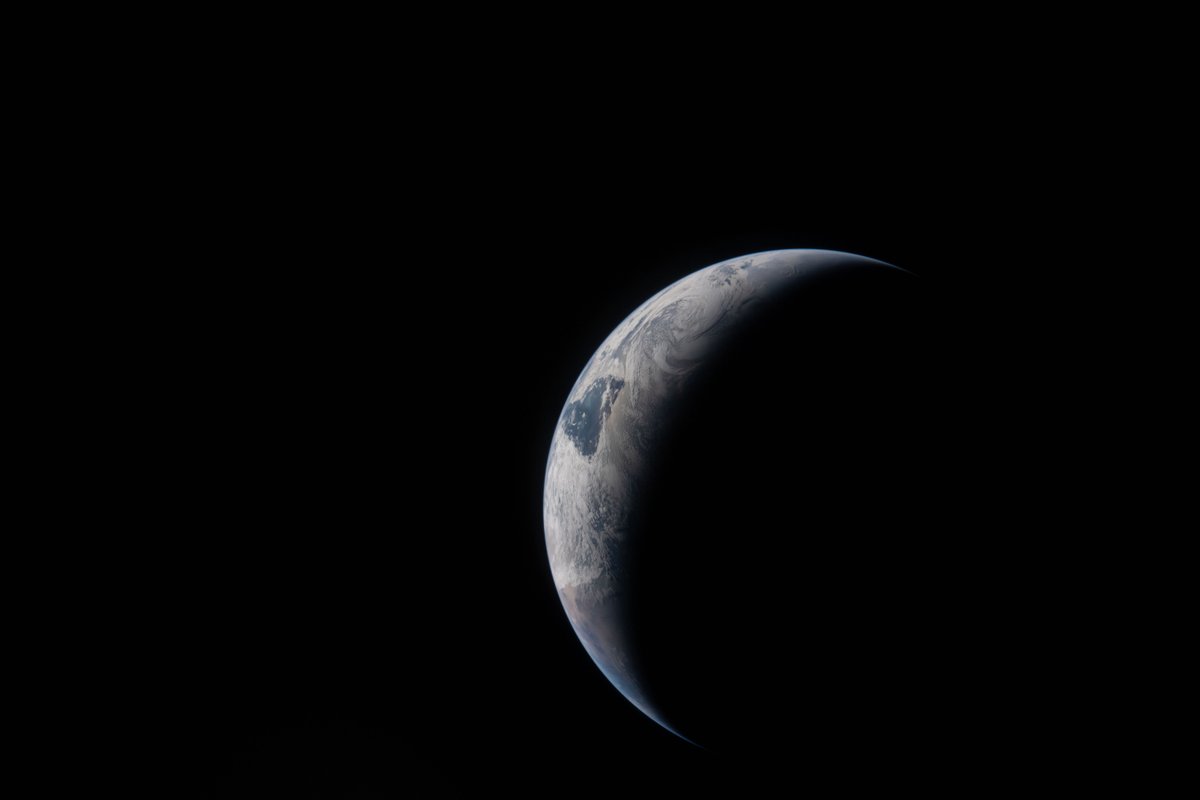
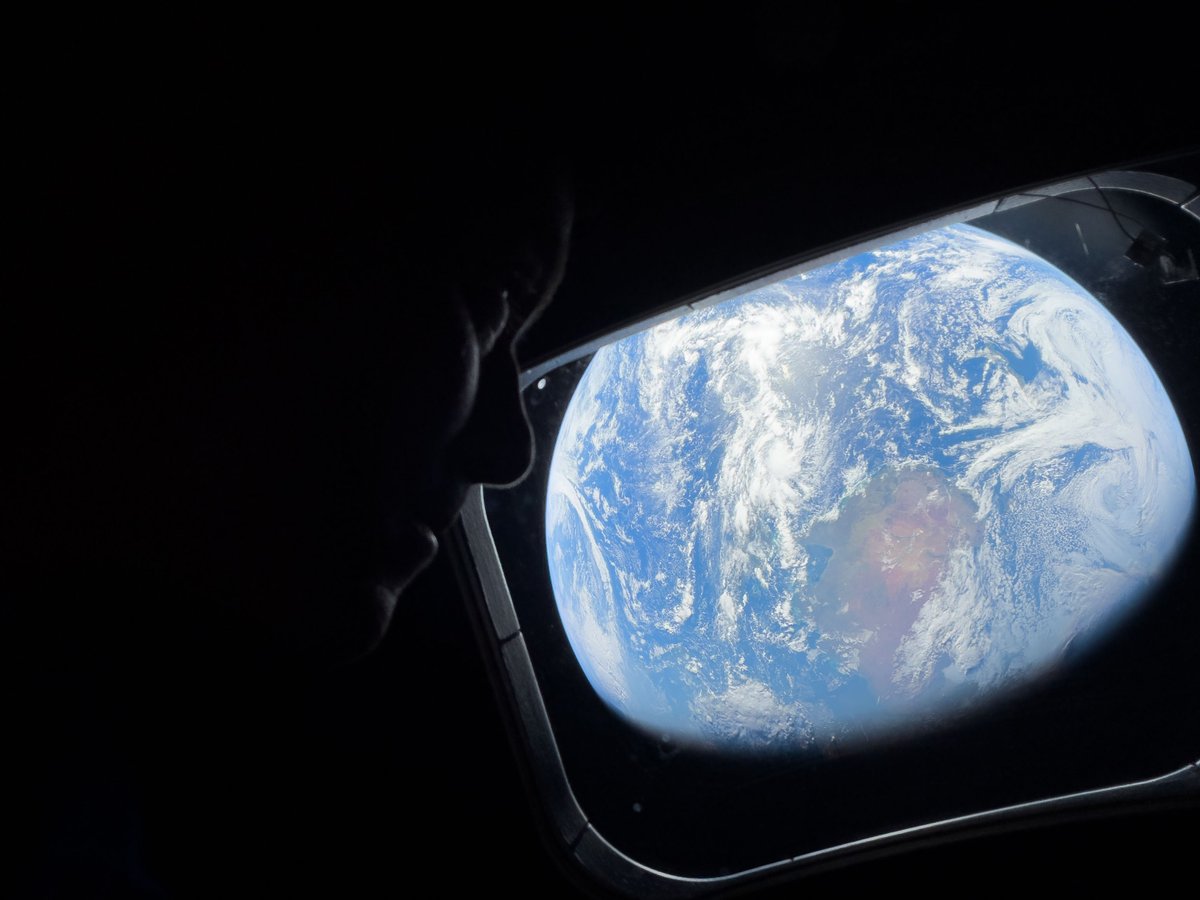
Good morning, world! 🌎
We have spectacular new high-resolution images of our home planet, all of us looking back through the Orion capsule window at our Artemis II astronauts as they continue their journey to the Moon.
Nominal translunar injection burn complete. The Artemis II crew is officially on the way to the Moon.
America is back in the business of sending astronauts to the Moon. This time, farther than ever before.
For the first time in over 50 years, humans are Moonbound.
At 6:35 p.m. EDT (2235 UTC) NASA’s Space Launch System rocket and the Orion spacecraft lifted off from the agency’s Kennedy Space Center in Florida, sending four astronauts on a planned test flight around the Moon and back. https://t.co/0Q9ZB4IWVI
Tomorrow, we launch.
At sunset tonight, Artemis II waits on the pad, ready to carry astronauts potentially farther than any humans have traveled in more than half a century.
The next era of exploration begins.
“I want people to be able to say that Impulse helped usher in a true Space Age” — @lrocket
The new profile from @IntEngineering dives into Impulse Founder & CEO, Tom Mueller's path from Idaho logging country to SpaceX, and now to building the future of in-space mobility at Impulse.
Check out the full interview 👉 https://t.co/002WaxPpQ3