Moderate consumption of caffeinated coffee or tea was linked to reduced #dementia risk and modest improvements in #cognitive outcomes; no benefit was seen for decaffeinated coffee in an observational study of US adults.
https://t.co/fJlHR5rJs0
The new #LancetCommission obesity definitions show dramatic differences in risk:
🏈 Athlete, BMI 32—WHO called it class I obesity; now “no obesity”
👵 Older woman, BMI 27+diabetes—WHO overweight; now stage 2 clinical obesity
👩 Woman, BMI 33+prediabetes—WHO class I; now stage 1 preclinical obesity
👨 Man, BMI 35+heart failure—WHO class II; now stage 3 clinical obesity
Obesity staging reveals deeper health insights than BMI alone. #Obesity #EOSS
https://t.co/8abHcZkxzE
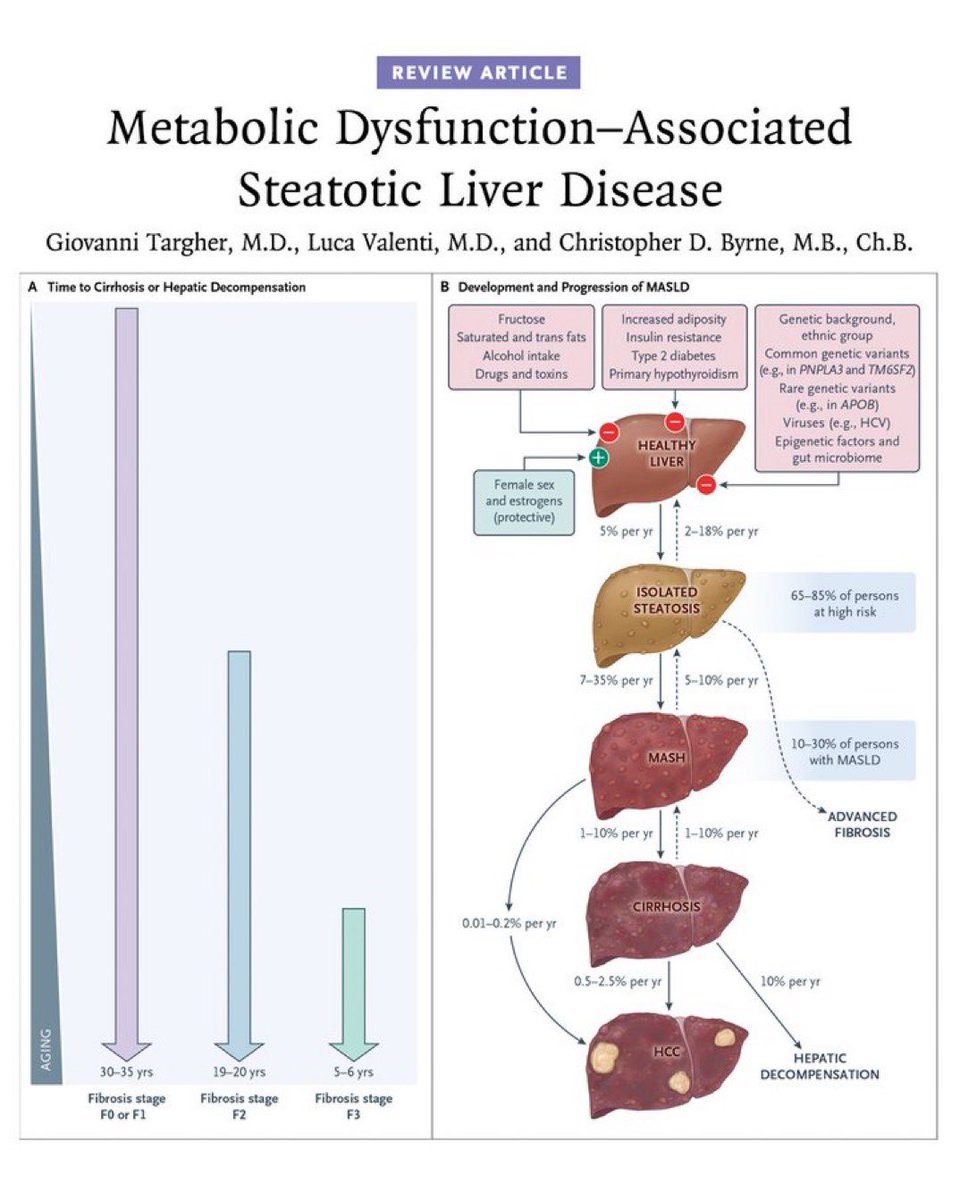
A must-read review in the @NEJM on the most common cause of chronic liver disease: MASLD.
All you need to know: trends, pathogenesis, early detection, co-morbidities, lifestyle changes and novel and future drugs…..
https://t.co/epAuzLl6E7
Any daily alcohol consumption is associated with certain cancers, and the risk of cancer increases with higher alcohol intake.
📊 This JAMA Insights discusses the evidence related to the US Surgeon General’s Advisory on alcohol and cancer risk.
https://t.co/aT8UDvJCyu
🗨️ “Vaccines have done more to improve public health than any other medical intervention.”
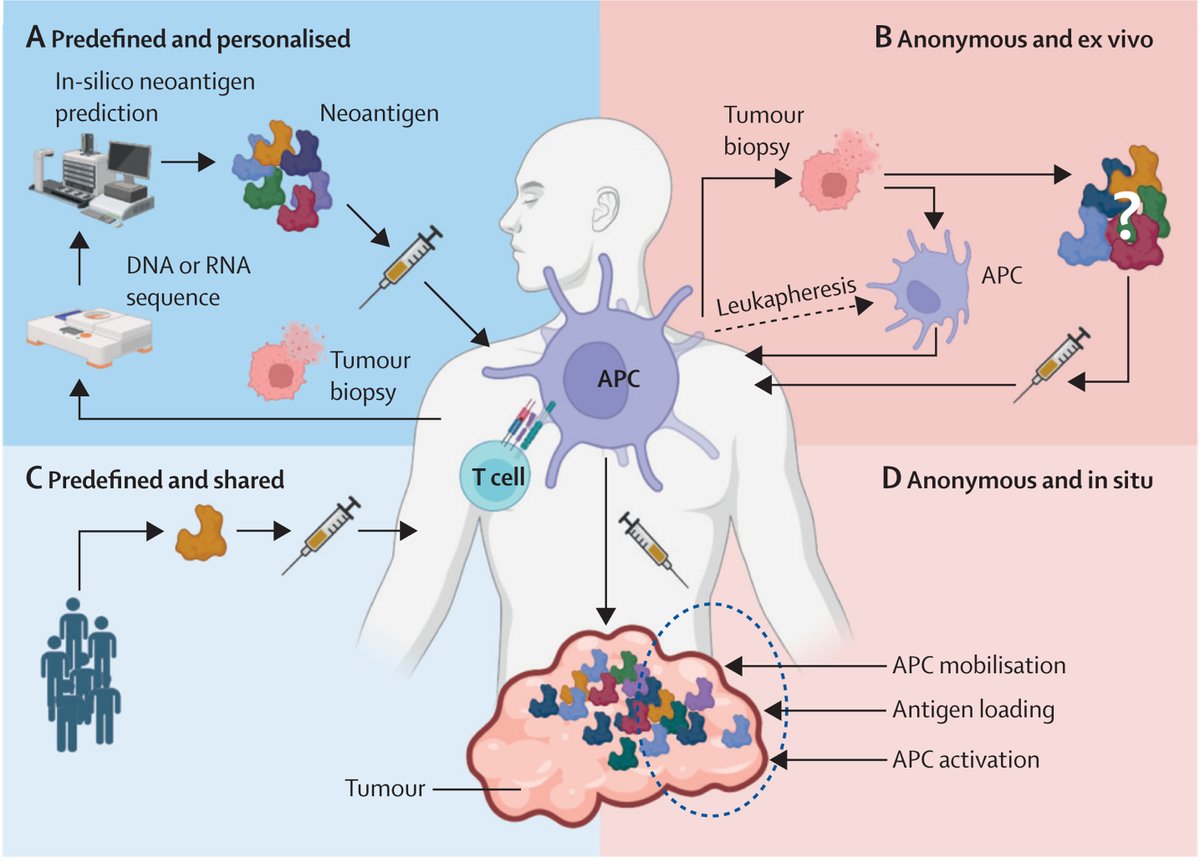
A Viewpoint focuses on cancer vaccines and the future of immunotherapy—analysing trials, different vaccine approaches, and how the next generation of cancer vaccines can help improve patient outcomes and quality of life. https://t.co/5VXTVKx4Jd
🔥off the press:
Hepatocellular carcinoma: ESMO Clinical Practice Guideline for diagnosis, treatment and follow-up
@Annals_Oncology
https://t.co/k6kr7AaBpT
👉get the lastest update on HCC management
👉Multiple options > MDT is key
@myESMO@EASLedu@ILCAnews#livertwitter
Are you confident in your understanding of the different clinical phenotype and presentations of late-onset genetic cholestasis?
Watch this 5-minute animation to learn more about the pathophysiology and genetics behind the disease.
I recommend this review on muscle cramps in #cirrhosis
Cramps are common and are the number one symptom priority for many patients
https://t.co/ecdIQEB7wq
But ….
More than 40 people with lupus have undergone new CAR-T-cell therapy, and most have gone into drug-free remission. It is too early to declare any of these patients cured for life, but that now seems within the realm of possibility, @sarahzhang writes: https://t.co/GaYCnrMyTy
Our metabolism's response to food is highly idiosyncratic, a shock discovery that is upending decades of nutritional orthodoxy and promising to finally answer that surprisingly knotty question: what should we eat to stay healthy? https://t.co/84aqxTTehR
Are we reliyng too much on our #CSPH management?
“35%-45% of patients still have insufficient HVPG-decrease” despite NSBB prophylaxis
New insight from this:
Hemodynamic effects of carvedilol plus simvastatin in... : Hepatology https://t.co/M46UgBhMav
@HEP_Journal@AASLDtweets
Risk Score for HCC in pts Without Viral Hepatitis or Cirrhosis
@JAMANetworkOpen
https://t.co/kwHc35nbNt
❓Can we identify pts WITHOUT viral hep & cirrhosis at risk
👉you need: age, sex, race/ ethnicity, BMI, DM, 🚬,🍷 & Fib-4
🧐Important, since MASLD & ALD are on the rise
@myESMO@EASLnews@ILCAnews #livertwitter
News not so easy to accept for the #liver community. Time to reconsider the use of a pillar of our clinical practice when dealing with #ACLD?
Rifaximin prophylaxis causes resistance to the last-resort antibiotic daptomycin @Nature @EASLedu https://t.co/FmYIr3zAym
We asked our dedicated radiologists to help assess the post-operative risk in cirrhotic patients with HCC. Here’s what we found…
Functional liver imaging score (FLIS) can predict adverse events in HCC patients
@EJR_official_
https://t.co/itJrd0Gi6J
New Review - Duijzer et al - Clinical management of liver cyst infections: an international, modified Delphi-based clinical decision framework
https://t.co/PFTNPB2ihn #LiverTwitter