Our latest work designing a point-of-care diagnostic magnetic resonance sensor is now out in @NatureComms! https://t.co/QVCNl9xBu0
@kochinstitute@MIT @SSherman42
The Cima Lab is thrilled to announce that our R01 with @sagarnigs at MGH has been funded! We are excited to continue developing our NMR-based sensor and looking forward to impacting patient outcomes in the clinic! @MIT @MGHKidneys @kochinstitute@NIBIBgov@NIH @SSherman42
We are excited to collaborate with investigators from the MIT @CimaLabMIT on highly innovative NMR-based volume status assessment for patients treated with dialysis. Thank you @NIH@NIBIBgov for funding our R01 application. @MIT @MGHKidneys
We are excited to collaborate with investigators from the MIT @CimaLabMIT on highly innovative NMR-based volume status assessment for patients treated with dialysis. Thank you @NIH@NIBIBgov for funding our R01 application. @MIT @MGHKidneys
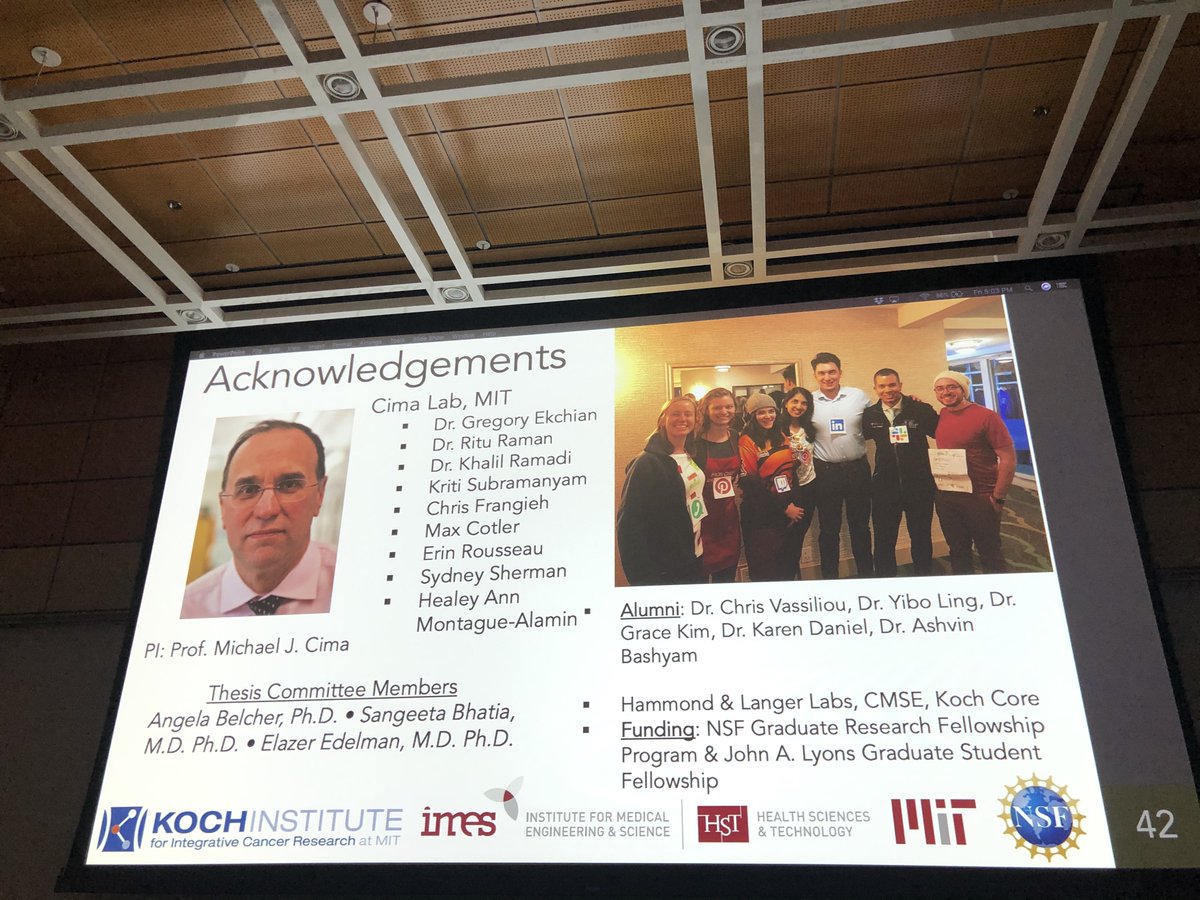
The excitement of last week hasn’t fully set in. So proud to defend my thesis with the support of @CimaLabMIT tailgating in the backyard and friends and family all over the world. Huge thanks to @mit_hst@kochinstitute and my alma mater @BostonU_BME#PhDone
Just another great accomplishment from my students. This is an idea that I thought a limited chance of working. Believing in young scientists has proven, however, to always be successful! Congrats @Ashviin and @FrangiehChris!
Our latest work developing new diagnostics for fatty liver disease and NASH with portable magnetic resonance sensors is now out in @NatBME! (1/3)
https://t.co/CL1sL1GwJb
Congrats to the 2020 grad fellows, including @mit_hst MEMP PhD student @EB_Rousseau, who are awarded Hugh Hampton Young Fellowship for academic achievement across multiple disciplines. @MITGradStudents https://t.co/kUUyszvkHh
Two years ago @kramadi and I asked ourselves if we could improve drug delivery to deep brain targets by bringing together stereotactic surgery, a bit of fluid dynamics, in vivo PET imaging, and lots and lots of computational modeling 👇
https://t.co/9Ciw8mbYka
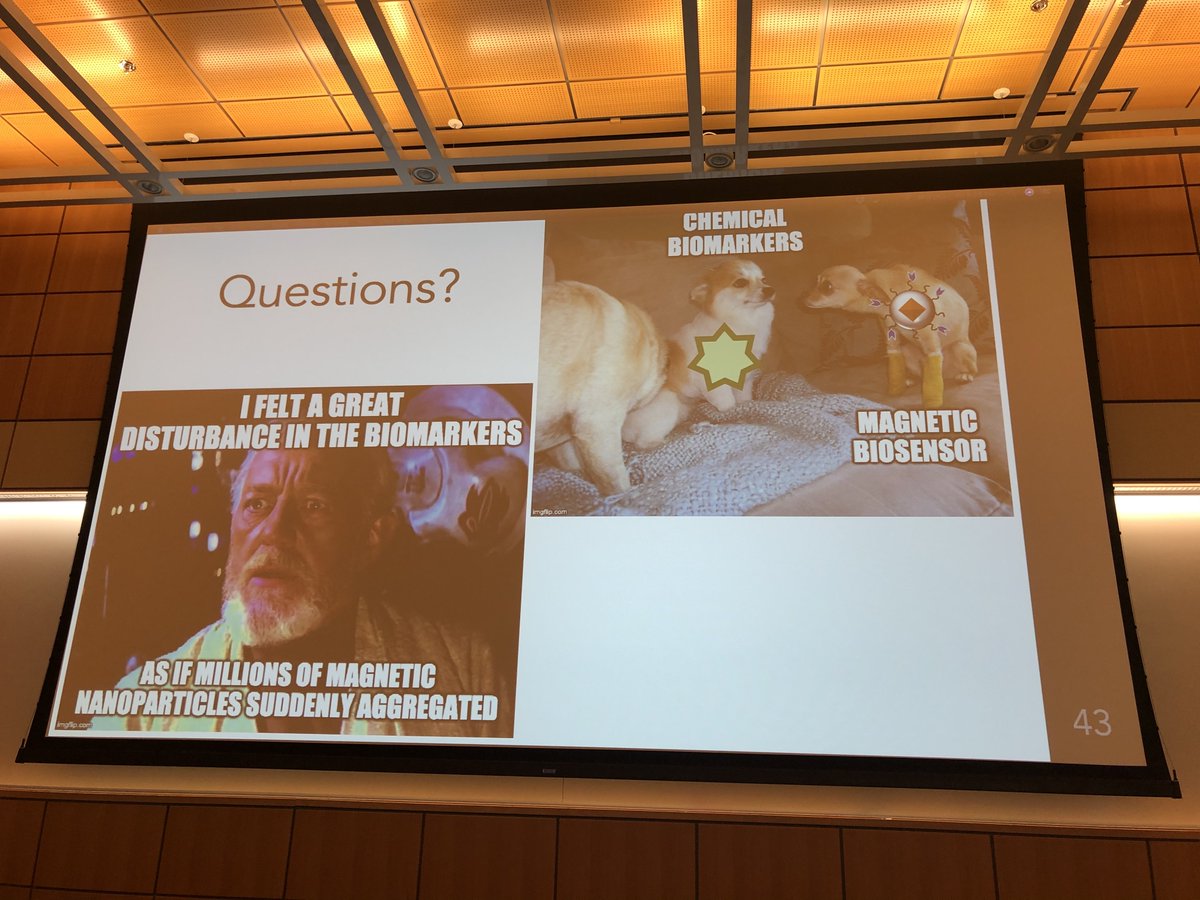
Great turnout at Josh Murdoch's @kochinstitute focus talk on designing magnetic nanoparticles that aggregate in the presence of certain chemicals, enabling their use as sensors for longitudinal monitoring of biomarkers.
#research#scicomm#biotech#health#medicine
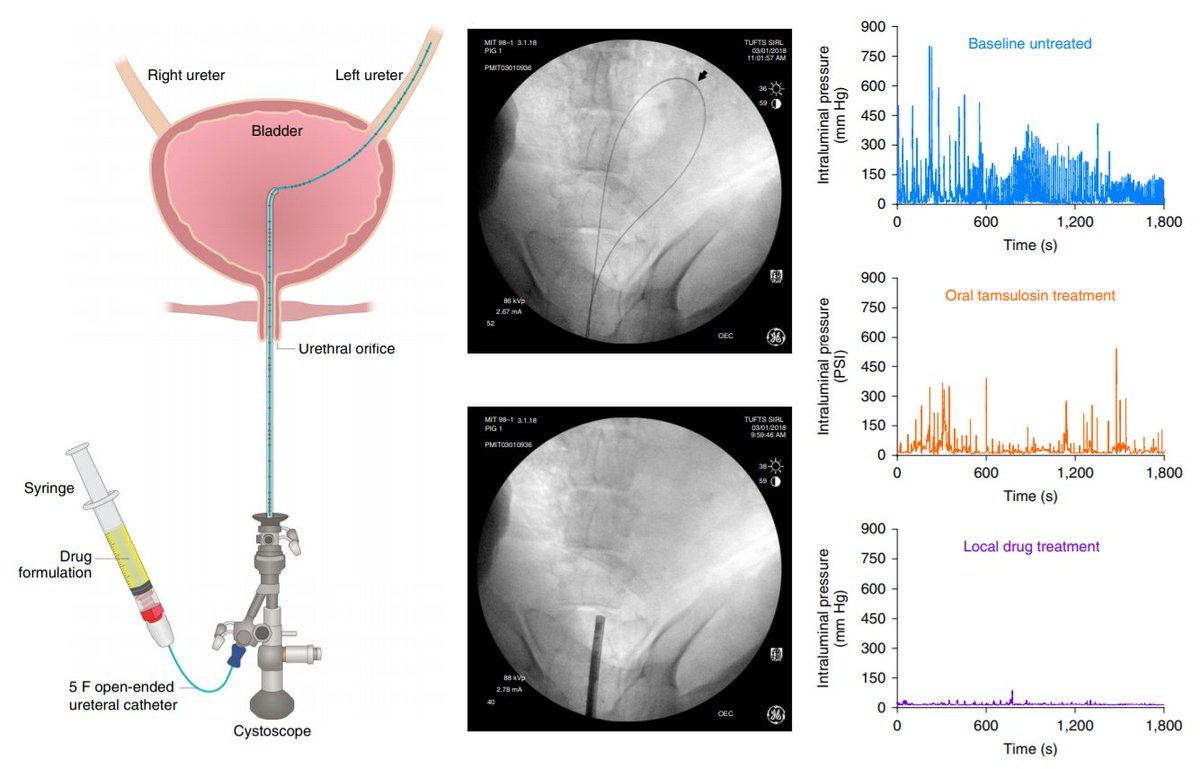
Passing kidney stones is extremely painful. New research @kochinstitute from our very own Dr. Chris Lee shows a great translational approach towards facilitating stone passage, reducing time and pain. @MITDeshpandeCtr
“As a mechanical engineer, I imagine a world where we can build with biological materials” like we build with wood or plastic, says Ritu Raman, STAT Wunderkind, at the #STATSummit. https://t.co/onJO99kkcK
Check out our latest work bringing portable magnetic resonance one step closer to reality: "Dehydration assessment via portable, single sided magnetic resonance sensor"
@FrangiehChris@CimaLabMIT@kochinstitute
https://t.co/P0sdw87rAY
The KI's Michael Cima and Bob Langer, along with KI alum @dagdevirencanan and @mcgovernmit's Ann Graybiel have developed an ultrathin needle that can deliver drugs to specific and difficult-to-reach areas of the brain. https://t.co/OxuZvcRM79