Surrogate endpoints can come at the cost of greater uncertainty: improving a surrogate may not improve what ultimately matters to patients.
Can new recommendations on surrogate endpoints lead to meaningful patient benefit?
https://t.co/rkvXYijzaX
Surrogate endpoints can be used to make treatments available sooner, but that comes at the cost of greater uncertainty.
Can new recommendations on surrogate endpoints lead to meaningful patient benefit?
https://t.co/9Rkpe2z83G
Simultaneous resection of pancreatic cancer and liver metastases following total neoadjuvant therapy: A case series and analysis of the National Cancer Database
🌷https://t.co/uqi2HRgRTW
Ann Hepatobiliary Pancreat Surg 2026;30(1). McKenzie L. Schaefer
#PancreaticNeoplasms
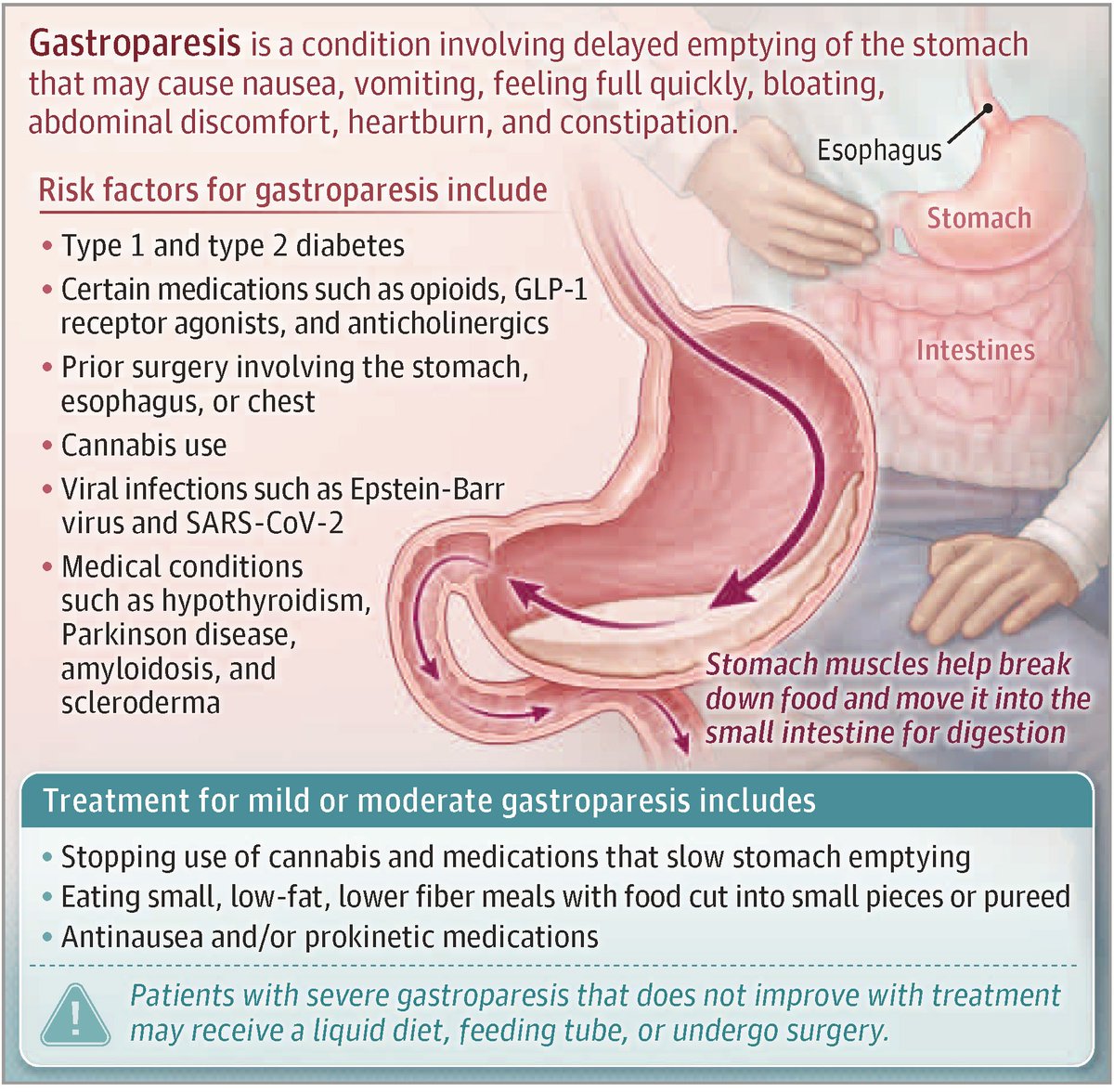
#Gastroparesis is a digestive disorder involving delayed emptying of the stomach that may cause nausea, vomiting, feeling full quickly, bloating, and upper abdominal pain or discomfort.
📄 This JAMA Patient Page describes common risk factors, including type 1 and type 2 #diabetes, prior surgery, cannabis use, and medications that slow stomach emptying such as opioids, anticholinergics, and glucagon-like peptide-1 receptor agonists.
https://t.co/VOfAd62c5o
متى يتقاعد الجراح ؟
مقالة "The Retiring Surgeon" (الجراح المتقاعد) التي كتبها الدكتور بول ماكوبرا
على منصة BJS Academy تتناول قضية التقدم في العمر والتقاعد بين الجراحين وكيف تغيرت نظرة الجيل الحالي من الأطباء لمفهوم التقاعد.
الأفكار الرئيسية التي تناولتها المقالة:
🔷مرحلة الخمسينات وبداية التراجع الفسيولوجي
نقطة التحول: يبدأ الجراحون في سن الـ 55 غالبًا بإعادة التفكير في مسارهم المهني. يُشار إلى مقولة حكيمة من جراح سابق: "عندما تصل إلى سن الـ 55، إما أن تتنحى جانبًا (تغير مسارك) أو تنزلق نحو الشيخوخة".
تراجع القدرات البدنية: التراجع البدني أمر حتمي يبدأ تدريجيًا. التدهور يبدأ عادة بالصحة والقوة، يليها البصر، ثم السمع، ثم المهارة اليدوية (خفة اليد)، وأخيرًا القدرات الإدراكية.
الذروة البدنية والقدرة على التحمل: تصل الذروة البدنية لدى الإنسان في سن الـ 28 تقريبًا، ويبدأ فقدان الكتلة العضلية بمعدل 1% سنوياً بعد سن الخمسين، مما يقلل من القدرة على التحمل بعد العمليات الطويلة.
🔷الذكاء "السائل" مقابل الذكاء "المتبلور"
سن الذروة المهنية: تُعتبر الفترة بين سن 45 إلى 50 هي فترة الأداء الأمثل للجراح، حيث تعوض الخبرة والمعرفة المتراكمة التراجع البدني الطفيف.
تغير طبيعة الذكاء:
يزداد الذكاء المتبلور (Crystallised intelligence) بالخبرة والمعرفة المتراكمة طوال العمر.
يقل الذكاء السائل (Fluid intelligence) المسؤول عن التفكير التجريدي ومعالجة المعلومات الجديدة وسرعة التعلم والتكيف بعد سن الخمسين.
🔷التغير في مفهوم التقاعد (جيل X مقابل الأجيال السابقة)
الأجيال السابقة (مثل د. مايكل ديباكي): كان الجراحون القدامى يرون التقاعد كـ "هاوية" يرفضون السقوط فيها. كانوا يعملون بكامل طاقتهم حتى لحظة التقاعد الكامل، وكان التقاعد في نظام الرعاية الصحية البريطاني (NHS) إجباريًا عند سن 60 أو 65.
الجيل الحالي (Generation X): يمتلك الجراحون الجدد رؤية مختلفة للتقاعد. أصبح لديهم مرونة ورغبة في تقليل ساعات العمل أو الانتقال للتقاعد الجزئي بشكل تدريجي بدلاً من التوقف المفاجئ.
🔷خيارات "الانتقال الجانبي" وتقليل العبء
تخلت الأجيال الحالية من الجراحين عن كبرياء "القدرة المطلقة"، وأصبحوا يتقبلون تقليل عبء العمل بسعادة. ومن أبرز خيارات "الانتقال الجانبي" التي يلجأ إليها الجراحون في سن الخمسينات:
التوقف عن مناوبات الطوارئ (On-call rotas).
التوجه نحو الإدارة الطبية.
الاستمرار كـ "جراحين غير ممارسين للجراحة" والتفرغ للعيادات الخارجية، التعليم، التقييم، والتوجيه (Mentoring).
الترقية إلى مناصب في الكليات الملكية أو التعليم العالي بعد الجامعي.
🔷الاستعداد للمرحلة الثالثة من الحياة
يُرجع الكاتب هذا التحول إلى تغير ظروف الحياة الاجتماعية (مثل استقلال الأبناء واستقرار الوضع المالي)، إلى جانب درجة من الإرهاق المهني (Burnout) بعد عقود من العمل الشاق.
يختتم الدكتور بول ماكوبرا مقالته بالتأكيد على أنه يترقب التقاعد فور استطاعته ماديًا ليدخل "المرحلة الثالثة" من حياته وهي مرحلة الاستمتاع واللعب، مستشهدًا بمقولة مارك توين: "العمل هو كل ما يُفرض على المرء القيام به، أما اللعب فهو ما لا يُفرض عليه"
Your doctor cuts you off about 11 seconds after you start talking. Researchers literally timed it in a 2018 study. That number is why Google's new Lancet result is bigger than it looks.
In the study, 98 real urgent care patients texted with Google's AI days before their appointment. No scans, no exam, no bloodwork, just an unhurried conversation about what was wrong. That alone put the correct final diagnosis on the AI's list 90% of the time.
Sounds like magic until you learn what medicine has known for 50 years.
Back in 1975, a British team published a study in the BMJ tracking which part of a visit actually produced the right diagnosis. The physical exam? The labs? Nope. In 82% of cases, the patient's story alone got the doctor there. Everything else mostly confirmed what listening had already found.
So the playbook for accurate diagnosis has existed since 1975. Let the patient talk. Medicine just built a system where nobody has time to run it, and an 18-minute appointment with 11 seconds of uninterrupted patient talk was the result.
Google didn't build a superhuman doctor. It built the first clinician in 50 years with enough time to use the method we already proved works.
And my favorite detail buried in the study... physicians who read the AI's pre-visit summary said it changed how they treated the patient in over half of cases. Hand a doctor the full story before you walk in the room and you get different medicine.
Turns out the most advanced medical instrument Google ever shipped is a conversation that doesn't get interrupted.
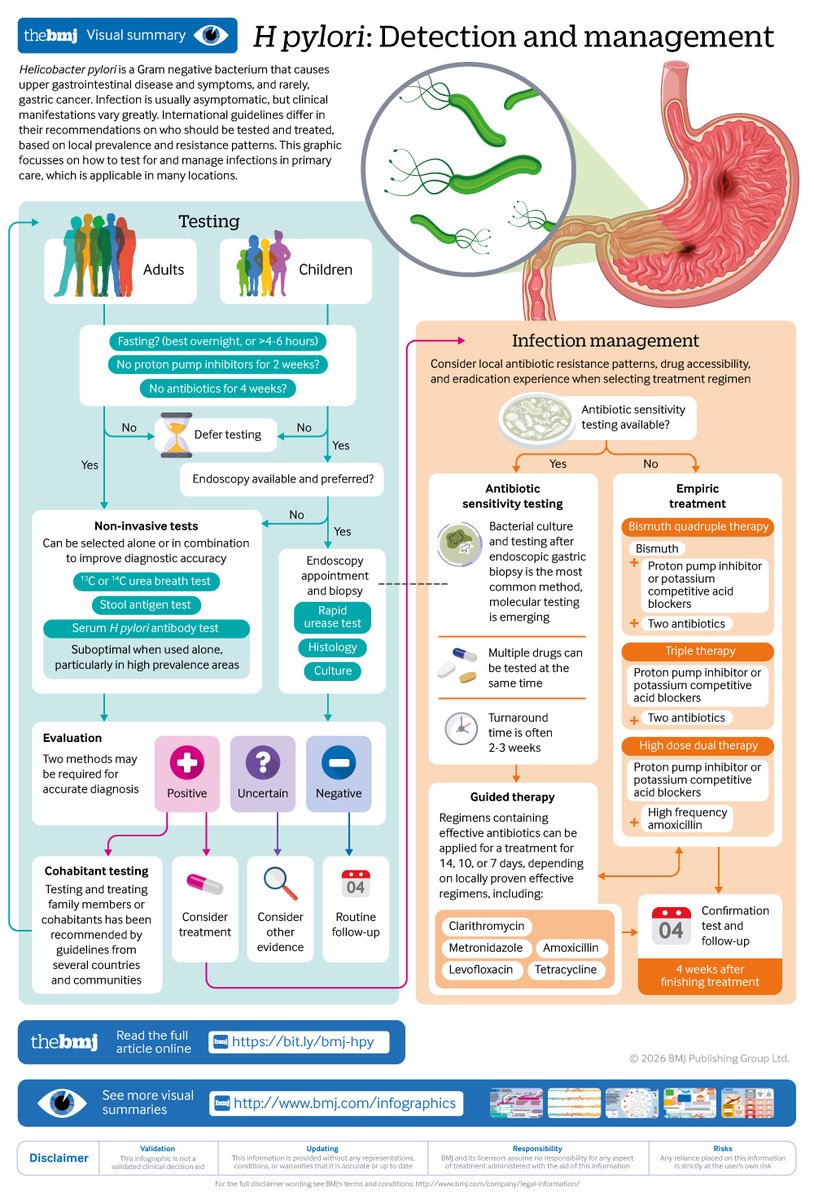
Helicobacter pylori is a Gram negative bacterium that causes upper gastrointestinal disease and symptoms.
This clinical update present recent guidelines and evidence on H pylori prevalence, transmission, detection, and management in primary care
https://t.co/mXKy3uZPsJ
Published in @JAMA_current , brilliant demonstration of selective reporting. #Cochrane#MetaAnalyses: for each outcome, on average less than half the eligible trials contributed to estimates. The fewer included, the larger the effect size! Studies with null effect weren’t reporting!
https://t.co/ahT7HcnzTU
Saline vs lactated Ringer’s. Early feeding vs waiting. Conservative vs urgent ERCP.
In acute pancreatitis, the “right answer” is getting… less certain.
A major update is reshaping the conversation 👇
https://t.co/9pkeYIYzMp #AcutePancreatitis
Remarkable summary in @TheEconomist of the (many) surgical procedures that appear no better than non-operative care (or placebo).
Appendectomy, meniscal “repair,” spinal fusion, rotator cuff…🤯
Many surgical interventions are little better than placebo
https://t.co/qEsFNBsizB
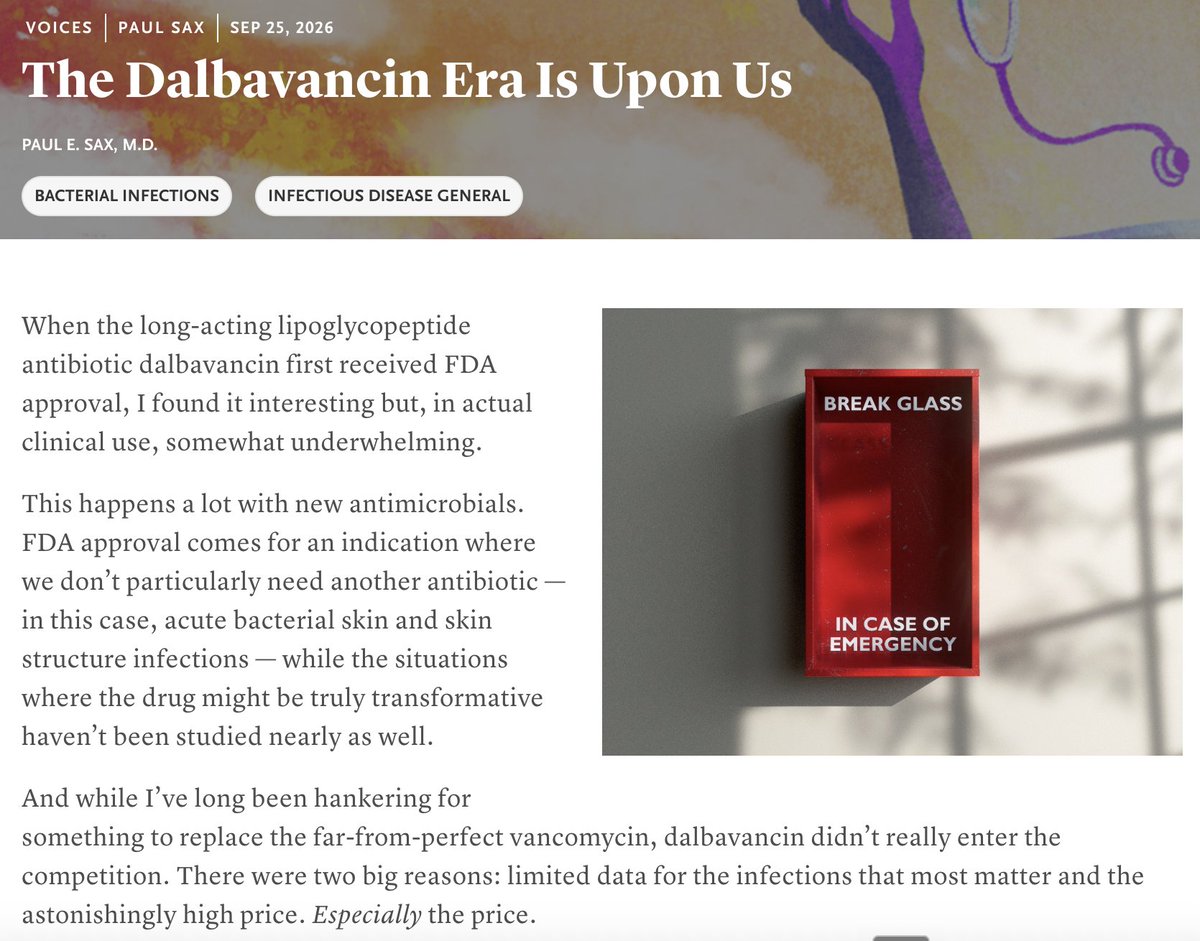
If you haven't done inpatient patient care recently, here's a big change that's happening -- dalbavancin is poised to replace vancomycin in many clinical settings. Here I explain why. Free-to-read link in replies. @NEJM@NEJMClinician@PriyaNori
#ASGE has updated its variceal bleeding guidelines, now published in @GIE_Journal, with several MAJOR changes from 2014:
1. Endoscopy within 24 hours for acute variceal bleeding, rather than 12 hours, with greater emphasis on resuscitation.
2. Esophageal stents are now formally recognized as a salvage/temporizing option for refractory variceal bleeding.
3. In COMPENSATED cirrhosis w/ clinically significant PHTN, start a NSBB and CONTINUE annual EGD surveillance (a key difference from prior guidance and current national societies guidelines recommending NSBB alone without routine EGD follow up).
4. In compensated cirrhosis already on an NSBB, growing varices (~20% of cases) should be banded for primary prophylaxis (first guidelines to recommend COMBINATION therapy).
5. For gastric varices, EUS-guided cyanoacrylate PLUS coil therapy is now the preferred endoscopic approach.
#MedTwitter #Hepatology #GITwitter #MedEd @ASGEendoscopy
Stop being lazy, sad, or scared. With very, very few exceptions …just do the anastomosis.
Colon and Rectal Injuries From Blunt and Penetrating Trauma https://t.co/1rTezQLatp