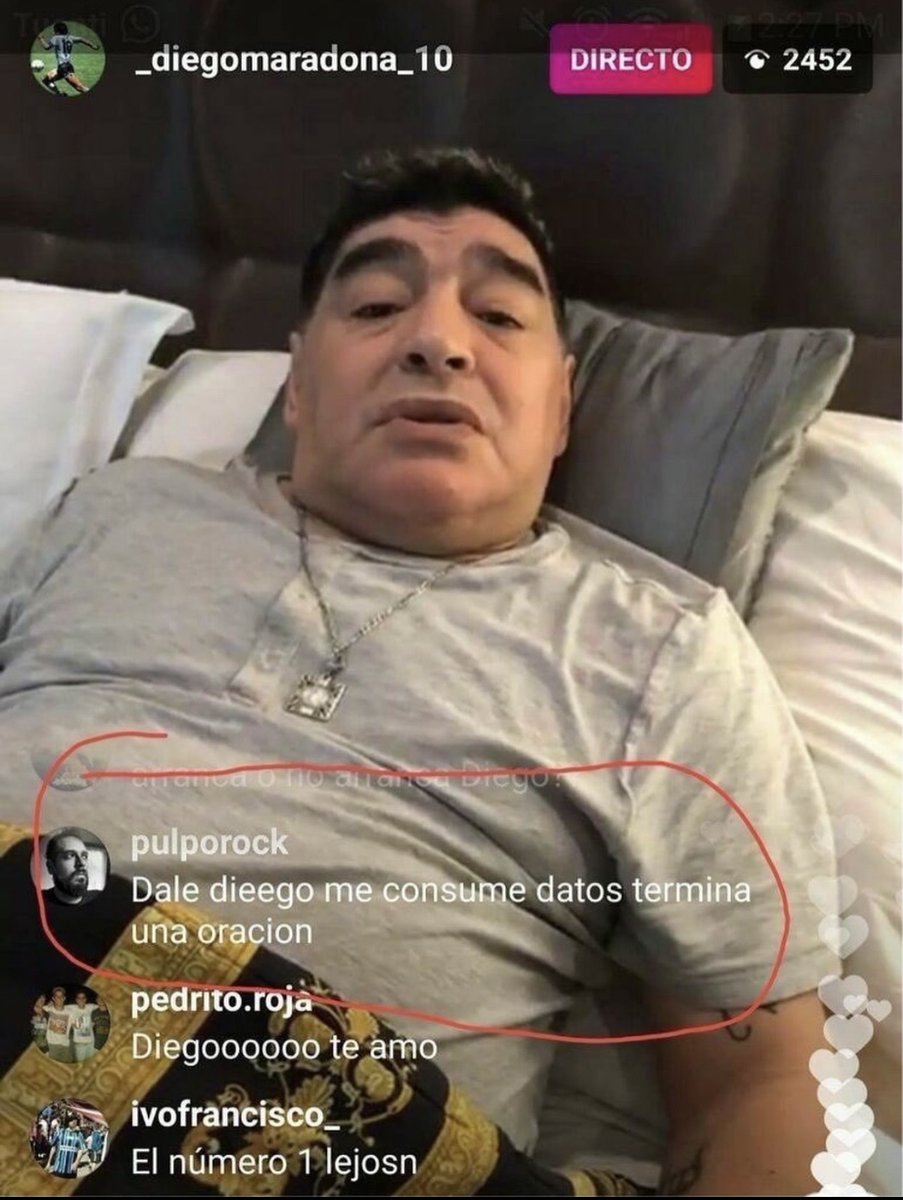
Salud pública de calidad en el hospital municipal de Merlo. Basura, ratas, sin personal, virus intrahospitalarios, abandono de pacientes...
El intendente Menendez no perdió 1 solo voto.
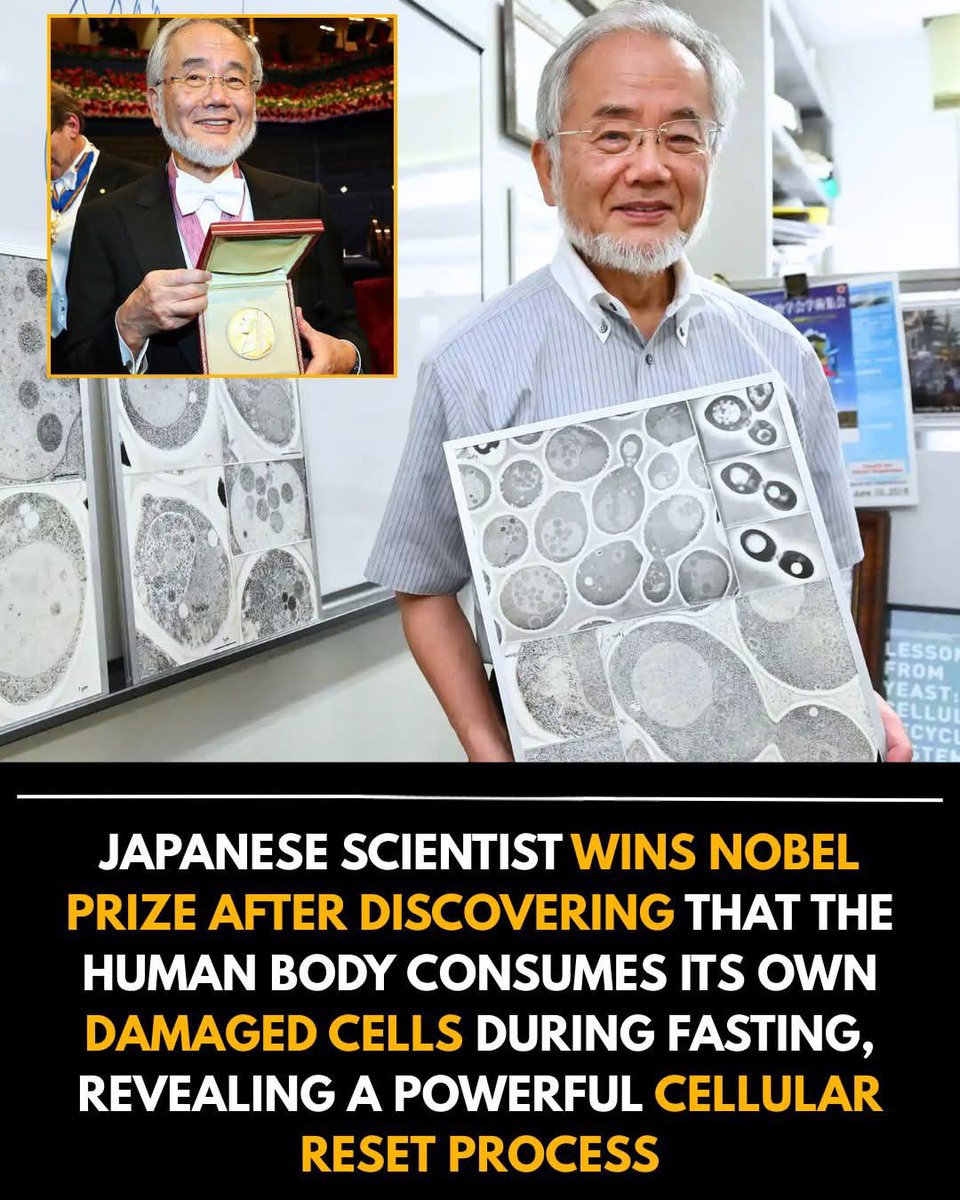
🚨 A Japanese scientist earned a Nobel Prize after discovering one of the body’s most powerful self-healing mechanisms: during periods of fasting, the human body begins to consume its own damaged cells, triggering a deep cellular reset known as autophagy. This natural process acts like an internal cleanup system, breaking down old proteins, malfunctioning components, and toxic buildup that contribute to aging and disease. The discovery revealed that fasting doesn’t just change metabolism — it activates a fundamental survival program hard-wired into our biology.
Researchers found that autophagy boosts cellular renewal, supports immune function, protects against neurodegeneration, and improves overall resilience. When the body isn’t busy digesting food, it shifts focus to maintenance and repair, recycling damaged parts into fresh, healthy components. This helps reduce inflammation, sharpen brain function, and improve the body’s ability to handle stress. Some studies even show that activating autophagy may lower the risk of chronic conditions linked to aging.
The Nobel-winning research transformed how scientists view fasting, turning it from a simple diet trend into a legitimate biological reset. Doctors now say intermittent fasting — when done safely — can help support long-term cellular health, boost energy, and improve metabolic balance. While it’s not a cure-all, the discovery showed that the body has extraordinary built-in abilities to heal itself when given the right conditions.
For millions around the world, the research opened a new window into how deeply our lifestyle affects our cells — and how something as simple as timing our meals can unlock one of the body’s most powerful repair systems.
🐶🐂 Una amistad sin etiquetas que está conquistando el internet.
Dicen que los mejores amigos vienen en todas las formas y tamaños. 🐾🥹✨
Vía @infinitevideos2026
Los niños rechazan las verduras instintivamente.
Esto no es "ser quisquilloso con la comida". Es detección de toxinas.
Niños pequeños:
- Rechaza los alimentos amargos (el amargor indica la presencia de toxinas vegetales).
- Prefieren los alimentos dulces (energía rápida, históricamente poco comunes).
- Prefiere los alimentos grasos (ricos en calorías, componentes básicos).
- Rechazar las verduras a menos que estén enmascaradas con grasa/sal/azúcar.
Los padres tienen que:
- Esconde las verduras en otros alimentos
- Sobornar a los niños para que se los coman
- Obligar al cumplimiento con "tres mordiscos más"
- Cúbrelos con queso o mantequilla para que sean más apetecibles.
Ningún padre obliga a sus hijos a comer tocino.
Ningún niño necesita sobornos para comer mantequilla.
Los niños no rechazan la carne y la grasa. Las piden.
Porque los instintos, que evolucionaron a lo largo de millones de años, reconocen la nutrición óptima.
Luego, anulamos esos instintos con propaganda agrícola.
"Come tus verduras" es programación cultural, no sabiduría biológica.
Los niños detectan las sustancias químicas de defensa de las plantas que sus cuerpos saben que deben evitar.
Lo llamamos ser quisquilloso con la comida. En realidad, es comer de forma inteligente.