I'm in a @ARC_EM webinar today on equality monitoring, specifically in health and care research <iframe src="https://t.co/zmrKiaGvId" height="430" width="504" frameborder="0" allowfullscreen="" title="Embedded post"></iframe>.
We’ve been busy with our new initiative, SHARC. Please meet some of our new Research Patient & Public Involvement Panel, helping us & our researchers. We held a full days training on Monday to learn about their involvement. @NIHRinvolvement@NIHR_ARC_YH@CMSmith215@joycefoxxxx
We can't advance #PPI without addressing the labour of those embedding involvement in research. @Louca_Mai & I hope this paper helps us bring this labour into focus https://t.co/pMoLO9D9Rq
We are expanding our team!
2 opportunities for Patient Public Involvement and Engagement (#PPIE) members - open now:
🔹 Scientific Committee Representative
🔹 Community Voices Panel Members
Find out more and apply here:
🔗https://t.co/FV7bRvxddG
Closing date: 13 September 2024
Have you ever wondered what an ARC is and what we do? Our latest Lunch & Learn recording has landed on our You Tube channel! Our @NIHR_ARC_YH Programme Manager Sally Bridges explains all! Watch now: https://t.co/SbMfHgYfXJ @NIHRARCs@NIHRresearch@docjohnwright
Our Co-Patient & Public Involvement & Engagement Lead, Christine Smith, shares a blog about The Reaching Out Initiative. Bridging gaps and fostering meaningful relationships between Gypsy and Traveller Communities. Read more: https://t.co/1QlvlOh0rF
#focusmonth
Do you fancy learning over lunch? I'll be talking about EDI in health and care research with @NIHR_ARC_YH , 13th December 12.30. See you there?
@ARC_EM#lunchandlearn@NIHRARCs
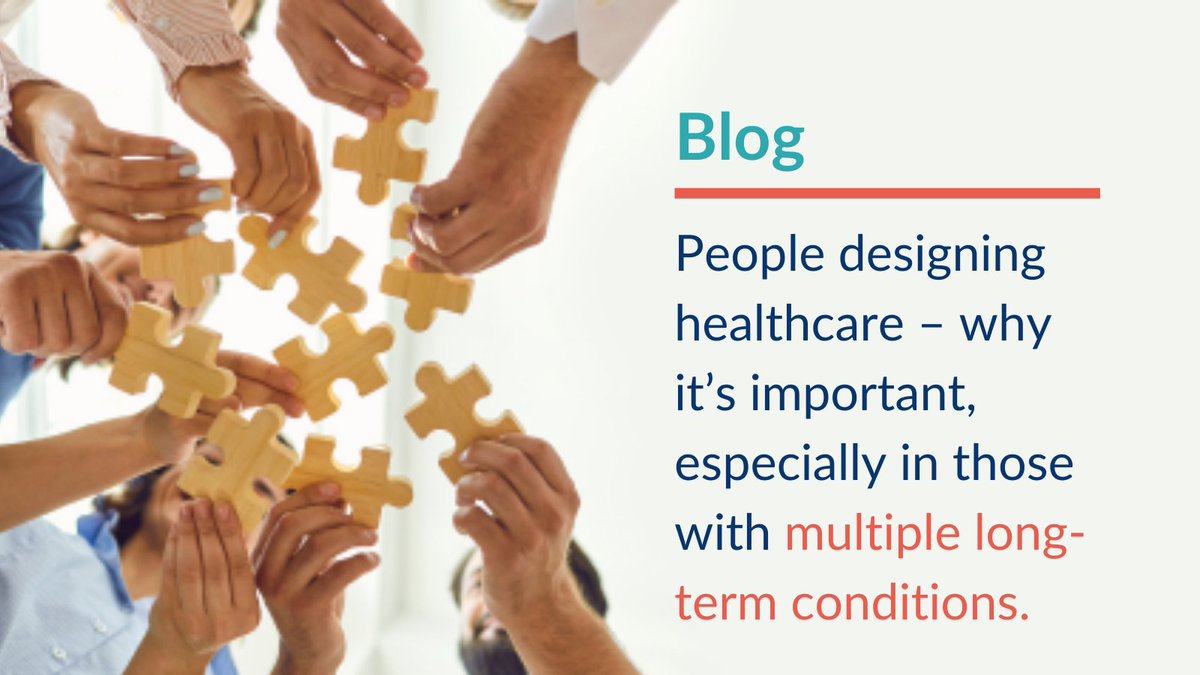
This is a trifecta of complicated things! We've got public involvement, implementation research and multiple long term conditions. Our new blog talks about how we have worked with our public contributors in four #MLTC projects
Learn why involving patients, carers and the public in healthcare design is crucial, especially for those with multiple long-term conditions #MLTC.
Latest blog by the #PPI leads and project public contributors from the @NIHRARCs national MLTC projects.
🔗https://t.co/CYsCsH44iL
Just goes to show, you can involve the public in research that is complicated and 'a bit removed'. And who doesnt love an animation? They're not just for the public - researchers from other fields benefit too!
What’s the value of animation for explaining complicated academic concepts? And involving public contributors to help?
We worked with statistical methodologists to find out - and here’s the paper that details the process & impact 👇
📢 Calling all health researchers! Be "early adopters" and pioneer a new framework to improve diversity in research data.
Join our #EqualityInResearchMatters campaign and lead the way in promoting #inclusivity.
It all starts with an insightful webinar!
🔗https://t.co/vaUuBgD86D
We know that most research papers dont really get read once they're published. Even by researchers (no time, too much information/noise...). So whats the most effective way to disseminate research about PPIE? How do you get your information to the people that need to know?
@JeremyTaylorNB My view is that the research needs to be made implementable, it needs to be in 'how to' formats. But also narratives of challenges. We need to know about 'Grimpact' as well as all the relentlessly positive stuff