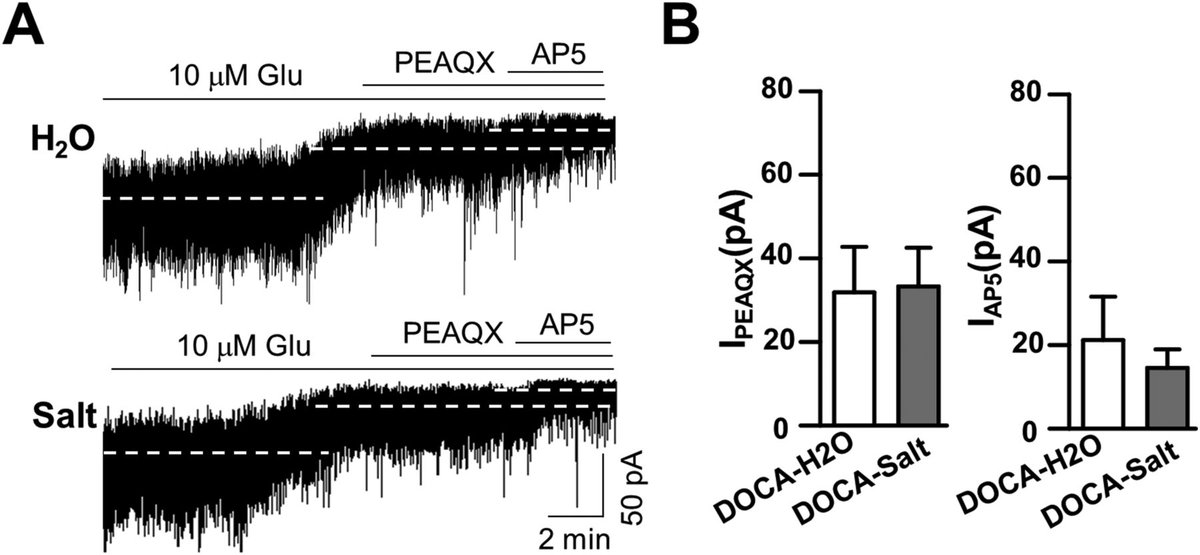
Our newest paper is out in the current issue of #JNeurosci@SfNJournals https://t.co/ClS1dOcaTr
we identified how NR2D modulates the neuronal excitability of #SON MNCs during the osmotic challenge.
@RameshRs1991
Scientists have long warned that the frequency of such icy avalanches is increasing, with more than 200 high risk glacial lakes dotting the Himalaya
https://t.co/XsYt4vVYtu
UCLA is expanding its fare-free transit program to roughly 20,000 employees, giving them unlimited access to 13 Southern California transit systems starting this fall. https://t.co/DK5CHLnHLK
Thrilled to share that our lab’s latest research has been online in Neuron today! Proud to have contributed to this exciting work. 🚀 #Neuroscience#Research#Astrocytes ⭐️
Astrocyte Gi-GPCR signaling corrects compulsive-like grooming and anxiety-related behaviors in Sapap3 knockout mice: Neuron https://t.co/slGu0ORUxD
Congrats to Joselyn, Chiran and the whole team on this one!
Höhn et al. show that nighttime smartphone use suppresses melatonin secretion significantly longer in adults than in adolescents who can recover if the smartphone is switched off 50 min before bedtime. #sleep#memory
https://t.co/oXzKgKg4S5
New preprint alert! (https://t.co/DfsIJCrlzY)
How does neural activity change when animals switch between engagement/disengagement? What may be the behavioral source of the changes? Are there any behavioral indicators of engagement other than the often-reported task performance and pupil size?
We addressed all these questions in our latest project! (1/7)
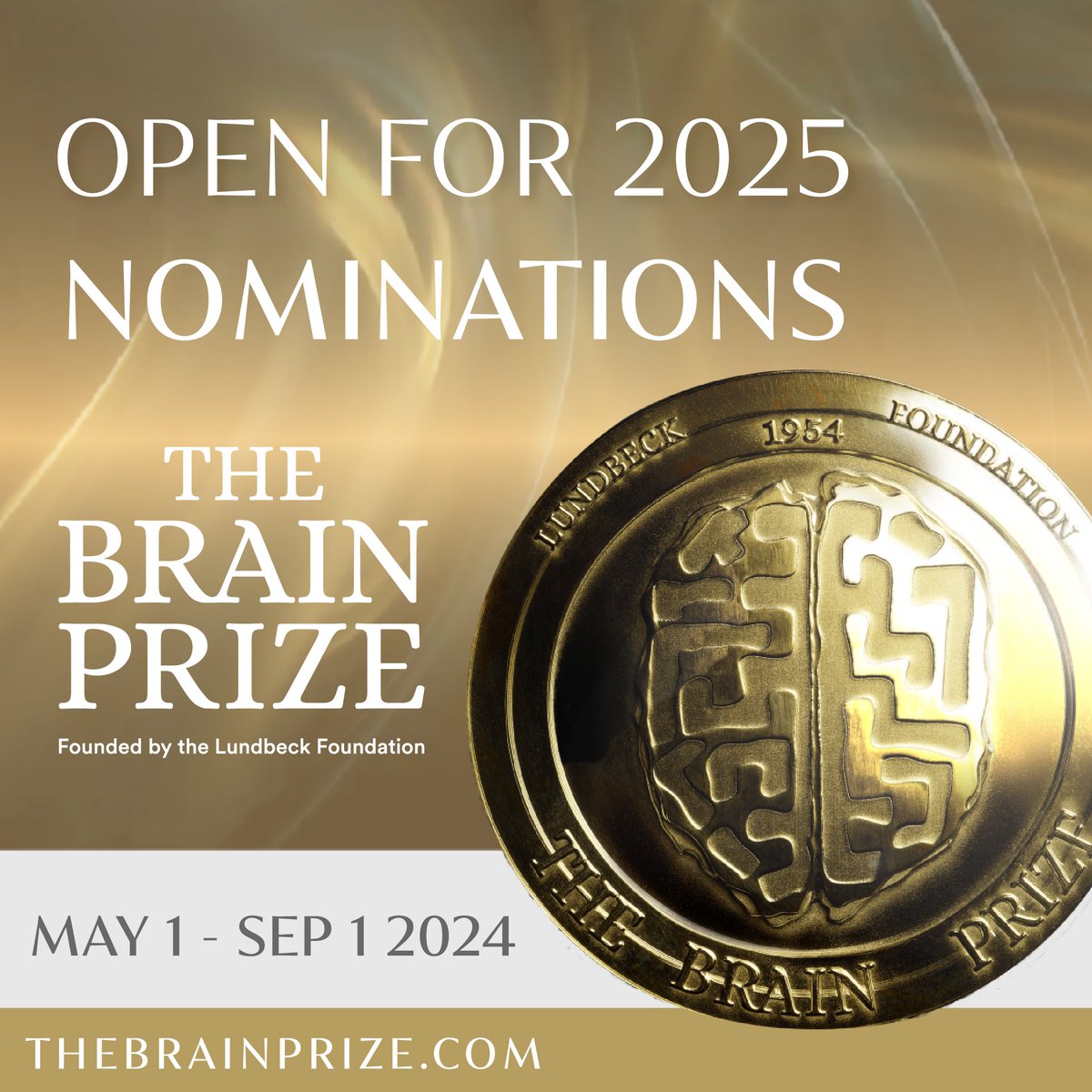
Nominations for The Brain Prize 2025 are now open and accepted until Sep. 1st 2024. The Brain Prize is awarded to one or more scientists who have distinguished themselves through outstanding contributions to any field of neuroscience, from basic to clinical.
Read more and nominate: https://t.co/JyCS8PO1hi
Delighted to share our new paper published today on the functions of a specific subset of striatal astrocytes. Congrats to Matt, Joselyn, Kay and other members of my fabulous team!
https://t.co/QOZd1MXBaE
#eNeuro: Research in rats from Shin, Sharma et al. shows that NR2A-containing NMDARs could be a biosensor detecting ambient glutamate concentration in the brain.
https://t.co/pLGtb2vvV3