One of the biggest misconceptions in high school sports is that coaching is primarily about practices, games, and wins.
The reality is that coaching has become one of the most challenging roles in education because coaches are expected to wear dozens of hats while being evaluated from every direction.
Every parent, player, administrator, and community member often has a different expectation of success.
One family wants college recruiting to be the priority.
Another wants playing time.
Another wants winning.
Another wants player development.
Another wants discipline.
Another simply wants their child to enjoy the experience.
The challenge is that those goals frequently conflict, and coaches are often expected to satisfy all of them simultaneously.
Most coaches are balancing far more than what happens between the lines. They manage team culture, player conflicts, parent concerns, academics, transportation, fundraising, budgets, equipment, scheduling, eligibility, social media issues, and the emotional needs of teenagers.
At the same time, every roster includes athletes with different abilities, goals, motivations, and commitment levels. Some dream of college athletics. Some are trying to make varsity. Some simply want to belong. Building one program that serves all of them is incredibly difficult.
Perhaps the greatest challenge is decision-making.
Who starts?
Who plays?
Who sits?
Who travels?
Who gets moved up?
Who gets cut?
Every decision creates opportunity for one athlete and disappointment for another. Even well-intentioned decisions can be viewed as favoritism or politics when seen through the lens of an individual family.
Recruiting adds another layer of complexity. Coaches are expected to help athletes pursue college opportunities while also managing the needs of an entire team. Supporting one athlete can sometimes raise questions from another family about their child’s opportunities.
Social media has amplified many of these challenges. One lineup decision, one difficult conversation, or one emotional moment can quickly become public discussion, often without the full context.
There are also pressures many people never see.
Pressure from administrators to represent the school well.
Pressure from parents to provide opportunities.
Pressure from athletes to help them achieve their goals.
Pressure from communities that often measure success by wins and losses.
Pressure to retain athletes in an era of increasing transfers and movement.
And all of this occurs while coaches are trying to develop young people, not just athletes.
What makes coaching difficult is not that people don’t care.
It’s that everyone cares deeply, but often about different things.
Parents focus on their child.
Players focus on their opportunities.
Administrators focus on the school.
Communities focus on results.
Coaches must somehow balance all of those interests while making decisions they believe are best for the team.
As a former college coach, athletic director, and high school administrator, I’ve learned that most coaches are not trying to hold athletes back, play favorites, or make life difficult for families. Most are simply navigating competing priorities, limited resources, and difficult decisions while trying to do what’s best for kids.
Because at its core, coaching has never really been about managing games.
It’s about managing people.
And that’s what makes it both incredibly challenging and incredibly important
Shout out to DCA juniors-to-be Easton Johnson, Graham Domidion and Xander Mattingly for winning the May the Hoops be With You Tournament this past weekend. #36.9 + 1
“No one should have to constantly tell you to do the things you are supposed to do. If you are not responsible, you are not dependable. If you are not dependable, you are not trustworthy. If you are not trustworthy, you are a liability.” #Ap2w
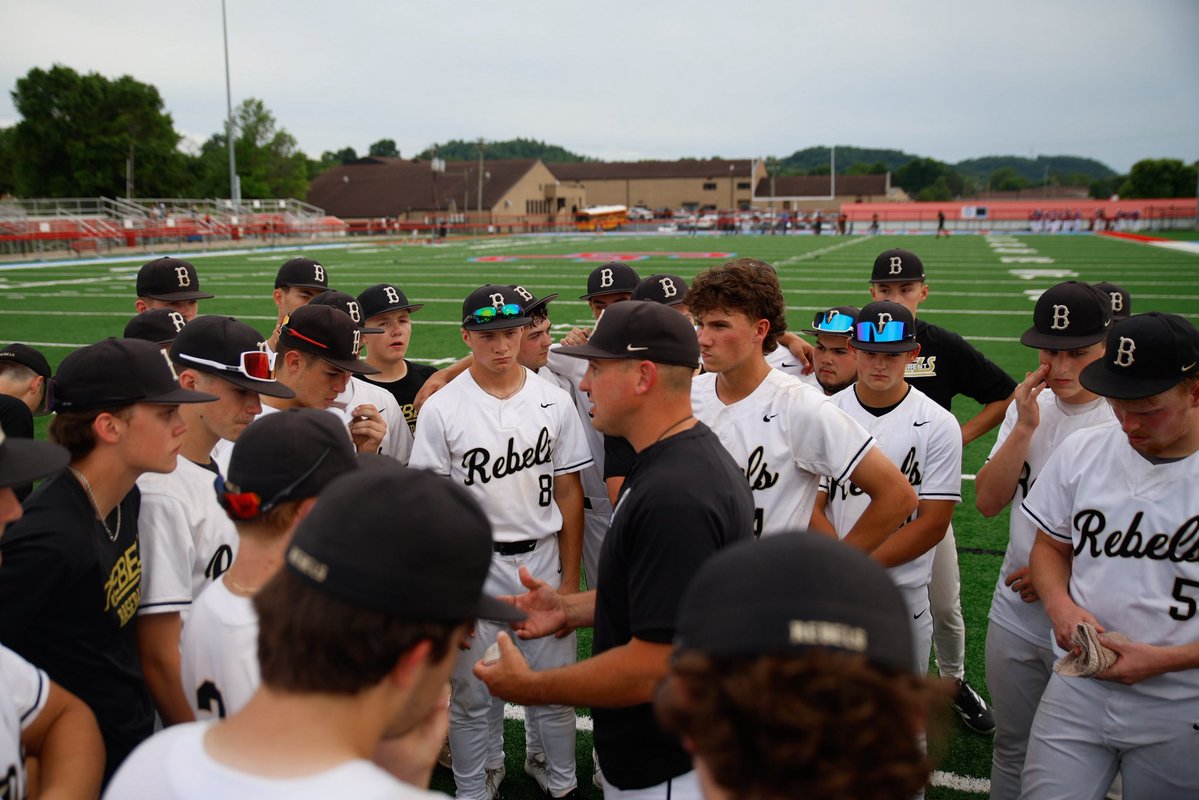
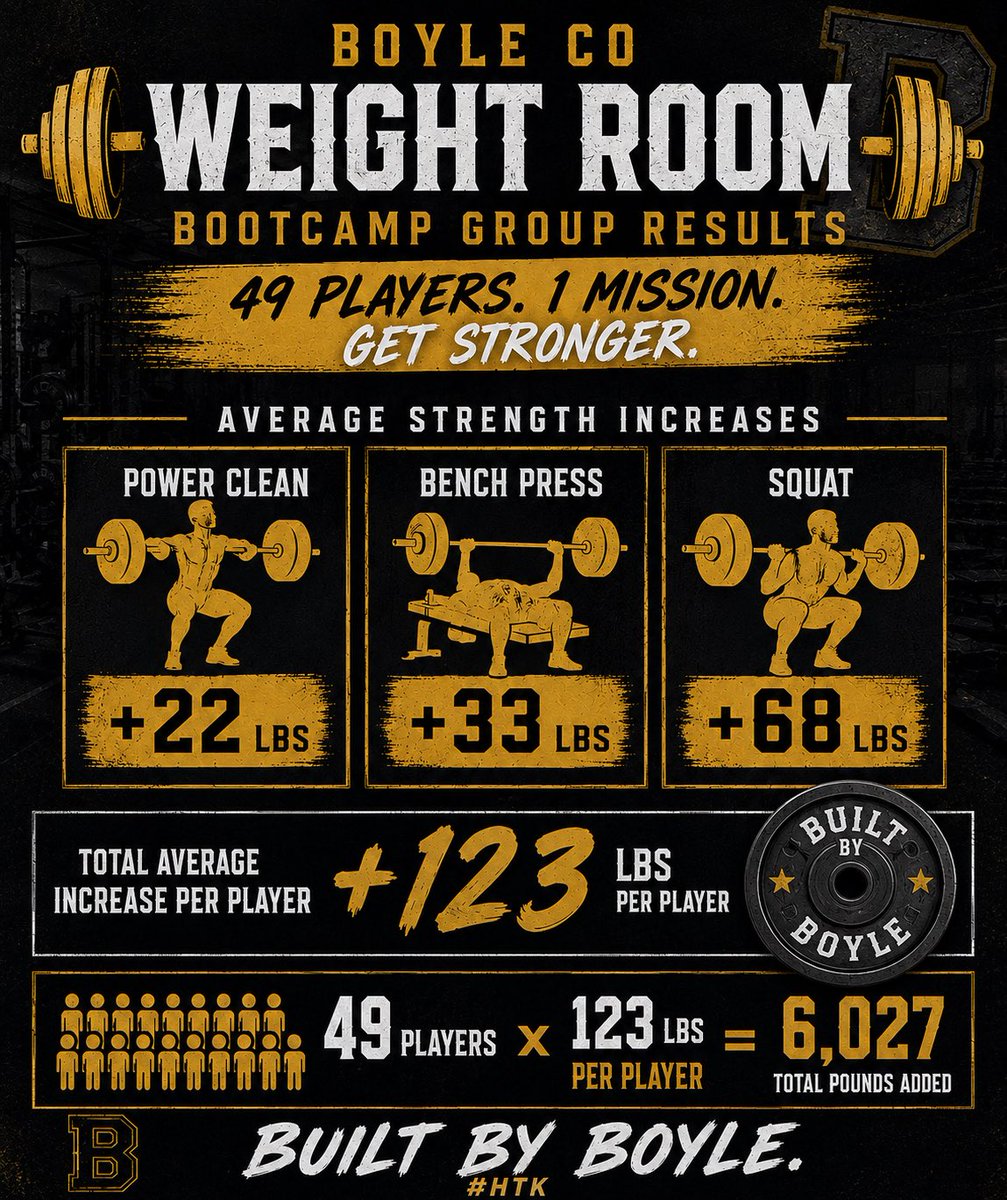
Shoutout to all of our players for the hard work and commitment they continue to show every single morning at 6:45 AM in the weight room. The growth doesn’t happen by accident — it comes from discipline, sacrifice, and choosing to work when most people are still asleep.
A huge shoutout as well to Coach Tyler Wayne Ray for the energy and leadership he brings every day as he pushes our guys in the weight room. His passion and consistency help set the tone for our program.
Very blessed to have a GREAT staff that challenges and pushes each other daily to make sure our players are being developed in ALL areas of life — on the field, in the classroom, and as young men.
Proud of this group. The work continues.
GO REBELS!!!
#HTK
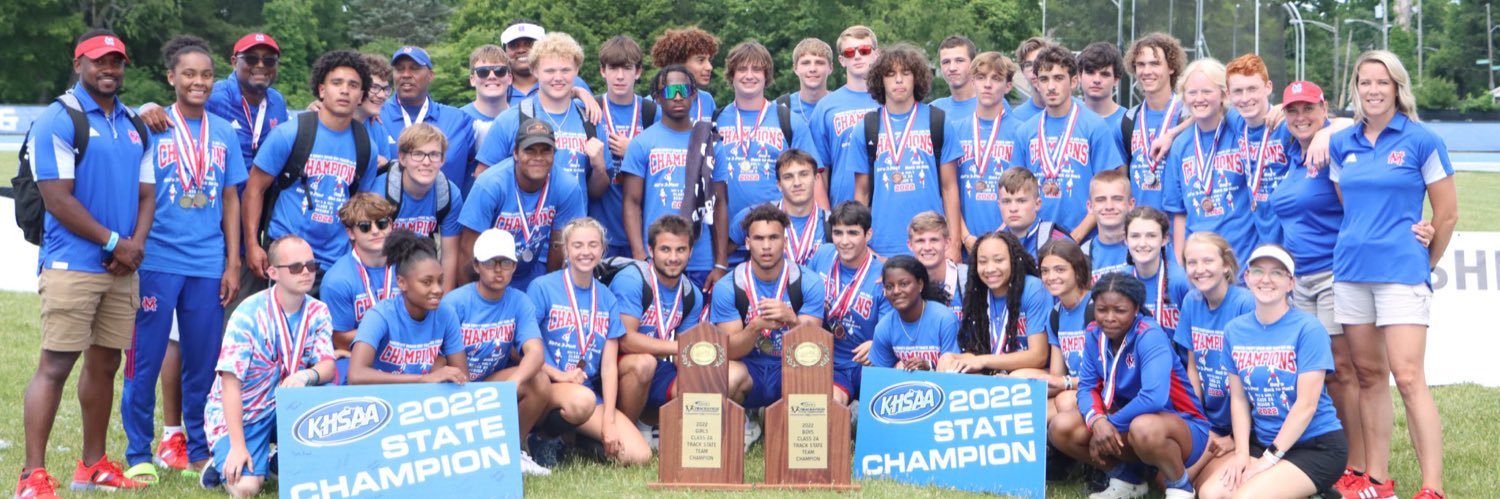
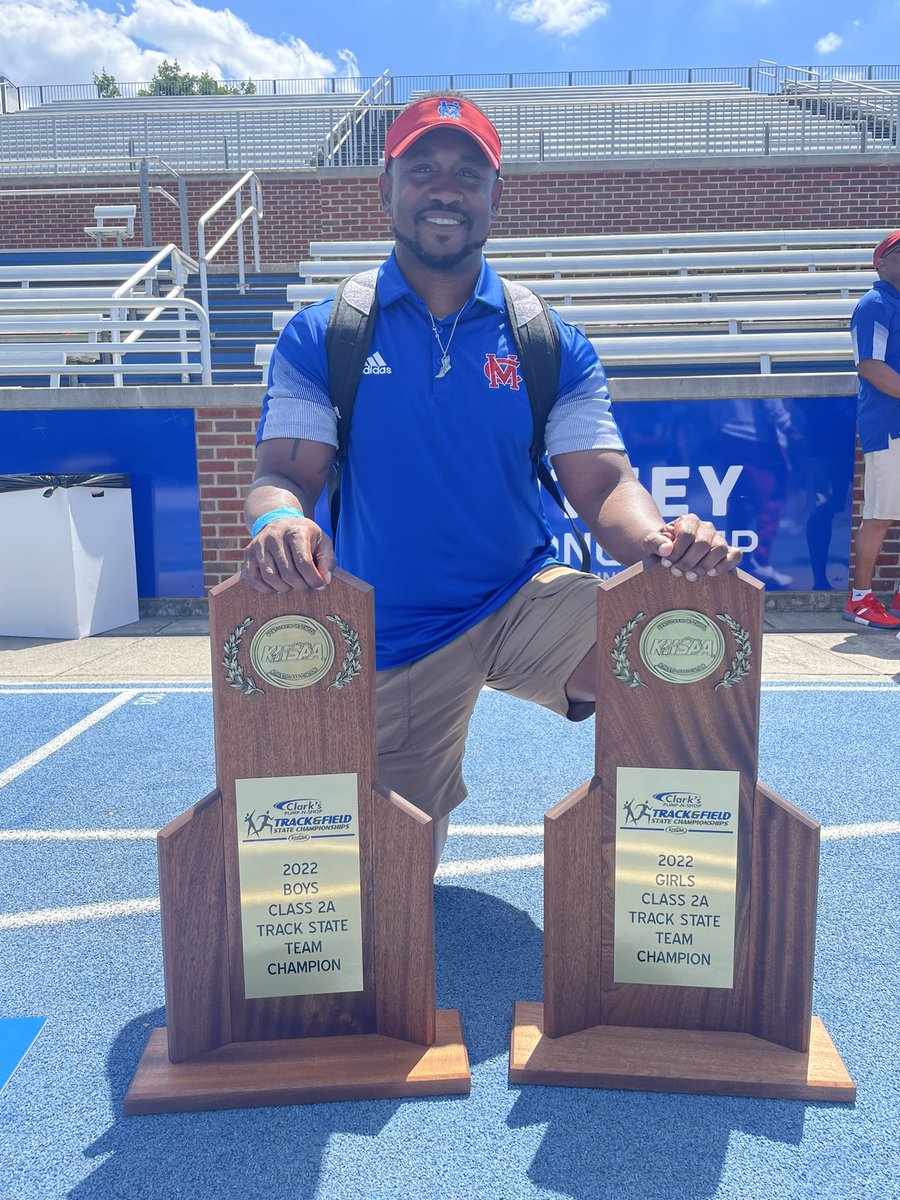
One box check off for Teigh Yeast. Two 2026 Region Championships in the horizontal jumps.
Picked up high jump a couple of weeks ago and now she can say she’s a region champ in that too. Crazy!
Now, the focus turns to the KHSAA State Track and Field Championships on May 23rd.
One last ride. Let’s get it.
Dabo Swinney said, "Your daily commitments have to be greater than the goal. It's that simple."
"So many people want to do things, but they're not willing to do what it takes."
It means choosing discipline, consistency, and grit.
(@thewinningdiff1)
18-year-old GOUT GOUT 🇦🇺 19.67s (1.7) over 200m at Australian Championships in Sydney!!🤯🤯
A new U20 World Record ☑️
National Record ☑️
First Australian man under 20 seconds ☑️
A star is born!
Dawn Staley shares the question every recruit should ask and almost none of them do.
"Everybody's good on the good days. It is who you can trust, who you can talk to and communicate with on your worst day."
Then she explained what she tells every recruit:
"We're gonna make you feel good during the recruiting process. You're gonna come here, we're gonna roll out the red carpet, we're gonna give you our best. Everybody's gonna do that."
Every program shows you their best - that's the easy part. But it comes down to trust.
"I want you to think about if it's 2 or 3 years down the line, when you in a slump, or when you lost a parent, or you broke up with a boyfriend, or whatever - Who's gonna get you back on course to be your talented self?"
That's the real question. Not who recruits you the hardest, but who do you trust? And who do you believe will commit to you and your future?
Everyone looks good when things are easy.
The real test is who shows up when things get hard.
(🎥@OldManAndThree )
“Speed is the quality you lose the fastest.”
In only 5-7 days if untrained
Tennessee football performance director Derek Owings discusses how important consistent speed training is
Young athletes: sprint consistently, 2-3 times per-week!