One of the most-viewed PNAS articles in the last week is “The ecology of Lyme disease: Long-term data, surprises, and a synthesis.” Explore the article here: https://t.co/MJUgTTUCoQ
For more trending articles, visit https://t.co/PMV1pSpn1i.
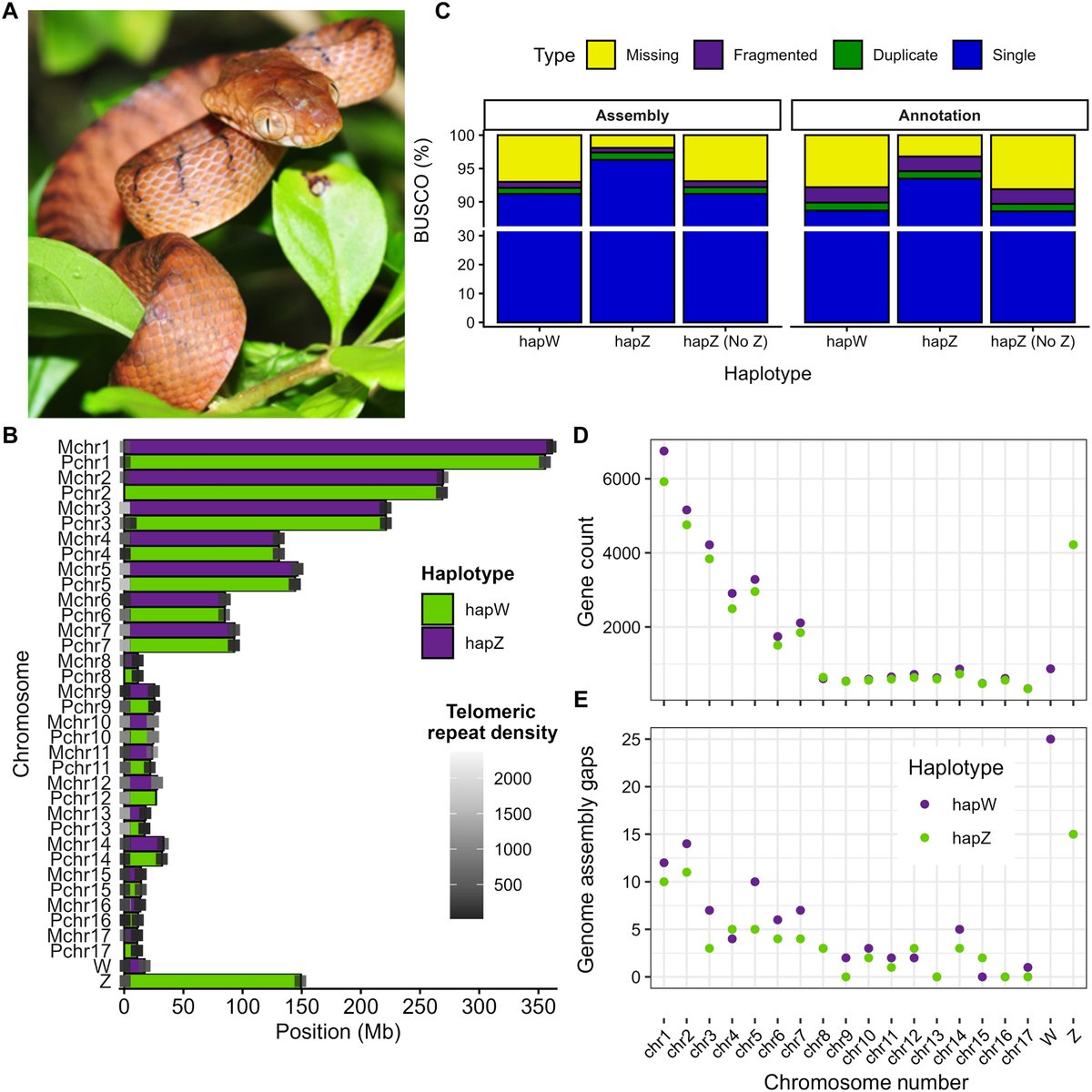
The invasive brown treesnake was introduced to Guam with only a few individuals, but researchers have uncovered an extensive number of genomic structural variants that “rescued” the treesnake population from decline due to inbreeding. @conservegenomic https://t.co/h6rQmfjlx7
"With Snake Men, author Zach St. George ventures into the tangled world of snake taxonomy and some of the offbeat characters who populate it."
Read the #ScienceBooks Review: https://t.co/fVunWoLlPC
A new analysis of 29 haploid genome assemblies from Atlantic herring shows that the various major histocompatibility complex II genes in this fish are among the most diverse so far found in vertebrates. @TAMU@minalj1234 https://t.co/84siRMqWzX
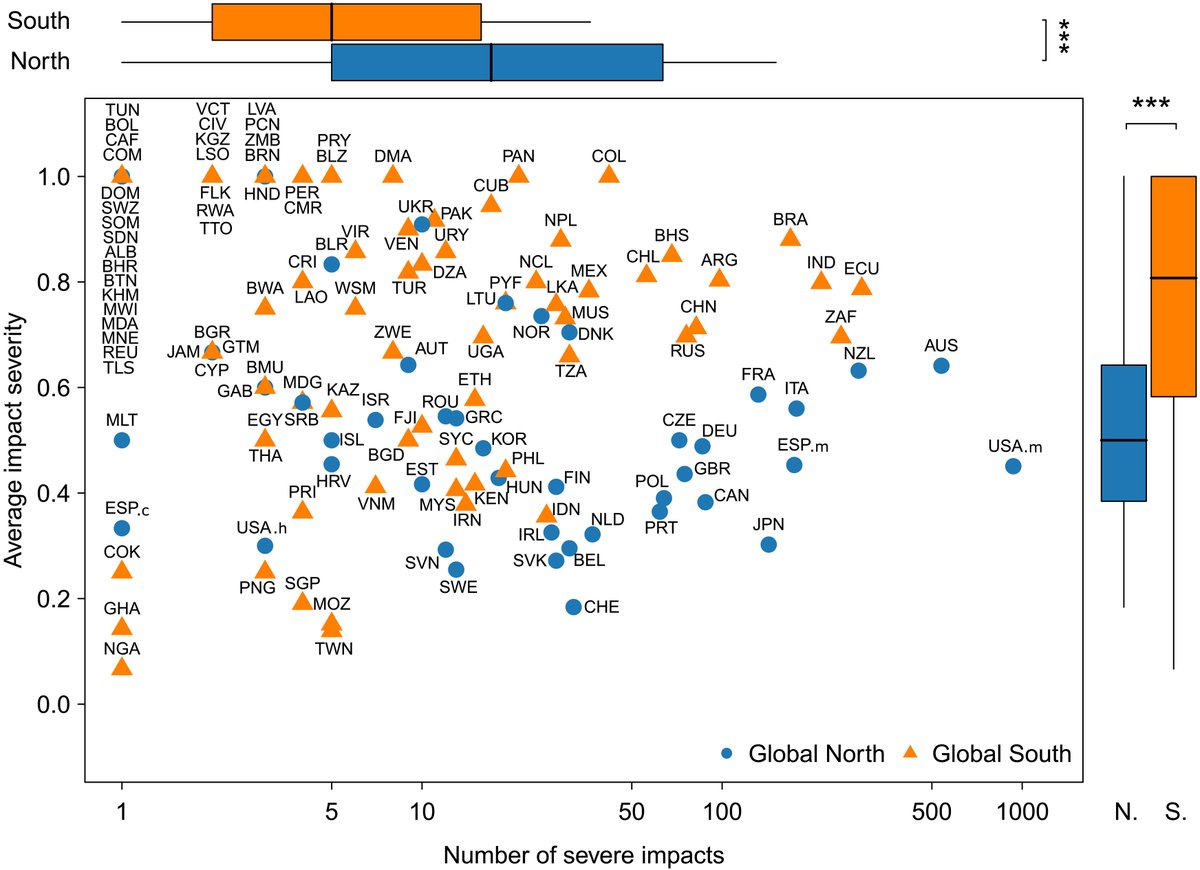
A new global analysis in Science has overturned a long-standing assumption about invasive species, finding that their greatest biodiversity impacts occur not in wealthier nations of the Global North but across the Global South, where rapidly developing economies, weak governance, and limited management capacity leave ecosystems most vulnerable to biological invasions.
Read more: https://t.co/KDXjVDKVJZ
How Australia's Brown Tree snakes reached Guam after World War II and left biologists baffled by the invasion https://t.co/iftxBWKotd via @economictimes
One of the most-viewed PNAS articles in the last week is “Environmental phylogenetics supports a steady diversification of crown eukaryotes starting from the mid-Proterozoic.” Explore now: https://t.co/azZkCjHHXt
For more trending articles, visit https://t.co/cGYExZeBAC.
A new analysis in Science of more than 116,000 bird songs has revealed that the astonishing variety of passerine birdsong is built from just eight basic acoustic motifs, like trills, whistles, and harmonic notes.
The findings also reveal that local environments greatly shape how birds communicate around the world. Learn more: https://t.co/3oaQ0sKQfJ
More than 19,000 hidden DNA changes may help explain how Guam’s inbred brown tree snakes thrived after a severe bottleneck, with many variants concentrated in genes tied to immunity and smell. @ScienceAdvances https://t.co/liSVx3BFMX
Before entering a long decline that continues into the present, humanity may have spoken far more languages, experiencing a “golden age” of linguistic diversity, with tens of thousands of languages spoken worldwide only several thousand years ago, according to a new study in Science.
Learn more: https://t.co/Yh4FAEPODP
1/ The world's songbirds sing in just 8 basic sounds. And where a bird lives decides which ones it uses.
My first PhD paper is out now in @ScienceMagazine (https://t.co/Lrh8HVdIDT) Here is what we found:
Scientists have figured out how “glassworms”—the young of the phantom midge fly—are able to withstand pressures at extreme depths that would kill most humans.
Four long, banana-shaped air sacs expand and contract to adjust the glassworm’s buoyancy, yet they remain rigid enough to avoid being crushed—an adaptation not seen in any other insect, researchers report.
Learn more: https://t.co/6Qe268nmYn
1/ Out today in Cell Genomics: "Agentic genomics: From pipeline automation to autonomous validation." With @HeinnerGuio and @SFatumo .
For 20 years the bottleneck in genomics was writing the code. That is going away.