Has the Fed failed its mandate? Where are the stable prices?
Average house price: $400,000
College: $50k per year
Property insurance: 10-20k a year
Healthcare: 20k annually per family
Soaring food inflation
How does a family have a chance to make it?
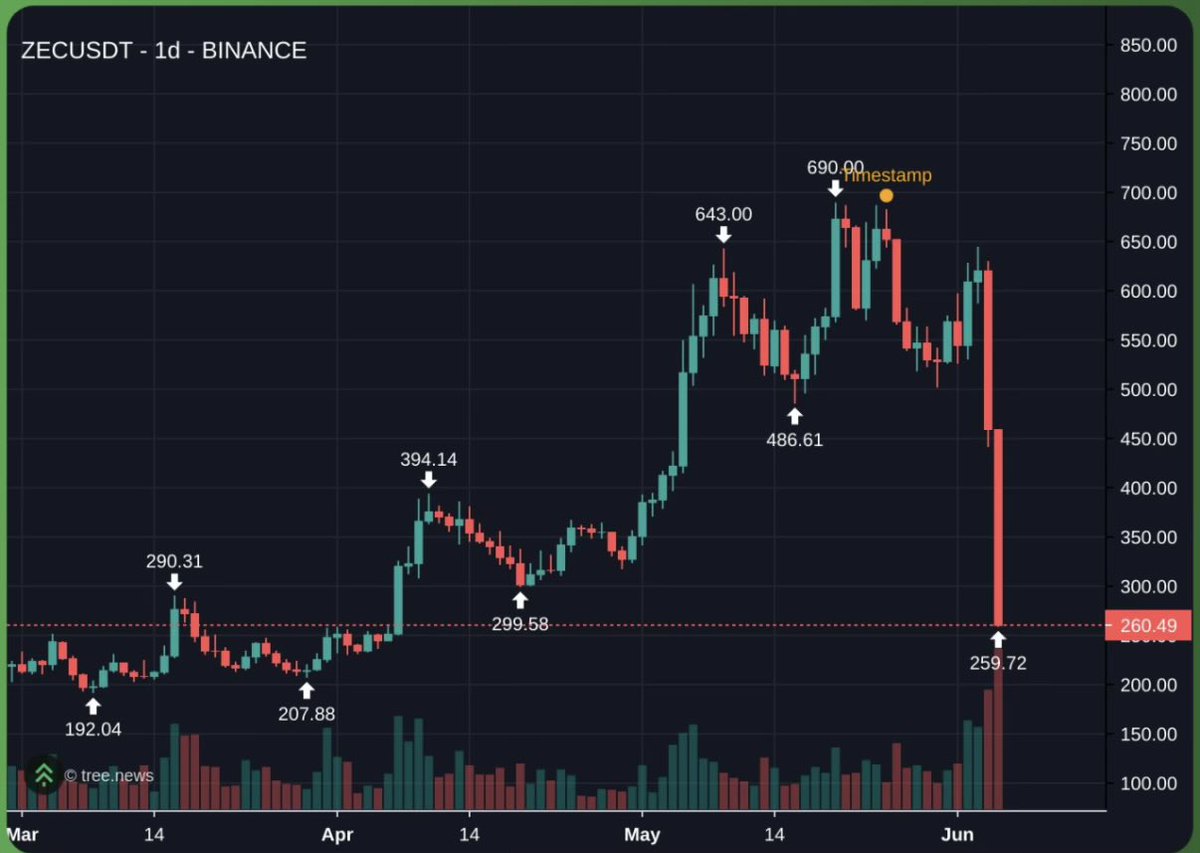
This price drop surely caused frustration, after the realization that the 4-year cycle and bear market remain intact. It’s ironic to see this frustration directed at @saylor and Digital Credit, which has been the main source of demand in this bear market.
Crypto since Trump took office:
$BTC: -44%
$ETH: -49%
$XRP: -68%
$SOL: -77%
$DOGE: -79%
$AVAX: -82%
$ADA: -85%
$SUI: -86%
$ENA: -92%
$APT: -93%
$TRUMP: -97.7%
$MELANIA: -99.5%
We are tired of winning too much Mr. president! 🥵
A ton of fertilizer travels through the Strait of Hormuz.
Essentially without fertilizer we cannot supply the world with enough food.
Let that sink in.
Peter Lynch said it in 1997 and it is still the most important thing most investors refuse to hear (Save this).
"The stock doesn't know you own it" and that is the whole rule, and almost no one actually lives by it.
You could be the most generous, kind, virtuous person who ever lived, if you owned Bethlehem Steel, you lost money for thirty years.
You could have 67 spouses and never done a single thing right in your life, if you owned Coca-Cola, your investment went up 300-fold.
The stock does not care about you, your intentions, your character or your conviction level.
The market has no memory of how much research you did before buying.
It does not reward your loyalty for holding through a rough patch, and it does not punish your indifference if you happen to own the right business.
It does not know your name, your cost basis, or how long you have held it and yet most people invest as if it does.
Lynch described this behavioral trap because people treat stocks like a grandchild or a puppy, as if the stock knows who they are and will eventually come back to reward them for their patience.
That emotional attachment is precisely what destroys portfolios over time because it turns every investment decision into a referendum on the investor's identity rather than an honest assessment of the underlying business.