Ethical issues aside, this is a powerful addition to an already strong dataset on Covid-driven brain damage affecting cognition & memory. Given new (re)infections remain common, this work together with the Hampshire et al NEJM paper showing drop in IQ (summarized here https://t.co/KrnoJi1rZz) should influence a re-think on current prevention/treatment approaches.
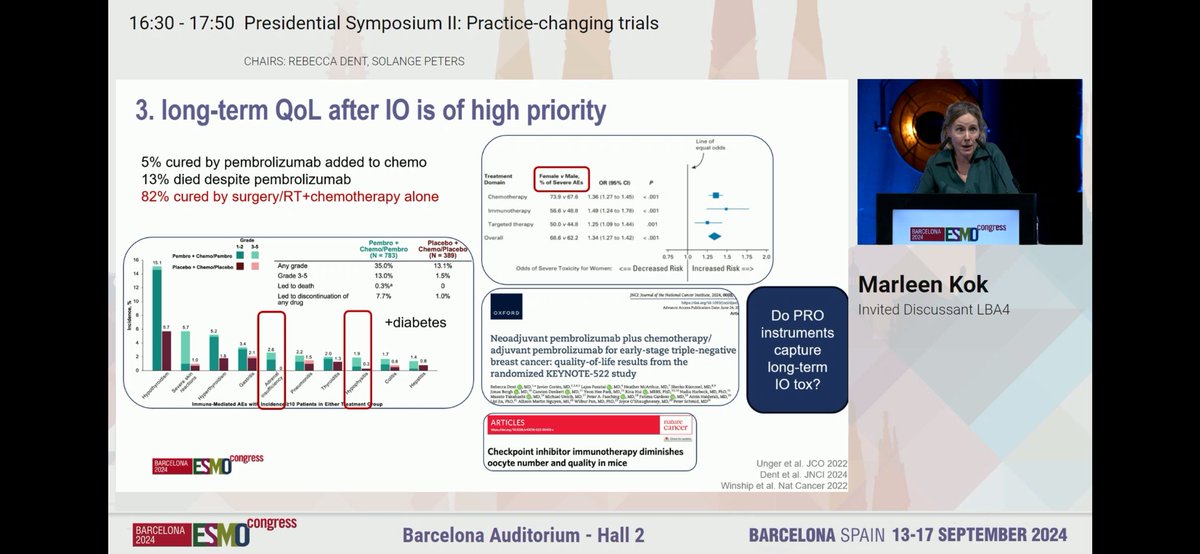
Looking forward to contributing to this area. Tomorrow at 14:55 in the Madrid auditorium, I'll be discussing our latest work on predicting endocrine toxicities following immunotherapy. #ESMO24
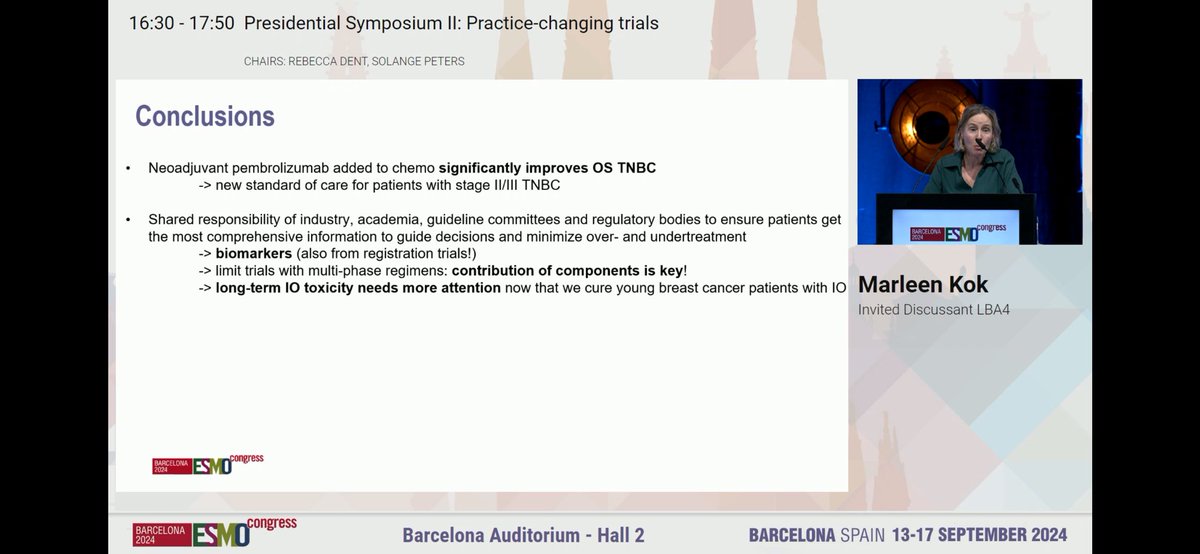
#ESMO24 beautiful discussion by @lab_kok on KN522 OS presentation highlighting impact on young women, importance of QOL and urgent need for Biomarker research. @OncoAlert
Air purifiers in Finnish daycare reduced children's illnesses by 18% in a carefully controlled study. This implies huge potential for better public health and cost savings from sick leaves, with a simple intervention against airborne infections.
https://t.co/7F3KfB9Whw
Longitudinal Analysis Over Decades Reveals the Development and Immune Implications of Type I Interferon Autoantibodies in an Aging Population https://t.co/skNvjo73k3 #medRxiv
1/ Infections in human newborns: severe and frequent, due to age-specific vulnerability. Can this be reconciled with the immense interindividual variability of clinical outcome observed for any neonatal infection? Find out @ Cellular Immunology 👇https://t.co/XKuBjrPfzV
Using a genetic approach (Mendelian randomization) cannabis use is not causally associated with risk of coronary artery disease or ischeamic stroke ! well done @roxanedelaharpe @zkutalik https://t.co/0JosWB4kea
Our study led by @somijemmacho examines a wide range of factors for predicting recurrent CAD events among pts with CAD.
To our surprise, the top predictor was a CAD polygenic risk score.
https://t.co/VD03nWwFLq @ESC_Journals
[1/12]
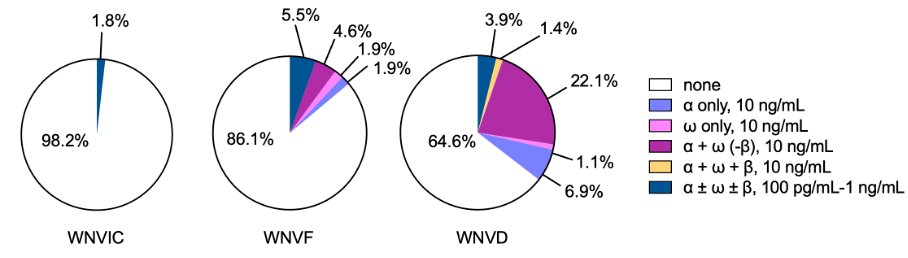
1/ We are excited to share our report in @JExpMed showing that about 40% of cases of #WestNilevirus (#WNV) encephalitis are due to pre-existing auto-Abs neutralizing type I IFNs, making WNV encephalitis the best understood human infectious disease (https://t.co/lqug2qZOMT).
Autoantibodies neutralizing type I IFNs underlie West Nile virus encephalitis in ∼40% of patients https://t.co/8d0W9tmCet
Important discovery by @esiborghe & @casanova_lab 👏
@RegeneronDNA new preprint on the sequencing and analysis of 1M WES coming to you soon via a variant allele frequency browser.
This goes far beyond @1000genomes (2.5k WGS), @dgmacarthur EXAC (60k WES) or @gnomad_project (125k exomes + 15k WGS)
https://t.co/JywzusGaEg
This is crazy.
And just how far above the 1982-2023 sea surface temperature average for the North Atlantic is the year 2023?
Data: https://t.co/RxO8s5Y85O
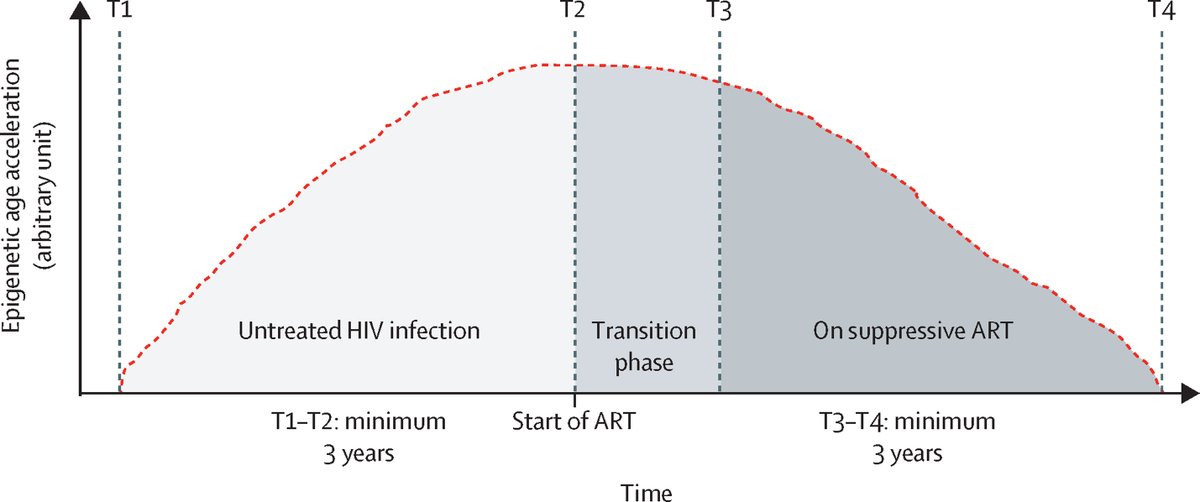
New: Epigenetic ageing accelerates before antiretroviral therapy and decelerates after viral suppression in people with HIV in Switzerland: a longitudinal study over 17 years by Isabella Schoepf @unibern@UniBasel_en and colleagues https://t.co/z4bNTHTdHF #OpenAccess
Our latest research on the combined impact of genetics and infection on the risk of cardiovascular disease https://t.co/7UVrMRtR5d @epflSV@CHUVLausanne
Great work by Roxane & Christian on an important issue in clinical practice! @DptMedecineCHUV@CHUVLausanne Combining European and U.S. risk prediction models with polygenic risk scores to refine cardiovascular prevention: the CoLaus|PsyCoLaus Study https://t.co/oKPvp20sg8
📢📢new pre-print out!!! With @jacquesfellay@precision_chuv we developed a #PRS combining multiple cardiac risk factors to predict the risk of sudden cardiac arrest in patients affected by coronary artery disease https://t.co/3p80F4wPbY
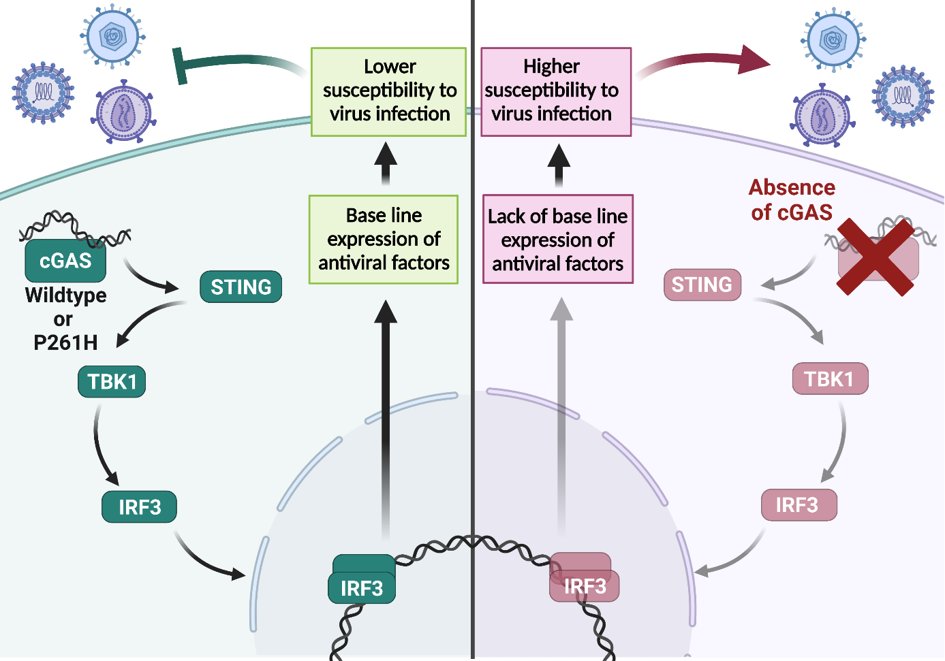
Finally online at the Journal of Immunology:
A Baseline Cellular Antiviral State Is Maintained by cGAS and Its Most Frequent Naturally Occurring Variant rs610913 by @JuliaKaz3 et al. https://t.co/Pc7Ev7GxlQ
1/4




![pnatarajanmd's tweet photo. Our study led by @somijemmacho examines a wide range of factors for predicting recurrent CAD events among pts with CAD.
To our surprise, the top predictor was a CAD polygenic risk score.
https://t.co/VD03nWwFLq @ESC_Journals
[1/12] https://t.co/p68bSCHrhZ](https://pbs.twimg.com/media/FzU96t8WIA82TFb.jpg)








![pnatarajanmd's tweet photo. Our study led by @somijemmacho examines a wide range of factors for predicting recurrent CAD events among pts with CAD.
To our surprise, the top predictor was a CAD polygenic risk score.
https://t.co/VD03nWwFLq @ESC_Journals
[1/12] https://t.co/p68bSCHrhZ](https://pbs.twimg.com/media/FzU-MMJWIAAPlpt.jpg)