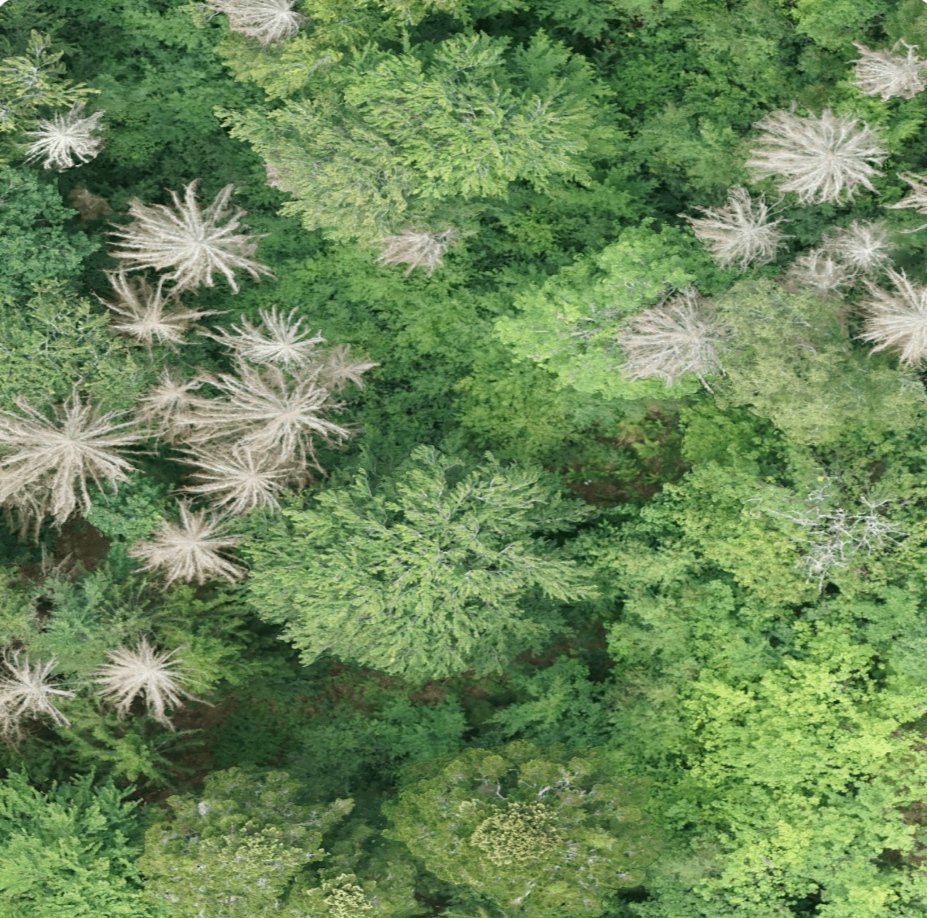
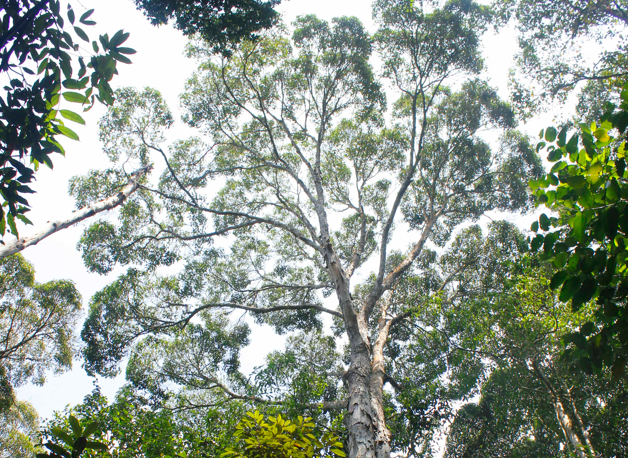
Wood contains a significant amount of nutrients, but we know very little about wood nutrient strategies. Check out our new paper on wood nutrient strategies in an Amazonian forest. 🪵🌳
#wood#nutrients
https://t.co/h0YcEcLQSv
Go to Germany 🇩🇪 and work on your own #climate project!
We are looking for young leaders and postdocs from non-European developing and transition countries like 🇦🇷🇧🇩🇧🇷🇨🇲🇨🇳🇮🇷🇮🇳🇲🇽🇳🇬🇳🇮🇵🇰🇿🇦🇹🇭...🌎🌍🌏!
#ICPFellows#ActOnClimate#Fellowship#Research
https://t.co/op2W3Q4UIv
We know surprisingly little about seedling wood anatomy and how it shapes seedling ecology. In this paper we explored the interplay between seedling wood anatomical trade-offs, drought and demography in four dry forests of Colombia. Happy to work with such a great team 🌿💦🔬 🌿
🌳How do trees grow in the world's wettest rainforests? If you want to find out the answer to this question, I invite you to listen to the following podcast (in spanish):
https://t.co/bV0DUfYIro
#Ecology#Tree Rings #research@FAAEColombia
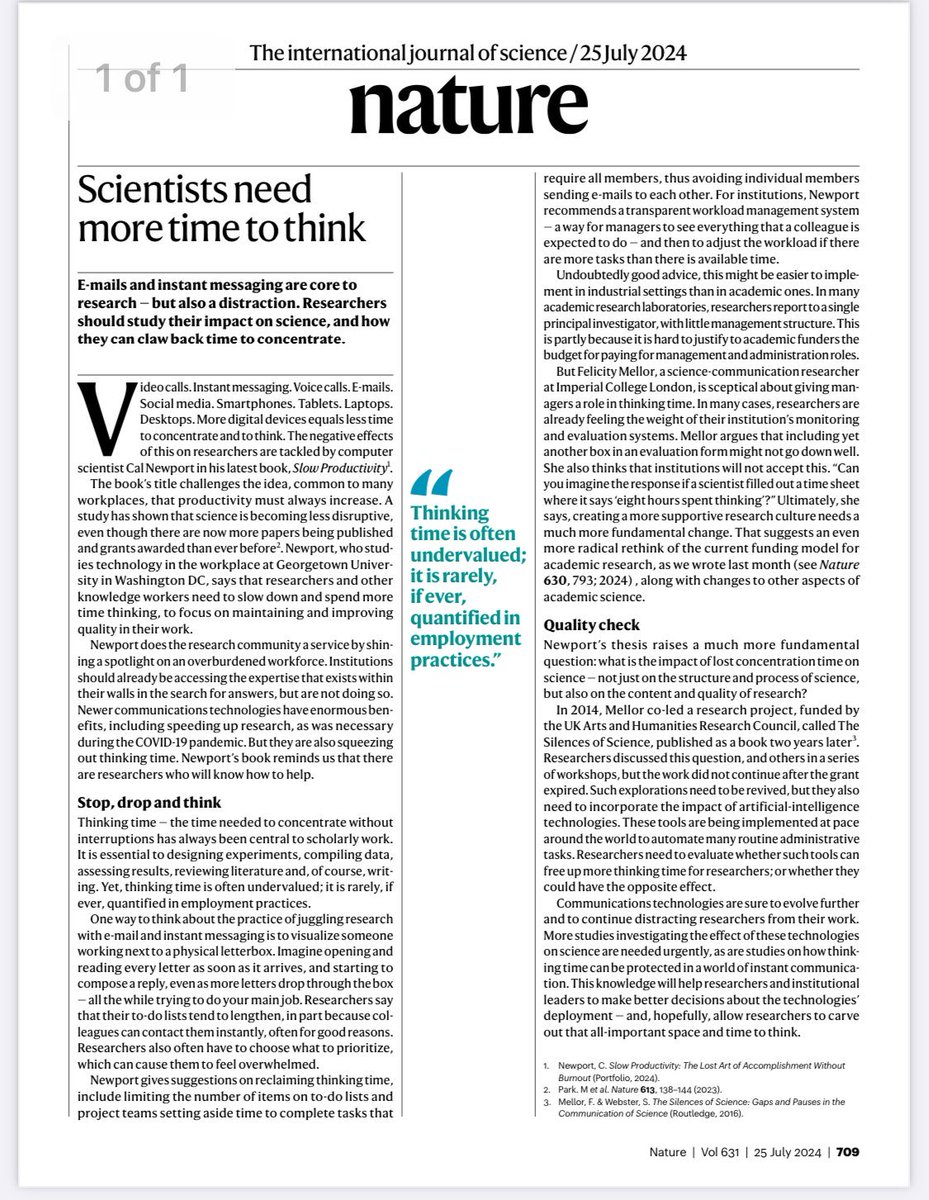
“Thinking time” is now a luxury, one we seldom have because we are burdened with service, unrealistic research expectations, among many other time-sinks. I do think the quality of our overall science is decreasing due to the pace at which we have to “produce” 😣
🚨🚨Why do lianas die?🚨🚨 Check out our new paper delving into this question by comparing trends in liana death to the relatively well-understood patterns of tree death, and providing some of the first data on the mortality of this key plant growth form https://t.co/kGGIVun2oj
"How’s your health, forests?" illustrates how various tools data and perspectives are needed to assess the functioning and condition of the world's forests. It features the work of many colleagues eg @DanielFZuleta @Nate_G_Swenson @Seanscience1 and our own https://t.co/GE8K3Pvc8v
#Hydrogen#isotopes in tree organic matter: a new proxy for drought-induced #treemortality? Our new #treephys study shows consistent 2H-enrichment in leaves & tree rings during lethal soil drought, unlike @oxygen isotopes. No interaction with fertilization https://t.co/9D1DWntley
Are NSC concentrations coordinated with the fast-slow plant economics spectrum? Our new paper provides that NSC concentrations of woody organs, but not leaves, are mostly decoupled from the fast-slow spectrum @GEMA_UMayor@InvestigaUMayor@unicauca
https://t.co/2sAUBbUpcv
🌳Open database for accessing, contributing, analyzing, and visualizing remote sensing-based tree mortality data at global scale
🪵https://t.co/5U77AZ02S4
🛰️Integrating Earth observation, 👩🏻💻machine learning & 🥾ground-based data sources.
~Citation: #EGU24 https://t.co/IxjGHWerIq
Our new paper out today:
“Emergency policies are not enough to resolve Amazonia’s fire crises”
Remember when the sky in São Paulo got dark in the middle of the afternoon because of dense smoke clouds created by fires in the Amazon in 2019? https://t.co/wMwfCvUvTN
Job Alert 🚨 Forest-GEO & @NGEETropics are hiring for a Postdoc Fellowship in Tropical Forest Mortality 🍂 Application review begins March 15 🗓️ Visit our website for all the details: https://t.co/nJyBwYFnXM
Trait-demography links are not as strong as expected, which may be due, in part, to the lack of consideration of ontogenetic shifts in traits and demography. Check out our paper on how trait-demography links change during ontogeny in an Amazonian forest.
https://t.co/V7BRs8nR8Z