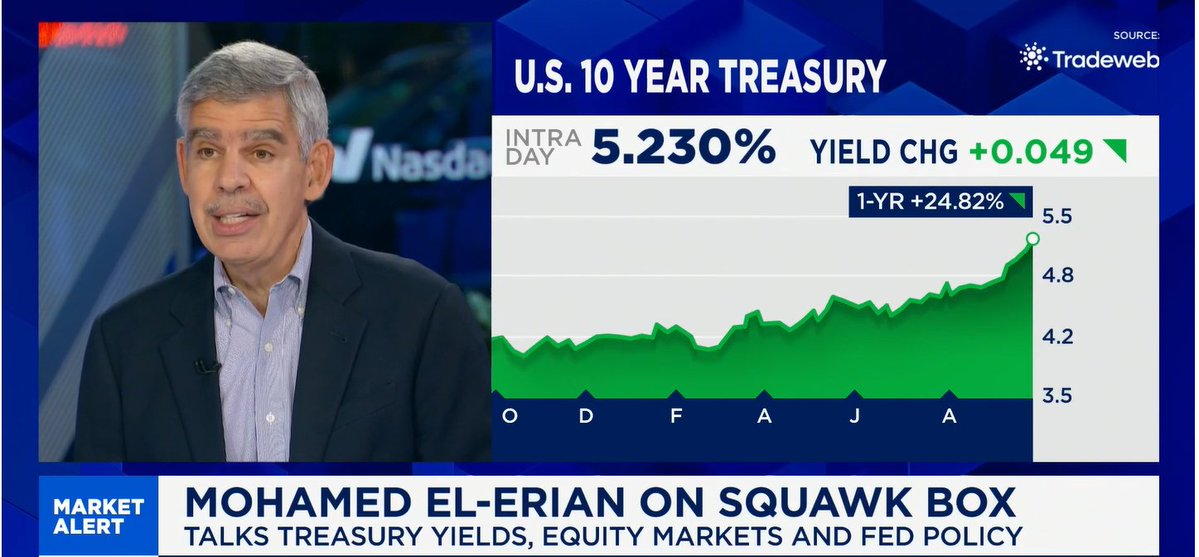
A fun game in times like these is to go to the S&P 500 Index and see how many profitable companies one can buy with the bubble private company valuation.
The number that Anthropic’s valuation buys is 78, including Domino’s, Clorox, Smucker, Stanley Black & Decker, Deckers, lululemon, McCormick, Tractor Supply, NVR, Albemarle, FedEx Freight, News Corp, Alllian Energy, Kimco Realty, Hormel Foods, Clorox, Weyerhauser, DaVita, Zimmer Biomet, Lennox, Masco, A.O. Smith, MGM, Wynn, Brown-Forman, Norwegian Cruise Lines, Hungtington Ingalls, and many more.
The largest inflation adjusted valuation at pre-IPO of 1990-2000 was UPS at $119 billion, 92 years old at the time. That was 26 times earnings at a net margin of about 8.6%, 2.4x sales.
This was a fun, informative episode.
I think what makes Dr. Patrick so unique is that she can take a topic as (seemingly) frivolous as blueberries and make it interesting, actionable, and give you the science to understand why.
Increasing my consumption immediately. 🫐
Charlie Munger was 31 years old. He was divorced, broke, and watching his nine-year-old son die of leukemia. He died at 99 worth $2.6 billion.
In 1953 he went through a divorce at 29. His wife got the house and most of what he had. He moved into a room and drove a beat-up yellow Pontiac. When someone asked why he kept the car, he said it was to discourage gold diggers.
He was making $275 a month as a lawyer at Wright & Garrett in Los Angeles. Then his son Teddy was diagnosed with leukemia. There was no treatment. The survival rate was close to zero. Munger had no health insurance.
His friend Rick Guerin said Munger would go to the hospital, hold his son for a while, then walk the streets of Pasadena crying.
Teddy died in 1955. Munger was 31.
He never let it destroy him. He said envy, resentment, revenge, and self-pity are disastrous modes of thought. Self-pity gets pretty close to paranoia. He said whenever you think some situation or some person is ruining your life, it is actually you who are ruining your life.
He rebuilt everything. He did real estate deals that made him $1.4 million. He started an investment partnership that returned 19.8 percent annually for 13 years. He became vice chairman of Berkshire Hathaway in 1978.
His advice to young people was three rules. Do not sell anything you would not buy yourself. Do not work for anyone you do not respect and admire. Work only with people you enjoy.
And one line that held everything together. The safest way to get what you want is to try to deserve what you want.
He gave away so many Berkshire shares that his fortune would have been over $10 billion. He kept $2.6 billion. He did not need the rest.
The man who walked the streets crying at 31 spent the next 68 years proving that you do not overcome tragedy. You outlast it.
Munger spent decades studying how emotions distort judgment and lead even smart people into costly mistakes.
The article below turns his 25 psychological tendencies into a practical checklist for examining your own decisions.
3 phases to structure your day for habits:
- Phase 1: 0-8 hrs after waking. Norepinephrine, epinephrine and dopamine run high, along with a healthy cortisol rise and higher body temperature
- Phase 2: 9-14 hrs after waking. Phase 3: 16-24 hrs
- Anchor it to a typical schedule: asleep near 10pm, awake near 7am, plus or minus 2 hrs
- In phase 1, support that alert state: sunlight within 30 min of waking, exercise early, cold exposure, caffeine, fasting
- If you eat, favor tyrosine-rich foods. Supplement route: alpha-GPC, phenylethylamine or L-tyrosine
@hubermanlab
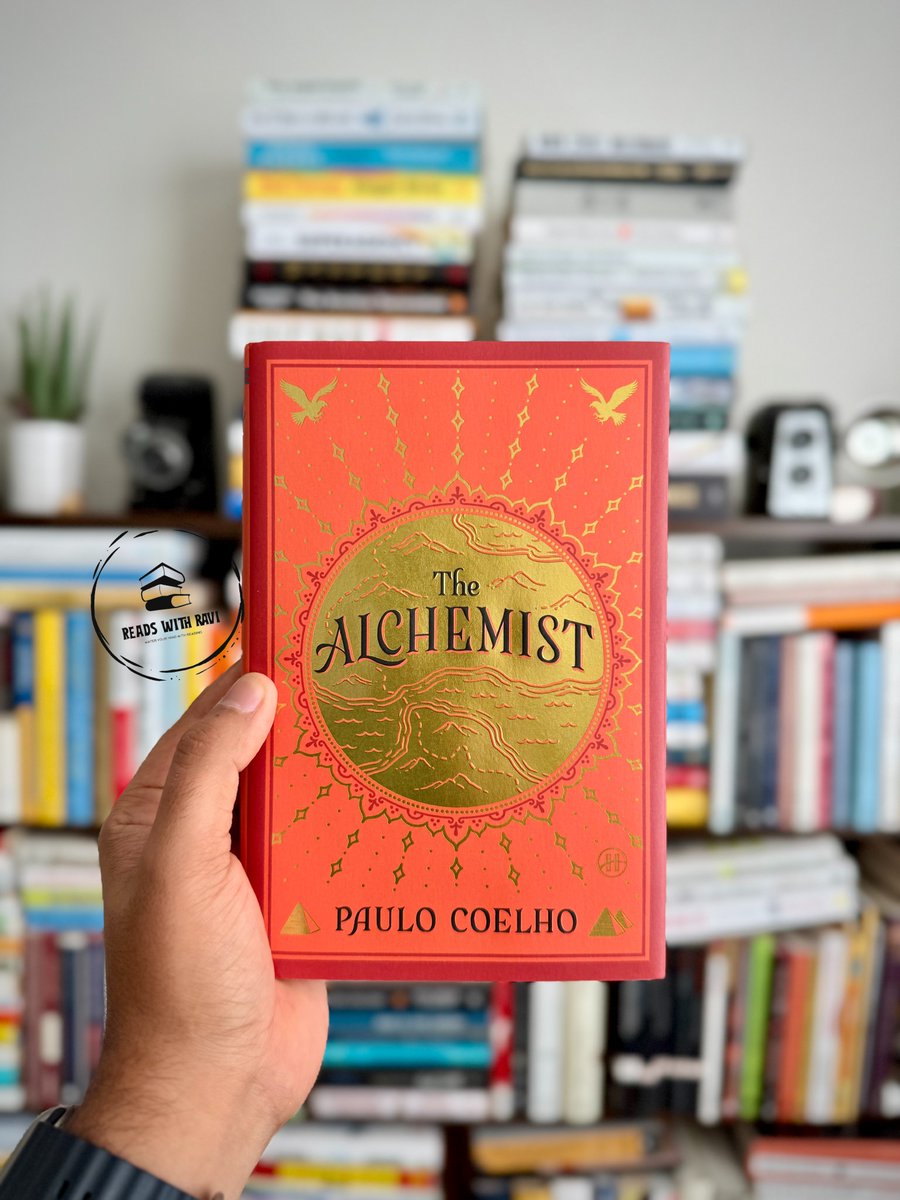
The Alchemist by Paulo Coelho
I have lost count of how many times I’ve read this book over the years. It is a rare gem of a book, and touches the very core of every heart earnestly seeking its own destiny on the journey of life.
15 powerful quotes from the book: