Hello Internet, it's Daniel. I am an Assistant Professor of Economics at the University of Maryland. My research interests lie in behavioral & public economics.
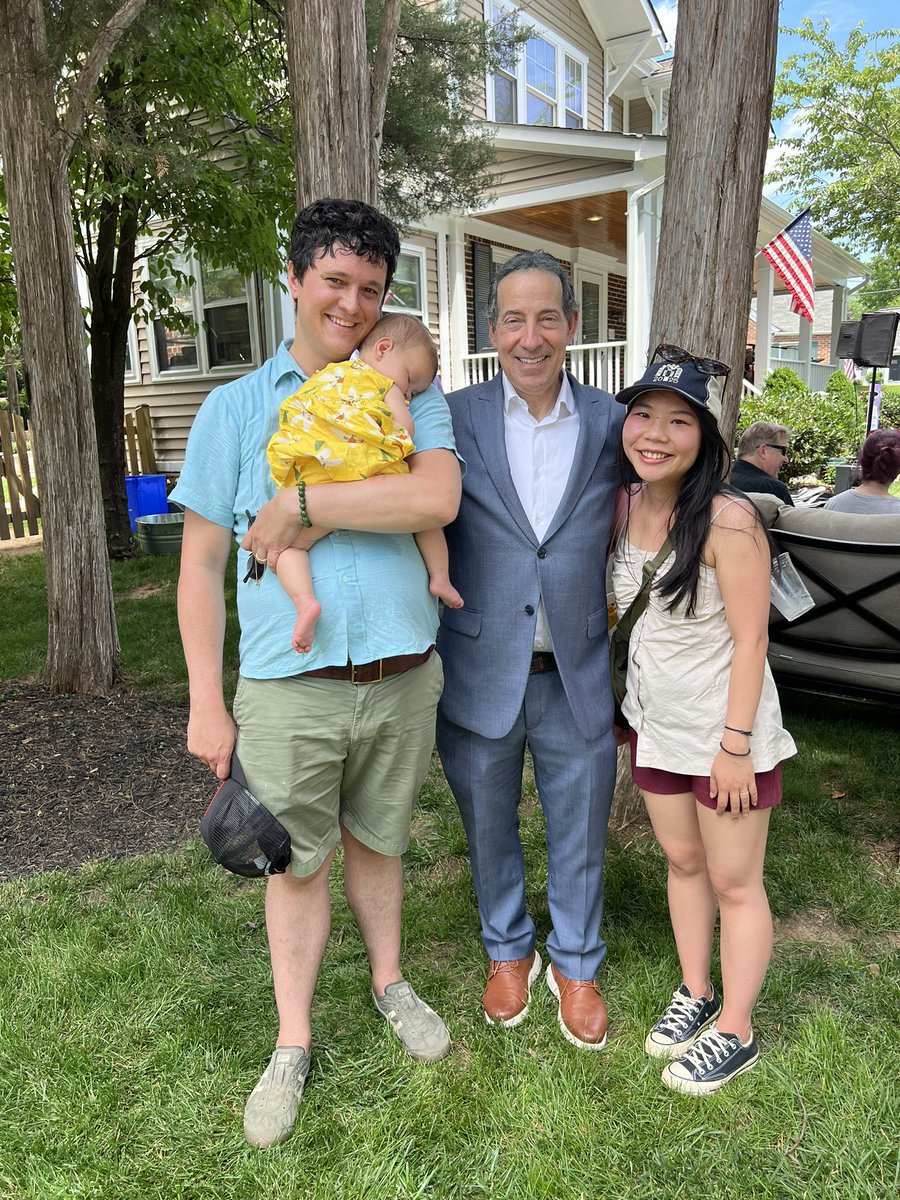
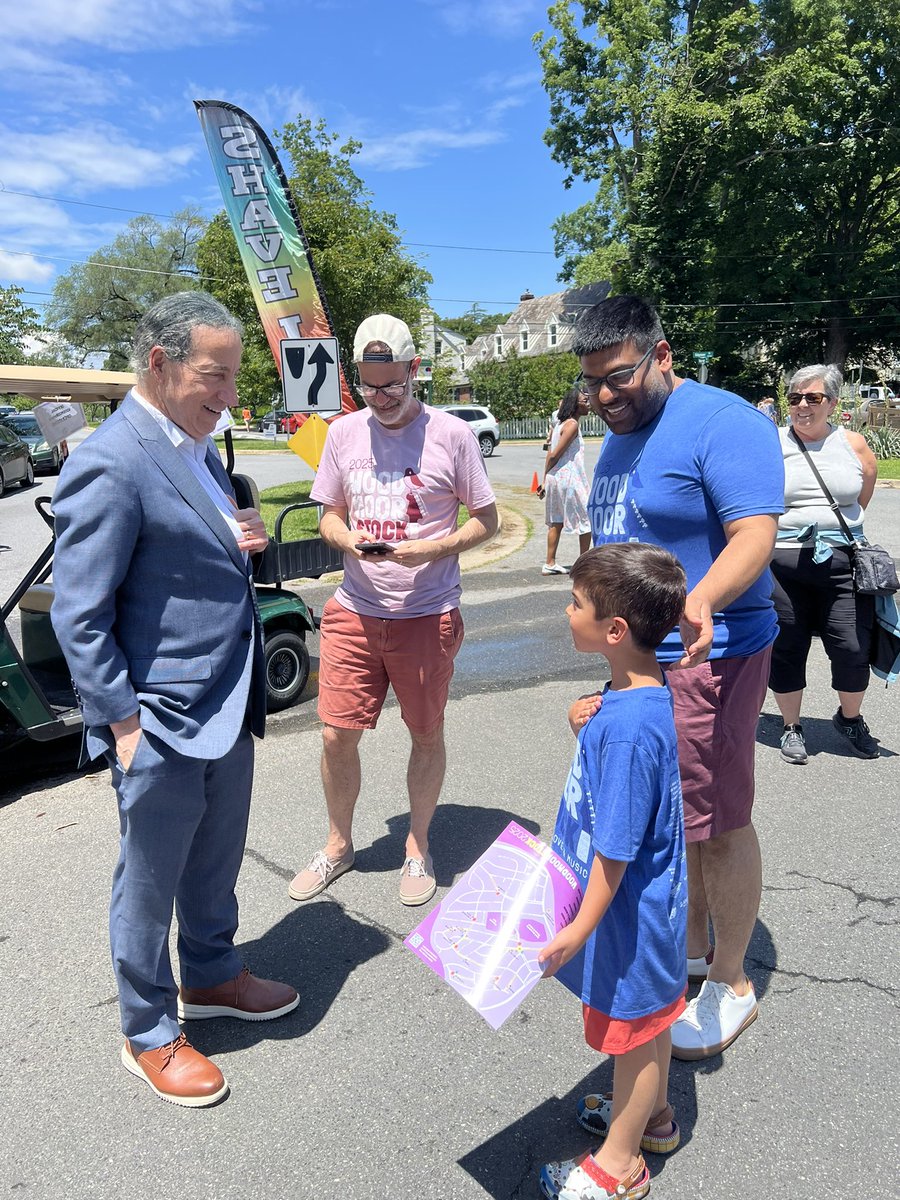
Enjoyed a glorious afternoon visiting with my wonderful constituents & listening to awesome music at WOODMOORstock. Lots of federal workers here hanging tough through a dark time—they’ll still be contributing to America long after Elon Musk & Donald Trump have been sent packing.
Hello! Excited to share my job market paper with #econtwitter
I study how barriers to social assistance disproportionately screen out people with poor mental health—despite their high need.
Summary below
Paper: 🔗(https://t.co/AsQbfXyuaL)
@WelcomeEcon
@EndAllZoning @platanomics Of course there are. This was the puzzle Alan Manning solved. How can there be monopsony power with many potential employers?
Answer: Search frictions.
@platanomics@coreeconteam We can agree that textbooks need to do a better job of covering recent developments in the field but I think it’s a silly reason to identify as heterodox.
I also think you mistake pedagogy for ideology. There is a good pedagogical reason to teach competition before market power.
@brian_callaci@platanomics Are these ideas absent from the mainstream? See eg “equilibrium unemployment as a worker discipline device” (8000 cites!).
Contemporary mainstream econ takes all these ideas seriously and tries to settle things empirically.
Hassett and Clingenpeel cite (indirectly) my work with @omzidar , Eric Zwick, and Matt Smith as finding that the 2017 TCJA ("Trump tax cut") increased domestic investment 20%. This is not accurate and significantly overstates the TCJA's investment effects. https://t.co/TbMH0LggWA
Read the proposal: https://t.co/1quKaCjuV7
Tune in today at 10:30 AM EDT to hear from @RonWyden, @WendyEdelberg, @dashching, @lilybatch, @WilliamGale2, and more on partnership tax: https://t.co/SX0rEiVtWJ
Creation of a secure query system for IRS's Statistics of Income program can bolster evidence-based policymaking and program evaluation for state and local governments, from Amy O'Hara, Stephanie Straus, Ron Borzekowski, Paul Arnsberger, and Barry Johnson https://t.co/NPW2fb4smg
@gp_mihalache I rather think the first of these is completely fine in a lot of optimal tax theory. I could say “spent on public goods” and introduce a bunch of notation for this but if it wouldn’t matter for my results, why bother?
So far Trump's using this inefficient and regressive tax for (a) tax cuts >> his suggest tariff take (b) a complete replacement of the income tax?! (c) childcare! (why not?) and (d) a sovereign wealth fund. Last time, much of $ went to farmers hurt by retaliation. Sheer fantasy.
The discussions of unrealized capital gains for the very rich (ie those with wealth exceeding $100M) are often missing a key fact - two thirds of unrealized gains at the very top is from gains in private businesses
(From SCF data https://t.co/yaQikV6XF5) @jasonfurman@MargRev