It's f*cking unreal...
Lilian Weng's (Thinking Machines co-founder) agent memory method just became a prompt that makes Opus 5.5 pick up exactly where it left off every single run, working while you sleep for less than your phone bill
Send it to Opus 5.5, and thank me later. Then read the article below ↓
I'm a spine surgeon. You asked a fair question, so here's the plain-English answer.
Before 2012 you could buy an individual plan online for about $200 a month, pick from six or seven insurers, and choose your own deductible: $500 if you wanted to pay more up front, $5,000 if you didn't. If you were healthy, that is. If you were sick, they could turn you down, and that part was real and had to be fixed.
Obamacare fixed it by requiring every plan to cover everyone for everything. Good. But that made the real price of a plan jump, and the only way to keep the monthly number from looking insane was to push the cost onto the back end. That's your $6,500 deductible. You're paying comprehensive prices for catastrophic coverage.
Then the quiet part. The law caps what insurers can keep at 20% of premiums. So the only way an insurer makes more money is if the total bill gets bigger. 20% of $10,000 beats 20% of $5,000. They have no reason to fight the hospital's price. They pass it through, take their cut, and send you the premium.
And the hospital's price went up. Hospitals bought the independent doctors, and the same visit & surgery under the hospital's name now costs 3-10 times more. Hospital prices are up 281% since 2000.
The number of insurers you can choose from fell to one in half the counties in America by 2018. Meanwhile, six in ten adults now have a chronic disease, so the pool is sicker.
So: sicker patients, pricier hospitals, an insurer that profits from a bigger bill, and a law that moved the cost to your deductible. That's what you're paying for.
Nobody in that chain gets paid more if you get better. That's the part to fix.
Cool to see @antigravity / neon using llms.txt! 😎
It's been 2 years since I created the protocol. It's becoming *very* widely used now.
If you have instructions for agents to use your product, pop it in llms.txt and link to it from your home page!
https://t.co/J0lWwwoIhn
I built Blinky - a screenshot organizer that runs fully locally on my mac and is powered by Inkling 2 Mini from @thinkymachines
i like to bookmark things by screenshotting them. but finding and organizing those screenshots gets really annoying
now with Blinky, Inkling 2 mini runs in the background on my computer and automatically organizes new screenshots for me
instead of "Screenshot_2026_01_13_...png", inkling 2 mini turns it into "Tweet semiconductor flashcards.png" with additional metadata and description so I can just search for it by describing it
I seriously think US open-weight models wouldn't be this good without Chinese open-weight models and vice versa.
And proprietary models wouldn't be this good (and cheap) without open-weight models.
Competition is a good thing.
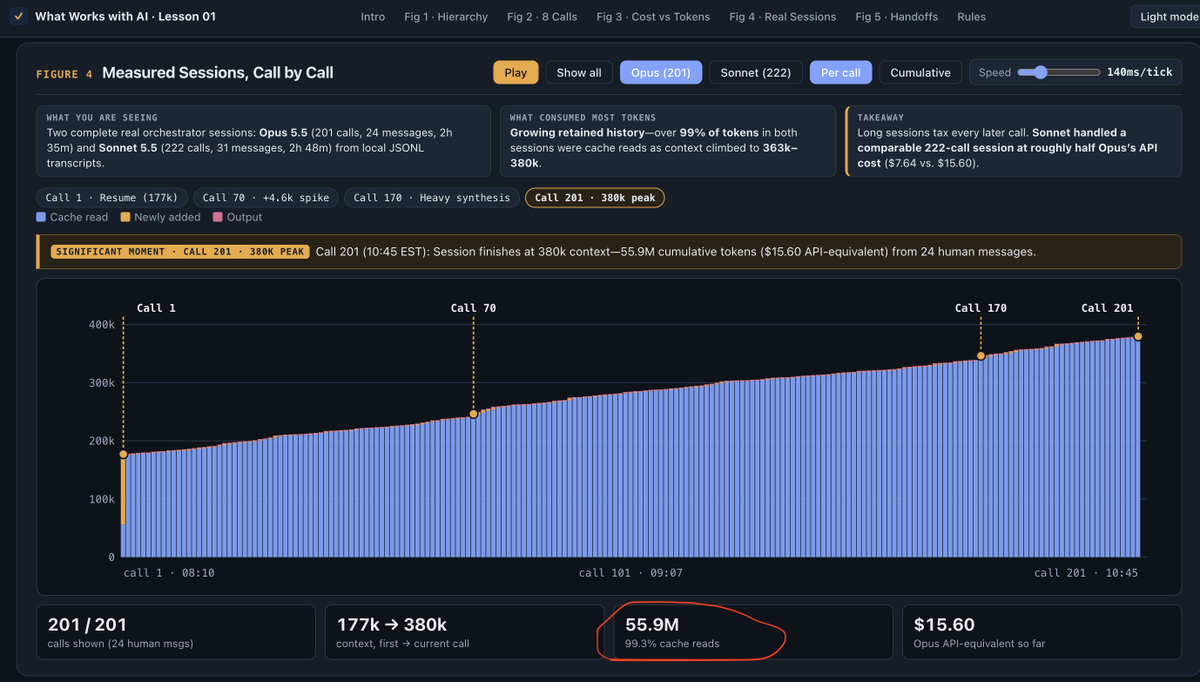
@GergelyOrosz A recent analysis of a long-running Opus 5.5 session. All model providers use caching and with some tweaking you can get the same caching behavior as Claude Code Desktop with APIs..
wow alphabet absolutely COOKED with gemini 4 neon
it is by FAR the most human sounding, non-slop writing model available today. i am blown away.
google is finally back in it.
congratulations @OfficialLoganK
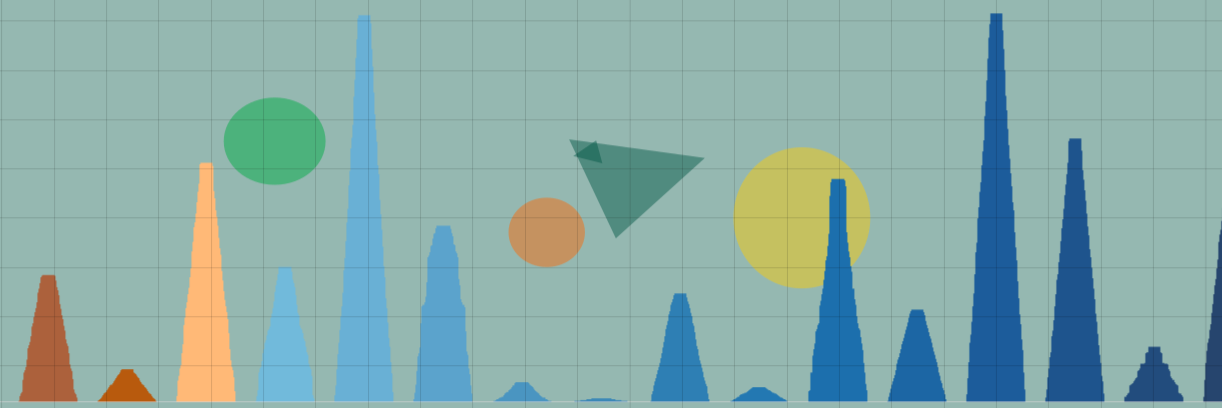
The most useful thing about the pelican riding a bicycle test continues to be illustrating the differences between models in the same family running at different effort levels - here's Gemini 4 Carbon, the new Gemini 4 Neon, and Gemini 4 Hydrogen at low, medium, and high
@jdnoc@jdnoc agreed with the broader take. Though you won’t hear consensus on social media. Even the Frontier models like “5.2” are prone to miss some steps
This is the best tool you'll install this week, and it's not even close.
Faros Desktop is a free Mac app for developers. It runs locally on your computer and doesn't even require you to log in.
This will help you understand what you are getting from your AI spending and get more out of it.
If you are using Claude Code, Codex, Cursor, Copilot, or Antigravity, this is going to be really helpful:
• Faros pulls every project, session, spending, and usage limits across every coding agent.
• It shows what each agent did, what it cost, and which pull requests or documents it helped produce.
• It prepares handoffs between agents, so you can continue the work in another agent using a summarized context.
• It gives you recommendations on how to get the most out of your tokens: models to use, reasoning settings, context improvements, etc.
I recorded a video because you have to see how cool this is.
Here is a link to download the app: https://t.co/FiyBLRf4XT
Thanks to the Faros team for partnering with me on this post.
This is a good read from Anthropic on why you don't really need subagents anymore, and most workflows should just be one agent. Bitter lesson adjacent. Lots of good bits in here, both why this is true, and how you can convert back to a single agent architecture.
Some quick notes on what I found interesting:
- Modeling your agents around your org chart is *not* what you should do
- Plan mode is dead. Better to have the plan be in the main agent's context
- MCP tool design is critical. Take a jobs to be done approach versus mapping your API to tools directly.
- Build evaluations on the full task completion / final output (or on the skills / tool calls if you need to). Whatever the case, make sure evals are coherent and non-conflicting
- If you do keep subagents around, call it as a tool so that the main agent controls the context
Also thematic in this post: Many attempts at AI adoption layer it on the existing architecture (both technical and organizational), when the most appropriate way to adopt it is to re-think the architecture completely. This is most difficult on the people side (e.g org design, what teams should do, what teams should even exist, etc.)
Def. Worth reading the entire thing if you are doing applied AI stuff.
https://t.co/MoinBe65Oy
Big shifts happening in the AI landscape. These stats are crazy, and they come from our Unity Gateway, one of the largest router of proprietary/open source tokens (quadrillions of tokens per quarter). It's a cross-section of over 10,000 large enterprises using our gateway. Check these stats:
→ We've seen open source models go from single digit percentage 6 months ago to now over 30% of the tokens!
→ 6 months ago most enterprises had 1 model provider, today 75% have 2+ and 50% have 3+ model providers.
Read @pwendell's thread 👇
Coding agents write mobile code faster than any team can review it.
🙌 Introducing Expo Simulators: cloud simulators built for agents.
Your agent runs its change on a cloud simulator or emulator and brings back the recording before it asks for your attention.
NVIDIA Open-Sources Auto Ontology, a Semantic Layer for AI Agents
Your boss asks the AI agent: "What was revenue last quarter?"
It answers in 3 seconds. Clean number. Nice chart.
But it used the wrong "revenue" column. 𝗡𝗼𝗯𝗼𝗱𝘆 𝗻𝗼𝘁𝗶𝗰𝗲𝘀.
That's the problem NVIDIA's new open-source library, Auto Ontology, goes after. Its README puts it plainly:
"…𝘢 𝘳𝘦𝘷𝘦𝘯𝘶𝘦 𝘮𝘦𝘵𝘳𝘪𝘤 𝘢𝘯𝘴𝘸𝘦𝘳𝘦𝘥 𝘧𝘢𝘴𝘵𝘦𝘳 𝘪𝘴 𝘸𝘰𝘳𝘵𝘩 𝘯𝘰𝘵𝘩𝘪𝘯𝘨 𝘪𝘧 𝘵𝘩𝘦 𝘯𝘶𝘮𝘣𝘦𝘳 𝘪𝘴 𝘸𝘳𝘰𝘯𝘨."
𝗪𝗵𝗮𝘁 𝗶𝘁 𝗶𝘀:
A "context layer" that sits between an AI agent and your database. It tells the agent where the data lives, what each field means, and whether to use it.
𝗛𝗼𝘄 𝗶𝘁 𝘄𝗼𝗿𝗸𝘀, 𝘀𝘁𝗲𝗽 𝗯𝘆 𝘀𝘁𝗲𝗽:
• 𝗗𝗶𝘀𝗰𝗼𝘃𝗲𝗿: it reads your database metadata and drafts an ontology, a map of business terms like "active customer"
• 𝗚𝗿𝗼𝘂𝗻𝗱: agents use those terms instead of guessing from raw table names
• 𝗩𝗮𝗹𝗶𝗱𝗮𝘁𝗲: it checks generated SQL against certified definitions
• 𝗘𝘅𝗽𝗼𝘀𝗲: agents reach it through MCP, a CLI or an API
• 𝗟𝗲𝗮𝗿𝗻: certified corrections go back into the map
𝗙𝗼𝗿 𝘂𝘀𝗲𝗿𝘀:
Ask a question, get 𝘁𝗵𝗲 𝗮𝗻𝘀𝘄𝗲𝗿, 𝘁𝗵𝗲 𝗦𝗤𝗟 𝗶𝘁 𝗿𝗮𝗻, 𝗮𝗻𝗱 𝘁𝗵𝗲 𝗿𝗼𝘄𝘀. You can check the work, not just trust it.
𝗙𝗼𝗿 𝗯𝘂𝗶𝗹𝗱𝗲𝗿𝘀:
• Apache 2.0, runs with Docker Compose or Helm
• Works with Databricks, Postgres, Snowflake and DuckDB
• Defaults to NVIDIA's Nemotron models, but 𝗮𝗻𝘆 𝗢𝗽𝗲𝗻𝗔𝗜-𝗰𝗼𝗺𝗽𝗮𝘁𝗶𝗯𝗹𝗲 𝗲𝗻𝗱𝗽𝗼𝗶𝗻𝘁 𝘄𝗼𝗿𝗸𝘀
• The MCP server has 𝟵 𝗿𝗲𝗮𝗱-𝗼𝗻𝗹𝘆 𝘁𝗼𝗼𝗹𝘀. There is deliberately no tool to browse raw tables, so agents must go through the business terms
𝗜𝘁 𝗯𝘂𝗶𝗹𝗱𝘀 𝗼𝗻 𝗲𝗮𝗿𝗹𝗶𝗲𝗿 𝘄𝗼𝗿𝗸:
• Cube and dbt MetricFlow: semantic layers you write by hand in code
• Wren AI: an open semantic layer for AI agents, with a context layer built partly by agents
• Snowflake's Semantic View Autopilot: also drafts semantic models with AI, but only for Snowflake
What's different here: 𝗼𝗽𝗲𝗻 𝘀𝗼𝘂𝗿𝗰𝗲, 𝘄𝗼𝗿𝗸𝘀 𝗮𝗰𝗿𝗼𝘀𝘀 𝗳𝗼𝘂𝗿 𝗱𝗮𝘁𝗮𝗯𝗮𝘀𝗲𝘀, 𝗮𝗻𝗱 𝗯𝘂𝗶𝗹𝘁 𝗳𝗼𝗿 𝗮𝗴𝗲𝗻𝘁𝘀 𝘁𝗵𝗿𝗼𝘂𝗴𝗵 𝗠𝗖𝗣.
𝗧𝗵𝗲 𝗵𝗼𝗻𝗲𝘀𝘁 𝗽𝗮𝗿𝘁:
• 𝗧𝗵𝗲 "𝟵𝟬% 𝗳𝗮𝘀𝘁𝗲𝗿" 𝗰𝗹𝗮𝗶𝗺 𝗶𝘀 𝗡𝗩𝗜𝗗𝗜𝗔'𝘀 𝗼𝘄𝗻 𝘁𝗲𝘀𝘁𝗶𝗻𝗴, with no baseline published
• 𝗡𝗼 𝗮𝗰𝗰𝘂𝗿𝗮𝗰𝘆 𝘀𝗰𝗼𝗿𝗲𝘀 𝗮𝗿𝗲 𝗽𝘂𝗯𝗹𝗶𝘀𝗵𝗲𝗱. NVIDIA ships an eval harness (BIRD, 1,534 questions) but no results
• That harness was tested with 𝗖𝗹𝗮𝘂𝗱𝗲 𝗢𝗽𝘂𝘀 𝟰.𝟴, 𝗻𝗼𝘁 𝗡𝗲𝗺𝗼𝘁𝗿𝗼𝗻
• 𝗪𝗶𝘁𝗵𝗼𝘂𝘁 𝗛𝗮𝘀𝗵𝗶𝗖𝗼𝗿𝗽 𝗩𝗮𝘂𝗹𝘁, 𝗱𝗮𝘁𝗮𝗯𝗮𝘀𝗲 𝗽𝗮𝘀𝘀𝘄𝗼𝗿𝗱𝘀 𝗮𝗿𝗲 𝘀𝘁𝗼𝗿𝗲𝗱 𝘂𝗻𝗲𝗻𝗰𝗿𝘆𝗽𝘁𝗲𝗱 in Postgres (per the README)
• It's young: 𝗮𝗯𝗼𝘂𝘁 𝟳𝟱𝟬 𝗚𝗶𝘁𝗛𝘂𝗯 𝘀𝘁𝗮𝗿𝘀, and NVIDIA isn't accepting outside contributions
𝗧𝗵𝗲 𝗯𝗶𝗴𝗴𝗲𝗿 𝗽𝗼𝗶𝗻𝘁: the hard part of AI analytics isn't writing SQL. 𝗜𝘁'𝘀 𝗮𝗴𝗿𝗲𝗲𝗶𝗻𝗴 𝗼𝗻 𝘄𝗵𝗮𝘁 𝘁𝗵𝗲 𝘄𝗼𝗿𝗱𝘀 𝗺𝗲𝗮𝗻.
GitHub: https://t.co/yzFZkacXNy
Links in reply 👇
DevOps engineers are going to make so much money if they learn to run local AI on Kubernetes. This is the first documented case of huge savings by local AI I’ve seen so far
We run both ClickHouse and DuckDB extensively at @RillData… we love DuckDB but don’t use it with data footprints exceeding 100GB. For anything bigger, we run ClickHouse.
DuckDB is not yet production-grade for TBs never mind PBs… that may change but it will take some work to evolve beyond its in-process embedded database roots.
I don’t know enough about PostHog’s requirements, but given they have significant scale of data and customers, I would be worried that the answer to their data infrastructure problems is to do a migration off ClickHouse to a custom build of Trino. 🤷♂️ ClickHouse is open source, if it’s not meeting their needs, why not try to mend it versus end it?
Jane Street engineer:
"95% of Jane Street Quants are running swarms of AI agents
We build JaneGPT in 3 days - our own AI we use for trading and research to make $39.6B/year"
In 1-hour Jane Street team explained how they uses AI for their fund - and how they build their own AI that generates profit
5:14 → how AI lives inside Jane Street's
20:22 → AI agents working on Jane Street's big data research
45:26 → why trading firm builds its own data-centers
1:10:05 → AI that watches live metrics and helps when things break
Learn how Jane Streaet use AI - no matter what, this is the best AI + trading conversation out there: