Archaeologists made a groundbreaking discovery in the necropolis of Saqqara, 20 miles south of Cairo: they unveiled an ancient Egyptian tomb carved into rock over 4,000 years ago with remarkable treasures in it
This is a Second Dynasty child burial.
Une IA vient de résoudre un problème sur lequel les mathématiciens butaient depuis 80 ans !
L'IA est un modèle interne d'OpenAI, même pas spécialisé en maths: c'est un modèle général.
Ce genre d'annonces vont se multiplier accélérant la recherche !
Photographer Phil Thurston shot a wave.
Slowed it down until those few seconds became 40.
Turns out the ocean is doing something extraordinary every single moment.
We're just moving too fast to notice.
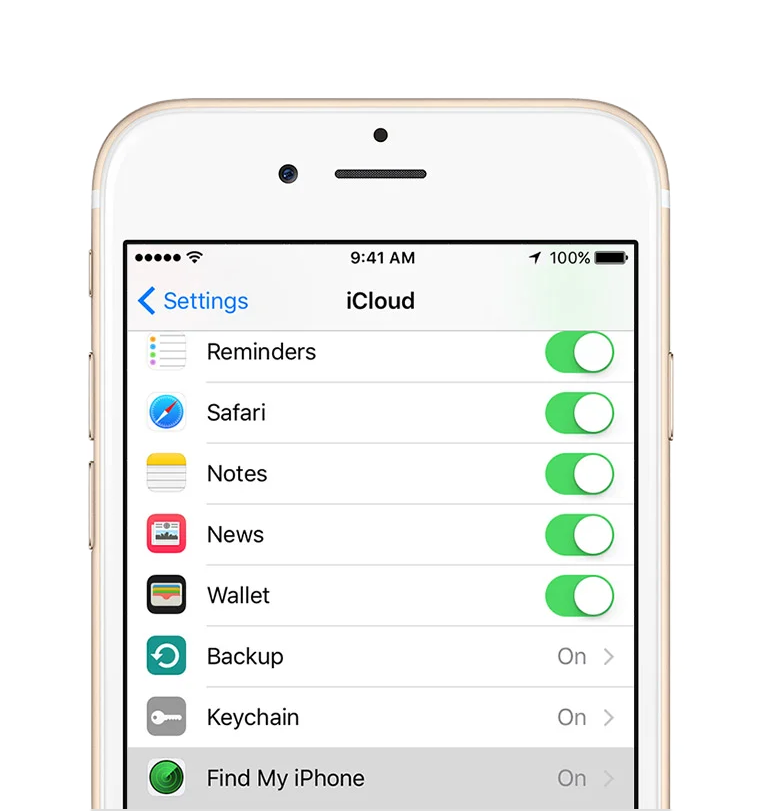
Breaking: Apple keeps your deleted files and still charges you for the space they take up.
Deleting something on an iPhone does not mean it is gone.
It means Apple holds it and charges you rent:
Here is exactly where the rest is hiding and how to clear it in 20 minutes ⤵️
In March 2010, an Apple engineer named Gray Powell walked into Gerstner's Bar in Redwood City with an unreleased iPhone 4 prototype disguised as an iPhone 3GS.
He left without it.
Jobs later explained why the phone was out in the world at all: "To make a wireless product work well, you have to test it. And there's no way to test it in a lab completely, so you actually have to carry them and test them out."
The phone ended up with a 21 year old named Brian Hogan. What happened next is still disputed. Jobs put it simply: "There's a debate as to whether it was left in a bar or stolen out of his bag."
Hogan tried to return it. Called Apple's support line. Got nowhere. So he called Engadget. Then Gizmodo.
Gizmodo paid $5,000 for it.
They published a full teardown. Front-facing camera. Flat edges. Glass back. The entire design of Apple's next flagship phone, months before launch, exposed to the world.
But here's the part most people missed. Jobs revealed: "The person that got the phone tried to activate it by plugging it into his roommate's computer. And she's the one that called the police. That's why they got the search warrant."
Not Apple. The roommate.
Police showed up at Gizmodo editor Jason Chen's house. Seized computers. Hard drives. Everything. The tech press exploded. "Apple is retaliating against journalists."
Jobs found the whole situation almost cinematic: "This is a story that's amazing. It's got theft. It's got buying stolen property. It's got extortion. I'm sure there's sex in there somewhere. Somebody should make a movie out of this."
But he wasn't laughing about what came next.
"I got a lot of advice from people that said you've got to just let it slide. You shouldn't go after a journalist because they bought stolen property and they tried to extort you."
Most CEOs would have taken that advice. Bad optics. Not worth the fight. Move on.
Jobs didn't.
"I thought deeply about this and I ended up concluding that the worst thing that could possibly happen as we get big and we get a little more influence in the world is if we change our core values and start letting it slide."
Then he said something that explains everything about how he built Apple:
"I can't do that. I'd rather quit."
He continued: "We have the same values now as we had then. We're maybe a little more experienced, certainly more beat up, but the core values are the same. And we come into work wanting to do the same thing today as we did five or 10 years ago, which is build the best products for people."
This wasn't about a phone. It was about what Apple would tolerate as it scaled. Most companies loosen their standards as they grow. They pick battles. They let things slide because fighting is expensive and messy.
Jobs saw that as the beginning of the end. The moment you compromise once, you've established that compromise is available.
🚨 LE VÉRITABLE HOMME DU PEUPLE !!
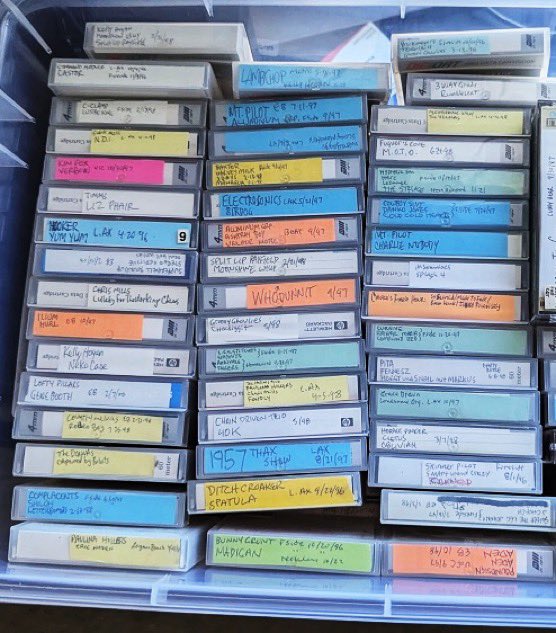
Un passionné de musique qui a filmé plus de 10.000 concerts (rap, rock, pop..) depuis 1989 vient de mettre en ligne GRATUITEMENT l’intégralité de ses archives 🤯
Les héros ne portent pas toujours de cape…