End of Life in the context of COVID-19. With @theblumline and team from @EmergDesign we tackled this important topic. In this piece, explore our themes & insights, patient journey, design opportunities, and guide to current resources: https://t.co/7XT24RVAk5
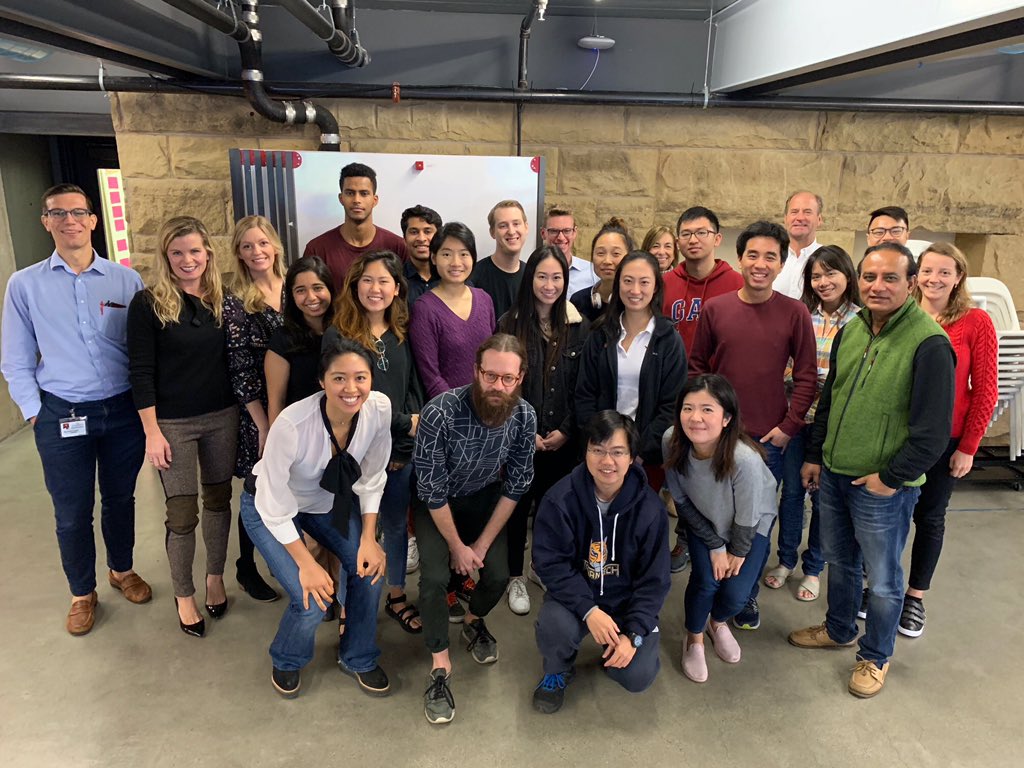
We had a great @stanforddschool class partnership with @StanfordEMED for our second project in Design for Health this year! Many thanks to the department and @DocWagz for making it happen.
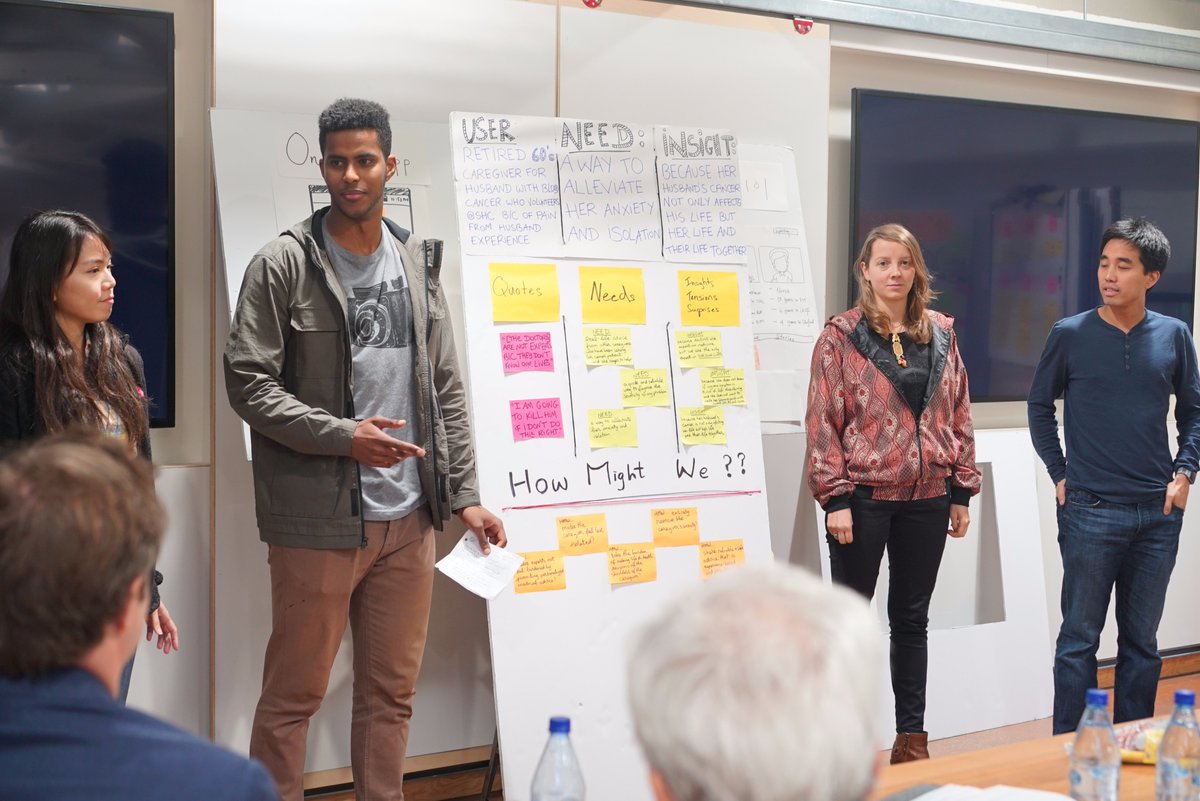
Faculty from @StanfordEMED hear innovative #designthinking-based solutions at the finale of EMED255/DINST255. Under guidance from @DocWagz cross-discipline students address how SHC patients access time-sensitive care. @MikeGisondi @Blomkalns@stanforddschool
Today in Design for Health @stanforddschool we prototyped a game designed by @EmWagz to experience the urgency, frustration and haphazardness of addressing an acute medical need. HMW Improve Navigating Time-Sensitive Healthcare?
Health-care professionals are problem solvers by nature — and now they're increasingly embracing the role of designers. Here's why that matters » https://t.co/4CDiBZb7Hp
We don't typically theme our weekly newsletters, but this week's ended up being all about #designthinking in health care! Check it out: https://t.co/SC2s5H7sYL
"It’s important to remember that we have the health care system we do because of history and economics, not because of studies that show it’s optimally designed." https://t.co/NVIK1kyShK
An important reminder to look for meaning (from the perspective of the patient and their caregivers) as we frame opportunities to redesign healthcare experiences, services and products. https://t.co/2rSBdAICB8
"How might we train medical students for a health system that won't exist until they create it?"
@DesignInHealth led by @Stacey_Chang is equipping doctors of the future with design skills!
Designing at the intersection of health, public policy and social services. Congrats to @CivillaDetroit! See below for details on their approach, insights and design. https://t.co/uionUi3BEC
Designing healthcare experiences of the future demands radical empathy: “When a person comes through the training and we ask why they did certain things that look bizarre, like a person with dementia, they can answer.”
https://t.co/w4OPdiZMPi
The role of hospitals is poised to evolve dramatically as new platforms for healthcare change the practice of medicine & patient experience: https://t.co/dHdleO5fat
⚡️Our Health Design Lab @JeffersonUniv was featured by @DavidHindin on his
“Why Your Doctor Should Daydream" YouTube series!⚡️
📽️https://t.co/SYeVRFezxi
There are many healthcare experiences that could benefit from more empathic design: reimagining tools, environments & interactions https://t.co/g5wMRw9oVj