RIP to the nicest, most generous master of the universe there ever was.
Jim Simons was a class act, through and through. He had a deep passion for math and science education which changed the world. For anyone who needs a role model to emulate, look no further. We lose a giant, but may a thousand be inspired to climb the same mountaintops he ascended.
I have a hundred pages I could write about the man and his life’s work. Someday I will share the notes I’ve accumulated studying Simons for the last 20 years.
On my way to the airport my Uber was randomly stopped and my suitcase was searched by a policeman and election commission official
What is the legality of this type of warrantless search of a private citizen?
@CPBlr
After 5 great months, I am now single. I have nothing but good things to say about my amazing ex-gf.
I have discovered I don't have the time or capacity to really be in a relationship, but if you really want to date me, here is a form you can fill out:
https://t.co/7iCNVRaCy0
It’s time to scrap AML / KYC entirely.
The idea that politicians should know how citizens spend their money is a new and deeply flawed idea.
An entire generation has been fooled into thinking this is a necessary part of finance and the world continues to double down on an unworkable system.
Only 30 years ago when I started my career as a stockbroker/ financial advisor I could call you on the phone and sell you MSFT or IBM stock and I did not need your DOB or your social security number. You didn’t even need to have money in the account.
The 1990s to the post 9-11 Patriot Act (which was a horrible law) saw a radical increase in AML /KYC requirements. These seem to get worse every year.
In my office when we were first required to take a drivers license, the older brokers were incredulous: “What do you mean we need an ID for someone buying stocks?!? What’s next, you need an ID to buy gas or groceries?”
Now, just 25 years later an entire generation thinks this is normal or how it should be. Worse yet, some think the system won’t work without it. The opposite is true — the compliance gums up the works and adds friction where it should not exist.
While the regulator class arrogantly acts as if AML KYC is their birthright and ending it is some sort of untouchable rail, the justifications are weak. Why do we have these regimes? To stop “money laundering”? What is that? Who is the victim? Is it to stop “human trafficking” or “terrorism”? If so, how? Is it to “stop” the 12,000 entities on the OFAC list by messing with the 2,000,000,000 people not on the list?
Are major criminals somehow stopped by this? Has it stopped crime? Even if it did, is it worth burdening millions of firms and billions of people with paperwork and procedures that slow down commerce? Shouldn’t efforts be made to go after the actual criminals rather than encumbering the entire world with an inefficient compliance regime?
Money must be able to flow and move. People must be able to take risks and make investments as they choose. This is the lifeblood of a solid economy and the jobs, growth, prosperity and peace that comes with it. The US (and by extension much of the world due to our influence) is sacrificing jobs, innovation and opportunities by chasing an extremely ineffective and indirect compliance regime.
The entire idea belongs back in the dumpster of history. Let the investigators chase terrorists & human traffickers for those actual crimes and let the other billions of us use and move our money as we wish.
One of the great stories of 9/11 is that there were first responders who ran into the building knowing that they may not make it out in time, and many of them didn't. That kind of courage and sacrifice should always be remembered.
Ann Shulgin died this morning at the age of 91. Her writing made PiHKAL and TiHKAL more than books about chemistry and psychopharmacology, she made them into great love stories. I know that she believed consciousness survives death, I hope she's right and rejoining Sasha.
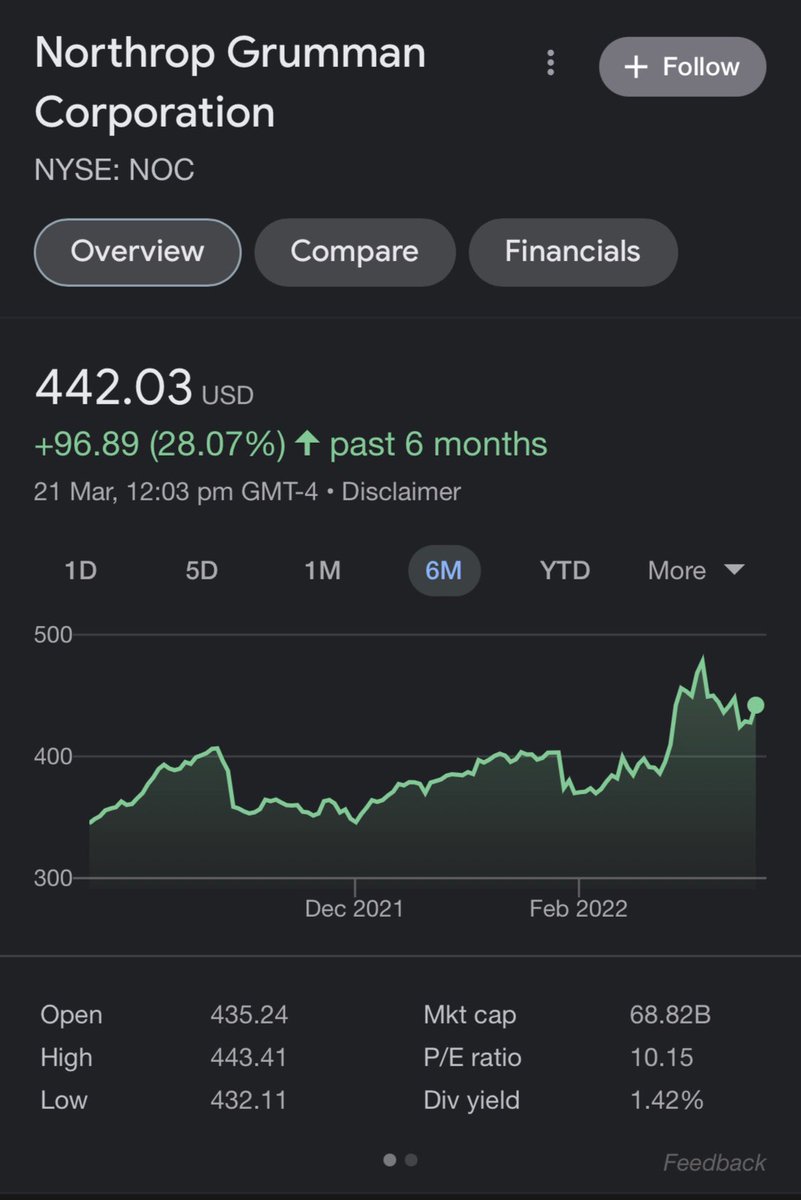
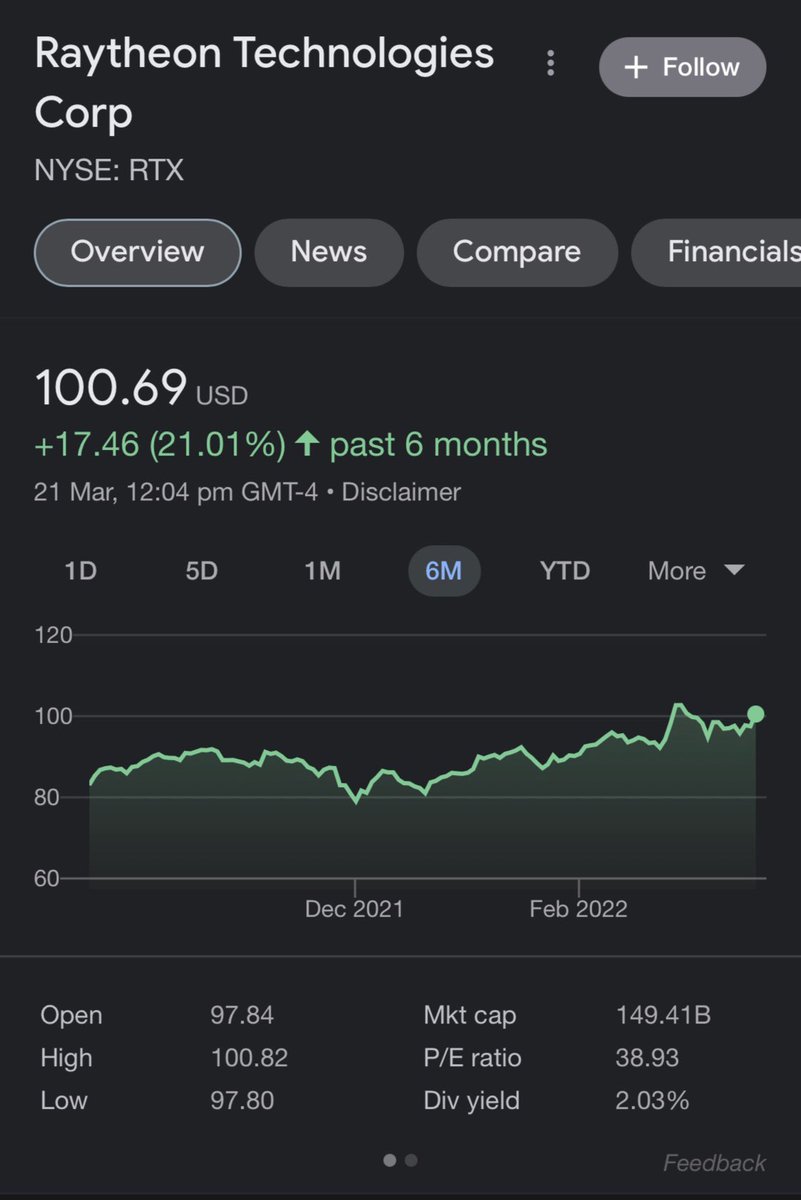
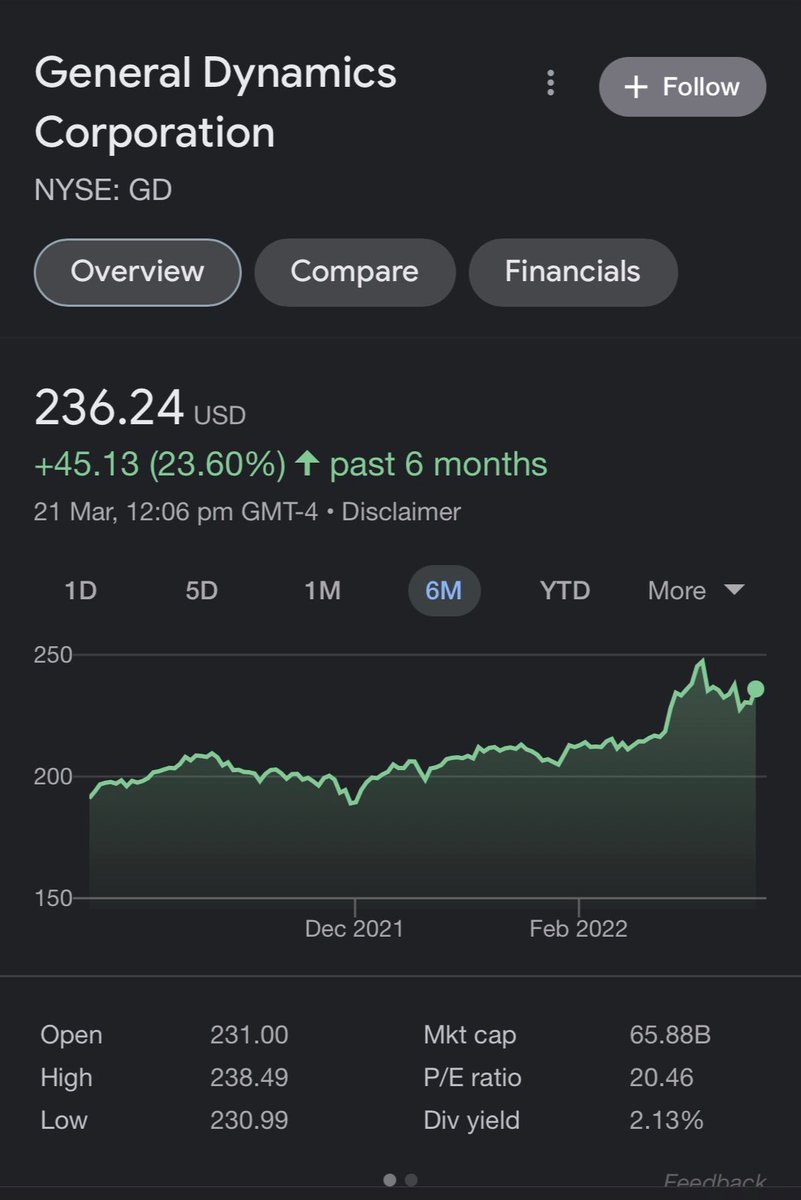
The Ukraine war profit math:
US gives Ukraine $ 2 billion worth of free weapons to fight Russia.
Raytheon + $31.3 billion
Lockheed + $37.7 billion
Northrop + $19.2 billion
GeneralD + $15.5 billion
Return of investment: $101.7 billion
From just 4 of 25 US arms manufacturers!
When I started off in law practice, the common lament used to be that judicial outcomes are highly unpredictable.
The lament now is that we know exactly what they’re going to do.