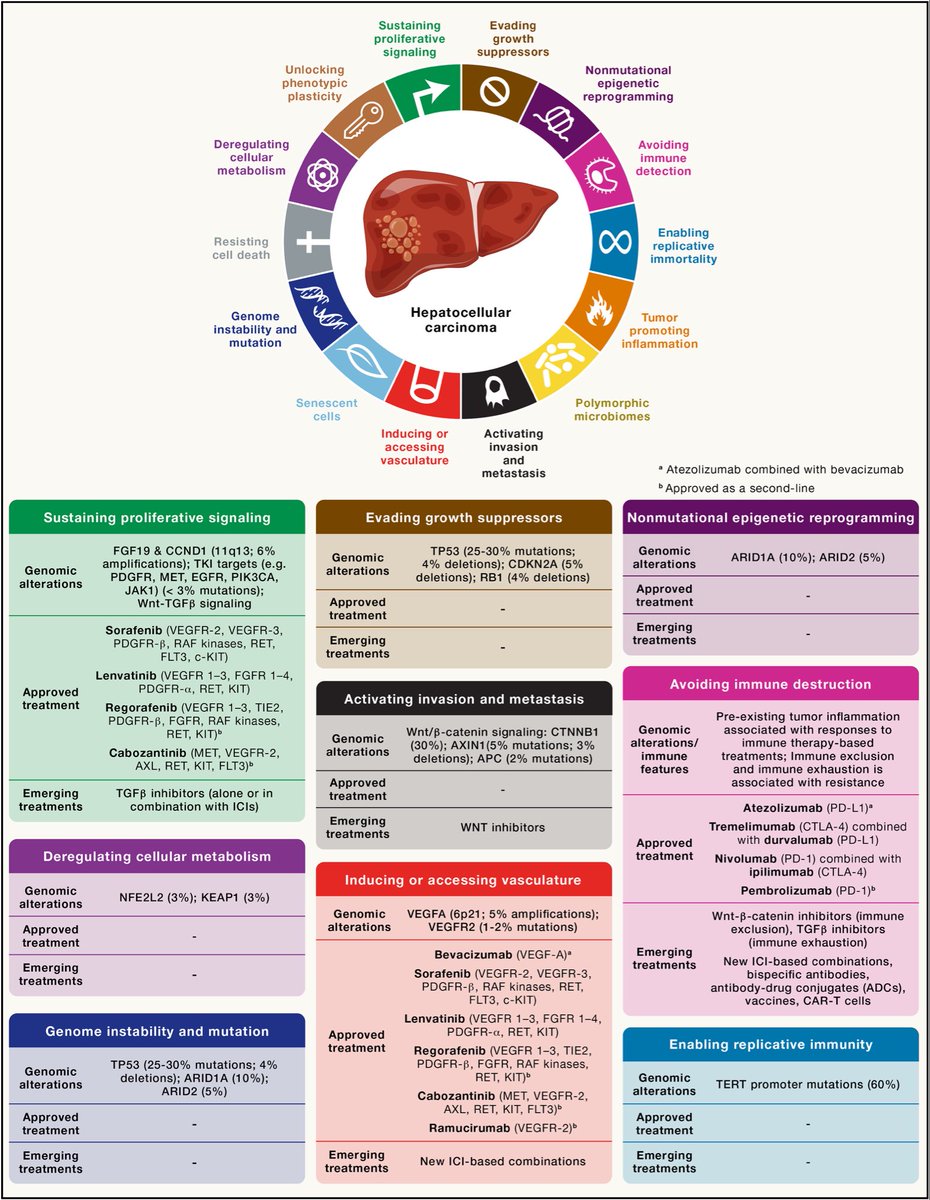
Please read our @myESMO recommendations on how to report NGS results of solid tumors to clinical teams - it was great to work on this, fantastic effort! https://t.co/Id9ZAqESoB
@myESMO Recommendations for clinical reporting of genomics - now published in @Annals_Oncology. We're aiming to advance rational, evidence-based use of genomics in patient care and harmonize biomarker interpretation in cancer treatment
https://t.co/GohY3dWkQB
Finally !! a CAR-T that works on solid tumors.
Nature paper… 32 out of 36 patients had regression of advanced #cancer.
Target rglypican and tgf beta.
@IntegrativeCCA $IBRX #anktiva will enhance
https://t.co/Z9oPHIc37p
We stress tested many frontier AI models for multimodal medical reasoning (including GPT-5, Claude 3.5, Gemini 2.5 Pro). They’re not ready. Faulty reasoning, use of inappropriate shortcuts, hallucinations. Published today @NatureMedicine https://t.co/P6eHZEmfbW
Thrilled to share that our paper on AMIE—our conversational medical AI—is now published in @Nature. We wanted to tackle one of the most challenging areas in clinical AI: management reasoning over multiple patient visits.
https://t.co/03A1pipFI8
⭐️Wow! Amazing paper published in @Nature ->"Spatial distribution of the proteome in the human body and in cancers" --> Provides insights to Potential drug targets and drug repurposing @NaturePortfolio@OncoAlert@oncodaily
https://t.co/TtNEtjLzCL
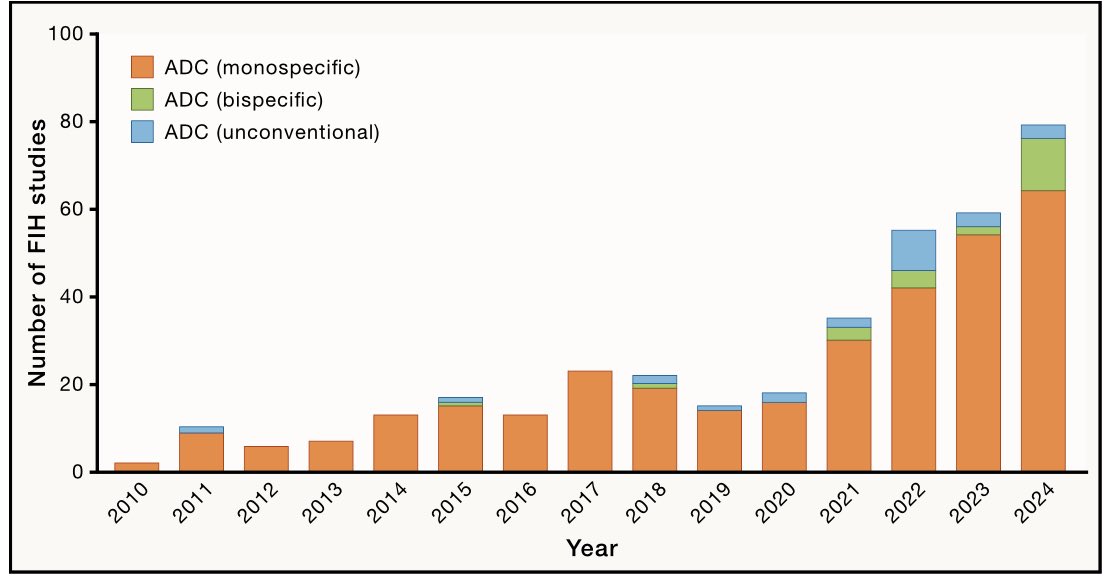
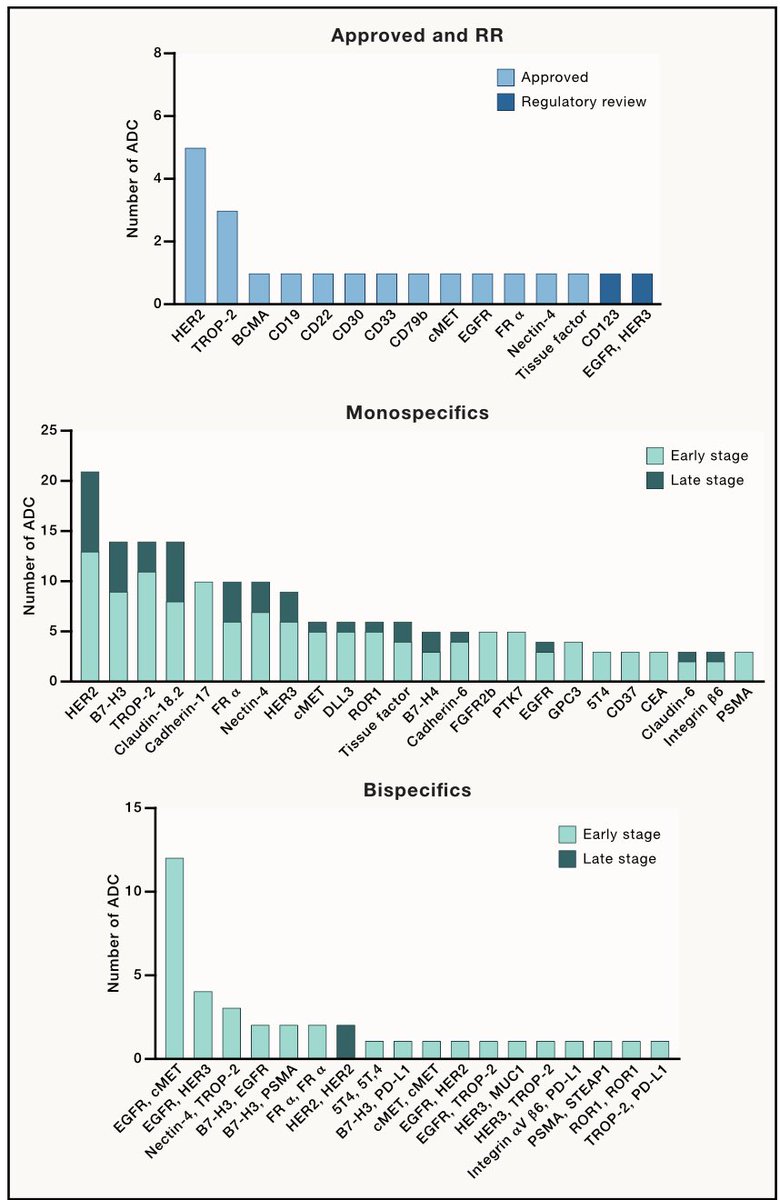
🎯 Antibody-Drug Conjugates: Expanding Clinical Impact.
ADCs are rapidly reshaping oncology across hematologic and solid tumors, combining targeted delivery with highly potent payloads.
As these agents move into earlier-stage disease and combination strategies, key challenges emerge: biomarker selection, resistance mechanisms, toxicity management, and optimal sequencing.
Next-generation ADC design may further expand efficacy, but careful patient selection will remain essential.
📖 Cell
DOI 👉🏻 https://t.co/3R5JSliiuL
#CánCare #oncology #ADC #precisiononcology #immunotherapy
🧬 Longitudinal targeted sequencing in translocation-associated sarcomas (TAS): does repeat NGS really add clinical value?
https://t.co/vroJpVKb45
▪️ 53% acquired alterations over time, but only 27% were oncogenic/likely oncogenic
▪️ Most repeat NGS performed at progression (83%)
▪️ TP53 was the most frequent acquired mutation (10%)
▪️ Very few alterations were ultimately actionable for sarcoma management
More questions than answers…
@OncoAlert@OncoReporte@myESMO@_SEOM@SarcomaSmart@DraMartinezLago
New @Nature study: >50% of lung cancer metastases are seeded by other metastases, not the primary tumor. This "seeding from seeding" reveals a complex evolutionary cascade that allows cancer to colonize the body.
https://t.co/lYUyfRYOcP
🚨⭐️Effect of one or two cycles of dual immunotherapy with nivolumab and ipilimumab in patients with mismatch repair-deficient rectal cancer (RESET-R): interim results from a multicentre, single-arm, phase 2 trial - The Lancet Gastroenterology & Hepatology https://t.co/U38hnRHvjy
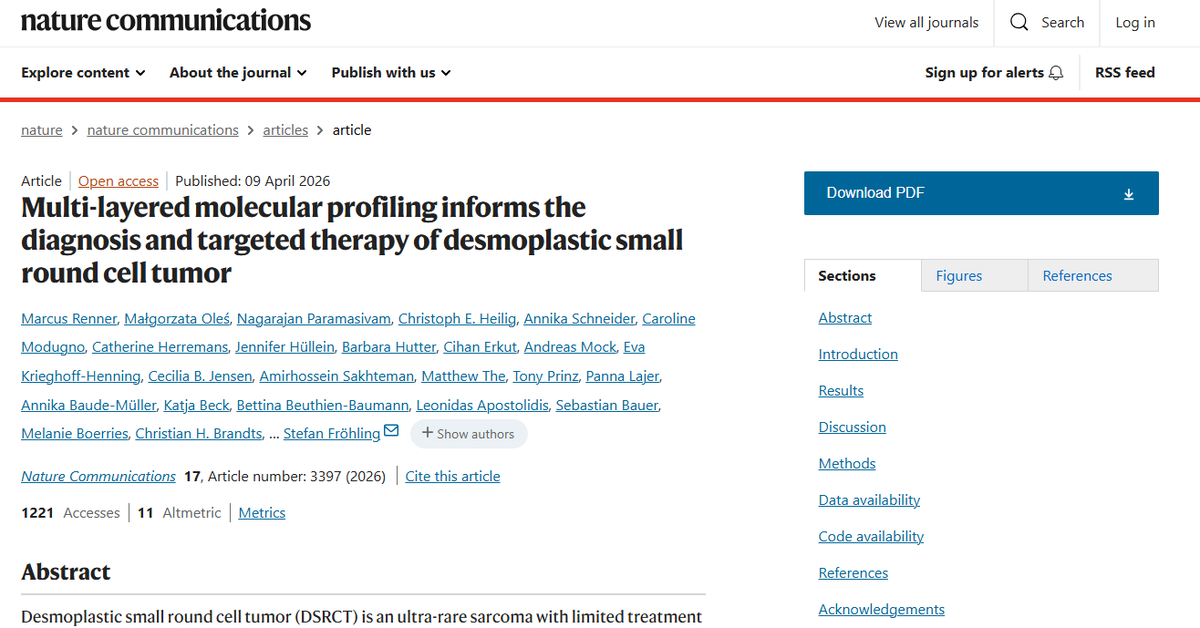
Recommended📚: Multi-layered molecular profiling informs the diagnosis and targeted therapy of desmoplastic small round cell tumor, with @StefanFrohling@DKFZ@NCT_HD as Senior Corresponding author, now published in @NatureComms
🔗 https://t.co/fCD3An4vSJ
🚨 Not all HER2+ tumors respond equally to dual blockade…
👉 Tumor genomics may be the missing piece.
A new analysis of HER2+ early breast cancer shows:
🧬 PIK3CA mutations = lower pCR
•47.7% vs 66.7% with dual HER2 blockade
•OR ~0.4 → clear resistance signal
💉 Striking finding with chemo backbone
•Nab-paclitaxel:
❌ 38.7% vs 72.0% pCR
•Paclitaxel:
➖ No major difference
👉 Suggests interaction between biology + chemo choice
🧠 Key insight
•Resistance seen ONLY with anti-HER2 therapy
•NOT seen in chemo-only cohort
📊 Translation:
👉 PIK3CA ≠ chemo resistance
👉 PIK3CA = HER2-targeted therapy resistance
⚠️ TP53, MAPK mutations → NO impact on pCR
💡 Clinical takeaway
•Should we start genotype-guided neoadjuvant strategy?
•PI3K pathway targeting may be critical in HER2+
🔖 This will change how we think about “non-responders”
❓ Do you check PIK3CA upfront in HER2+ disease before neoadjuvant therapy?
📖 Full paper in comment ⬇️
#OncoTwitter #MedTwitter #BreastCancer #HER2
@OncoAlert@myesmo@esmo_open@ASCO
A new preprint reports that genetic loss of JAK1 increases susceptibility to HPV infection and subsequent non-melanoma skin cancer (NMSC) risk.
This human genetic evidence arrives at a critical moment. Selective JAK1 inhibitors like upadacitinib and abrocitinib are a major drug class in modern medicine, approved for atopic dermatitis, rheumatoid arthritis, psoriatic arthritis, ulcerative colitis, and Crohn's disease. Millions of patients, many of them young, take these drugs for years or decades. The new genetic data hints HPV susceptibility and NMSC risk as potential long-term adverse effects of these drugs.
The story gets more interesting when you look at how JAK inhibitors evolved. Early versions like tofacitinib were non-selective; they are effective, but caused hematological toxicities (from JAK2 inhibition), and lymphocyte depletion (from JAK3 inhibition). Researchers eventually recognized a useful dissociation: the therapeutic benefit in autoimmune disease flows primarily through JAK1-dependent pathways (IL-6, IL-4, IL-13 signaling), while the most visible toxicities came from the other isoforms. That insight drove the field toward JAK1-selective agents, which are now the dominant class.
The logic was sound for the toxicities the field could measure. What nobody systematically evaluated was JAK1's specific role in antiviral skin immunity. JAK1 GoF causing autoimmunity was well characterized, but JAK1 LoF in humans wasn't, except for one patient with biallelic mutations and broad immunodeficiency. Interestingly this patient also presented with warts, which didn't stand out at that time. There were logical reasons to worry about interferon signaling and viral susceptibility in JAK1 inhibition, but no human genetic evidence was there to back that concern.
Fan et al. (medRxiv, April 2026) now fill that gap. Across four independent pedigrees with epidermodysplasia verruciformis (EV), a Mendelian disorder linking HPV to skin cancer, they identify heterozygous JAK1 loss-of-function variants as causative, establishing that JAK1 haploinsufficiency permits persistent β-HPV infection and NMSC development.
Scattered case reports of warts and NMSC in patients on JAK1 inhibitors exist in the literature, and NMSC signals seem to exist in trial data, though without HPV genotyping info. These signals weren't strong enough to motivate anyone to look harder. Fan et al. data now will motivate drug developers to retrospectively analyze their trial data to quantify this important adverse outcome.
This is another beautiful example of rare disease patients informing on possible adverse effects of drugs used for common diseases.
Fan et al. medRxiv 2026
https://t.co/g4KxfxTclg
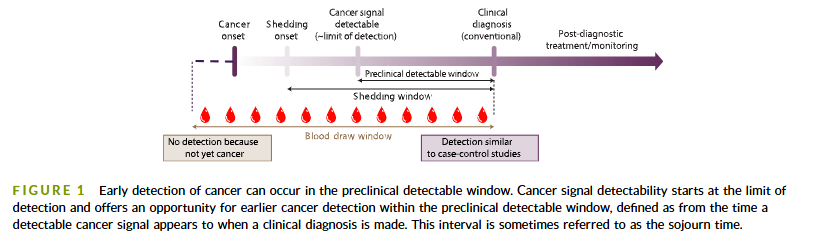
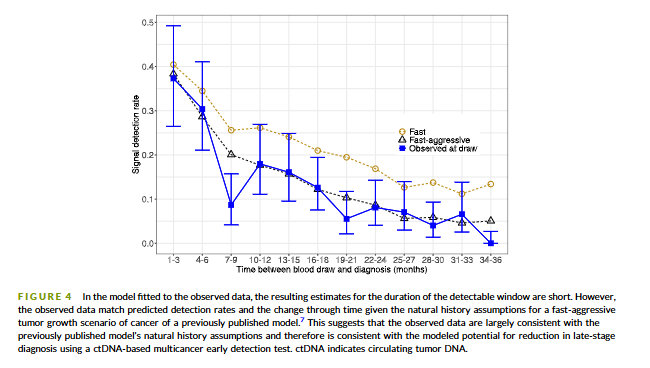
🧬 #ctDNA and the preclinical window: are we closer to true early detection?
https://t.co/7AxQMmD5Ck
@OncoAlert
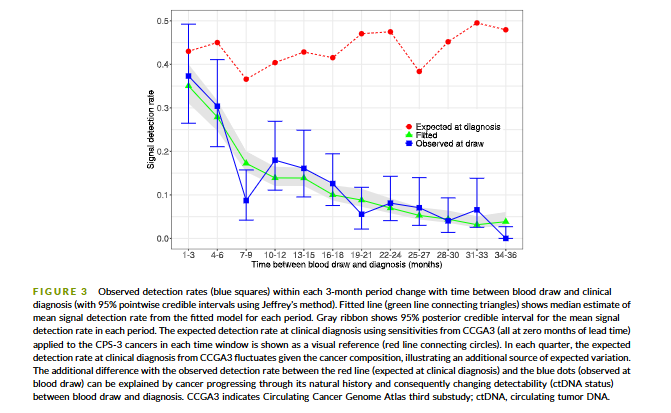
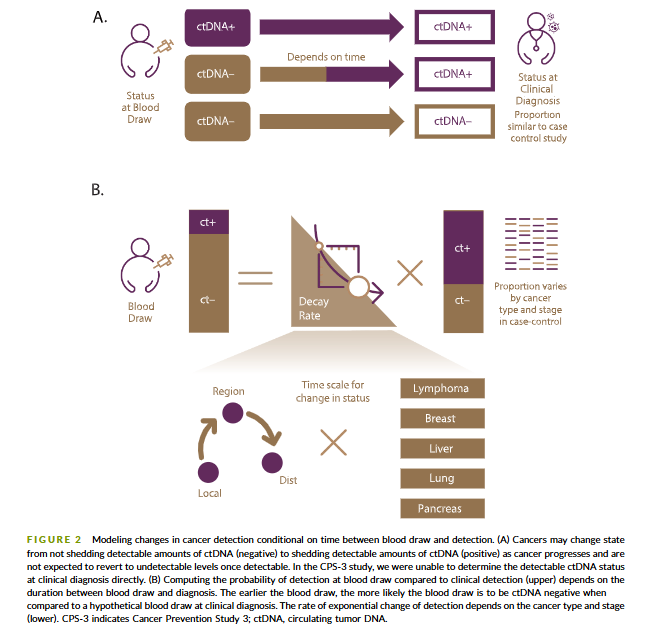
New data begin to quantify something we’ve long sensed, but never clearly measured:
👉 how long tumors are actually detectable by ctDNA before clinical diagnosis
🔹 1. A narrow but actionable window
• Median ctDNA detectability: ~0.7–1.2 years depending on stage
• Highly variable across tumors (e.g., pancreas shorter, lymphoma longer)
👉 This is not a wide window, but it may be enough
🔹 2. Biology matters more than technology
• ctDNA positivity reflects biologically aggressive disease
• HR for mortality ~2 when ctDNA-positive vs negative
👉 We are not just detecting cancer, we are detecting clinically meaningful cancer
🔹 3. Implications for screening strategies
• Data support ~annual screening intervals
• Reinforces feasibility of multicancer early detection (MCED) approaches
👉 Timing may be as critical as sensitivity
💡 My take:
This study reframes ctDNA from a biomarker → to a temporal signal of cancer evolution
Not all tumors give us time.
But for those that do… this may be the window where outcomes can truly change.
@ecancer @MedicalwatchHQ @urotoday
#ctDNA #LiquidBiopsy #EarlyDetection #MCED #PrecisionOncology #OncoTwitter
Don’t miss our editorial on Lancet Oncology about the Ideate-PanTumor trial (with an anti-B7H3 ADC). Could it potentially become a treatment option for SCLC? A work with Jean Marie Michot
https://t.co/X5q6FEjmNB
🧬 Introducing: Knockout Discovery Engine
Some people are born with naturally broken genes.
People with a broken CCR5 gene are immune to HIV. People with a broken HSD17B13 gene have lower rates of chronic liver disease.
Drugs backed by this kind of genetic evidence are 2.6x more likely to get approved.
I built this to automate the search for such genes 🧬
How it works:
→ type drug description
→ analyze human genetic data
→ get drug efficacy evidence report
Demo ↓
HER2 heterogeneous breast cancer models reveal novel therapeutic targets and subclonal dynamics during evolution to resistance to HER2-targeted therapies
~40% of HER2+ tumors are heterogeneous. In preclinical models, T-DXd achieved complete regression in homogeneous tumors but not in heterogeneous ones.
HER2 low subclones are less sensitive to ADCs, persist under treatment pressure and drive residual disease, while remaining sensitive to HER2 TKIs.
It’s clonal selection.
Treating only the dominant HER2-high population isn’t enough. The minor clone shapes what comes next.
Combination strategies aren’t optional.
https://t.co/S7HfetLanS @OncoAlert