사람들은 왜 종교적일까요? 신에 대한 믿음은 모든 인류에게 공통적일까요? 개인의 믿음이 어떻게 사회적 종교로 발전했을까요? 왜 모든 종교는 계속 갈라지고 분열할까요?
궁금하신 분들은 『신을 찾는 뇌』를 읽어 주��면 감사하겠습니다. ✝��✡🕉
https://t.co/AMPdwTJrsO
Collective gatherings often incite strong emotions. But how do emotions spread within a crowd?
Read our latest paper on emotional contagion in a collective ritual.
https://t.co/rvBs2IzAv5
The "moralistic" part of moralistic supernatural punishment does NOT systematically predict cooperation across 15 sites, 2 methods measuring gods' concerns, 4 experiments, and a host of model specifications. From RCC's @Theiss_Bendixen@adlightner et al. https://t.co/s6aO0NTL31
Dan Sperber, Explaining Culture, Korean Translation: 문화 설명하기
This book is one of the greatest modern classics in the naturalistic study of culture. I am proud to be one of the Korean translators of this book. @dansperber
IT’S OFFICIAL! I’m excited to announce the launch of the Center for Applied Cognitive Science @ApplyCogSci to advance the science of learning and develop innovative solutions to pressing global challenges through #interdisciplinary#research.
Our website: https://t.co/M0loPGbWHe
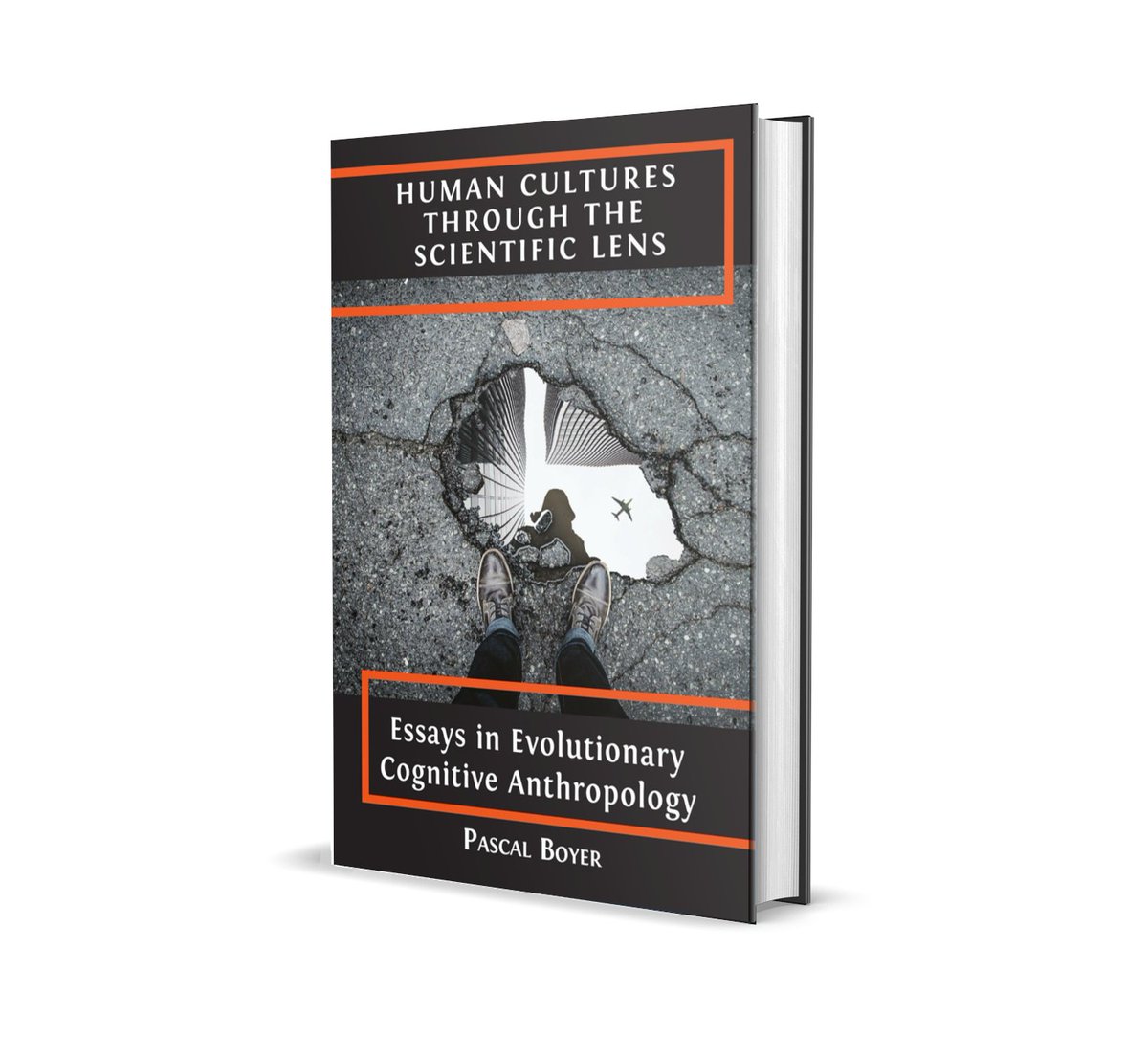
A new collection of articles on cultural stuff in an evolutionary cognitive perspective https://t.co/8dXLH7qNuM all open access, free chapter downloads. Enjoy!
Happy to report that the 6th edition of Evolutionary Psychology: The New Science of the Mind, is now out. Major revision, with 200 new references:
https://t.co/2Ym7iTh0M8
... very simple reductio... is one prepared to say that Nat Sel shaped sex differences in all species EXCEPT humans? (and 'culture' eliminated them then replaced them with identical differences)? I must say I have met quite a few people who think that way...
Most concepts in social theory (social norms, power, social groups, etc.) are useless for science - they just re-describe the expectations of our "intuitive sociology", which helps us have social life, but gives no scientific explanation of that social life.