Most people think of oxytocin as the bonding hormone. What the research actually shows is considerably more interesting.
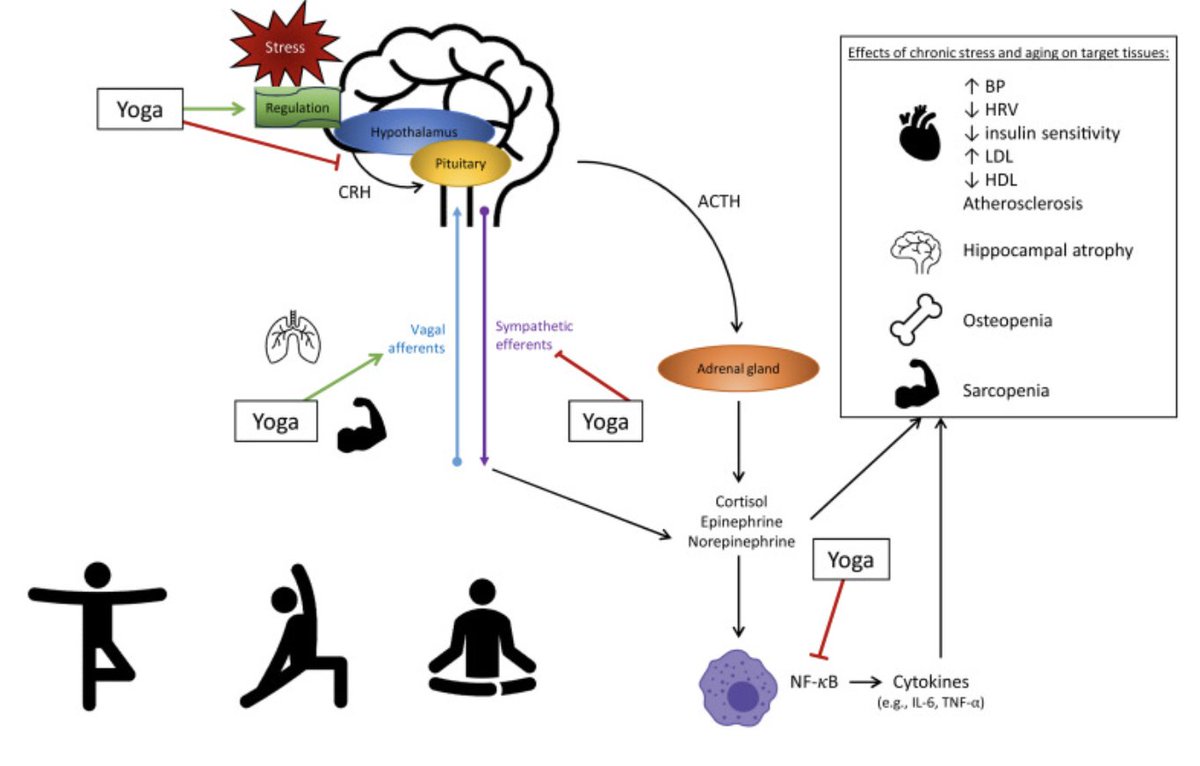
Oxytocin interacts with stress-related brain regions, dampens HPA-axis activity, and promotes parasympathetic tone—the physiological shift away from alertness and toward recovery.
One of the clearest downstream effects of that shift is better sleep.
In controlled human studies, intranasal oxytocin administration reduced sleep latency by roughly 10–20 minutes and increased overall sleep efficiency by approximately 5–10%.
In experimental work, oxytocin increased REM sleep episodes by approximately 10–15%—the sleep stage most directly tied to emotional regulation, memory consolidation, and cognitive integration.
This matters beyond the night itself.
High-quality sleep drives glymphatic clearance of metabolic waste, regulates hormonal signaling, and protects against neurodegenerative processes. Poor sleep architecture doesn't just leave you tired—it accumulates damage across time.
There's also an aging dimension worth noting.
Endogenous oxytocin levels decline with age, and that decline tracks closely with the rising prevalence of sleep disturbances in midlife and beyond. Investigators have proposed oxytocin supplementation as a potential therapeutic strategy—particularly for midlife women and older adults—by supporting stress recovery, autonomic balance, and circadian stability.
The mechanism isn't sedation. It's regulation.
Oxytocin doesn't force sleep—it removes the physiological conditions that prevent it.
This week's Research Review covers oxytocin's full role in stress physiology, sleep architecture, and healthspan—including what the clinical evidence actually supports.
https://t.co/DtPDPRZofw
A growing body of legitimate science has been exploring the benefits of red light therapy for several conditions, from ADHD, to retinal degeneration, to dermatology
https://t.co/XZ4oet5VNE
1/
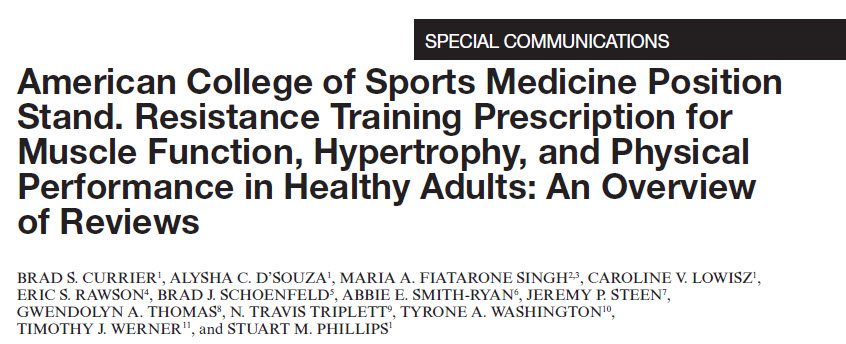
Big update in exercise science: ACSM has revised its resistance training Position Stand for the first time since 2009. That is a 17-year gap, and a lot has changed. 🧵https://t.co/Vk3yQj3Rmp
The Lp(a) problem nobody's talking about
90% genetic. Can't diet it away. Can't exercise it down.
But here's what most people don't understand about WHY Lp(a) is atherogenic:
Lp(a) isn't just "bad cholesterol." It's structurally similar to plasminogen - the molecule your body uses to break down blood clots.
So Lp(a) does two things:
1. Penetrates arterial wall and causes inflammation (like LDL)
2. Interferes with clot breakdown (competitive inhibition with plasminogen)
This dual mechanism - both promoting plaque formation AND promoting thrombosis - is why elevated Lp(a) is particularly dangerous.
If you have family history of early heart disease (<55 in men, <65 in women), test it once. The level stays stable for life.
Knowing matters because:
- High Lp(a) changes how aggressively we treat your other risk factors
- New therapies (RNA-based) specifically targeting Lp(a) are in Phase 3 trials
- It explains why some people with "perfect" cholesterol still have events
@AbudBakri A pharmaceutical drug company wants to make it a patented drug, so they won’t make it commercially available.
That’s my opinion.
Our body makes it naturally in the stomach.
I discussed it further here if you’re interested
https://t.co/joRtkiExBl
DNA testing isn't just a trend; it's a gateway to personalized healthcare. By understanding your genetic makeup, you can tailor your lifestyle, nutrition, and wellness routines to suit your individual needs. From optimizing your diet to finding the best fitness regimen, DNA i ...
A new study indicates strawberries reduce blood vessel inflammation by decreasing harmful Coprobacillus gut bacteria and boosting beneficial Lachnospiraceae
What other foods increase Lachnospiraceae gut bacteria? 🧵https://t.co/qAfKw46DDL
Iron absorption is important, if not critical for endurance performance. The hormone hepcidin is a major regulator. This blog outlines tips rto maximise iron absoprtion https://t.co/3ttOvw4zLq
What causes mental illness?
The traditional answers include trauma, adversity, genetics, neurotransmitters, inflammation, and hormones.
We also need to include food, nutrition, exercise, sleep, connections, and purpose in life.
#BrainEnergy ties it all together.
What causes muscle cramps during exercise? Muscle cramps are common, and the cause is not well understood, but there are a few hypotheses. Read the blog for more: https://t.co/AdVjZhLa82
This recent study by @KevinH_PhD is awesome.
It investigates the impact of different weight loss methods on the "lipostat"-- the body fat regulatory system in the brain that opposes weight loss efforts.
My plain language summary.
https://t.co/IU49kntyCw
Single dose creatine improves cognitive performance and induces changes in cerebral high energy phosphates during sleep deprivation. https://t.co/FjouWUuORV
Why are we STILL ice bathing? When you look at the evidence, the cold water should be circling the drain.
#icebathing#Recovery
Read my new column in @SkeptInquirer.
🔓https://t.co/YpWsT2L3l9
For the endocrinology course I teach @BYU, I have a lecture on the endocrinology of adipose (fat) tissue. Few people realize that our fat cells are a highly active endocrine organ, secreting dozens of hormones into the blood, with myriad effects throughout the body. I've elaborated previously how fat cell growth is at the center of systemic and progressive insulin resistance (i.e., as fat cells hypertrophy, they become insulin resistant). One of the more interesting hormones released from fat cells is adiponectin; interesting because it directly combats insulin resistance. Through several mechanisms, including AMPK activation and inhibiting inflammation, adiponectin improves insulin sensitivity throughout the body. It's no surprise it's been leveraged into an anti-diabetic medication (see linked article). In my lab, one of the ways we determine the functional effect of growing adipocytes is to measure adiponectin and leptin. As fat cells hypertrophy, they begin producing less adiponectin, yet continue to release leptin, resulting in a reduced adiponectin:leptin ratio. In contrast, if fat cells are small, adiponectin secretion is higher and leptin is lower, giving a higher ratio. https://t.co/rU1llqqgRZ
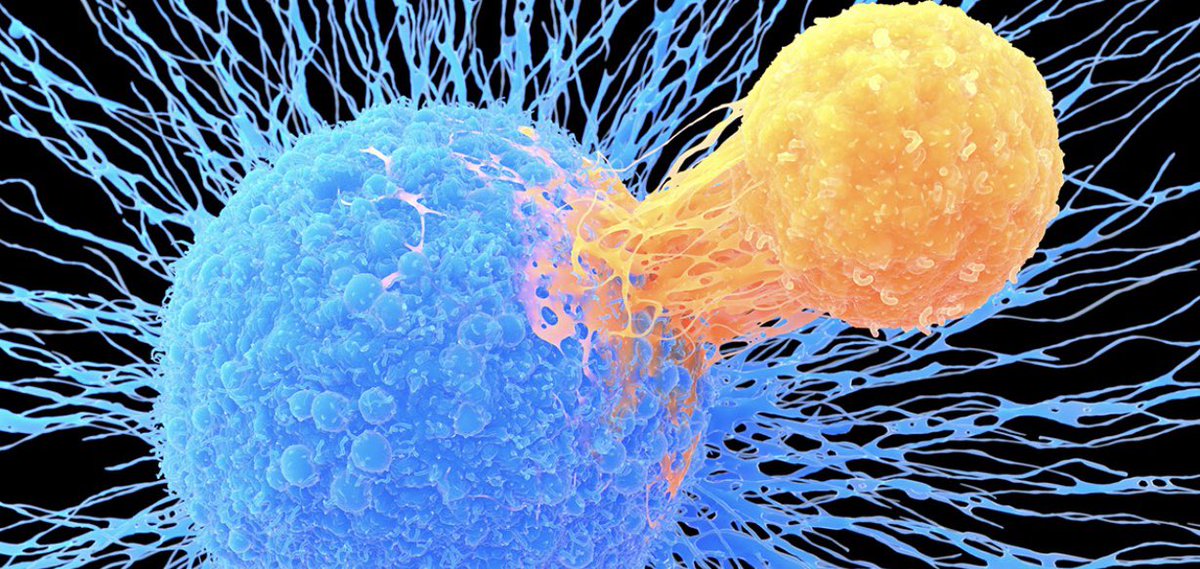
New study finds immune T cells engineered to kill zombie senescent cells 🧟♀️ can reverse key aspects of aging in mice 🐁 including metabolic & physical decline. Imagine a single treatment that protects from aging, for life…see thread https://t.co/suabdxqLDy