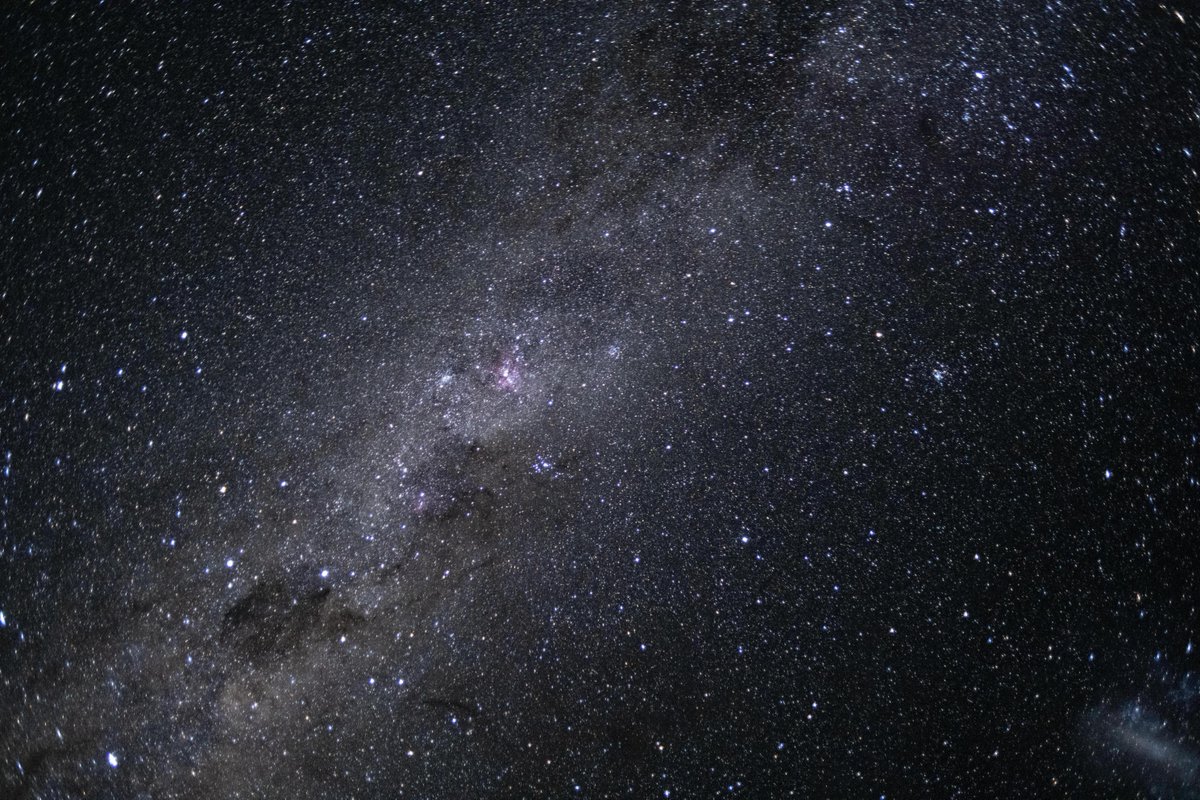
Sky full of stars.
Following a successful lunar flyby, the Artemis II astronauts captured this breathtaking photo of our galaxy, the Milky Way, on April 7, 2026.
Hello, Moon. It’s great to be back.
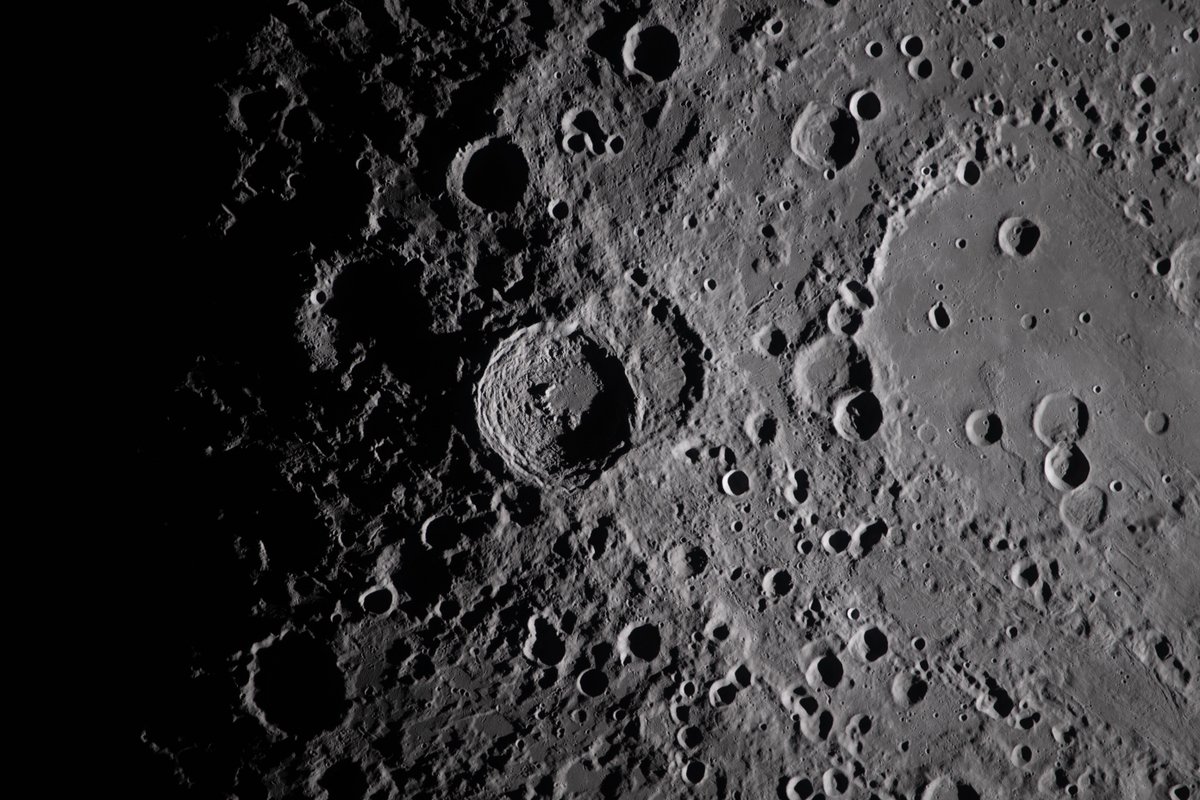
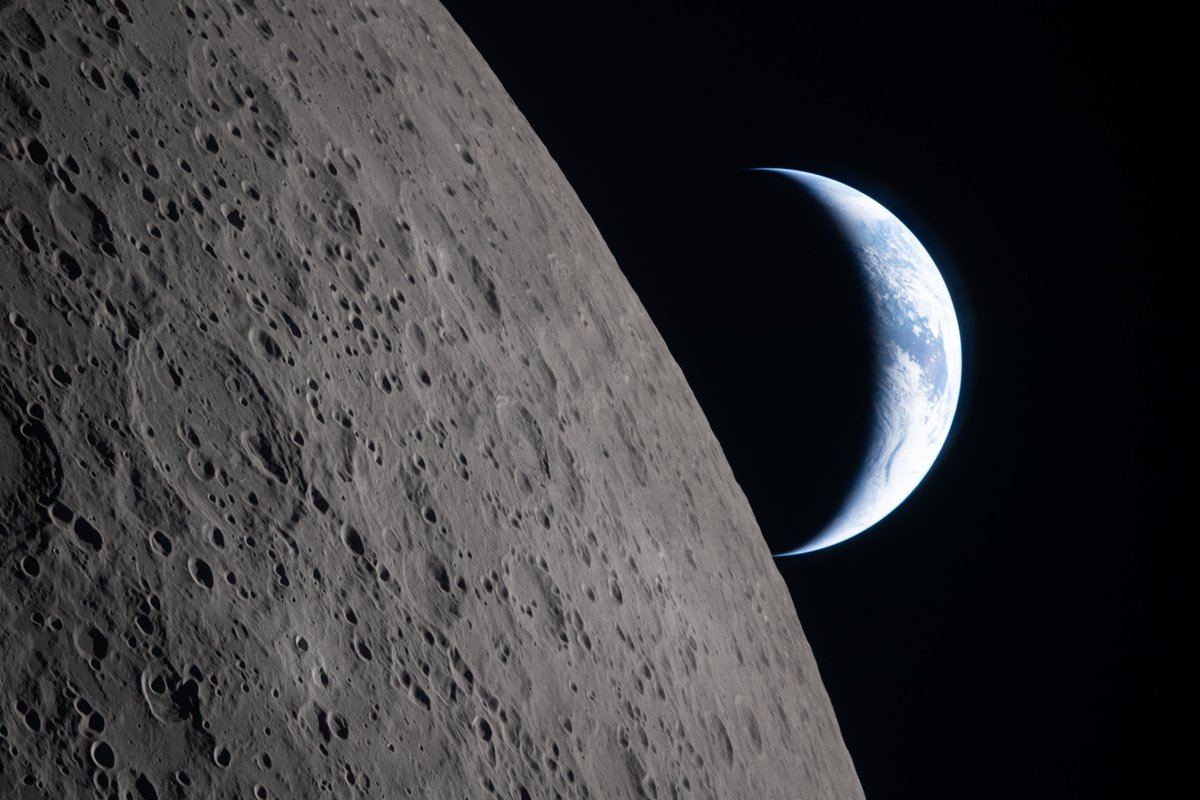
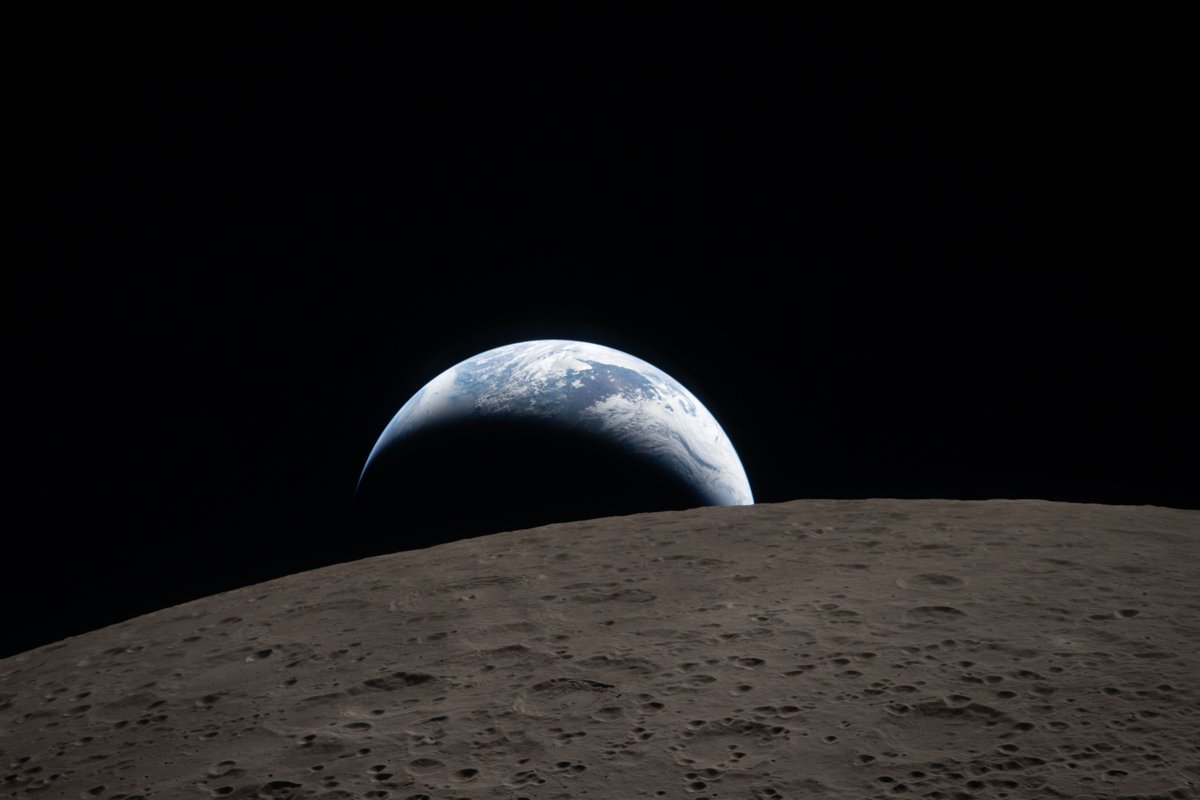
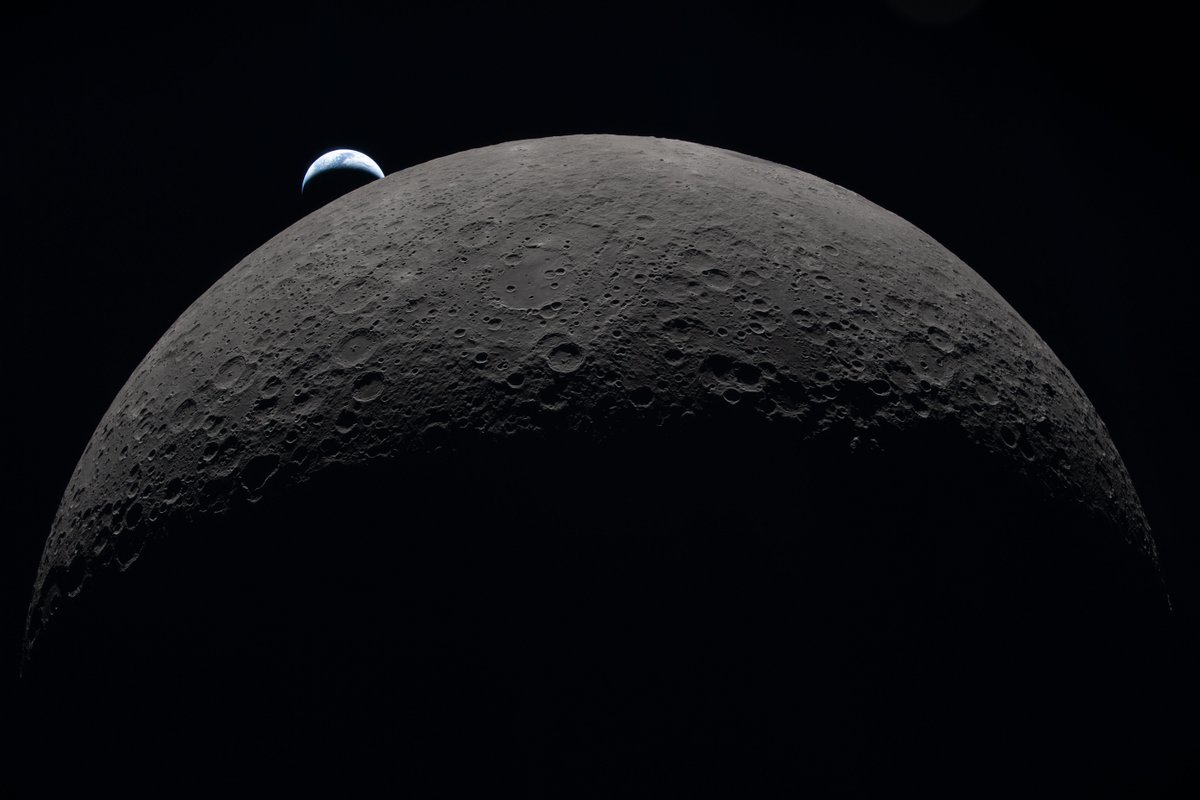
Here’s a taste of what the Artemis II astronauts photographed during their flight around the Moon. Check out more photos from the mission: https://t.co/rzM1P0QbOl
As the @NASAArtemis II crew approaches the Moon, they will get a firsthand view of the Moon's surface. One of the most striking (pun intended) features they will see is the craters which mark its surface, and are especially numerous on the far side, which the crew will be able to directly see. These craters are formed by impacts that have happened over the history of our Solar System and act as a sort of historical record of the conditions around the Earth and Moon.
The Earth has had many impacts over its history that have had big consequences on our planet (just ask the dinosaurs...), but plate tectonics, weathering, and volcanism have erased many craters on the Earth, and with them, the record of this history. The Moon helps us fill in the picture and tells us a unique story about our planet's past!
Even so, there are still many craters on Earth, but many are often not as easily visible as those on the Moon. Some, like Manicouagan Crater in Quebec, Canada, are very readily seen from the @Space_Station. This crater was created over 200 million years ago, when a 5 km asteroid crashed into the Earth, and is over 70 km wide. I saw this view through the Cupola window as I was exercising and had to pause to take a picture!
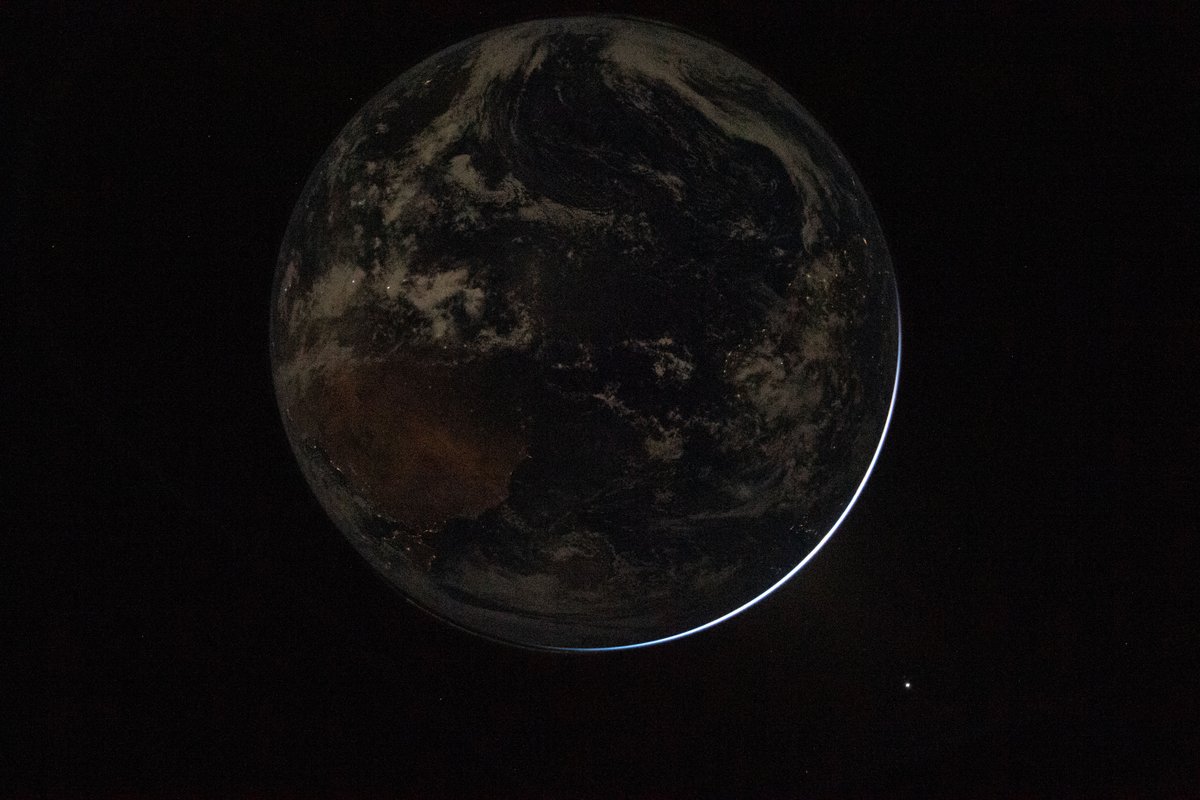
Even in darkness, we glow.
In this image of Earth taken by the Artemis II crew, we can see the electric lights of human activity. In the lower right, sunlight illuminates the limb of the planet.
So that’s what a swan’s egg looks like… 🤔
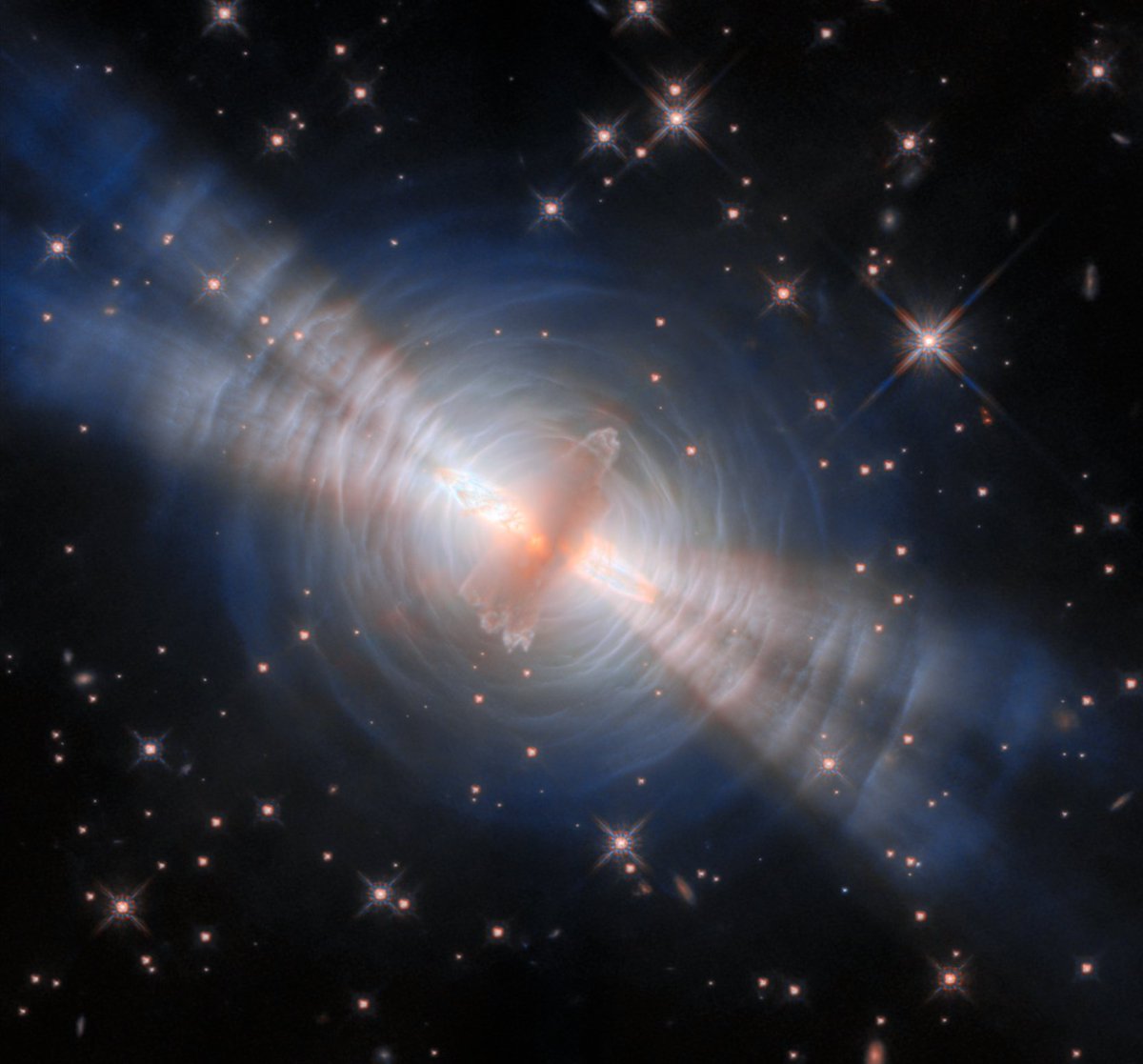
This @NASAHubble image reveals the central star “yolk” and dense dust cloud of the Egg Nebula, located about 1,000 light-years away in the constellation Cygnus (the Swan).
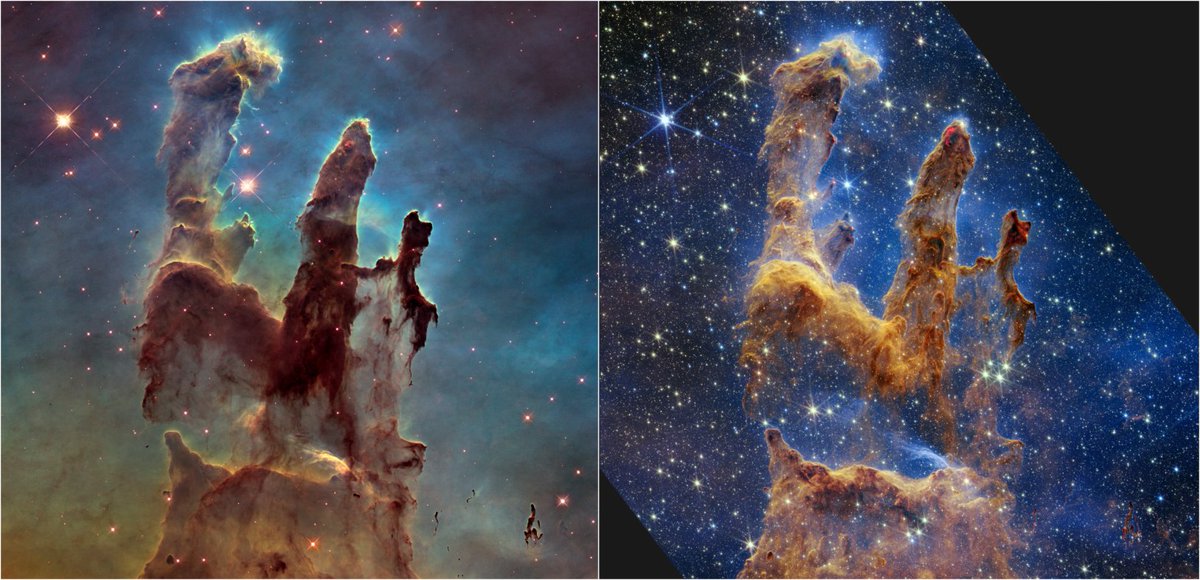
These pictures of the Pillars of Creation were taken 19 years apart by different telescopes, with each image capturing a unique perspective.
On the left, @NASAHubble shows more thick dust. On the right, @NASAWebb peers through the dust to show more stars. Which is your favorite?