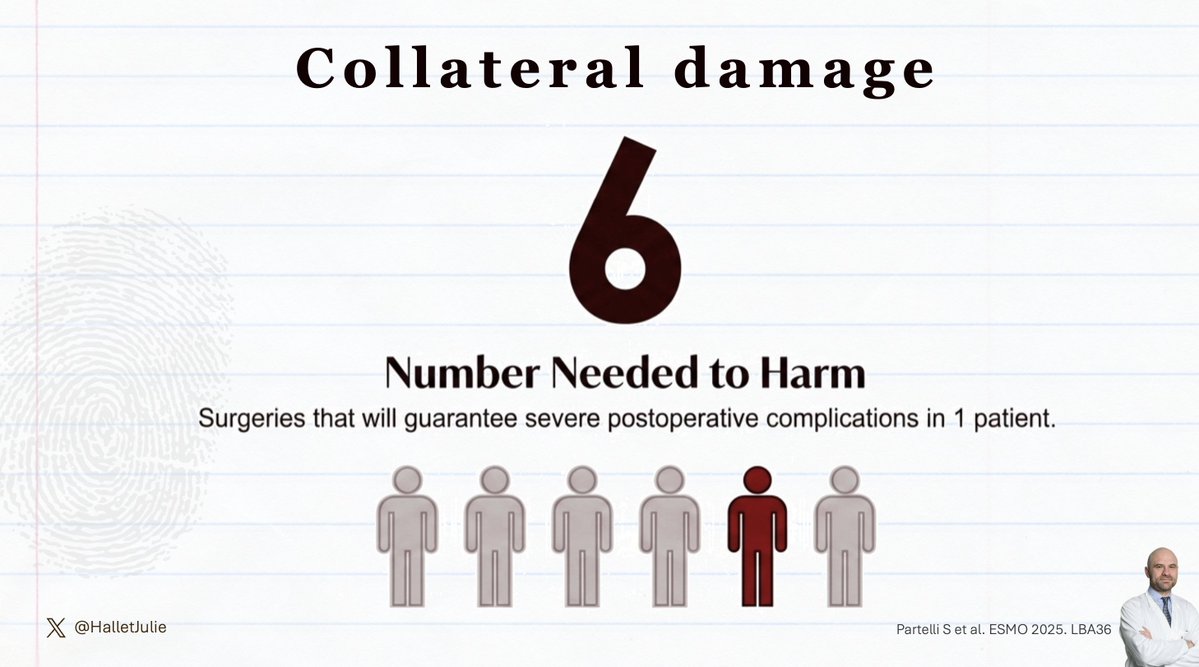
The case of small NF sporadic pancreas #NETs🕵🏻♀️ #EAHPBAwebinar@spartelli
🗃️Case closed for typical tumors: surveillance is safe, surgery causes harm
Let's shift to bettering selecton & periop therapy for atypical tumors and those >2cm 🔎
More 📝👉🏻https://t.co/h4PAHub57q
When evaluating patients with neuroendocrine tumors with CT, contrast timing matters. A lot...
Dual-phase imaging is critical. The patient below has a duodenal NET metastatic to the liver. Venous phase images on the left, arterial phase on the right. Which one is more informative...? Same scanner, 30-40 sec difference, I think... @PatrickMcGarrah
If the question is a NET, dual phase imaging rules!
Huge success for our @BASOtrainee webinar! 🎉
Packed with valuable insights and practical tips on research degrees— big thanks to our amazing panellists Tamsyn Clark, Tim Gilbert, Declan McDonnell, Sathyan Nagendram, Ollie Pickering, Katie Siggens and Vikas Sud and everyone who joined us.
💡More to come… stay tuned for our next webinar! 👀
We are deeply saddened to share the passing of Professor Harold Ellis CBE FRCS, founding member and former President of BASO. An inspiring teacher, surgeon, and author of Clinical Anatomy, he shaped generations of surgeons. His legacy lives on.
@mancunianmedic Had a printed and framed version of this in the office next door to his in 2013 when I was one of his anatomy demonstrators. We would find any excuse to pop next door for a chat with the great man. Still the best job I have ever had. Goodbye, Prof
@Tanno_Lulu @ENETS_ORG No formal grading - usual cardiology classification for valve disease and heart failure
Diagnosis made on echo appearance of the valves and presence of elevated serotonin (u5hiaa or serum 5hiaa)
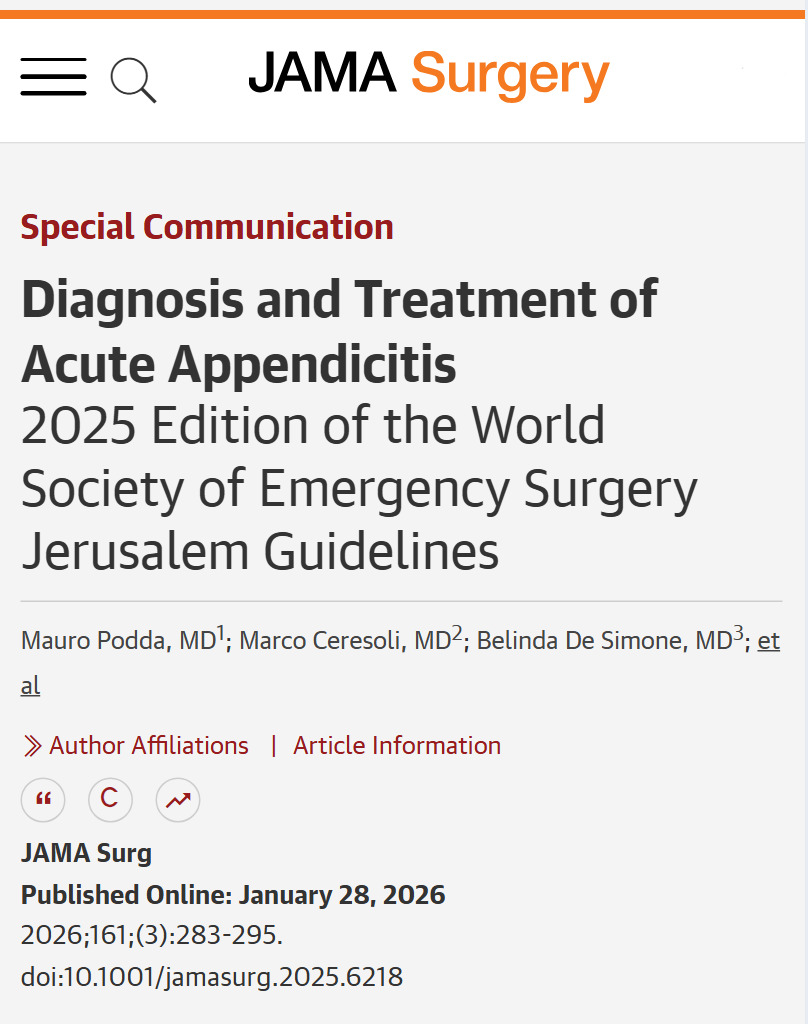
The 2025 WSES #Appendicitis guidelines recommend risk stratification and imaging for diagnosis, outpatient antibiotics for uncomplicated cases, and laparoscopic surgery within 24 hours for surgical management. https://t.co/rXeNJKsPDW
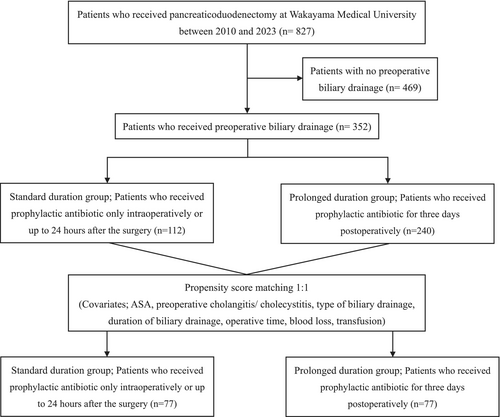
How long should prophylactic antibiotics be used after pancreaticoduodenectomy following biliary drainage?
A new study shows that a 3-day course significantly reduces surgical site infections compared to the standard 24-hour duration, lowering infection rates from 32% to 14%.👍
https://t.co/EaSRLOAqRM
#SoMe4Surgery @JSHBPS #SoMe4HPB #AGSurg
🚀 Ready to break into surgical oncology research?
Join our @SurgOncTA webinar to learn how to navigate the field, unlock opportunities, and accelerate your research journey.
📅 Date: TUESDAY, 31st MARCH
⏰ Time: 7:00 PM (UK Time)
💻 Online | Free Registration
🎯 Who should attend?
Medical students, Residents considering a research degree before specialty training, Those considering going Out of Programme for Research (OOPR)
Register: https://t.co/TFCnx8MmzI
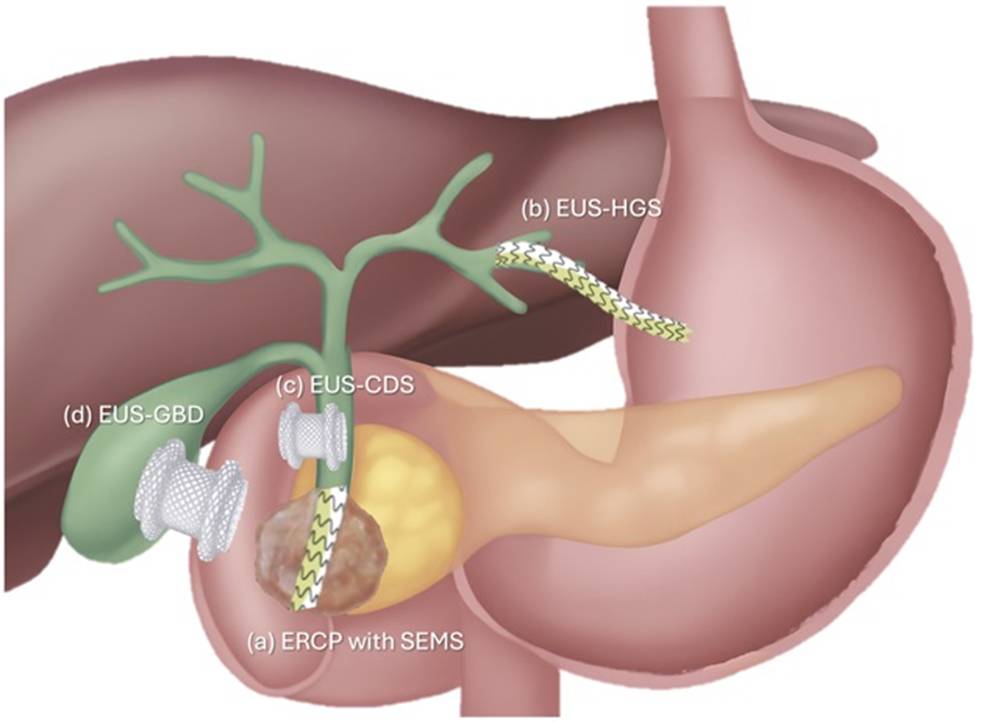
How I Approach It: Endoscopic Approach to Palliation of Pancreatic Cancer
Christina S. Gainey, MD & Todd H. Baron, MD
📕 https://t.co/93STjgPsFm
@CGaineyMD@EndoTx@MLongMD@JasmohanBajaj
Association Between Adjuvant Therapy and Survival in Resected Pancreatic Ductal Adenocarcinoma After Different Types and Durations of Neoadjuvant Therapy @AnnSurgOncol https://t.co/fhnnoMC0rN
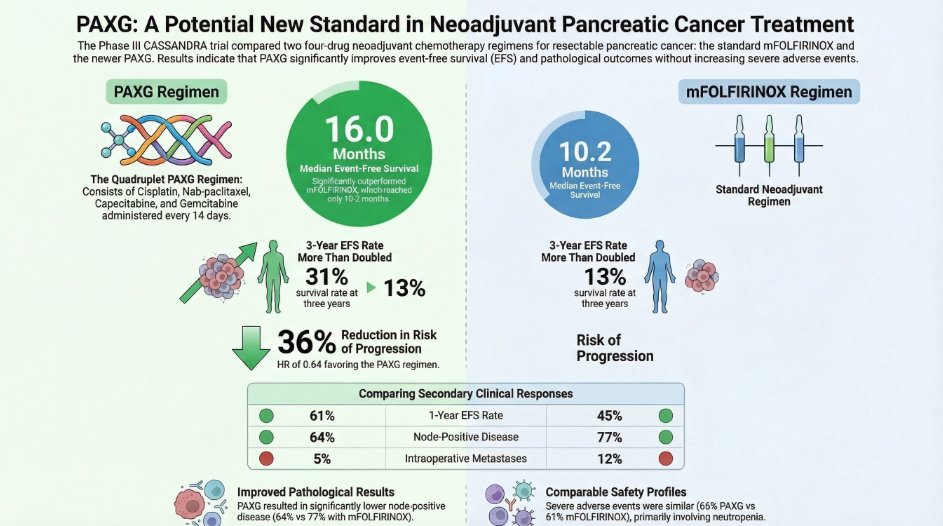
Operable pancreatic cancer in the CASSANDRA era: time to rethink the algorithm
New commentary in Journal of Clinical Oncology by Fausto Petrelli & Lorenzo Dottorini explores how emerging data reshape perioperative strategies for #PancreaticCancer.
Key insights:
🔹 Up-front surgery + adjuvant mFOLFIRINOX remains the reference for fit, standard-risk resectable PDAC.
🔹 Neoadjuvant therapy is increasingly favored in biologically high-risk or borderline resectable disease.
🔹 The CASSANDRA trial suggests PAXG may improve event-free survival vs mFOLFIRINOX in neoadjuvant settings, though OS data remain immature.
📌 The future is risk-adapted therapy, integrating tumor biology, patient fitness, and multidisciplinary decision-making.
🔗 https://t.co/o9UHvRThXt
@JCO_ASCO@ASCO@EileenMOReilly@KimmieNgMD@CathyEngMD
#GIOncology #OncoTwitter
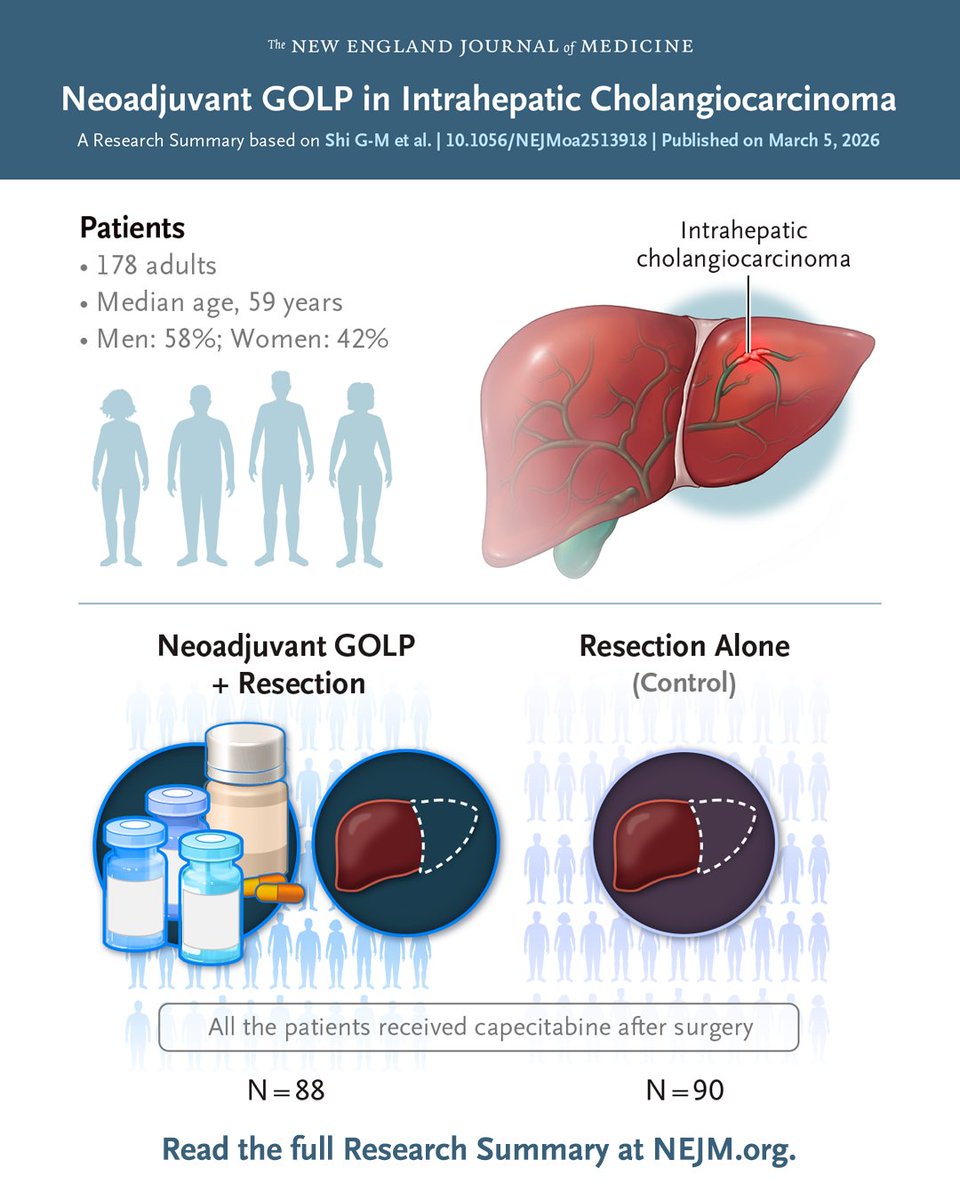
Neoadjuvant gemcitabine–oxaliplatin, lenvatinib, and anti–PD-1 antibody led to longer event-free survival than surgery alone in resectable high-risk intrahepatic cholangiocarcinoma, with mainly low-grade adverse events. Full phase 2–3 ZSAB-neoGOLP trial results and Research Summary: https://t.co/PpNO71uhur
Circulating tumour DNA offers a minimally invasive approach for early detection of cancer, monitoring molecular residual disease, assessing molecular response and identifying treatment resistance.
Check out this cutting-edge new review on ctDNA!
https://t.co/hSTZpxwhJH