@adedayoagarau@tobyasky True! The last international Conference I attended, Nigerian took the first and second place in best presentation award. The two of us got travel fellowships to attend, because there's no way we can sponsor ourselves. Talent and ideas is never the problem!
🚨 We're very happy to introduce TRIBE v2: a foundation model of the brain's responses to sight, sound & language.
📄 Paper: https://t.co/uHwgOvTrRD
▶️ Demo: https://t.co/9ZX6XcOXSM
💻 Code: https://t.co/PCc2yKyh1D
🤗 Model: https://t.co/GiTKzsHUhY
A tiny country produced half of the mathematical geniuses of the 20th century.
To an unrecognized extent, it was coffee shop culture. Hungary gave us von Neumann, Erdős, Teller, Szilard, and many others. Scientists called them "the Martians" because their brilliance seemed otherworldly.
It was in the Budapest coffee shops where mathematicians gathered. Where problems were discussed openly. Where young people could observe and join. Where intellectual passion was the social currency.
The Minta school created a culture of mathematical problem-solving. Students competed in mathematics journals. The brightest minds mentored the next generation in cafes, not classrooms.
We look at exceptional achievement and assume exceptional genes. Usually, we are looking at an exceptional culture.
The environment that produces world-class thinking has consistent features: immersion from a young age, visible role models, peer cultures that reward intellectual engagement, and opportunity to practice with real problems.
Classrooms with a standardized curriculum and age segregation produce none of these features.
The Martians were not born on Mars. They were raised in a culture that valued what they would become.
We could create such cultures again. We choose not to because we believe standardized schooling is the only way to educate children.
Microsoft has released a free, open-source course: GitHub Copilot CLI for Beginners.
Includes 8 Chapters covering:
• Walks through of installing Copilot CLI
• Using context
• Creating custom agents
• Working with skills
• Connecting MCP servers, and more.
Start Learning - https://t.co/IIbauw5L7K
We're launching Claude Community Ambassadors. Lead local meetups, bring builders together, and partner with our team.
Open to any background, anywhere in the world.
Apply: https://t.co/DTQBAzgQug
Explore how generative AI can help advance your career in healthcare. 🏥
The Generative AI for Healthcare course on Google Skills covers gen AI tools, prompt writing, real-world applications, and more.
Get started and earn your course badge ➡️ https://t.co/aFoPO41l77
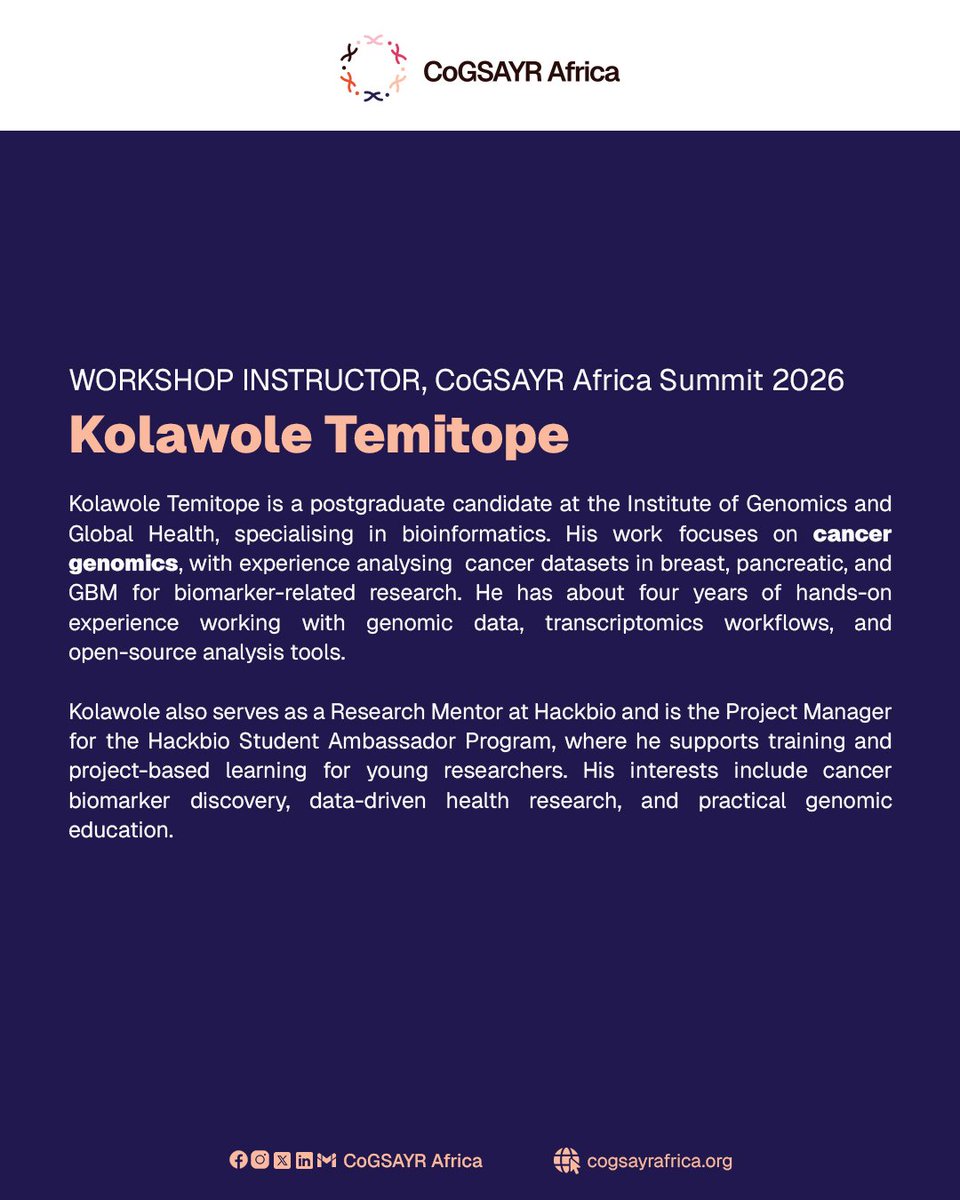
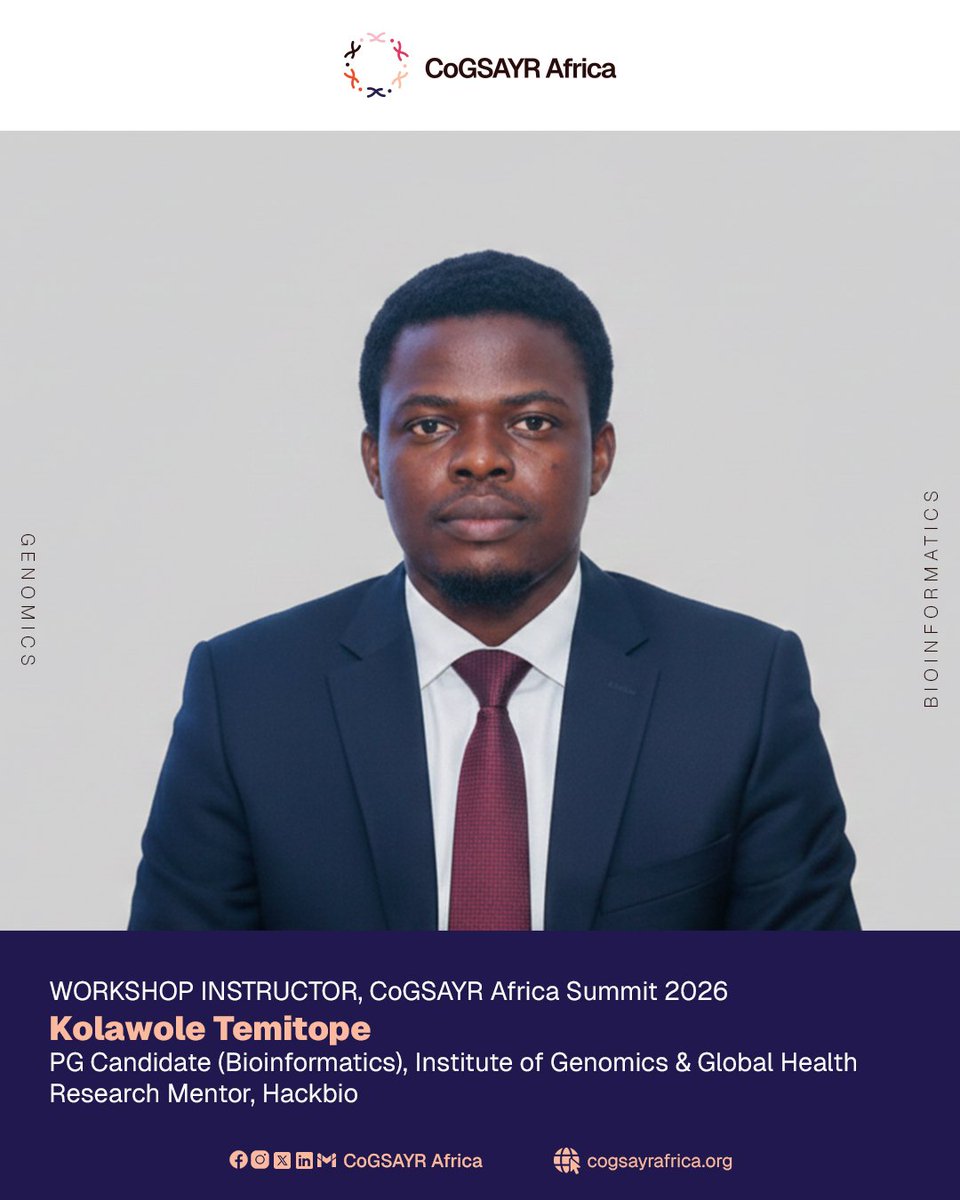
Grateful for the opportunity to facilitate a cancer biomarker discovery workshop at the CoGSAYR Conference.
It was fulfilling to share practical bioinformatics skills with passionate participants and to see the level of curiosity and hunger to learn in the room.
#Bioinformatics
For those who might be struggling to understand how the theorem is magically turned into anything at all related to beliefs and evidence and biases, it might help to first see how the theorem is read:
P(A|B) = [P(B|A) �� P(A)] / P(B)
Here's how to read it out loud in plain English in the most natural/intuitive way:
> "The probability of A given B
> equals
> the probability of B given A
> times
> the prior probability of A
> divided by
> the total probability of B"
Most common ways people say it:
1. Short & classic version
"Posterior = (likelihood × prior) / evidence"
2. Slightly more verbal
"The probability of A given that B happened
=
(probability of B given A) × (how likely A was before we saw B)
divided by
(how likely we were to see B no matter what)"
3. The storytelling version (often the favorite for teaching)
"How much should I believe in A now that I've seen B?
Well, it's proportional to
• how well A explains B (likelihood),
• multiplied by how much I believed in A before I saw any evidence (prior),
• and then we normalize it so all the possibilities add up to 100% (divide by P(B))."
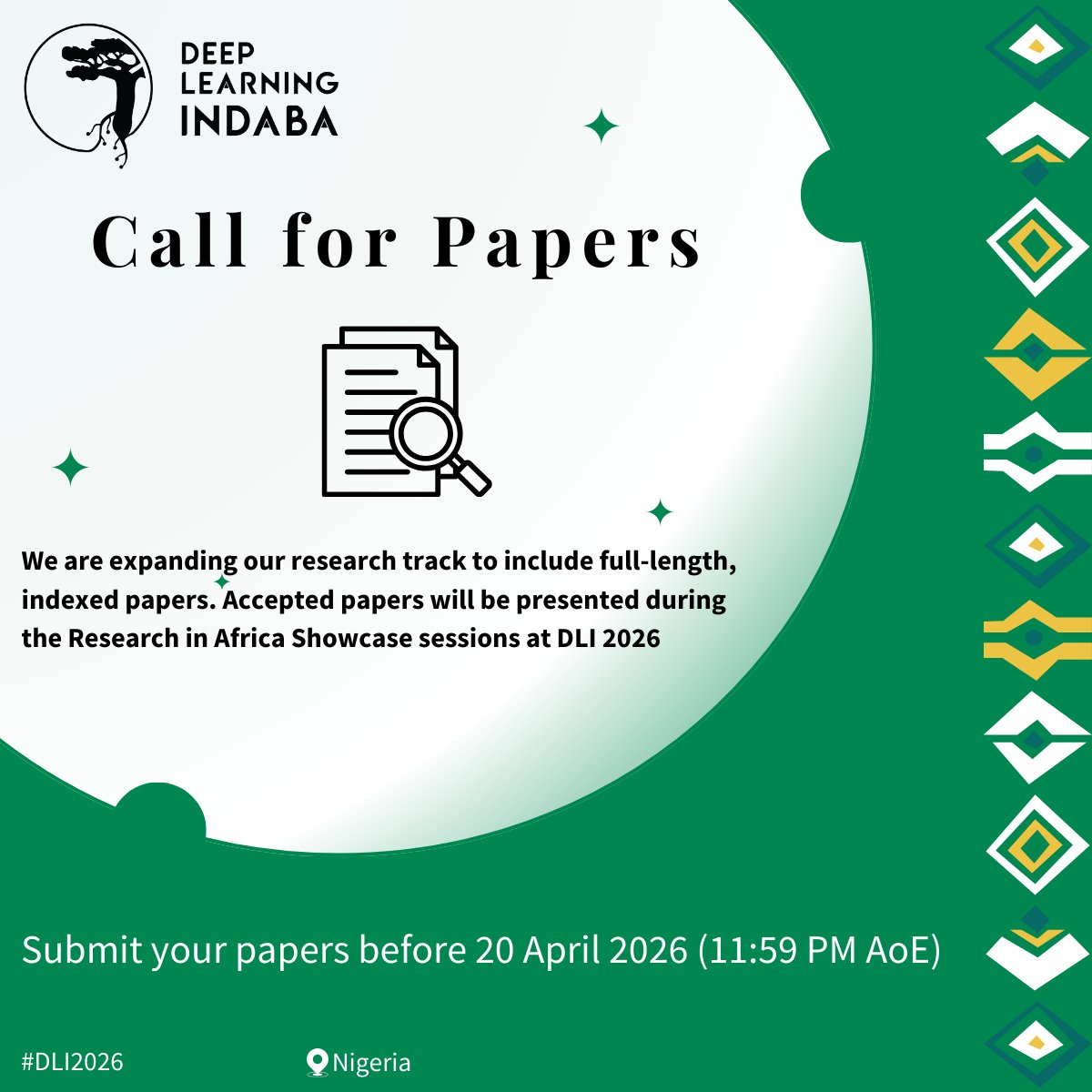
📣 Call for Papers: Deep Learning Indaba 2026
Deep Learning Indaba 2026 is expanding its Research Track to include full-length, peer-reviewed, indexed papers, further elevating globally recognised AI research from Africa. Accepted papers will be published in a special IJCAI volume and presented at the Research in Africa Showcase.
Submissions are open to original research in Machine Learning, NLP, Computer Vision, Reinforcement Learning, Datasets & Benchmarks, AI for Social Impact, and Privacy-Preserving & Trustworthy AI, especially work grounded in Africa’s unique challenges and opportunities.
At least one author must be an African researcher based in Africa.
One author per accepted paper will receive a complimentary attendance pass (priority to researchers based in Africa).
Double-blind review | IJCAI format | 7 pages (excl. references & appendix)
👉 Submit via Charingtool:
https://t.co/ZalI4ndoX8
🗓️ Key Deadlines (AoE):
Abstract Deadline: April 15, 2026
Paper Deadline: April 20, 2026
#DLI2026 #Indaba2026
We are officially heading to NIGERIA! 🌟
But why Nigeria?
Our 2026 General Chairs described Nigeria as a place representing "scale, imagination, and a fearless belief in what is possible."
For years, Nigerian builders and researchers have helped shape the Indaba from its earliest days. Now, we are bringing the energy home to channel a new focus: Sovereign Intelligence, the ability for Africa to build, steward, and understand its own systems.
As Wole Soyinka famously said, "A tiger does not proclaim its tigritude; it pounces."This year, we pounce. The journey to 2026 has begun!
Stay tuned for updates on dates, venue details, and application openings coming soon!
#DLI2026 #Indaba2026
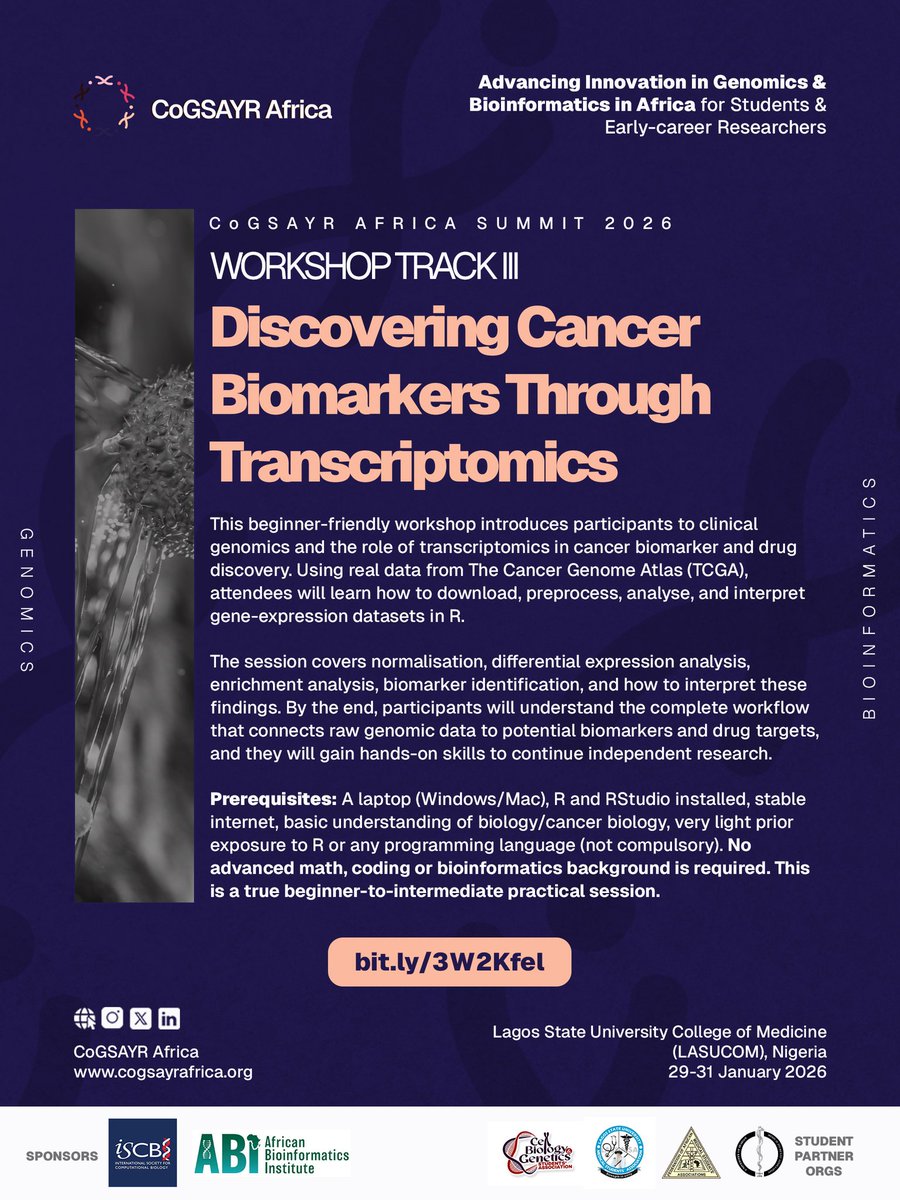
Introducing one of our workshops at the #CoGSAYRSummit2026: Discovering Cancer Biomarkers through Transcriptomics🧬.
Participants will be guided through cancer research workflows & how transcriptomic data is used to identify cancer biomarkers.
🔗 https://t.co/zHRIDav2ZN.
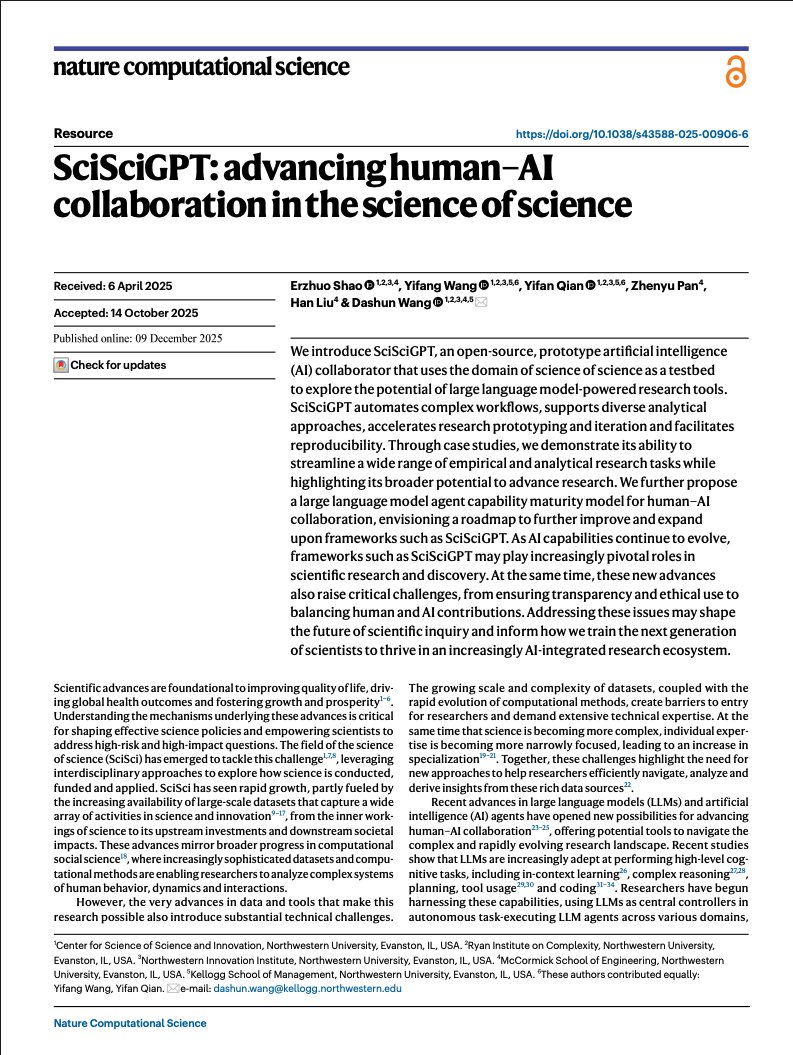
🚨New paper out in Nature Computational Science!
Introducing #SciSciGPT: an open-source, multi-agent, prototype AI collaborator designed to support research and discovery, using the science of science as a testbed.
Led by the amazing @ErzhuoShao
Demo + paper below!
1/n
From all of us at Ensembl, we wish you holidays filled with "ATGGAACGCCGCATTATGGAAAACACCGCGAACGATCCGGAAGCGTGCGAA"
May your celebrations be as perfectly in‑frame as your favourite gene.
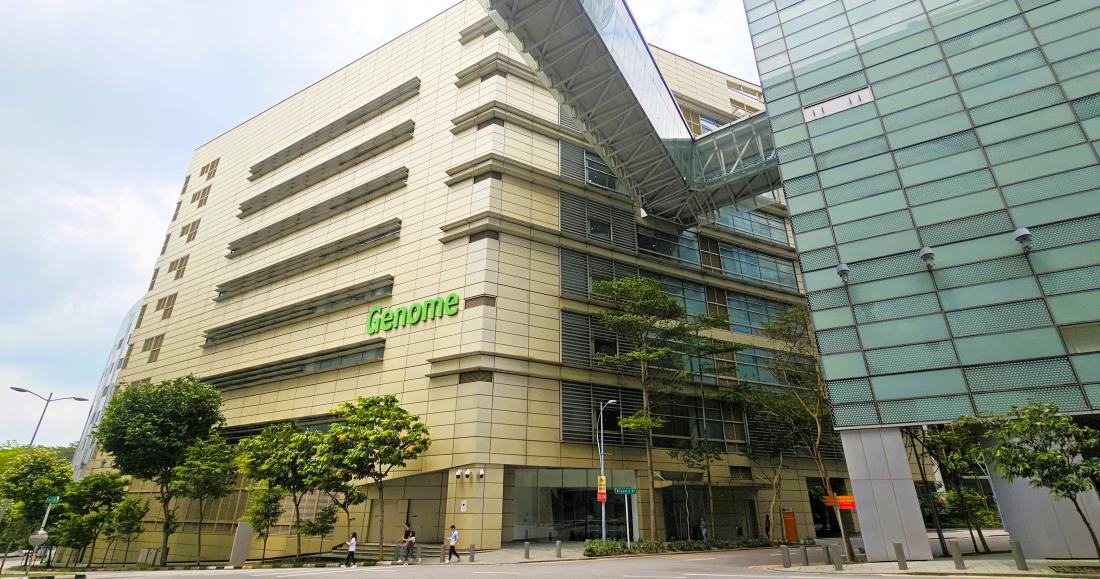
🚀 We’re hiring PIs in AI × Biology
The @astar_gis is expanding its AI & Computation domain and recruiting junior & senior PIs.
We’re building a place where AI scientists work tightly with experimentalists to create biologically validatable models.
What you’ll get:
• DNA & direct RNA sequencing
• Single-cell & spatial transcriptomics
• Gene editing & RNA structure probing
• Automated experimental platforms
• Dedicated GPU clusters + access to @ASTARsg & https://t.co/UjERNNyO6O resources
• Close collaboration with Institute of Molecular and Cell Biology https://t.co/KSn1rc4OsO
• Stable, long-term funding in Singapore
If you have a strong computational background and interest in biology, let’s talk.
📩 Send CV + short research plan. Please RT.
#AI4Biology #AI4Genomics #ComputationalBiology #RNA #SingleCell #Hiring #PIPositions