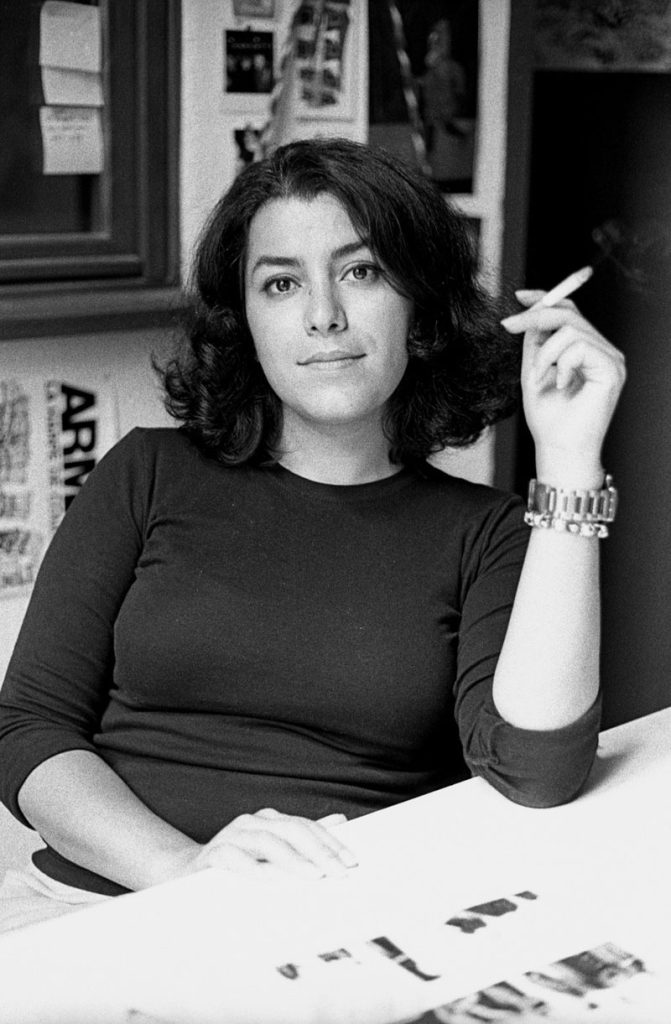
Ha fallecido a los 56 años Marjane Strapi, la autora de "Persépolis".
Dice la nota de la familia: "Marjane Satrapi murió de tristeza poco más de un año después del fallecimiento de Mattias Ripa, su marido y el amor de su vida".
according to psychology people who distance themselves from others as soon as they feel sad, unwanted, or ignored are actually unknowingly experiencing a coping mechanism called emotional withdrawal 1/3
This has a clinical name. Revenge bedtime procrastination. And the ADHD version runs on a completely different mechanism than the neurotypical one.
A neurotypical person stays up late because they want more leisure time. The ADHD brain stays up because it spent every drop of dopamine it had on executive function during the day. Sitting in meetings, managing transitions, filtering impulses, remembering the thing you were supposed to remember. That burns through dopamine the way sprinting burns through glycogen. By 10pm the tank is empty.
But here's where it gets counterintuitive. The exhaustion is physical. The dopamine deficit is neurological. Those are two separate systems. Your muscles want sleep. Your prefrontal cortex is starving for the stimulation it was denied all day because it spent 14 hours on task-switching and impulse control instead of anything that actually felt rewarding.
The phone at midnight is the brain trying to collect what it's owed. Low-effort, high-stimulation content. Scrolling, short videos, rabbit holes. The exact profile of activity that delivers dopamine without requiring the executive function you already depleted.
The sleep researchers call this a "self-regulation failure." It's closer to a debt collection. You borrowed against your own reward system to function all day. The bill comes due at midnight. And the brain will not let you sleep until it gets paid.
Toru Miyazaki gave 11 cats with advanced kidney disease an experimental injection. 15 others didn’t get it. A year later, 9 of the 11 treated cats were alive. Only 3 of the 15 untreated cats survived. He just filed for approval, and the drug fixes a defect only cats have.
Most cats die from one thing: their kidneys fail. By age 10, 4 in 10 cats already have chronic kidney disease, and by age 15, the rate doubles to 8 in 10. Once diagnosed, a cat has about 2 years left.
The reason kidney disease hits cats so hard is a broken protein in their blood. All mammals carry a protein that helps the kidneys clean out waste. In humans and dogs, the protein floats freely and goes to work when the kidneys are in trouble. In cats, it stays stuck to another protein and can’t get loose. So the waste piles up, and the kidneys eventually give out.
Miyazaki originally found the protein in 1999, back when he was at the University of Tokyo. He figured out the cat-specific glitch in 2015. The paper he published in the Veterinary Journal in February laid out the trial. The injection is a working version of the missing protein. His company, the Institute for AIM Medicine, filed the approval paperwork with Japan’s Ministry of Agriculture on April 24, 2026. If the review clears, the drug goes on sale in spring 2027.
The 30-year lifespan figure in the tweet is Miyazaki’s own projection of what cats could reach without kidney disease. The trial only ran a year, and the average cat today lives 15. Most die from the same disease this injection treats.
The research almost died in 2020. After running out of funding during COVID, Miyazaki went public. Cat owners across Japan responded by sending in 300 million yen, around 2 million dollars total. He resigned from the University of Tokyo and worked on the drug full time. The treatment in front of regulators today exists because cat lovers refused to let the research die.
People with ADHD have what’s called Rejection Sensitive Dysphoria (RSD). It’s an extreme emotional response to perceived criticism or rejection.
Your brain can’t regulate the emotional pain, so a small comment feels like a devastating attack. A minor correction feels like total failure. Someone’s tone feels like hatred.
It’s not oversensitivity. It’s not being dramatic. Your brain literally can’t modulate the intensity of that emotional response.
It’s neurological, not a character flaw
Neurotypicals: "I'm tired. I'll just go to sleep now."
ADHDers: "I am physically exhausted, but my brain is currently holding my eyes open because I haven't had enough 'Me Time' to feel satisfied with today.”
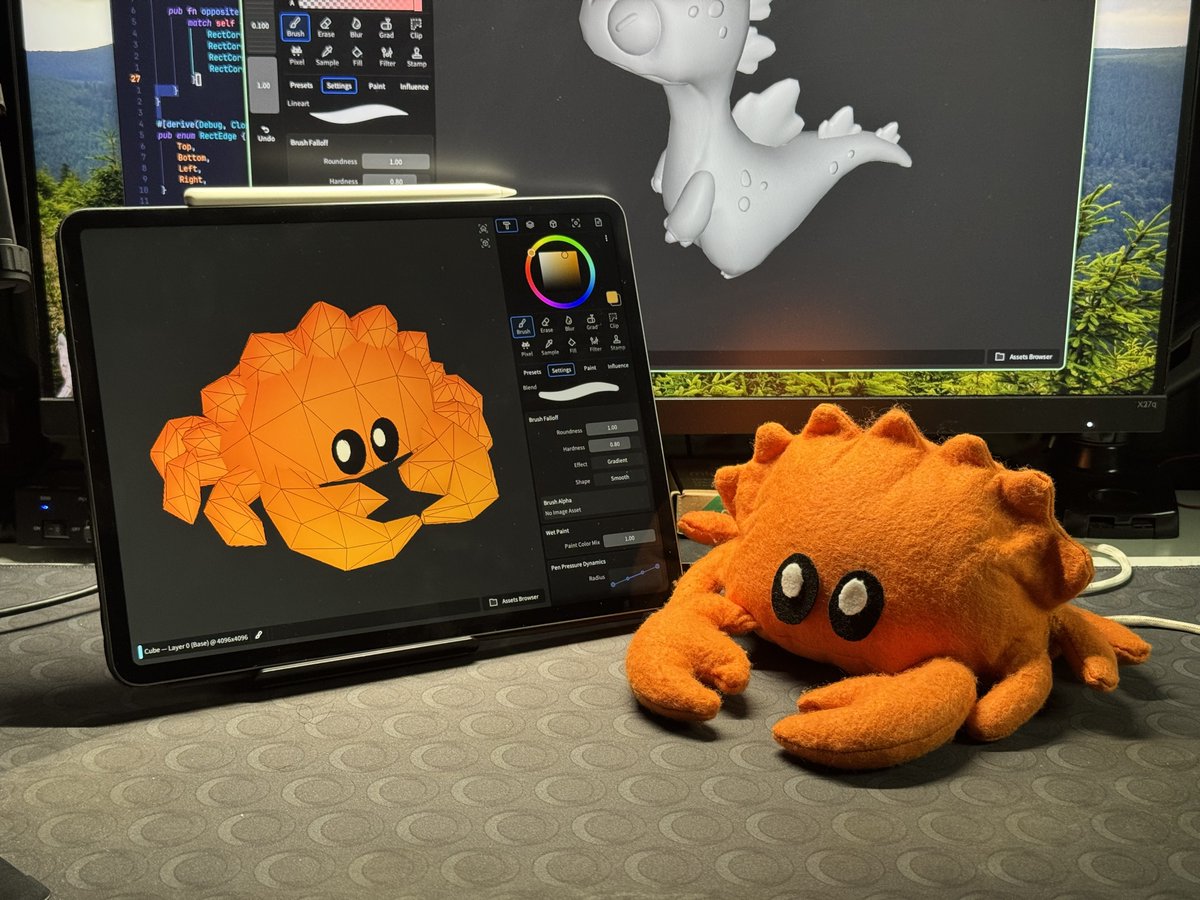
Wafer is our first product built entirely on our own cross-platform UI toolkit, application framework, renderer, and geometry processing libraries. The entire stack is written in Rust and WGPU.
We plan to continue building on this foundation for future updates and products.
HISTORIC HEAT IN SOUTH AMERICA
Absolutely crazy what 's happening
Records smashed every day continuosly
Crazy 41.1C Puerto Suarez BOLIVIA Record
PARAGUAY MONTHLY RECORDS
41.7C Asuncion Downtown
41.0C Asuncion AP
41.0C Quyquyhat
This is nothing to the madness coming
Yes.
The reason is because we get a surge of dopamine during emergencies.
Instead of this sending us to "fight/flight/freeze" like it does for neurotypicals, it SENDS US TO NORMAL, & we're able to function through it.
The problem is that THE STRESS will kill us over time.